7 Sensory Water Activity Ideas for Young Children That Build Skills
Discover 7 engaging water activities that boost young children’s sensory development, motor skills, and creativity through hands-on exploration and play.
Water activities aren’t just fun for kids—they’re powerful tools for sensory development that engage multiple senses simultaneously. You’ll discover that simple water play helps children build fine motor skills while exploring textures temperatures and cause-and-effect relationships in ways that traditional toys can’t match. These seven creative water activities transform ordinary playtime into rich learning experiences that’ll keep your little ones engaged while supporting their cognitive and physical development.
Disclosure: As an Amazon Associate, this site earns from qualifying purchases. Thank you!
Water Sensory Bins With Floating Objects
Floating object bins transform ordinary water play into captivating sensory adventures. You’ll watch children develop hand-eye coordination while they chase, catch, and sort objects that bob and drift across the water’s surface.
Colorful Foam Letters and Numbers
Make bath time educational and fun with Nuby's Foam Bath Letters and Numbers! This set helps children ages 3+ learn the alphabet, numbers, and colors while developing fine motor skills.


Foam letters create perfect floating learning tools that won’t sink when dropped. You can encourage letter recognition games where children fish out specific letters to spell their names or simple words. The bright colors make sorting activities engaging while the soft texture feels safe for little hands to squeeze and manipulate.
Natural Materials Like Shells and Stones
Shells and smooth river stones add authentic textures that synthetic toys can’t replicate. You’ll find children naturally sort these materials by size, color, and texture while discovering which items float versus sink. Choose larger shells and stones to prevent choking hazards while maintaining the tactile learning experience.
Unleash your creativity with these 25 smooth, flat river rocks, ideal for painting vibrant designs. Their 2-3" size and smooth surface make them perfect for acrylics, markers, and watercolor crafts.

Measuring Cups and Scooping Tools
This Pyrex 3-piece measuring cup set (1, 2, & 4 cup) offers versatility for all your cooking and baking needs. Easily measure ingredients with bold, easy-to-read markings and enjoy convenient pouring with the curved spout.
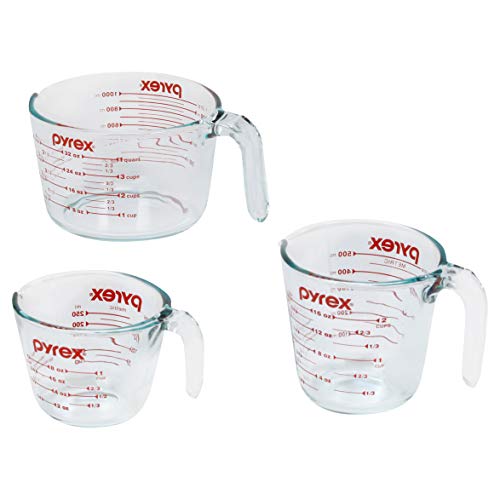
Measuring cups double as both floating objects and functional tools for water transfer activities. You can demonstrate volume concepts while children pour water between different sized containers that float nearby. Plastic measuring spoons and small colanders create additional floating targets that develop precision scooping skills.
Ice Play and Temperature Exploration
Ice activities introduce children to temperature contrasts while developing their understanding of states of matter through hands-on sensory experiences.
Frozen Toys in Ice Blocks
You’ll create fascinating discovery experiences by freezing small toys inside ice blocks overnight. Children use warm water to melt the ice and rescue their favorite figures, developing problem-solving skills while exploring melting processes. This activity combines anticipation with scientific observation as kids watch ice transform.
Colored Ice Cubes for Sorting
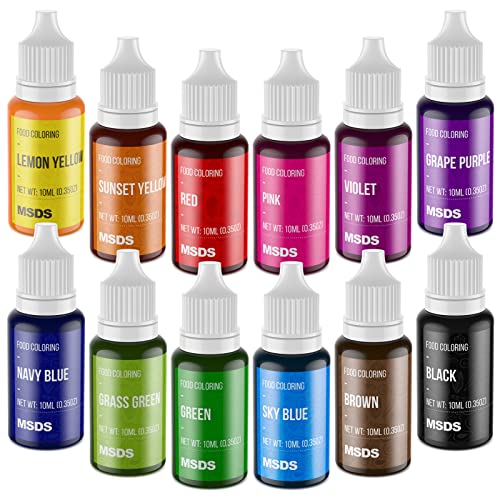
You can make colorful ice cubes using food coloring and freeze them in different shapes and sizes for sorting activities. Children categorize by color, size, and shape while experiencing cold temperatures and observing melting rates. These vibrant cubes add visual appeal to any water sensory exploration.
Achieve vibrant, custom colors for all your creations with this 12-color food coloring set. The highly concentrated, food-grade liquid is tasteless and easy to use, perfect for baking, decorating, and crafting.
Warm and Cold Water Comparison
You’ll set up two containers with warm and cold water, allowing children to experience temperature differences through touch and observation. Kids discover how objects behave differently in each temperature, watching ice melt faster in warm water. This simple setup teaches cause-and-effect relationships through direct sensory comparison.
Water Painting on Different Surfaces
Water painting transforms ordinary surfaces into creative canvases while providing children with endless sensory exploration opportunities. You’ll discover that different surfaces create unique painting experiences that engage visual and tactile senses simultaneously.
Fence and Sidewalk Painting
Fence painting with large brushes and buckets creates an expansive vertical canvas for your child’s artistic expression. The rough texture of wood or vinyl fencing provides resistance that strengthens hand muscles while the water gradually evaporates, creating fascinating visual changes. Sidewalk painting offers a horizontal workspace where children can create large-scale art, practice letter formation, or simply enjoy watching their creations disappear and reappear with each brush stroke.
Large Paper and Canvas Activities
Butcher paper stretched across outdoor tables becomes a collaborative masterpiece when multiple children paint with water brushes simultaneously. The paper’s absorption rate creates interesting color bleeding effects when you add food coloring to the water, teaching children about color mixing and material properties. Canvas drop cloths provide a more textured surface that holds water differently, allowing children to experiment with brush techniques and observe how water behaves on various fabric weaves.
Window and Mirror Art Creation
Window painting creates temporary masterpieces that children can admire from both sides, adding a three-dimensional element to their water art experience. The smooth glass surface allows water to bead and drip in predictable patterns, helping children understand gravity and surface tension concepts. Mirror painting doubles the visual impact as children watch their reflections create art alongside them, developing self-awareness while the reflective surface adds sparkle and movement to their water painting adventures.
Bubble Sensory Activities
Bubble activities create magical moments that combine visual tracking with tactile exploration. Your child develops hand-eye coordination while discovering how bubbles form, float, and pop through interactive water play.
Bubble Wrap Popping Games
• SMALL BUBBLE CUSHIONING WRAP: Features small size bubbles; small bubbles allow for easy conformability around delicate and valuable items; use bubble cushion to fill empty spaces in boxes and add instant padding for fragile items • REUSABLE AND RECYCLABLE: High-quality bubble cushioning is durable enough to be used for multiple moves, so you can use it over and over again; recyclable by store drop off • EASY TO TEAR: Small bubble cushioning wrap is perforated every 12 in to easily tear off the roll; tear in sheets to wrap items individually for added protection • LIGHTWEIGHT: Small bubble cushioning wrap is light-as-air and won't add tons of extra weight to boxes or mailers during shipping • HOW TO USE: Unroll the bubble cushioning wrap; wrap items bubble side in for best protection; use perforated line to tear

Submerge bubble wrap sheets in your water bin for dual sensory stimulation. Children press and pop bubbles underwater while feeling water resistance against their fingers. The underwater popping creates different sounds and sensations compared to dry bubble wrap. Add floating toys on top of the bubble wrap to create obstacle courses that challenge fine motor skills.
Homemade Bubble Solution Experiments
Mix dish soap with water in different ratios to discover varying bubble strengths. Start with one part soap to six parts water, then adjust the mixture together. Add corn syrup or glycerin to create stronger bubbles that last longer for extended observation. Children learn measurement concepts while testing which solutions produce the biggest or most colorful bubbles.
Bubble Catching and Observation
Blow bubbles over water bins so children can catch them with wet hands or tools. Wet surfaces hold bubbles longer, allowing detailed examination of rainbow colors and shapes. Provide magnifying glasses for close-up bubble observation before they pop. Children develop visual tracking skills while learning about surface tension and light reflection through hands-on bubble exploration.
Water Transfer and Pouring Games
Water transfer activities build concentration skills while teaching children about volume and capacity through hands-on exploration. These pouring games strengthen fine motor control and introduce mathematical concepts naturally.
Different Sized Containers
Different Sized Containers create endless exploration opportunities as children discover how water behaves in various vessels. You’ll need bowls, cups, and bottles ranging from tiny shot glasses to large mixing bowls. Children naturally experiment with filling small containers from large ones, learning about volume relationships while developing precise pouring skills and hand-eye coordination.
Funnels and Tubes Exploration
Funnels and Tubes Exploration introduces children to cause-and-effect relationships while developing problem-solving abilities. Provide kitchen funnels, PVC pipes, and flexible tubing for water flow experiments. Children discover how different tube widths affect water speed and learn to control water direction, building spatial reasoning skills through trial-and-error play.
Sponge Squeezing Activities
Sponge Squeezing Activities strengthen hand muscles while teaching absorption and release concepts through tactile learning. Offer various sponge sizes from small car sponges to large bath sponges for different grip challenges. Children soak sponges in one container and squeeze water into another, developing bilateral coordination and understanding water’s movement between materials.
Textured Water Play Stations
Textured water stations transform ordinary water play into rich sensory experiences that captivate children’s curiosity. These activities combine unique textures with water exploration to enhance tactile development.
Jello Water for Tactile Experience
Jello water provides a fascinating texture that’s completely different from regular water play. You’ll create this sensory experience by mixing unflavored gelatin with warm water, creating a slippery, stretchy substance that children can squeeze and pour. The unique consistency helps develop finger strength while providing satisfying tactile feedback that keeps children engaged for extended periods.
Water Beads Sensory Bins
Get 140,000 clear water beads to create stunning centerpieces and floral arrangements. These high-quality, reusable beads expand in water and help keep soil moist for plant cultivation.

Water beads offer incredible sensory stimulation as they expand from tiny pellets into marble-sized spheres. You’ll soak these polymer beads overnight, then add them to shallow water bins for children to explore with scoops and containers. The slippery, bouncy texture creates fascinating sensory experiences while children practice fine motor skills and hand-eye coordination through scooping activities.
Soap and Foam Creation
Soap foam creation turns water play into a bubbly sensory adventure that children absolutely love. You’ll add dish soap to water bins and use whisks or egg beaters to create thick, fluffy foam that children can manipulate with their hands. This activity develops bilateral coordination while providing rich tactile experiences through the contrast between smooth water and airy foam textures.
Musical Water Instruments
Creating musical water instruments adds an auditory dimension to sensory play that captivates children’s attention. These activities combine sound exploration with water manipulation to develop rhythm awareness and fine motor skills.
Water-Filled Bottles for Sounds
Fill plastic bottles with varying amounts of water to create different pitched sounds when tapped or shaken. You’ll discover that bottles with less water produce higher tones while fuller bottles create deeper sounds. Children can experiment with different water levels to compose their own musical scales and develop auditory discrimination skills through hands-on exploration.
Rain Stick Creation
Create rain sticks by filling clear tubes with water and small objects like rice or beads that create gentle cascading sounds. You can use empty paper towel tubes sealed at both ends with tape and filled partially with water and noise-making materials. Children love turning these instruments to hear the soothing rain-like sounds while developing bilateral coordination and cause-and-effect understanding.
Splashing Rhythm Activities
Encourage children to create rhythmic patterns by splashing water with their hands or using tools like wooden spoons. You can play background music and have children match the beat through their water splashing movements. This activity develops timing skills and musical awareness while providing satisfying sensory feedback through water resistance and sound production.
Conclusion
These seven sensory water activities offer your child countless opportunities to learn and grow through play. Each activity targets different developmental skills while keeping your little one engaged and entertained.
You’ll find that water play naturally encourages exploration and creativity in ways that traditional toys simply can’t match. Your child develops crucial motor skills hand-eye coordination and cognitive abilities all while having fun.
Remember that you can easily adapt these activities based on your child’s age interests and available materials. Start with simple setups and gradually introduce more complex elements as your child’s skills develop.
Water play isn’t just about splashing around – it’s about creating meaningful learning experiences that support your child’s overall development through multi-sensory engagement.
Frequently Asked Questions
What are the main benefits of water activities for children’s sensory development?
Water activities engage multiple senses simultaneously, promoting fine motor skills, hand-eye coordination, and cognitive development. They allow children to explore textures, temperatures, and cause-and-effect relationships in ways traditional toys cannot. These activities also strengthen hand muscles, enhance bilateral coordination, and support learning concepts like volume, measurement, and scientific observation through hands-on exploration.
What materials do I need for water sensory bins?
You’ll need a large container, floating objects like foam letters and numbers, natural materials such as shells and stones, and measuring cups or scooping tools. These materials provide diverse textures for exploration while teaching letter recognition, sorting skills, volume concepts, and precision scooping abilities through engaging water play activities.
How do ice play activities benefit child development?
Ice play activities help children understand temperature contrasts and states of matter while fostering problem-solving skills. Children can freeze small toys in ice blocks and use warm water to rescue them, or create colorful ice cubes for sorting by color, size, and shape. These activities enhance scientific observation skills and cause-and-effect understanding.
What surfaces work best for water painting activities?
Fences, sidewalks, large paper, canvas, windows, and mirrors all work excellently for water painting. Each surface offers unique benefits: fences and sidewalks provide resistance for muscle strengthening, paper and canvas allow for collaborative art and color mixing exploration, while windows and mirrors help children understand gravity and surface tension concepts.
How do bubble activities enhance sensory development?
Bubble activities combine visual tracking with tactile exploration, developing hand-eye coordination as children discover how bubbles form, float, and pop. Activities include bubble wrap popping underwater, homemade bubble solution experiments for learning measurement, and bubble catching games that enhance visual tracking skills and understanding of surface tension and light reflection.
What skills do water transfer and pouring games develop?
These games build concentration, hand-eye coordination, and teach volume and capacity concepts. Using different-sized containers helps children understand how water behaves in various vessels, while funnels and tubes improve problem-solving abilities. Sponge squeezing activities strengthen hand muscles, teach absorption concepts, and enhance bilateral coordination through water transfer between containers.
How do textured water play stations enhance sensory experiences?
Textured water play transforms ordinary activities into rich sensory experiences. Jello water provides slippery, stretchy textures that develop finger strength, while water beads offer unique tactile stimulation as they expand from tiny pellets. Soap foam creation provides bubbly sensory adventures that enhance bilateral coordination and offer contrasting textures for exploration.
What are musical water instruments and how do they benefit children?
Musical water instruments add an auditory dimension to sensory play. Children can fill plastic bottles with varying water amounts to create different pitched sounds, make rain sticks for soothing sounds, and create splashing rhythm activities. These activities develop auditory discrimination skills, musical awareness, timing skills, and bilateral coordination while providing sensory feedback.