7 Tide-Informed Fishing Techniques That Old-Timers Swear By
Master tidal fishing with 7 proven techniques! Learn optimal timing, positioning, and bait selection to transform your fishing success using nature’s rhythm.
The bottom line: Understanding tidal patterns can dramatically improve your fishing success rate by helping you target fish when they’re most active and accessible.
Why it matters: Tides control water movement, oxygen levels, and food distribution — all critical factors that determine where and when fish feed throughout the day.
What you’ll learn: Seven proven techniques that align your fishing strategy with tidal cycles, from timing your casts during slack water to positioning yourself in tidal channels where fish naturally concentrate.
Disclosure: As an Amazon Associate, this site earns from qualifying purchases. Thank you!
Understanding Tidal Patterns for Strategic Fishing Success
Mastering tidal patterns transforms average fishing trips into consistently productive outings. You’ll discover how timing your casts with nature’s rhythm dramatically increases your catch rates.
Reading Tide Charts and Timing Your Trips
Track local tide conditions with the Northcore Bamboo Tide Clock. This desk-friendly clock, made from sustainable bamboo, rotates every 12 hours and 25 minutes to indicate high and low tides after a simple set up.


Tide charts reveal optimal fishing windows by showing exact high and low tide times for your location. Download marine apps like Tide Chart or NOAA Tides for real-time data that helps you plan arrivals 1-2 hours before peak feeding periods. Target the two hours surrounding tide changes when fish activity peaks most dramatically.
Identifying High and Low Tide Windows
High tide windows create deeper channels where larger fish hunt in previously shallow areas. Low tide exposes structure like rocks and drop-offs that concentrate baitfish in remaining pools. Fish the last two hours of incoming tide for aggressive feeding behavior as water covers new hunting grounds.
Recognizing Tidal Flow Directions
Tidal flow directions determine where you’ll position your bait for maximum effectiveness. Incoming tides push baitfish toward shore while outgoing tides sweep them toward deeper channels and points. Cast upstream from your target area and let current carry your bait naturally through fish-holding zones.
Fishing the Incoming Tide for Maximum Activity
Incoming tides create the most productive fishing conditions as rising water activates the entire food chain. You’ll witness increased fish activity during this prime feeding window when baitfish move shallow and predators follow.
Positioning Near Structure During Rising Water
Position yourself upstream of rocks, jetties, and drop-offs as water levels rise. Incoming tides push baitfish against these structures, creating feeding opportunities for larger fish. Cast parallel to structure edges where current creates natural ambush points for predators waiting in deeper water.
Targeting Baitfish Movement Patterns
Follow the baitfish as incoming tides sweep them into shallow feeding areas. You’ll notice schools moving toward shore-facing points and creek mouths during tide changes. Target areas where baitfish concentrate, such as shallow flats adjacent to deeper channels where predators patrol.
Using Current Breaks to Your Advantage
Fish current breaks where fast-moving water meets slower areas during incoming tides. These transition zones create feeding lanes where baitfish struggle against the flow. Position your bait in the calmer water just behind rocks or structures where fish can ambush prey without fighting the current.
Mastering Slack Tide Opportunities
Slack tide periods create unique fishing windows when water movement nearly stops between tidal changes. You’ll discover concentrated fish behavior patterns during these calm phases that differ dramatically from active tidal flows.
Finding Fish in Calm Water Periods
Fish concentrate around structure during slack tides since moving water no longer disperses them across wide areas. Target deeper drop-offs, channel edges, and submerged rocks where schools gather in predictable holding patterns. You’ll find predators positioned near these concentrated baitfish rather than scattered throughout the water column.
Adjusting Your Presentation Speed
Slow your retrieve speed significantly during slack water since fish become less aggressive without current assistance. Use lighter jigs and reduce your trolling speed by 30-50% to match the lethargic feeding behavior. Your bait needs more time to trigger strikes when fish aren’t actively chasing prey.
Locating Deep Water Holding Areas
Deep channels and holes become prime slack tide locations as fish seek stable temperature and oxygen levels. Focus on depth changes of 10+ feet where cooler water provides comfort during temperature fluctuations. You’ll consistently find fish relating to these deeper sanctuaries when surface conditions become less favorable.
Capitalizing on Outgoing Tide Dynamics
Outgoing tides create some of the most predictable fishing conditions as retreating water funnels fish into concentrated feeding zones. You’ll find success by positioning yourself strategically where water flows create natural ambush points.
Following Baitfish as Water Recedes
Track baitfish schools as they move with the outflowing current toward deeper water. Position yourself along their migration route, especially where channels narrow or structures create bottlenecks. Use fast-moving lures like spoons and jigs to match the accelerated pace of fleeing baitfish, targeting the predators that follow these concentrated food sources.
Fishing Creek Mouths and Channel Edges
Focus on creek mouths and channel edges where outgoing water creates defined current lines. These areas concentrate both baitfish and predators as water flows from shallow flats into deeper channels. Cast parallel to current breaks and work your bait along structure edges where fish wait to ambush prey swept by the moving water.
Adapting to Changing Water Depth
Adjust your tackle and techniques as water levels drop throughout the outgoing tide. Switch to lighter weights and shorter leaders as depth decreases, preventing snags on newly exposed structure. Monitor depth changes constantly and move your position seaward to maintain optimal water depth, following fish as they relocate to deeper holding areas.
Utilizing Moon Phases to Predict Prime Fishing Times
Moon phases directly influence tidal strength and fish behavior patterns. By tracking lunar cycles alongside your tide charts, you’ll identify the most productive fishing windows throughout each month.
Track the tides with a personalized tide clock, handcrafted in the USA. Customize the clock with your own text, size, and hand color for a unique piece.

Connecting Lunar Cycles to Tidal Strength
Moon gravitational pull creates the strongest tidal movements during new and full moon phases. These lunar positions align with the sun to generate maximum tidal range and current speed. You’ll notice significantly stronger water movement during these periods, creating ideal conditions for activating fish feeding behavior throughout the water column.
Planning Around New and Full Moon Periods
New moon and full moon periods produce the most aggressive tidal flows for 3-4 days surrounding each phase. Schedule your fishing trips during these windows when tidal currents run strongest and fish activity peaks. These enhanced tidal movements concentrate baitfish in predictable locations, making it easier to target feeding predators along current breaks and structure edges.
Understanding Spring and Neap Tide Effects
Spring tides occur during new and full moons, creating maximum tidal range and strongest currents for optimal fishing conditions. Neap tides happen during quarter moon phases, producing weaker tidal flows and reduced fish activity. You’ll experience the most dramatic water level changes and current speeds during spring tide periods, while neap tides offer calmer conditions better suited for slack water techniques.
Adjusting Bait and Lure Selection Based on Tidal Movement
Your tackle selection determines success when tidal forces shift throughout your fishing session. Smart anglers adapt their bait and lure choices to match changing water conditions rather than fighting against nature’s rhythm.
Choosing Heavy Tackle for Strong Currents
Heavy jigs and weighted baits cut through powerful tidal flows effectively. You’ll need 2-4 ounce sinkers during peak current flows to maintain bottom contact. Switch to bucktail jigs, spoons, and deep-diving plugs that won’t get swept away by rushing water.
Catch more fish with the Dr.Fish Bucktail Jig! Its durable construction and lifelike design, featuring bucktail hair and 3D eyes, entice strikes from bass, striper, and other saltwater species.

Selecting Natural Baits During Slow Tides
Live bait performs best when water movement slows to a crawl. Slack tide conditions allow delicate presentations using shrimp, worms, and small baitfish on light hooks. Your natural offerings move more realistically without strong currents masking their appeal.
Matching Lure Action to Water Flow Speed
Fast currents demand aggressive lure action while slow water requires subtle movement. Use high-speed retrieves with spoons and poppers during strong flows. Dial back to slow-rolling soft plastics and finesse presentations when tidal movement weakens significantly.
Positioning Your Boat or Shore Setup for Tidal Success
Smart positioning transforms tidal knowledge into consistent catches. Your location relative to tidal flow determines whether you’ll intercept feeding fish or watch them pass by untouched.
Anchoring Techniques for Different Tide Stages
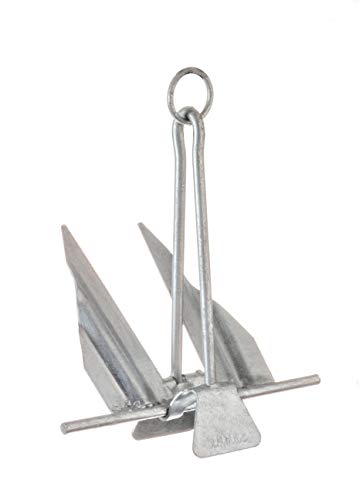
Strong tides demand dual anchor setups with your primary anchor upstream and a lighter stern anchor for stability. Position your boat at a 45-degree angle to current flow, allowing natural drift presentation while maintaining control. Slack water requires single-anchor positioning directly over structure, letting you fish vertically into holes and drop-offs where fish concentrate during calm periods.
Secure your boat with the Seachoice Utility Anchor. Its galvanized steel construction penetrates various seafloor types, and the slip ring simplifies retrieval if the anchor gets stuck.
Finding Productive Shore Fishing Spots
Rising tides make points and jetties prime territory as water pushes baitfish against structure. Target the down-current side where predators ambush prey swept by moving water. Falling tides shift focus to creek mouths and channel edges where outflowing water concentrates fish in predictable lanes. Look for visible current lines and foam patterns that reveal underwater structure.
Moving With the Tide for Continued Success
Follow the baitfish as tidal movement repositions schools throughout your fishing area. When incoming tide pushes schools shallow, move closer to shore structure. Outgoing flow requires repositioning toward deeper channel edges and drop-offs where retreating water funnels fish. Your mobility determines whether you’ll stay connected to active feeding zones or get left behind as conditions change.
Conclusion
Your success on the water ultimately depends on working with nature rather than against it. These seven tide-informed techniques give you the tools to predict fish behavior and position yourself where the action happens.
Remember that tides create predictable patterns in fish movement feeding behavior and bait positioning. By combining tide charts with moon phase knowledge and strategic positioning you’ll consistently find yourself in the right place at the right time.
Start implementing these techniques gradually on your next fishing trip. Focus on one or two methods until they become second nature then expand your tidal fishing toolkit. Your catch rates will improve as you develop this deeper understanding of how tides influence marine ecosystems.
Frequently Asked Questions
What are the best tidal conditions for fishing?
Incoming tides typically provide the most productive fishing conditions as rising water activates the entire food chain and increases fish activity. High tides create deeper channels for larger fish, while low tides expose structures that concentrate baitfish. The 2-3 hours around tide changes often produce the best results.
How do moon phases affect fishing success?
New and full moons create the strongest tidal movements, leading to enhanced fish activity. Plan fishing trips during the 3-4 days surrounding these lunar phases when tidal currents are at their peak. Spring tides during these periods offer the most dramatic water level changes and optimal fishing conditions.
What baits work best during different tidal stages?
Use heavy jigs and weighted baits during strong currents to maintain bottom contact. During slack tides, opt for natural baits like shrimp and worms for more realistic presentations. Match your lure action to water flow speed—aggressive retrieves in fast currents and subtle movements in slower water.
Where should I position myself during incoming tides?
Position near structures like rocks, jetties, and channel edges during rising water, as these areas attract baitfish and larger predators. Target shallow feeding areas where baitfish schools concentrate, and look for current breaks where fast-moving water meets slower areas for ambush opportunities.
What makes outgoing tides effective for fishing?
Outgoing tides funnel fish into concentrated feeding zones and create predictable fishing conditions. Position where water flows create natural ambush points, especially at creek mouths and channel edges. Track baitfish schools as they move toward deeper water and fish along their migration routes.
How should I fish during slack tide periods?
Target deeper drop-offs, channel edges, and submerged rocks where fish concentrate around structures. Slow your retrieve and use lighter jigs to match the lethargic feeding behavior of fish during calm water. Focus on deep water holding areas where fish seek stable temperature and oxygen levels.
What positioning techniques work best from shore?
Fish points and jetties during rising tides, and creek mouths during falling tides. Stay mobile and follow baitfish as they reposition with the tide. Cast parallel to current breaks and work bait along structure edges to maximize your chances of success.