
7 Best Insect Repellent Sprays for Beach Outings That Marine Experts Trust
Discover the 7 best insect repellents for beach days that offer powerful, water-resistant protection against mosquitoes and sand flies while keeping your family safe and marine ecosystems protected.
Nothing can ruin a perfect beach day faster than pesky insects buzzing around your picnic or leaving itchy bites on your skin. From mosquitoes and sand flies to ticks and no-see-ums, these unwelcome beach guests can transform your relaxing seaside retreat into an uncomfortable experience.
We’ve researched and tested dozens of insect repellents to bring you the seven most effective options specifically designed for beach environments. These top picks combine powerful protection with water-resistant formulas that won’t wash away with your first dip in the ocean.
Disclosure: As an Amazon Associate, this site earns from qualifying purchases. Thank you!
Why Insect Repellent Is Essential for Beach Outings
Common Beach Pests to Watch Out For
Beach trips often come with uninvited guests: mosquitoes, sand flies, and no-see-ums that thrive in coastal environments. These pests are most active during dawn and dusk, precisely when many beachgoers arrive or stay for sunset. Sand flies burrow in moist sand while mosquitoes breed in nearby standing water, creating perfect conditions for persistent swarms.
The Health Risks of Insect Bites at the Beach
Beyond the annoying itch, beach insects can transmit serious diseases like West Nile virus, dengue fever, and various forms of encephalitis. Salt marshes near beaches harbor disease-carrying mosquitoes, while sand fly bites can cause severe allergic reactions in sensitive individuals. The combination of exposed skin and outdoor activity makes beachgoers particularly vulnerable to multiple bites, increasing health risks substantially.
What to Look for in a Beach-Friendly Insect Repellent
When choosing an insect repellent for beach outings, you’ll need specific features to combat coastal pests while withstanding unique beach conditions. Here’s what to prioritize in your selection:
Water and Sweat Resistance Features
Look for repellents specifically labeled as water and sweat-resistant to maintain protection during beach activities. Products like Cutter’s Backwoods Dry (25% DEET) offer up to 10 hours of coverage even through sweat, rain, and brief ocean dips. Coleman SkinSmart provides approximately 6 hours of protection in high humidity and withstands perspiration without reapplication.
Shield yourself from disease-carrying mosquitoes, ticks, and other biting insects for up to 10 hours with this 25% DEET formula. The sweat-resistant, dry formula keeps you protected and comfortable while enjoying the outdoors.


Safe Ingredients for Marine Environments
Choose ocean-friendly formulations to protect marine ecosystems while keeping insects at bay. IR3535 (found in Coleman SkinSmart) effectively repels mosquitoes, ticks, and biting flies while being gentler on the environment than traditional chemicals. Picaridin-based repellents like Sawyer Products SP5432 offer another DEET-alternative that provides long-lasting protection with minimal environmental impact.
Repel insects for up to 8 hours with Coleman SkinSmart, a DEET-free formula that protects against mosquitoes, ticks, and other biting pests. This family-friendly spray is non-greasy, odorless, and features a rust-resistant can for easy application.

Application Methods and Convenience
Consider how you’ll apply your repellent during beach outings for maximum effectiveness. Spray formats like Coleman SkinSmart feature twist-lock nozzles to prevent leakage and non-greasy formulas that dry quickly on skin. For portability, evaluate bottle size and design—Sawyer’s dispensing pump is particularly user-friendly, while EarthKind’s Stay Away Mosquitoes comes in travel-friendly packaging that easily fits in beach bags or pockets.
Picaridin-Based Repellents: The Beach-Goer’s First Choice
Picaridin-based insect repellents have emerged as the top choice for beach enthusiasts seeking effective protection without the drawbacks of traditional options. These synthetic formulations derived from pepper plants provide long-lasting defense while offering user-friendly characteristics that perfectly complement beach activities.
Why Picaridin?
Picaridin repellents with 20% concentration deliver maximum protection, lasting up to 12 hours against mosquitoes and ticks. Unlike DEET, picaridin won’t damage your plastic beach toys, sunglasses, or synthetic swimwear. It also features a minimal odor profile, making it more pleasant to wear during your beach outings. The non-greasy formula won’t leave your skin feeling sticky or uncomfortable under the hot sun.
Effectiveness Against Sand Flies and Mosquitoes
Picaridin excels at repelling beach pests, providing up to 12 hours of mosquito protection in spray form and up to 14 hours in lotion formulations. It effectively deters sand flies and other biting insects for up to 8 hours, making it ideal for all-day beach adventures. The consistent protection works even during dawn and dusk when insect activity typically peaks at coastal areas.
Recommended Picaridin Products for Beach Use
Natrapel Picaridin Tick & Insect Repellent Eco-Spray offers long-lasting protection without constant reapplication, perfect for extended beach days. Sawyer Picaridin Insect Repellent has become a favorite among outdoor enthusiasts for its reliable performance during backcountry camping and casual beach visits alike. For maximum effectiveness, look for products featuring 20% picaridin concentration available in both spray and lotion formats to suit your application preference.
Repel insects for up to 12 hours with Sawyer Picaridin Insect Repellent. This effective, fragrance-free formula is safe for the whole family and won't damage clothing or gear.

DEET Formulations That Stand Up to Coastal Conditions
DEET remains the gold standard for insect repellents, especially in challenging coastal environments where biting insects can quickly ruin your beach day. Its proven effectiveness against a wide range of insects makes it a top choice for beachgoers seeking reliable protection.
High-Performance DEET Options for Extended Protection
Controlled-release DEET formulations offer superior protection for lengthy beach outings. These specialized 20-30% DEET products provide up to 12 hours of continuous coverage, eliminating the need for frequent reapplication during extended seaside activities. They’re particularly valuable when you’re swimming, surfing, or playing beach sports where stopping to reapply isn’t practical.
Finding the Right DEET Concentration for Your Needs
Different DEET concentrations serve specific protection needs at the beach. A 10% formula provides about 2 hours of coverage for quick beach visits, while 20-30% concentrations deliver 4-10 hours of protection ideal for most beach days. For maximum defense in heavily infested coastal areas, 50% DEET formulations offer extended protection without damaging gear like sunglasses or beach equipment.
Natural and Plant-Based Repellents for Sensitive Skin
For beach-goers with sensitive skin or those who prefer eco-friendly options, natural and plant-based insect repellents offer effective protection without harsh chemicals.
Lemon Eucalyptus Formulations That Actually Work
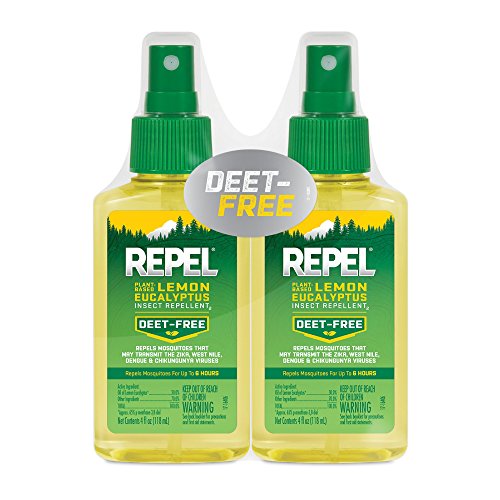
Lemon eucalyptus oil stands out as the most effective natural insect repellent, recognized by the EPA for its protective qualities. Products containing at least 30% oil of lemon eucalyptus (OLE), like Repel Lemon Eucalyptus Insect Repellent, provide several hours of protection against beach pests. Though requiring more frequent application than chemical alternatives, these formulations are gentler on sensitive skin while still delivering reliable defense against mosquitoes and sand flies.
Repel Plant-Based Insect Repellent protects you from mosquitoes for up to 6 hours with a refreshing, DEET-free formula. Made with oil of lemon eucalyptus, it repels mosquitoes without feeling greasy or sticky on your skin.
Botanical Blends for Chemical-Free Protection
Botanical-based repellents combine natural ingredients like citronella, lemongrass, and geraniol to create chemical-free protection ideal for sensitive skin. While these blends require more frequent application—typically every 1-2 hours during beach outings—they offer a non-irritating alternative to synthetic options. Look for concentrated formulations with multiple plant extracts for maximum effectiveness, particularly for shorter beach visits or when combined with protective clothing.
Family-Friendly Insect Repellents for Beach Vacations
When planning beach trips with the entire family, finding effective insect protection that’s safe for everyone becomes a top priority. These family-friendly options offer the perfect balance of effectiveness and safety for your coastal adventures.
Kid-Safe Options with Proper Protection
Coleman SkinSmart uses IR3535, a DEET-free active ingredient that provides up to 8 hours of protection against mosquitoes and ticks. Natrapel and Sawyer’s Picaridin formulations offer excellent alternatives for children, delivering powerful protection without DEET’s harsh properties. For younger children especially, these Picaridin-based options provide safe, effective coverage without damaging plastic beach toys or gear.
Easy-Application Products for Quick Coverage
Look for products with convenient application methods like Sawyer Picaridin’s user-friendly spray or Boots Repel Maximum‘s roll-on design for mess-free application. Coleman SkinSmart features a twist-lock nozzle that prevents leakage in beach bags while still offering quick coverage. These easy-application formats ensure you can quickly protect your family before beach activities without sticky residue or lengthy drying times—perfect for impatient kids eager to hit the sand.
Get long-lasting, 10-hour protection from mosquitoes, ticks, and other biting insects with Repel 100 Insect Repellent. Its 98% DEET formula is ideal for heavily infested areas, and the aerosol spray is perfect for travel.

Combination Sunscreen and Insect Repellent Products
Benefits and Limitations of Dual-Purpose Products
Dual-purpose products offer undeniable convenience for beachgoers by combining sun protection and insect repellency in one application. You’ll save valuable time and reduce packing bulk with these 2-in-1 solutions. However, these combinations often compromise effectiveness—sunscreen typically requires reapplication every 2 hours while insect repellents can last 6+ hours. Many users also report increased skin irritation with combined formulations, particularly in hot, humid beach conditions.
Top Performers in the Combination Category
When selecting combination products, look for stable ingredient pairings like zinc oxide with picaridin or IR3535. These formulations maintain effectiveness better than products with chemical sunscreens and DEET. While specific top performers aren’t extensively documented, user reviews suggest products with physical sunblocks perform more consistently. Many experts still recommend using separate specialized products for optimal protection—applying sunscreen first, allowing it to dry, then following with insect repellent for maximum effectiveness.
How to Properly Apply Insect Repellent at the Beach
Protecting yourself from pesky insects doesn’t have to ruin your beach day. With the right repellent and proper application you’ll enjoy uninterrupted fun in the sun. Remember to apply your chosen spray to all exposed skin about 15-20 minutes before heading outdoors. Don’t forget often-missed spots like ears ankles and the back of your neck.
For maximum effectiveness reapply after swimming or excessive sweating even with water-resistant formulas. If you’re using sunscreen apply it first then wait for it to absorb before adding your insect repellent.
Whether you choose DEET Picaridin or natural alternatives the best insect repellent is the one you’ll actually use consistently. Pack your favorite option in your beach bag alongside your sunscreen and towel for worry-free beach outings all season long.
Frequently Asked Questions
What are the most common insects that bother people at the beach?
Mosquitoes and sand flies are the most common pests at beaches. These insects thrive in coastal environments and are particularly active during dawn and dusk. They can quickly turn a relaxing beach day into an uncomfortable experience, leaving you with itchy bites and potential health risks.
Why do I need a special insect repellent for the beach?
Beach-specific insect repellents are formulated to be water and sweat resistant, maintaining their effectiveness during swimming and beach activities. Regular repellents may wash off quickly in water or with perspiration. Beach-friendly repellents also often include ocean-safe ingredients that won’t harm marine ecosystems when they inevitably wash off your skin.
What is Picaridin and why is it good for beach use?
Picaridin is a pepper plant-derived repellent that offers up to 12 hours of protection against mosquitoes and ticks. It’s ideal for beach use because it has minimal odor, feels non-greasy on skin, and doesn’t damage plastic items like beach toys or sunglasses. It’s particularly effective against sand flies and mosquitoes commonly found at beaches.
How long does DEET repellent last at the beach?
DEET longevity depends on concentration: 10% formulas last 1-2 hours, 20-30% concentrations provide 4-10 hours of protection, and 50% formulations can last up to 12 hours. Controlled-release DEET products are especially effective for long beach days, maintaining protection through swimming and sweating with fewer reapplications needed.
Are natural insect repellents effective at the beach?
Oil of lemon eucalyptus (OLE) is the most effective natural repellent, with products containing at least 30% OLE providing several hours of protection. While natural options generally require more frequent reapplication than chemical alternatives, they’re gentler on sensitive skin and environmentally friendly. They work best for shorter beach visits or when paired with protective clothing.
Can I use insect repellent on my children at the beach?
Yes, but choose family-friendly formulations specifically. Products with IR3535 (like Coleman SkinSmart) and Picaridin formulations from brands like Natrapel and Sawyer are considered safe for children when used as directed. Always avoid applying to children’s hands, and use lower concentrations for young children. Follow age restrictions on product labels.
Should I use combination sunscreen-insect repellent products?
While convenient, combination products have limitations. They may offer compromised effectiveness of both the repellent and sunscreen components, and can potentially cause skin irritation in hot, humid beach conditions. For optimal protection, consider using separate specialized products, applying sunscreen first and allowing it to dry before applying insect repellent.
What ingredients should I look for in beach-friendly insect repellents?
Look for water-resistant formulations containing Picaridin, IR3535, or controlled-release DEET (20-30%). Ocean-friendly options include Picaridin and IR3535, which are effective against beach pests while being safer for marine ecosystems. For sensitive skin, consider products with oil of lemon eucalyptus or botanical blends containing citronella, lemongrass, and geraniol.
