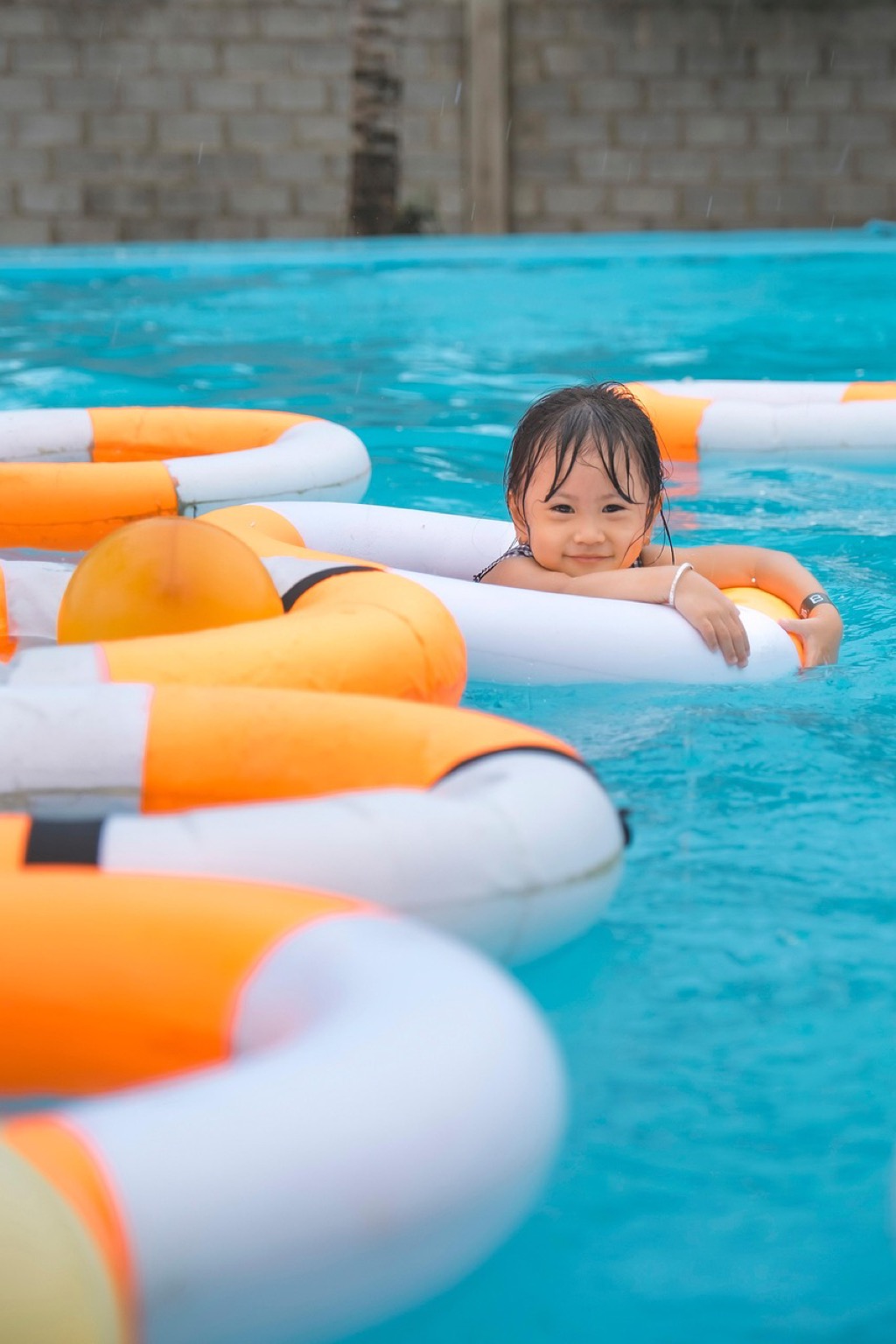
7 Water Safety Conversation Starters for Families That Every Parent Should Know
Discover 7 essential water safety conversation starters to protect your family. Learn age-appropriate tips for pools, beaches & emergency response without creating fear.
Why it matters: Water-related accidents remain one of the leading causes of injury-related death in children, yet many families struggle to discuss water safety in ways that don’t frighten kids. You need practical conversation starters that engage your children while building crucial safety awareness around pools, beaches and bathtubs.
The big picture: These seven evidence-based discussion topics help you create ongoing water safety dialogue with your family members of all ages. You’ll discover how to turn everyday moments into teachable opportunities that could save lives.
Disclosure: As an Amazon Associate, this site earns from qualifying purchases. Thank you!
Start With Age-Appropriate Swimming Basics
Building strong swimming foundations gives you natural entry points for water safety discussions with your children.
Discuss Different Swimming Strokes and Techniques
Start with basic floating and treading water before moving to formal strokes. Floating builds confidence while treading water develops essential survival skills. Introduce freestyle first since it’s most intuitive, then backstroke for breathing ease. Butterfly and breaststroke can wait until technique fundamentals are solid.
Explain Water Depth Awareness and Comfort Levels
Teach children to always check depth before entering any water. Use pool markers and their own height as reference points – “This shallow end reaches your chest.” Practice transitioning from standing to swimming depth together. Never assume they understand depth changes in natural water where currents and terrain shift constantly.
Address Fear of Water in a Supportive Way
Acknowledge their fear without dismissing it – water deserves respect, not terror. Start with shallow, warm water where they can stand comfortably and control their experience. Let them splash and play at their pace while you stay within arm’s reach. Fear often dissolves naturally through positive, pressure-free water exposure.
Establish Clear Pool and Beach Rules Together
Creating a unified approach to water safety rules prevents confusion and builds consistent expectations across all water environments. Family-created guidelines ensure everyone understands their role in maintaining safety.
Create Family Water Safety Guidelines
Involve everyone in writing down your family’s non-negotiable water rules. Post these guidelines where they’re visible – poolside, in beach bags, or on your phone. Include basics like “no running on wet surfaces” and “always tell an adult before entering water.”
Your rules should cover entry procedures, emergency signals, and buddy system requirements. Update them seasonally as kids develop new skills and confidence levels.
Discuss Designated Swimming Areas and Boundaries
Clearly mark where swimming is allowed versus off-limits zones. Use visual markers like pool noodles or beach flags to establish boundaries that younger children can easily identify. Explain why certain areas like diving wells or riptide zones require different rules.
Walk the perimeter together and point out hazards like drain covers, rocky areas, or strong currents. This hands-on approach helps kids understand geography affects safety decisions.
Set Expectations for Adult Supervision Requirements
Define what “adult supervision” actually means in your family’s water activities. Specify whether one adult can watch multiple children, or if each child needs dedicated attention based on their swimming ability. Clarify when lifeguards supplement but don’t replace parental oversight.
Rotate supervision duties during group activities so no adult becomes distracted or fatigued. Establish clear hand-off procedures when supervision changes between family members.
Explore Emergency Response and Rescue Techniques
Teaching your family about emergency response builds the confidence needed to act decisively when seconds count. These conversations transform bystanders into potential lifesavers who can respond effectively until professional help arrives.
Teach Basic Water Rescue Methods
Reach-throw-go techniques form the foundation of safe water rescue. Demonstrate how to extend a pool noodle, towel, or branch to someone in distress rather than jumping into dangerous situations. Practice throwing rope, life rings, or even a cooler to create flotation assistance while staying safely on shore or pool deck.
Practice Calling for Help and Emergency Procedures
Role-play emergency scenarios using your actual phone to dial 911 and practice clear location descriptions. Teach kids to shout “Help! Drowning!” rather than just screaming, since specific words cut through background noise better. Time your family’s response to mock emergencies so everyone knows their role and can act without hesitation.
Demonstrate Proper Use of Life Jackets and Flotation Devices
Show proper life jacket fitting by checking that two fingers fit snugly under the shoulder straps when lifted. Let kids practice putting on Coast Guard-approved vests independently since emergencies don’t wait for adult assistance. Test flotation devices in shallow water so your family understands how each device affects movement and positioning in the water.
Discuss Real-Life Water Safety Scenarios
Real-world situations teach water safety lessons more effectively than abstract rules. Creating concrete scenarios helps families practice decision-making before they face actual emergencies.
Role-Play Different Water Emergency Situations
Practice specific emergency responses through family role-playing sessions. Have your children demonstrate calling 911, throwing a flotation device, and alerting nearby adults.
Create realistic scenarios like “someone goes underwater and doesn’t come up” or “a swimmer gets caught in a current.” These practice sessions build muscle memory for crisis situations.
Share Age-Appropriate Water Safety Stories
Tell stories that match your child’s developmental stage without creating unnecessary fear. Younger children respond to stories about “water helpers” who follow safety rules.
Use positive examples of children who made smart water safety decisions. Share stories about kids who stayed in shallow water, asked for help, or waited for adult permission before swimming.
Address What to Do When Swimming Alone vs. With Others
Establish clear “never alone” policies for different water environments. Pool rules might allow supervised solo swimming, while open water requires the buddy system.
Teach situational awareness for group swimming scenarios. Your children should know how to keep track of swimming partners and recognize when someone needs help during group activities.
Address Sun Protection and Weather Awareness
Water safety extends beyond the water itself. Sun exposure and changing weather conditions create additional risks that require proactive family discussions.
Discuss Sunscreen Application and Reapplication
Teach your children the “two-finger rule” for sunscreen application – use two fingers’ worth of product for face and neck coverage. Show them how to apply 30 minutes before water exposure and reapply every two hours or immediately after swimming. Make sunscreen application a non-negotiable family routine before any water activity.
Explain Weather Conditions That Affect Water Safety
Lightning poses the greatest weather-related water danger – establish your family’s “30-30 rule” where everyone exits water when thunder occurs within 30 seconds of lightning. Discuss how wind creates waves and currents that change swimming conditions rapidly. Teach children to recognize darkening skies and sudden temperature drops as signals to leave the water.
Teach Recognition of Dangerous Water Conditions
Show your children how to identify rip currents by looking for channels of churning debris or discolored water moving away from shore. Demonstrate how to spot areas where waves aren’t breaking normally. Explain that murky water often indicates contamination or strong currents that make swimming dangerous.
Create a Family Water Safety Action Plan
Building effective water safety habits requires more than just conversations—you need a concrete plan that every family member can follow. Your family’s water safety action plan transforms those important discussions into practical steps that protect everyone during water activities.
Establish Buddy System Rules and Responsibilities
Assign specific buddy partnerships that match swimming abilities and ages appropriately. Older children should pair with younger siblings, while adults rotate buddy responsibilities during group activities.
Define clear buddy check procedures including visual contact every 30 seconds and verbal check-ins every few minutes. Your buddies must stay within arm’s reach of each other in unfamiliar water environments.
Develop Emergency Contact Information and Procedures
Create waterproof emergency cards containing local emergency numbers, nearby hospital locations, and family contact information. Keep these cards in pool areas, beach bags, and first aid kits.
Establish communication protocols for different emergency scenarios, including who calls 911, who provides first aid, and who manages other children. Practice these roles regularly so everyone knows their specific responsibilities.
Practice Regular Safety Drills and Check-Ins
Schedule monthly water safety practice sessions that include rescue techniques, emergency calling procedures, and buddy system protocols. Use these sessions to review and update your family’s safety rules.
Implement pre-swim safety check-ins where each family member confirms they understand current water conditions, emergency procedures, and their assigned buddy. These brief conversations reinforce safety awareness before every water activity.
Make Water Safety Education Fun and Ongoing
Consistent water safety education works best when it doesn’t feel like a lecture. You’ll see better retention and engagement when safety lessons become part of your family’s regular routine rather than one-time conversations.
Incorporate Games and Activities Into Safety Learning
Turn water safety skills into interactive challenges that kids actually want to repeat. Practice rescue throws using pool noodles as targets or time how long everyone can float on their backs. Create “safety scavenger hunts” where children identify potential hazards around pools or beaches and earn points for spotting risks before adults do.
Schedule Regular Family Water Safety Refreshers
Set monthly water safety check-ins just like you would schedule any other important family activity. Review your emergency action plan before each swimming season and practice rescue techniques when you’re not in crisis mode. These 15-minute sessions work better than hour-long safety marathons that overwhelm younger children.
Celebrate Water Safety Milestones and Achievements
Acknowledge when family members demonstrate good safety judgment or master new skills. Create a family water safety chart where everyone earns recognition for following rules, helping others, or successfully completing safety challenges. Small rewards like choosing the next family pool game make safety feel positive rather than restrictive.
Conclusion
These seven conversation starters give you the foundation to build lifelong water safety habits with your family. You’ll find that regular discussions create natural opportunities for reinforcing critical safety skills without overwhelming your children.
Remember that water safety education isn’t a one-time conversation—it’s an ongoing dialogue that evolves as your family grows. The key is making these discussions part of your routine so your children develop strong safety instincts naturally.
Start implementing these conversation starters today and watch as your family’s confidence around water grows alongside their safety awareness. Your proactive approach to water safety education could make all the difference when it matters most.
Frequently Asked Questions
What age should I start discussing water safety with my child?
Water safety discussions should begin as early as possible, even with toddlers. Start with simple, age-appropriate concepts and gradually build upon them as your child grows. The key is making these conversations ongoing rather than one-time events, using everyday moments as teaching opportunities.
How can I teach water safety without scaring my child?
Focus on positive reinforcement and practical skills rather than fear-based messaging. Use encouraging language, practice safety techniques through games and role-play, and create a supportive environment where children feel comfortable asking questions about water safety.
What are the most important water safety rules for families?
Essential rules include never swimming alone, always telling an adult before entering water, no running on wet surfaces, checking water depth before entering, staying within designated swimming areas, and ensuring proper adult supervision at all times.
How do I help my child overcome their fear of water?
Acknowledge your child’s fears as valid and provide gentle, pressure-free exposure to water in safe environments. Start with shallow water activities, use positive reinforcement, and consider professional swimming lessons to build confidence gradually.
What should be included in a Family Water Safety Action Plan?
Your plan should include buddy system rules, emergency contact information, designated swimming areas, supervision responsibilities, pre-swim safety check-ins, regular safety drills, and clear procedures for different water environments like pools, beaches, and lakes.
How often should we practice water safety skills?
Schedule regular family water safety refreshers throughout the swimming season. Practice emergency procedures, review safety rules before each water activity, and conduct safety drills in non-crisis settings to build muscle memory and confidence.
What emergency techniques should children learn?
Children should learn basic water rescue methods like reach-throw-go techniques, how to call for help effectively, proper use of flotation devices, and how to respond to common water emergencies. Practice these skills through role-playing scenarios.
How can I make water safety education fun for kids?
Incorporate games, challenges, and interactive activities into safety learning. Use storytelling with age-appropriate scenarios, celebrate safety milestones, and turn safety practice into family bonding time rather than boring lectures.