Pro Swimmers’ Top 5 Lap Swimming Distraction Tips
Master your pool focus with 5 proven strategies for distraction-free lap swimming. Learn equipment tips, breathing techniques, and pool etiquette for better workouts.
The bottom line: Distractions can turn your focused lap swimming session into a frustrating workout where you lose count and break rhythm.
Why it matters: Managing pool distractions effectively helps you maintain consistent stroke technique and achieve your fitness goals faster.
What’s next: These five proven strategies will help you stay mentally locked in during every swim session so you can maximize your time in the water.
Disclosure: As an Amazon Associate, this site earns from qualifying purchases. Thank you!
Choose the Right Swimming Time and Pool Location
Timing and location decisions make or break your lap swimming focus. The right environment sets you up for distraction-free sessions from the moment you dive in.
Select Off-Peak Hours for Fewer Crowds
Early morning sessions between 6-8 AM offer the quietest pool conditions. Most recreational swimmers haven’t arrived yet, leaving you with clear lanes and minimal splashing distractions. Late evening hours after 8 PM also provide excellent opportunities for focused training, though you’ll need to check your pool’s operating schedule first.
Find Pools with Designated Lap Swimming Lanes
Dedicated lap lanes eliminate the guesswork of sharing space with casual swimmers. Look for facilities that rope off specific lanes during peak hours or maintain permanent lap swimming areas. Many community centers and fitness clubs designate 2-4 lanes exclusively for serious swimmers, creating a more structured environment that naturally reduces interruptions.
Consider Indoor vs Outdoor Pool Environments
Indoor pools shield you from weather-related distractions like wind and glare. You’ll maintain consistent water temperature and lighting conditions that support steady rhythm and stroke technique. Outdoor pools offer natural scenery that some swimmers find calming, but sun glare and temperature fluctuations can disrupt your mental focus during longer sessions.
Create a Pre-Swim Mental Preparation Routine
Building on your strategic pool timing and location choices, developing a consistent mental preparation routine transforms your mindset before you even touch the water. This mental framework becomes your anchor for maintaining focus throughout your entire swimming session.
Set Clear Swimming Goals Before Entering the Pool
Establishing specific objectives for each swim session creates a mental roadmap that keeps distractions at bay. Write down your goals on your phone or swim log – whether it’s completing 30 laps, improving your stroke count, or maintaining a steady pace for 20 minutes.
Your goals should be measurable and achievable for that particular day. Consider factors like your energy level, available time, and recent training intensity when setting these targets.
Practice Deep Breathing and Visualization Techniques
Controlled breathing exercises activate your parasympathetic nervous system and center your mind before entering the pool. Spend 2-3 minutes taking slow, deep breaths while visualizing yourself executing smooth, efficient strokes.
Picture yourself gliding through the water with perfect form and consistent rhythm. This mental rehearsal primes your brain for the physical movements you’ll perform, creating neural pathways that support focused swimming.
Establish a Consistent Warm-Up Sequence
Developing a standardized warm-up routine signals to your brain that it’s time to transition into focused swimming mode. Start with 5-10 minutes of light stretching on deck, followed by gentle arm circles and shoulder rolls.
Your warm-up sequence should include the same movements in the same order every time. This consistency creates a mental trigger that helps your mind shift away from external distractions and toward the task at hand.
Use Strategic Swimming Equipment to Maintain Focus
The right swimming gear acts as your personal barrier against distractions, creating a controlled environment that keeps your mind locked on your stroke count and breathing rhythm.
Select Proper Goggles to Minimize Visual Distractions
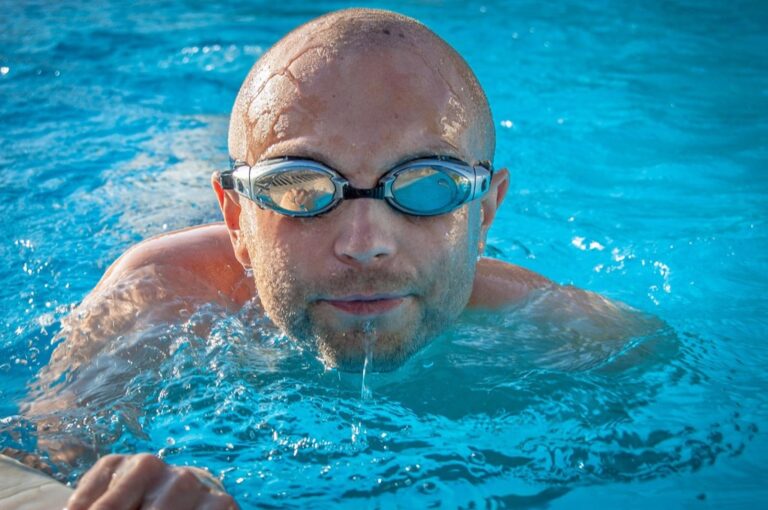
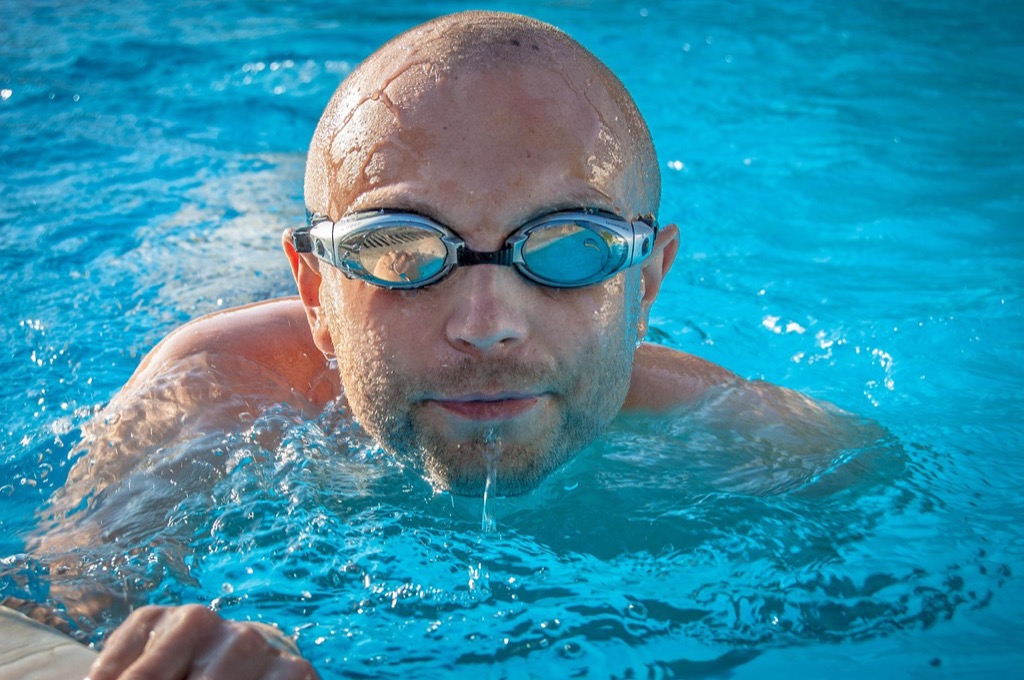
Clear, comfortable goggles eliminate underwater visual chaos that breaks your concentration. Anti-fog lenses with UV protection keep your vision sharp throughout long sessions. Choose darker tints for bright outdoor pools or clear lenses for dimly lit indoor facilities to maintain consistent visual focus on lane lines and pool markers.
Consider Underwater MP3 Players for Rhythm and Focus
Waterproof MP3 players create an audio cocoon that blocks pool noise while maintaining your stroke tempo. These devices eliminate conversations, splashing sounds, and facility announcements that typically interrupt your mental flow. Select playlists with consistent beats per minute that match your desired stroke rate for sustained rhythmic swimming.
Use Swim Caps to Reduce Hair and Water Interference
Quality swim caps eliminate the constant distraction of hair floating across your vision and water entering your ears. Silicone caps provide the best seal while latex options offer a tighter fit for competitive swimmers. This simple barrier keeps your sensory focus on technique rather than managing loose hair or uncomfortable water sensations.
Develop Mindful Swimming Techniques and Breathing Patterns
Building on your preparation and equipment choices, mindful swimming transforms your physical movements into mental anchors that keep distractions at bay.
Focus on Stroke Counting and Rhythm Consistency
Counting strokes per length creates a meditative focal point that naturally blocks external distractions. Start by counting your strokes for one complete length, then maintain that number throughout your session.
This technique forces your mind to stay present with each movement. When pool noise or visual distractions compete for attention, return your focus to the count and rhythm of your strokes.
Practice Bilateral Breathing to Stay Centered
Bilateral breathing every three strokes creates balanced oxygen flow and prevents you from fixating on one side of the pool. This technique reduces visual distractions by limiting how often you turn toward busy pool decks.
The consistent breathing pattern also serves as a mental metronome. Your breath becomes the steady rhythm that drowns out irregular pool sounds and keeps your mind centered on technique rather than surroundings.
Use Meditation Techniques During Swimming
Swimming meditation combines repetitive movement with focused breathing to create a trance-like state that naturally filters distractions. Focus on the sensation of water flowing over your body with each stroke.
Practice body scanning while swimming by mentally checking each muscle group as you move through the water. This internal focus creates a barrier against external interruptions and transforms your lap session into moving meditation.
Establish Clear Pool Etiquette and Communication Strategies
Good pool etiquette forms the foundation of distraction-free lap swimming. When everyone follows established protocols you’ll find yourself in a more predictable environment where focus comes naturally.
Learn Proper Lane Sharing and Passing Protocols
Circle swimming is your key to smooth lane flow. Stay to the right side of your lane and swim counterclockwise when sharing with others. Tap the feet of slower swimmers gently at the wall before passing to signal your intention without startling them or disrupting their rhythm.
Use Non-Verbal Communication with Other Swimmers
Eye contact and simple gestures prevent most pool conflicts. Point to indicate which direction you’re swimming when entering a shared lane. Hold up fingers at the wall to show how many lengths you have remaining so others can plan their sets accordingly.
Handle Interruptions and Pool Disruptions Gracefully
Stay flexible when disruptions happen despite your best planning. Move to another lane quickly when maintenance begins or switch to a different stroke if crowding increases. Accept that some interruptions are unavoidable and use them as natural rest periods rather than letting frustration derail your entire workout.
Conclusion
Transforming your lap swimming sessions from distracted workouts into focused training requires consistent application of these proven strategies. When you combine the right timing and environment with proper mental preparation you’ll notice immediate improvements in your concentration levels.
Remember that mastering distraction management is a skill that develops over time. Start by implementing one or two techniques that resonate most with you then gradually incorporate the others as they become natural habits.
Your swimming sessions will become more productive and enjoyable when you take control of your focus. These strategies don’t just improve your workoutsâthey enhance your overall relationship with the water and help you achieve your fitness goals faster.
Frequently Asked Questions
How do distractions affect lap swimming performance?
Distractions can significantly disrupt your focus and hinder workout effectiveness during lap swimming. They break your concentration, leading to poor stroke technique, inconsistent breathing patterns, and reduced training intensity. When your mind wanders, you’re less likely to maintain proper form and achieve your fitness goals efficiently.
What’s the best time to swim laps to avoid distractions?
The best time for distraction-free lap swimming is during off-peak hours, typically early morning or late evening. These times offer quieter pool conditions with fewer swimmers. Choose pools with designated lap lanes and consider indoor facilities over outdoor ones for a more controlled, less distracting environment.
How can I mentally prepare before swimming to improve focus?
Create a pre-swim routine that includes setting clear, measurable goals for your session. Practice deep breathing exercises and visualization techniques to center your mind. Establish a consistent warm-up sequence that signals your brain it’s time to focus, helping you transition smoothly into productive swimming.
What swimming equipment helps maintain focus during lap sessions?
Essential focus-enhancing equipment includes well-fitting goggles to minimize visual distractions, underwater MP3 players to block pool noise and maintain stroke tempo, and swim caps to reduce hair and water interference. The right gear acts as a barrier against distractions, helping you concentrate on technique.
What are effective mindful swimming techniques for better concentration?
Practice stroke counting to create a meditative focal point that blocks external distractions. Use bilateral breathing every three strokes for balanced oxygen flow and reduced visual distractions. Transform your swimming into moving meditation by combining repetitive movement with focused breathing patterns to filter out surrounding noise.
How should I handle lane sharing and pool etiquette to minimize distractions?
Follow proper circle swimming patterns and signal your intentions through gentle taps when passing. Use non-verbal communication like eye contact and gestures to prevent conflicts in shared lanes. Handle interruptions gracefully by staying flexible and viewing disruptions as natural rest periods rather than sources of frustration.
Can breathing patterns help reduce distractions while swimming?
Yes, consistent breathing patterns are crucial for maintaining focus. Bilateral breathing every three strokes promotes balanced oxygen flow and reduces the tendency to get distracted by busy pool decks. Regular breathing rhythms create a meditative state that helps filter out external distractions naturally.
How do I set effective goals for focused lap swimming sessions?
Set clear, measurable goals before each session, such as swimming a specific distance, maintaining a target stroke count, or achieving consistent lap times. Having a mental roadmap helps maintain concentration throughout your workout and provides motivation to stay focused on your technique and performance.