5 Things to Know: Fishing Rights in Public Lakes That Protect You
Navigate public lake fishing with confidence! Learn essential licensing, catch limits, access rules, and regulations to avoid fines and fish responsibly.
You might think public lakes mean free fishing for everyone, but the reality is more complex than casting a line and hoping for the best.
Why it matters: Understanding fishing rights in public waters can save you from hefty fines and legal headaches while ensuring you’re fishing responsibly within the law.
The big picture: From licensing requirements to access restrictions, navigating public lake fishing regulations requires knowing the rules that govern these shared waterways.
Disclosure: As an Amazon Associate, this site earns from qualifying purchases. Thank you!
Understanding Public Lake Fishing Rights and Regulations
Public lake fishing rights operate within a complex web of overlapping jurisdictions that can catch even experienced anglers off guard. You’ll need to navigate federal, state, and local regulations that often layer additional restrictions on top of basic licensing requirements.
Federal vs State Jurisdiction
Federal agencies manage interstate waters and federally-owned lakes, while states control most public fishing regulations within their boundaries. You’ll encounter federal oversight on waters crossing state lines or located on federal lands like national forests. State fish and wildlife departments issue your fishing license and set species limits, seasons, and general regulations for their waters.
Local Municipality Rules and Ordinances
Cities and counties add their own fishing restrictions beyond state requirements, particularly around developed shorelines and recreational areas. You might face local bans on night fishing, specific bait restrictions, or designated fishing-only zones that prohibit swimming. Some municipalities require separate permits for organized fishing events or tournaments on their public waters.
Seasonal Restrictions and Closures
Spawning seasons trigger the most restrictive closures you’ll encounter on public lakes, typically affecting bass, trout, and walleye during spring months. You’ll find winter closures on some northern lakes due to ice safety concerns or wildlife protection. Emergency closures can happen year-round due to water quality issues, construction projects, or endangered species protection.
Obtaining Required Fishing Licenses and Permits
You’ll need proper documentation before casting your line into any public lake. Understanding licensing requirements prevents costly fines and ensures you’re fishing legally across different jurisdictions.
State Fishing License Requirements
Every angler over 16 needs a valid state fishing license to fish public lakes. You must purchase your license from the state where you’re fishing, not your home state. Licenses cost $15-$50 annually and require valid identification. Some states offer short-term tourist licenses for visitors.
Special Permits for Specific Fish Species
Certain fish species require additional permits beyond your basic fishing license. Trout stamps cost $5-$15 extra in most states with cold-water fisheries. Salmon permits, king mackerel stamps, and muskie endorsements protect specific populations. Check species-specific requirements before targeting trophy fish.
Age Exemptions and Reduced Fee Categories
Children under 16 fish license-free in most states, though some require supervised fishing with licensed adults. Seniors over 65 often qualify for reduced fees or lifetime licenses. Active military members, disabled veterans, and low-income residents receive discounts in many jurisdictions. Proof of eligibility is always required.
Recognizing Catch Limits and Size Restrictions
Understanding catch limits and size restrictions protects fish populations while keeping you within legal boundaries. These regulations vary significantly between species and locations, making them crucial to verify before you cast your line.
Daily Bag Limits by Fish Species
Daily bag limits specify how many fish you can keep per day per species. Bass limits typically range from 5-10 fish daily, while trout limits often restrict you to 2-5 fish. Panfish like bluegill usually allow 15-25 fish, but catfish limits vary from 5-20 depending on your state’s regulations.
Minimum and Maximum Size Requirements
Size restrictions ensure fish reach reproductive maturity before harvest. Bass must typically measure 12-15 inches minimum, while some lakes impose 18-22 inch maximum limits to protect breeding stock. Trout requirements range from 8-12 inches minimum, and walleye often require 15-18 inch minimums with slot limits protecting mid-size spawners.
Possession Limits and Transportation Rules
Possession limits control total fish you can have at any time, including frozen or stored catches. Most states set possession limits at twice the daily bag limit, meaning if you can catch 5 bass daily, you can possess 10 total. Transportation requires fish remain identifiable by species, and filleted fish must retain skin patches for identification during inspections.
Identifying Designated Fishing Areas and Access Points
You’ll need to locate specific entry points and understand access regulations before casting your line. Most public lakes have designated areas that balance angler access with environmental protection and safety requirements.
Public Boat Launch Locations
Check state park websites and local DNR resources for current boat ramp conditions and fees. Most public launches require daily parking fees ranging from $5-15, with some offering annual passes for frequent users. Popular launches fill quickly during peak fishing seasons, so arrive early morning or consider weekday trips for better access.
Shore Access and Parking Regulations
Shore fishing areas often have specific parking time limits and designated zones for different activities. Many lakes restrict overnight parking and require permits for extended stays. Some areas close certain sections during waterfowl nesting seasons, typically March through July, so verify current access maps before your trip.
Restricted Zones and Protected Areas
Swimming beaches, boat channels, and wildlife refuges are typically off-limits to fishing activities. Look for clearly marked buoys and signs indicating no-fishing zones around dam structures, intake pipes, and nesting areas. Violating these restrictions can result in fines exceeding $200, plus potential wildlife harassment charges in protected habitats.
Following Proper Fishing Methods and Equipment Rules
Public lakes often have specific equipment regulations that differ from private waters. Understanding these rules prevents costly violations and protects fish populations.
Allowed Fishing Gear and Tackle Restrictions
Rod and reel combinations are universally permitted on public lakes, but some restrict the number you can use simultaneously. Most states limit anglers to 2-3 active lines per person.
Trotlines and limblines face frequent bans on public waters due to safety concerns. Net fishing requires special permits and is often prohibited entirely. Spear fishing restrictions vary by species and season, with many lakes banning it completely.
Bait and Lure Regulations
Live bait restrictions protect native species from invasive introductions. Many lakes prohibit live fish as bait or require certified bait dealers only.
Artificial lures face fewer restrictions but some lakes ban treble hooks during spawning seasons. Scented baits and prepared baits like PowerBait remain widely accepted. Worm and insect baits typically have no restrictions, making them the safest choice for compliance.
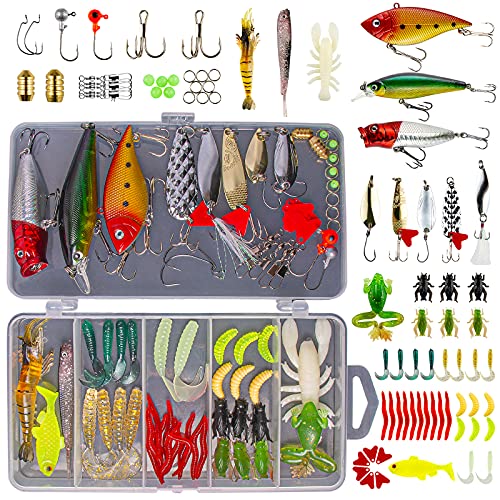
Catch more fish with this versatile lure kit. It includes a variety of realistic lures and durable tackle, conveniently organized in a portable box.

Boat Operation and Safety Requirements
Personal flotation devices must be Coast Guard-approved and accessible for every person aboard. Children under 13 typically must wear them at all times.
Stay safe on the water with this U.S. Coast Guard-approved throwable flotation cushion. Its durable nylon shell and bright red color ensure visibility and reliable performance in emergencies.

Motor restrictions vary significantly, with some lakes limiting horsepower or requiring electric-only operation. Wake restrictions apply near shorelines and in narrow channels. Registration requirements mandate current state registration and visible numbers on all motorized watercraft.
Conclusion
Understanding fishing rights in public lakes protects you from costly violations while ensuring sustainable fishing practices for future generations. These regulations aren’t just bureaucratic hurdlesâthey’re essential tools for maintaining healthy fish populations and safe waterways.
Your success on the water depends on doing your homework before you cast your first line. Take time to research current regulations check access requirements and verify your licensing status. This preparation transforms potentially confusing legal requirements into manageable steps that enhance your fishing experience.
Remember that fishing rights come with responsibilities. By following established guidelines you’re contributing to conservation efforts that keep public lakes thriving for all anglers to enjoy.
Frequently Asked Questions
Do I need a fishing license to fish in public lakes?
Yes, anyone over 16 must have a valid state fishing license to fish in public lakes. The license must be purchased from the state where you’re fishing, not your home state. Costs range from $15-50 annually, with short-term tourist licenses available in some states. Children, seniors, active military, and low-income residents may qualify for reduced fees.
What are the typical catch limits for public lake fishing?
Daily bag limits vary by species: bass (5-10 fish), trout (2-5 fish), and panfish like bluegill (15-25 fish). Many species also have minimum size requirements to ensure fish reach reproductive maturity before harvest. Possession limits dictate the total number of fish you can have at any time, and fish must remain identifiable during transport.
Are there restricted areas where I can’t fish in public lakes?
Yes, fishing is prohibited in designated swimming areas, boat launches, wildlife refuges, and certain environmental protection zones. Some areas may have seasonal closures during spawning periods. Always check for posted signs and current regulations, as violations can result in significant fines ranging from $100-500.
What fishing equipment is allowed in public lakes?
Rod and reel combinations are generally permitted, though some states limit active lines per person. Trotlines and limblines are often banned, while net fishing requires special permits. Live bait may be restricted to protect native species, and some lakes ban treble hooks during spawning seasons. Always verify local equipment regulations.
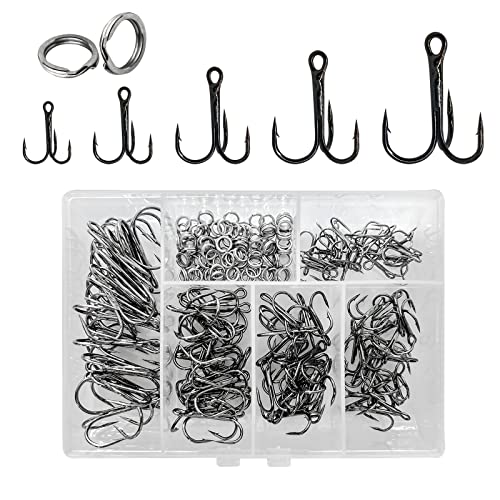
• 【200PCS Treble Hooks Set】20pcs 2#, 20pcs 4#, 20pcs 6#, 20pcs 8#, 20pcs 10# and 100pcs Split Ring. All the items are put in a hard and reusable fishing box. • 【Sharp Hooks】The hook body is hard and not easily damaged. 3 fishing hooks with barbs not easy to let the fish escape. • 【High Strength】The tweeter hook is made of high carbon steel with high strength, corrosion resistance, good toughness and not easy to bend. Fit for fresh or salt water fishing. • 【Hooks Application】As a replacement hook, you can replace the old hook on the bait, save the cost of new bait. • 【Split Rings】100pcs split ring made of stainless steel, suitable for connecting hooks and bait.
Do I need additional permits for certain fish species?
Yes, many species require special permits beyond basic fishing licenses. Trout stamps, salmon permits, and steelhead tags are commonly required. These additional permits help fund conservation efforts and species-specific management programs. Check state regulations for your target species before fishing to avoid costly violations.
What are the boat safety requirements for public lake fishing?
All passengers must have access to Coast Guard-approved personal flotation devices, with children often required to wear them. Motorized boats need current state registration with visible numbers. Motor restrictions vary by lake, and some areas may have no-wake zones or horsepower limits to protect wildlife and other users.