7 Ways Coastal Ecosystems Change During Tides
Discover how rising and falling tides transform coastal ecosystems every 12 hours, reshaping habitats, triggering species migrations, and creating dynamic feeding cycles that sustain marine life.
The big picture: You’re witnessing one of nature’s most dramatic transformations every twelve hours along any coastline — yet most people never notice the incredible ecosystem shifts happening right beneath their feet.
Why it matters: Tidal changes don’t just move water around — they completely reshape how marine life feeds, reproduces, and survives in these critical boundary zones between land and sea.
What’s happening: From exposed tide pools teeming with hidden creatures to underwater forests that appear and disappear twice daily, coastal ecosystems undergo remarkable adaptations that reveal nature’s incredible resilience and ingenuity.
Disclosure: As an Amazon Associate, this site earns from qualifying purchases. Thank you!
Water Level Fluctuations Reshape Habitat Boundaries
Twice daily, rising and falling tides redraw the map of where marine life can exist. These vertical water movements don’t just change depths—they completely redefine which areas serve as underwater sanctuaries versus exposed terrestrial zones.
Intertidal Zone Expansion and Contraction
High tide transforms rocky shores into fully submerged marine environments where kelp forests sway and fish navigate between boulders. As water recedes, you’ll witness the same area shrink into isolated tide pools and exposed rock faces. This dramatic habitat compression forces organisms like hermit crabs and sea stars to concentrate in remaining wet pockets, creating temporary biodiversity hotspots.
Saltwater Intrusion Into Freshwater Areas
Rising tides push saltwater upstream into river mouths and coastal marshes, temporarily converting freshwater habitats into brackish environments. You’ll observe freshwater species like certain fish and aquatic plants retreating to higher ground or deeper inland waters. This saltwater intrusion can extend several miles inland during spring tides, creating a shifting boundary where only salt-tolerant species can survive.
Wetland Flooding and Drainage Cycles
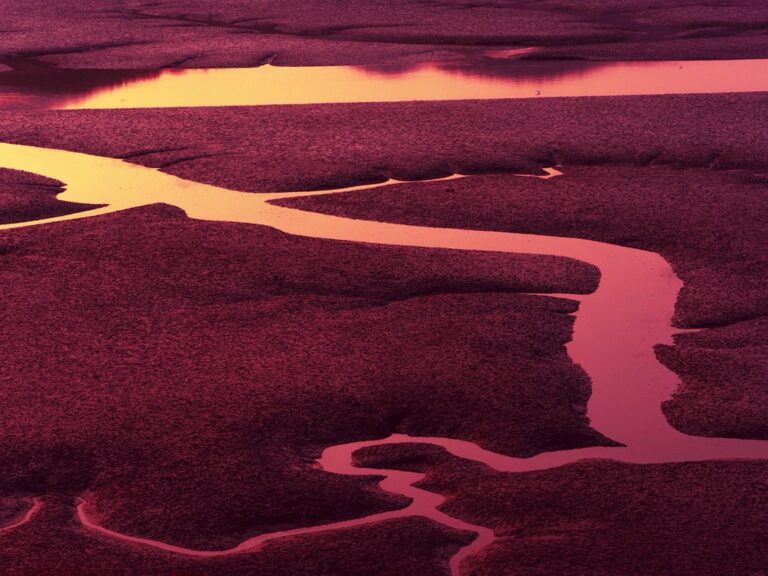
Coastal wetlands experience complete submersion during high tides, transforming from exposed mudflats into shallow marine bays. During low tide, these same areas drain to reveal vast feeding grounds where shorebirds probe for worms and crustaceans. This flooding cycle creates a dual-habitat system where both aquatic and terrestrial species must time their activities to match water availability.
Marine Species Migration Patterns Follow Tidal Rhythms
Marine creatures orchestrate their movements with remarkable precision to tidal schedules. You’ll witness predictable migrations that repeat every 12 hours as species capitalize on optimal feeding and protection opportunities.
Fish Movement Between Deep and Shallow Waters
Fish species migrate vertically following tidal flows to maximize feeding success. During high tides, juvenile fish venture into shallow marshes and seagrass beds where plankton concentrations peak. As waters recede, adult predatory fish like striped bass and redfish move offshore to deeper channels. This tidal elevator effect creates feeding opportunities in both directions – small fish access rich shallow-water nutrients while larger species position themselves along migration routes.
Crustacean Foraging Behavior Changes
Crabs and lobsters time their hunting expeditions to coincide with tidal movements. You’ll find blue crabs emerging from muddy burrows during high tide to scavenge across newly flooded areas. Fiddler crabs reverse this pattern, intensifying their feeding activity on exposed mudflats during low tide. These crustaceans have internal biological clocks synchronized to tidal rhythms, allowing them to anticipate optimal foraging windows even when held in laboratory conditions without tidal cues.
Seabird Feeding Schedule Adaptations
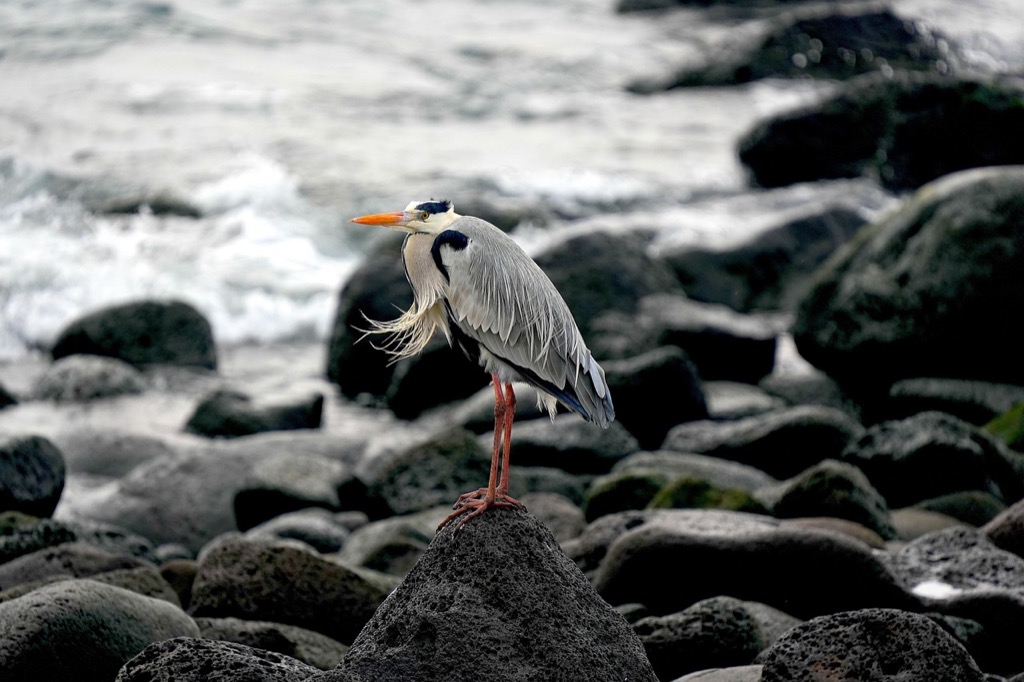
Coastal birds adjust their feeding patterns to match prey availability during different tidal phases. Plovers and sandpipers concentrate their foraging during low tide when mudflats expose invertebrates like marine worms and clams. Pelicans and terns increase diving activity during high tide when fish move closer to shore. You’ll notice these feeding frenzies occur at predictable times, with some species like great blue herons positioning themselves at tide pool edges hours before optimal feeding conditions arrive.
Nutrient Distribution Systems Shift With Water Movement
Tidal movements create a massive conveyor belt that redistributes essential nutrients throughout coastal ecosystems. This constant circulation ensures marine life receives the resources they need to thrive.
Organic Matter Transport From Ocean to Shore
Incoming tides carry dissolved organic compounds and microscopic food particles from deep ocean waters toward coastal areas. You’ll notice this nutrient-rich water supports filter feeders like mussels and barnacles that cluster on rocky surfaces.
Outgoing tides sweep decomposed plant material and animal waste from shoreline areas back into deeper waters. This organic matter feeds offshore communities of bacteria and bottom-dwelling organisms.
Sediment Redistribution Across Coastal Areas
Rising waters lift fine sediments from ocean floors and deposit them in shallow bays and estuaries. These nutrient-laden particles create fertile feeding grounds for worms, clams, and other burrowing species.
Receding tides expose mineral-rich sediments that coastal plants quickly absorb through their root systems. You’ll see this process create distinct vegetation zones based on how long areas remain submerged.
Phytoplankton Concentration Variations
High tides dilute phytoplankton concentrations as ocean water mixes with nearshore areas. This creates optimal feeding conditions for large filter feeders like whales and basking sharks.
Low tides concentrate these microscopic plants in smaller water volumes, creating dense feeding opportunities for small fish and zooplankton. You’ll observe increased surface activity as marine life capitalizes on these concentrated food sources.
Oxygen Levels Fluctuate Throughout Tidal Cycles
Oxygen concentrations in coastal waters swing dramatically as tides rise and fall, creating a daily rhythm that determines which marine organisms can survive in different zones. These fluctuations force coastal species to adapt their breathing patterns and activity levels throughout each tidal cycle.
Tidal Pool Oxygenation During High Tide
High tides bring oxygen-rich water into previously isolated tide pools, instantly revitalizing marine life that’s been conserving energy. Fresh seawater carries dissolved oxygen levels around 6-8 parts per million, allowing fish, crabs, and sea anemones to resume normal respiratory functions. This oxygenation window typically lasts 2-4 hours, giving organisms their primary opportunity for active feeding and reproduction.
Hypoxic Conditions in Isolated Water Bodies
Low tides trap seawater in shallow pools where oxygen levels plummet to as low as 2-3 parts per million within hours. Warm temperatures and decomposing organic matter accelerate oxygen depletion, creating hypoxic conditions that stress marine life. Tide pools measuring less than one meter deep experience the most severe oxygen drops, particularly during summer months when evaporation concentrates dissolved nutrients.
Respiratory Stress on Marine Organisms
Marine species exhibit distinct behavioral changes when oxygen levels drop below their tolerance thresholds during extended low tides. Fish crowd near the surface gasping for air, while crabs and sea stars reduce movement to conserve oxygen consumption. Sensitive species like juvenile rockfish retreat to deeper crevices where water temperatures remain cooler and oxygen levels stay more stable throughout the tidal cycle.
Temperature Variations Impact Species Activity
Temperature changes during tidal cycles create one of the most immediate survival challenges for coastal organisms. You’ll witness dramatic behavioral shifts as species respond to these thermal fluctuations throughout each tidal period.
Thermal Stratification Changes in Coastal Waters
Incoming tides disrupt temperature layers by mixing cooler deep waters with warmer surface zones. This mixing eliminates thermal barriers that separate different species groups. Cold-water fish suddenly encounter warm-water predators as stratified layers collapse. You’ll observe dramatic changes in fish distribution within hours as thermal boundaries disappear and reform with each tide cycle.
Heat Stress on Exposed Intertidal Organisms
Low tide exposes marine creatures to intense solar radiation and air temperatures up to 40°F higher than seawater. Mussels clamp shut to retain moisture while sea anemones retract into protective crevices. Dark-colored organisms like black turban snails experience the most severe stress. You’ll notice many species clustering in shaded areas or burrowing deeper into sand during extreme low tides.
Metabolic Rate Adjustments in Marine Life
Temperature shifts force rapid metabolic changes as organisms adapt to thermal stress. Warmer waters during summer low tides can triple metabolic rates in small fish and crustaceans. Cold incoming tides slow heart rates and digestive processes in warm-adapted species. You’ll see feeding activity decrease dramatically when temperature changes exceed 10°F within a single tidal cycle.
Predator-Prey Relationships Adapt to Tidal Schedules
Tidal movements create a complex dance between hunters and hunted that unfolds twice daily along every coastline. These rhythmic water level changes force both predators and prey to develop sophisticated timing strategies for survival.
Hunting Opportunities During Tide Transitions
Predators maximize their success rates during specific tidal phases when prey becomes most vulnerable. Rising tides flush small fish and crustaceans from their hiding spots, creating feeding frenzies for larger predators like striped bass and bluefish. Falling waters concentrate prey in shrinking pools, allowing herons and egrets to strike with deadly precision in shallow areas.
Shelter Availability for Prey Species
Prey species rely on tidal cycles to access protective habitats that appear and disappear with water levels. High tides provide escape routes into dense kelp forests and rocky crevices where larger predators can’t follow. Low tides expose barnacle clusters and mussel beds that offer temporary shelter for small fish and invertebrates until waters return.
Feeding Competition Intensity Variations
Competition for food resources fluctuates dramatically as tidal movements concentrate or disperse available prey. Incoming tides spread feeding opportunities across vast areas, reducing direct competition between species like plovers and sandpipers. Outgoing waters create intense competition hotspots where multiple predator species converge on trapped prey in tide pools and shallow channels.
Plant Communities Respond to Saltwater Exposure
Coastal vegetation faces constant challenges as tides expose and submerge plant communities in varying concentrations of saltwater. You’ll notice dramatic differences in plant health and behavior as these communities adapt their physiological processes to survive the twice-daily saltwater exposure cycles.
Salt Marsh Vegetation Stress Responses
Salt marsh plants activate specialized cellular pumps during high tide exposure to actively exclude sodium from their tissues. You’ll observe cordgrass and pickleweed developing thicker waxy cuticles and storing excess salt in specialized bladder cells that they later shed. These stress responses include rapid closure of leaf stomata and increased production of protective proteins that prevent cellular damage from salt accumulation.
Mangrove Root System Adaptations
Mangrove roots filter up to 90% of salt from incoming seawater through specialized barrier membranes in their root tissues. You’ll find pneumatophores (breathing roots) extending above high tide levels to maintain oxygen access during submersion periods. Red mangroves excrete concentrated salt through specialized glands on their leaves, while black mangroves store filtered salt in older leaves that they eventually drop.
Seagrass Bed Photosynthesis Cycles
Seagrass meadows synchronize their photosynthetic activity with tidal light availability, producing 40% more oxygen during low tide exposure periods. You’ll notice turtle grass and eelgrass increasing their metabolic rates when submerged in clearer high tide waters with optimal light penetration. These underwater plants also time their reproductive cycles with specific tidal phases to maximize pollen dispersal and seed settlement success.
Conclusion
The rhythmic dance of tides creates one of Earth’s most dynamic ecosystems where life adapts to constant change. You’ve discovered how every twelve hours brings dramatic transformations that affect everything from microscopic plankton to towering mangroves.
These coastal zones demonstrate nature’s remarkable ability to thrive in challenging conditions. The species you encounter in these areas have evolved sophisticated strategies to capitalize on tidal opportunities while surviving the stresses of constant environmental flux.
Understanding these tidal relationships helps you appreciate the delicate balance that sustains coastal biodiversity. Next time you visit the shore you’ll recognize the incredible complexity hidden within what might appear to be simple water level changes.
Frequently Asked Questions
How often do coastal ecosystems experience major transformations?
Coastal ecosystems undergo significant transformations every twelve hours due to tidal changes. These regular cycles dramatically alter water levels, reshape habitat boundaries, and create dynamic environments where marine life must constantly adapt. The twice-daily pattern affects everything from feeding patterns to reproductive cycles in coastal organisms.
What happens to marine life during high and low tides?
During high tides, juvenile fish move into shallow waters while creating submerged environments rich in marine life. Low tides expose tide pools that concentrate organisms like hermit crabs and sea stars, while adult predatory fish retreat to deeper channels. This creates distinct feeding and survival opportunities for different species.
How do tidal movements affect nutrient distribution in coastal areas?
Tidal movements create a massive conveyor belt system that redistributes essential nutrients throughout coastal ecosystems. Incoming tides carry dissolved organic compounds and microscopic food particles from deep waters, while outgoing tides sweep decomposed material back to offshore communities, ensuring continuous nutrient cycling.
Which animals synchronize their behavior with tidal rhythms?
Many coastal species synchronize their activities with tidal rhythms, including fish that migrate vertically with tides, crustaceans like blue crabs and fiddler crabs that time their foraging, and coastal birds such as plovers, sandpipers, pelicans, and terns that adjust their feeding schedules based on prey availability during different tidal phases.
How do temperature changes during tides affect marine organisms?
Tidal cycles create immediate temperature variations that challenge coastal organisms. Incoming tides mix cooler deep waters with warmer surface zones, disrupting species distributions. During low tides, exposed organisms face heat stress from solar radiation, forcing metabolic adjustments that significantly affect feeding activity and survival strategies.
How do coastal plants adapt to saltwater exposure from tides?
Coastal plants have developed specialized adaptations to survive twice-daily saltwater exposure. Salt marsh plants like cordgrass activate cellular pumps to exclude sodium and develop thicker protective cuticles. Mangrove trees filter salt through their roots and use pneumatophores to maintain oxygen access during submersion periods.
What role do tides play in predator-prey relationships?
Tides create dynamic predator-prey interactions where both hunters and hunted develop timing strategies. Predators maximize hunting opportunities when rising tides flush prey from hiding spots, while prey species use high tides to access protective habitats like kelp forests. This creates fluctuating competition patterns throughout tidal cycles.