
7 Multi-Species Fishing Strategies for Success That Work in Any Conditions
Master 7 proven multi-species fishing strategies to maximize your catch rates. Learn versatile rigs, baits, locations & techniques for consistent success across different fish types.
Why it matters: Multi-species fishing maximizes your time on the water by targeting different fish simultaneously rather than focusing on a single species.
The big picture: You’ll increase your catch rates and reduce downtime by using versatile techniques that attract various fish types in the same fishing session.
What’s next: These seven proven strategies will transform your fishing approach and help you consistently bring home diverse catches regardless of seasonal changes or water conditions.
Disclosure: As an Amazon Associate, this site earns from qualifying purchases. Thank you!
Master the Art of Multi-Rig Setups for Diverse Species
Multi-rig setups transform your fishing approach by allowing you to target several species simultaneously with one cast. These versatile configurations maximize your water coverage and adapt to varying fish preferences throughout the day.
High-Low Rigs for Bottom and Mid-Water Fish
High-low rigs position two hooks at different depths to simultaneously target bottom-dwellers like flounder and mid-water species such as sea bass. You’ll place the bottom hook 12-18 inches from your sinker and the top hook 24-36 inches higher on your main line. This setup doubles your chances by presenting baits at the exact depths where different species naturally feed.
Drop Shot Rigs for Precision Targeting
Drop shot rigs excel at presenting live bait or lures just above the bottom while maintaining constant contact with structure. You’ll tie your hook 12-24 inches above a weight that stays on the bottom, allowing your bait to hover in the strike zone. This technique effectively targets bass, walleye, and panfish by keeping your presentation in their preferred feeding zone.
Carolina Rigs for Covering Multiple Depths
Carolina rigs let you fish multiple depth zones as your sinker drags along the bottom while your bait floats behind at various levels. You’ll separate your weight from your hook with 18-36 inches of leader, creating natural movement that attracts both bottom species and suspended fish. This versatile setup works effectively for bass, catfish, and various panfish species across different water conditions.
Select Versatile Bait That Appeals to Various Fish Species
Your bait selection determines which species you’ll attract, so choosing options that appeal to multiple fish types dramatically increases your success rate.
Live Bait Options That Work Across Species
Nightcrawlers attract everything from bass to catfish to panfish with their natural movement and scent. These worms work in both freshwater and saltwater environments when targeting species like striped bass.
Improve your garden with Uncle Jim's European Nightcrawlers! These large worms enhance soil structure and quality through superior composting and aeration, creating healthier, more productive gardens.


Minnows trigger predatory instincts across species including pike, walleye, and crappie. You’ll find fathead minnows especially effective since they’re a primary food source for numerous game fish.
Artificial Lures for Multi-Species Success
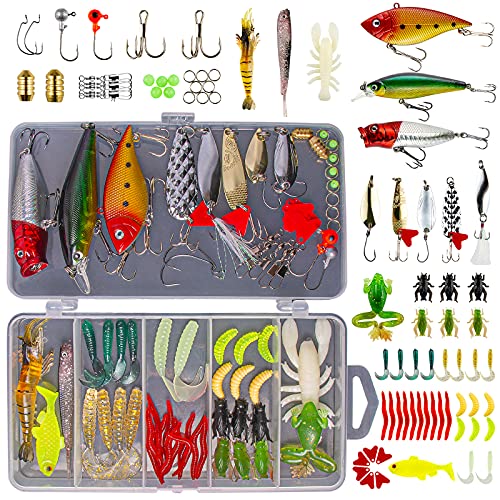
Catch more fish with this versatile lure kit. It includes a variety of realistic lures and durable tackle, conveniently organized in a portable box.
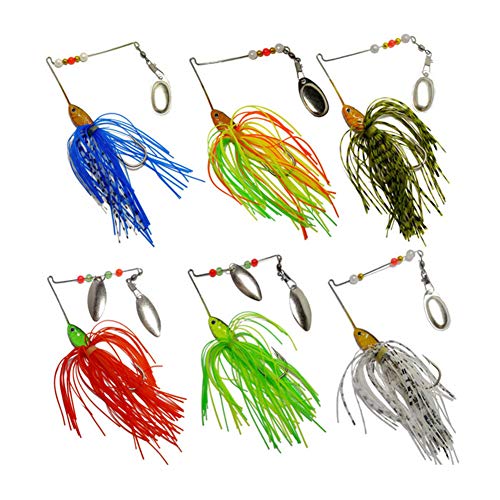
Spinnerbaits create flash and vibration that appeals to bass, pike, and muskie simultaneously. Their versatile design lets you fish multiple water columns by adjusting your retrieve speed.
Catch bass, trout, and more with these durable spinnerbaits. Featuring sharp treble hooks and premium blades for continuous flash and vibration, this 6-piece set offers a variety of colors for any fishing condition.
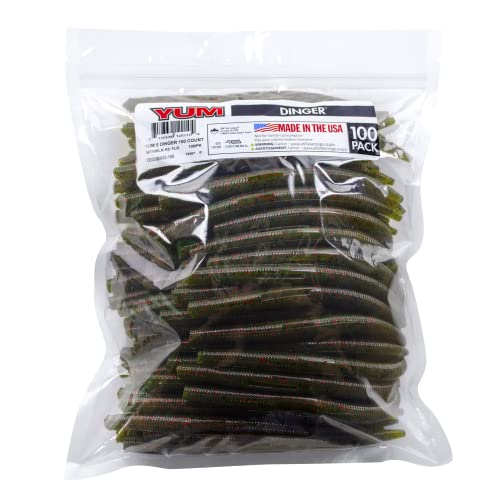
Soft plastic worms work for bass, walleye, and even panfish when downsized. You can rig them multiple ways to target different species preferences and feeding behaviors effectively.
Catch more bass with the Yum Dinger! This versatile soft plastic lure has a subtle, lifelike action that entices even pressured fish and features a unique hook slot for better hook-ups.
Natural Bait Combinations for Maximum Appeal
Crawler and minnow combinations on a multi-hook rig attract both bottom feeders and aggressive predators. This setup works particularly well when fish are feeding at different depths simultaneously.
Cut bait mixed with live offerings creates scent trails that draw catfish while the live component attracts bass and pike. You’ll maximize your appeal across species with this dual-approach strategy.
Choose Strategic Fishing Locations With High Species Diversity
Your location selection makes or breaks multi-species success. You’ll want to target areas where different fish naturally congregate rather than spots that favor just one species.
Structure-Rich Areas That Harbor Multiple Fish Types
Rocky reefs attract both predatory fish like bass and bottom-dwellers such as catfish in the same location. Fallen trees create perfect ambush points for pike while providing cover for panfish species like bluegill and crappie. Bridge pilings offer vertical structure that appeals to stripers in deeper water and smaller species near the surface.
Transition Zones Between Different Habitats
Creek mouths where moving water meets still lakes concentrate baitfish and attract multiple predator species simultaneously. Weed line edges provide shallow-water species access while deeper-dwelling fish patrol the drop-offs. Rocky-to-sand transitions create natural feeding areas where bottom fish like flounder mix with suspended species such as trout.
Seasonal Hotspots for Multi-Species Activity
Spring spawning areas in shallow coves draw bass, pike, and panfish to the same vicinity during warming periods. Summer thermoclines concentrate different species at specific depths, allowing you to target multiple fish by adjusting your presentation depth. Fall migration routes funnel various species through narrow channels and points as they move toward wintering areas.
Time Your Fishing Trips for Peak Multi-Species Activity
Strategic timing dramatically increases your chances of landing multiple species during a single outing. Understanding natural feeding patterns and environmental triggers helps you position yourself when various fish species become simultaneously active.
Dawn and Dusk Feeding Windows
Prime feeding occurs during the first and last hours of daylight when multiple species hunt aggressively. Bass, walleye, pike, and panfish all become active as light levels change and baitfish move through shallow areas.
Plan your multi-species setups 30 minutes before sunrise and maintain them through the first hour of daylight for maximum effectiveness.
Seasonal Patterns for Different Species
Spring warming triggers simultaneous feeding across species as water temperatures reach 50-60°F. Bass move shallow for spawning while crappie school in coves and walleye patrol drop-offs.
Summer finds multiple species concentrated around thermoclines and structure during early morning hours before heat drives them deeper.
Weather Conditions That Trigger Multiple Species
Approaching weather fronts activate feeding across multiple species as barometric pressure drops. Low-light conditions from overcast skies extend feeding windows beyond typical dawn and dusk periods.
Post-storm conditions create ideal multi-species opportunities as disturbed waters and increased oxygen levels stimulate aggressive feeding behaviors.
Adjust Your Tackle Setup for Multiple Target Species
Your tackle setup becomes the foundation for successful multi-species fishing when you choose components that can handle varying fish sizes and fighting styles. The key lies in finding the sweet spot between versatility and performance for your target waters.
Achieve a flawless, semi-matte complexion with e.l.f. Flawless Satin Foundation. This lightweight, vegan formula provides medium coverage that blends seamlessly to improve skin tone and texture.

Rod and Reel Combinations for Versatility
Medium-action rods paired with spinning reels offer the perfect balance for targeting multiple species simultaneously. A 7-foot medium rod handles everything from 12-inch panfish to 5-pound bass without compromising sensitivity or power. Choose reels with smooth drag systems like the Penn Battle III or Shimano Stradic, which adjust quickly between fighting a scrappy bluegill and a hard-running pike.
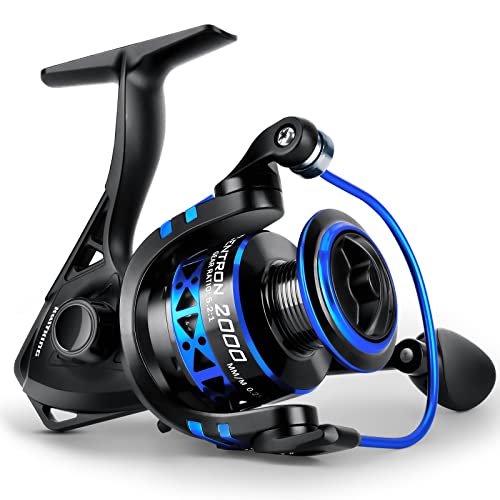
Experience smooth, powerful performance with the KastKing Centron spinning reel. It features a strong drag system up to 17.5LBs and 9 quality ball bearings for effortless retrieves.
Line Selection for Various Fish Sizes
Fluorocarbon mainline in 12-15 pound test provides the ideal compromise between strength and invisibility for multi-species setups. You’ll maintain enough backbone to land larger predators while staying virtually invisible to spooky fish like trout or crappie. Add a monofilament leader when targeting toothy species like pike, or scale down to 8-pound fluorocarbon for ultra-clear water conditions.
Hook Sizes and Styles for Different Mouths
Size 2-4 circle hooks accommodate the widest range of fish mouth sizes while reducing deep hooking across species. Wide gap hooks in size 1/0 work perfectly for larger baits targeting bass and pike, while dropping down to size 6 Aberdeen hooks handles panfish and smaller species effectively. Keep both short shank and long shank options rigged to match your bait presentation needs.
Employ Dynamic Retrieval Techniques to Attract Different Fish
Your retrieval method can make or break a multi-species fishing session. Different fish respond to distinct movement patterns, so mastering various retrieval techniques lets you trigger strikes from multiple species without changing your entire setup.
Varying Speed and Action Patterns
Slow steady retrieves attract cautious species like trout and crappie that prefer deliberate presentations. Fast erratic retrieves trigger aggressive strikes from bass, pike, and salmon that respond to fleeing prey. Medium-paced retrieves with occasional pauses appeal to walleye and perch that investigate before striking. You’ll maximize your catch by cycling through these speeds every few casts.
Bottom-to-Surface Presentation Methods
Yo-yo retrieves that lift lures from bottom to mid-water attract both bottom-dwellers like catfish and suspended species like white bass. Slow cranking through different depth zones lets you present baits to fish holding at various levels. Vertical jigging followed by horizontal pulls covers the entire water column effectively. This approach ensures you’re fishing where different species are actively feeding.
Stop-and-Go Techniques for Mixed Results
Three-second pauses during retrieves allow hesitant fish to commit while triggering reaction strikes from aggressive species. Dead-sticking for 10-15 seconds after initial movement mimics injured baitfish that appeal to opportunistic feeders. Sharp rod tip jerks followed by slack line creates erratic action that different species interpret as easy prey. These irregular patterns often outperform consistent retrieves in multi-species situations.
Adapt Your Strategy Based on Real-Time Fish Behavior
Successful multi-species fishing requires constant observation and quick adjustments based on what you’re seeing on the water. Your ability to read fish behavior and adapt accordingly separates productive days from frustrating ones.
Reading Water Conditions and Fish Signs
Surface activity tells you everything you need to know about what’s happening below. Watch for jumping baitfish, diving birds, and subtle ripples that indicate feeding activity.
Water temperature changes throughout the day affect fish positioning. Use a portable thermometer to identify temperature breaks where different species concentrate at varying depths and locations.
Switching Techniques When One Species Dominates
When one species consistently hits your presentation, immediately switch to target different fish in the same area. Change your retrieve speed, depth, or bait type to attract species with different feeding preferences.
Move your setup to different structure or depth zones within the same location. This prevents spooking the dominant species while opening opportunities for others to strike your modified presentation.
Adjusting Depth and Location Based on Activity
Fish activity patterns change throughout the day, requiring constant depth adjustments to maintain multi-species success. Start shallow during low-light periods and work deeper as sun intensity increases.
Move between structure types when activity slows in your current spot. Transition from rocky areas to weed beds or from shallow flats to drop-offs to find where different species are actively feeding.
Conclusion
Multi-species fishing transforms your time on the water from a single-target pursuit into a dynamic adventure filled with variety and excitement. By implementing these seven strategies you’ll maximize your catch potential while developing skills that make you a more versatile angler.
The key to success lies in staying adaptable and reading the water conditions as they change throughout your trip. Your willingness to switch techniques retrieve speeds and presentations will separate you from anglers who stick to rigid approaches.
Remember that every fishing trip offers learning opportunities. The more you practice these multi-species techniques the better you’ll become at recognizing patterns and making quick adjustments that lead to consistent success across different fish populations.
Frequently Asked Questions
What is multi-species fishing and why should I try it?
Multi-species fishing involves targeting multiple fish types simultaneously instead of focusing on just one species. This approach maximizes your time on the water, increases catch rates, and reduces downtime. It’s particularly effective because it allows you to adapt to changing conditions and seasonal variations while maintaining consistent action throughout your fishing trip.
What are the best rig setups for multi-species fishing?
The most effective multi-species rigs include high-low rigs for targeting both bottom-dwellers and mid-water fish, drop shot rigs for precision targeting just above the bottom, and Carolina rigs for covering multiple depth zones. These versatile setups allow you to present bait at different levels with a single cast, maximizing your chances of attracting various species.
What types of bait work best for multiple species?
Live bait like nightcrawlers and minnows are excellent choices due to their natural movement and scent appeal. Artificial lures such as spinnerbaits and soft plastic worms offer versatility through different rigging options. Combining natural baits, like crawler and minnow setups or mixing cut bait with live offerings, creates scent trails that attract both bottom feeders and aggressive predators.
Where should I fish to catch multiple species?
Target structure-rich areas like rocky reefs, fallen trees, and weed beds that harbor diverse fish populations. Focus on transition zones such as creek mouths and weed line edges where baitfish concentrate. Seasonal hotspots including spring spawning areas, summer thermoclines, and fall migration routes funnel different species into the same vicinity, increasing your multi-species success rate.
When is the best time for multi-species fishing?
Peak feeding windows occur at dawn and dusk when species like bass, walleye, pike, and panfish become most active. Spring warming periods and summer thermoclines trigger simultaneous feeding across multiple species. Weather changes, particularly approaching fronts and post-storm conditions, create aggressive feeding behaviors that present ideal opportunities for multi-species success.
What tackle setup works best for targeting multiple species?
Use medium-action rods paired with spinning reels for versatility in handling various fish sizes. Choose fluorocarbon mainline in 12-15 pound test for strength and invisibility. Maintain a selection of different hook sizes and styles to accommodate various fish mouth sizes and bait presentations, ensuring you’re prepared for whatever species you encounter.
How should I adjust my retrieval techniques for different species?
Vary your retrieval speed and action patterns to trigger strikes from multiple species. Use slow, steady retrieves for cautious fish like trout, and fast, erratic retrieves for aggressive species like bass and pike. Employ vertical presentations like yo-yo retrieves and stop-and-go techniques with strategic pauses to cover the entire water column and entice both hesitant and aggressive fish.
How do I adapt my strategy during the fishing trip?
Continuously observe water conditions, surface activity, and temperature changes to identify where different species are concentrated. When one species dominates, switch techniques, retrieve speeds, or bait types to attract others. Adjust your depth and location throughout the day—start shallow during low-light periods and move deeper as conditions change to maintain consistent multi-species action.
