
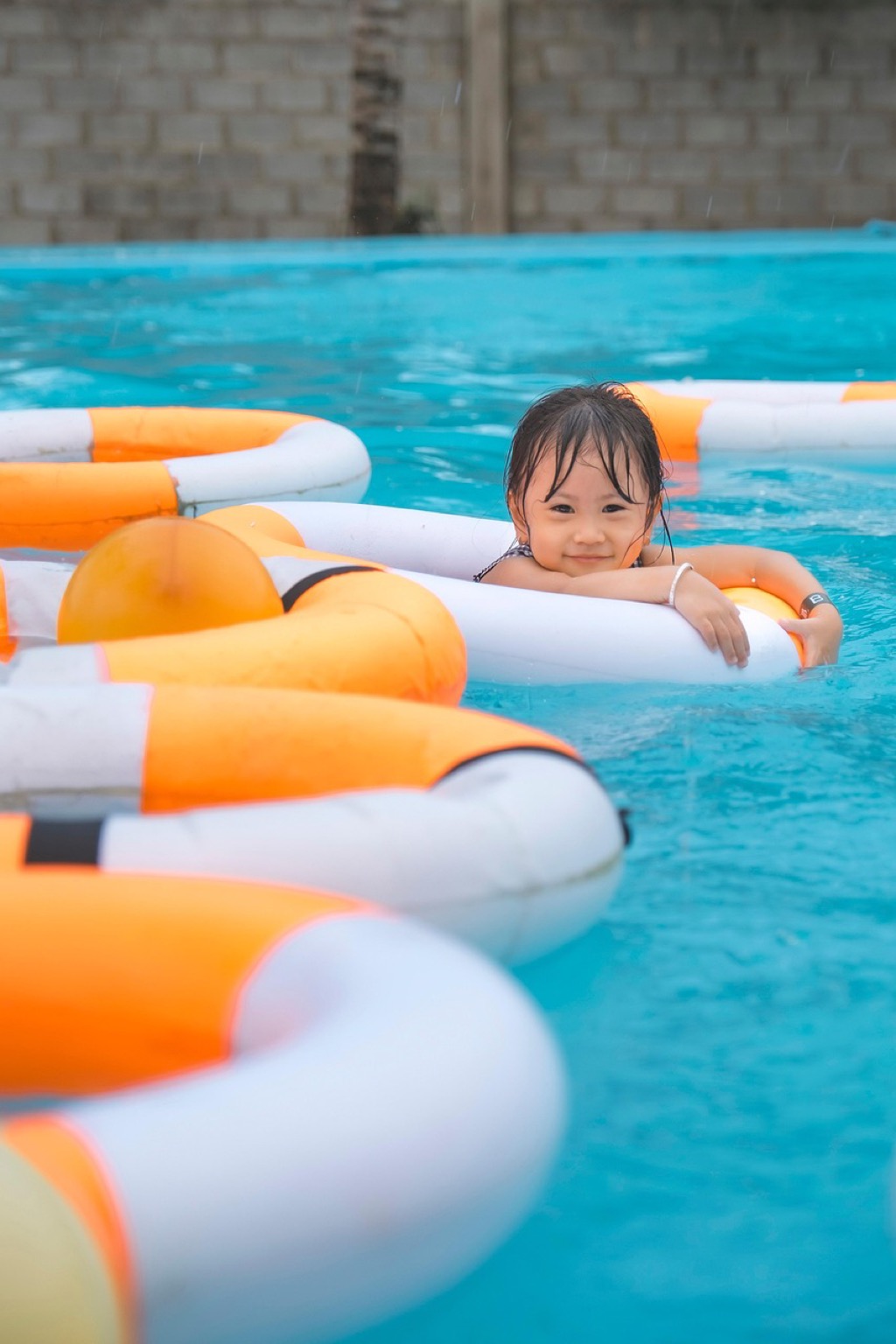
Pool Safety Checklist: 7 Tips for Parents
Transform your pool day into a safe haven with 7 essential safety checklist tips. Learn emergency prep, supervision strategies, and equipment checks for worry-free fun.
The big picture: Pool days should be about splashing fun and making memories – not worrying about safety mishaps that could’ve been prevented.
Why it matters: A well-crafted safety checklist transforms your pool area from a potential hazard zone into a secure playground where everyone can relax and enjoy themselves without constant anxiety.
What’s ahead: We’ll walk you through seven essential tips that’ll help you create a comprehensive yet practical safety checklist that keeps the fun flowing while protecting what matters most – your family and friends.
Disclosure: As an Amazon Associate, this site earns from qualifying purchases. Thank you!
Establish Clear Pool Rules Before Anyone Gets In
Pool rules aren’t suggestions—they’re non-negotiable safety boundaries that prevent accidents before they happen. You’ll establish these rules most effectively when everyone’s dry and listening, not when chaos has already started.
Set Age-Appropriate Swimming Boundaries
Young children need clearly defined areas where they can safely play without venturing into deeper water. You’ll want to designate shallow end boundaries for non-swimmers and establish deep end privileges for confident swimmers only. Mark these zones with pool toys or floating markers so kids can visually identify their safe swimming areas at all times.
Define Adult Supervision Requirements
Active supervision means having a designated adult watching the water at all times, not socializing poolside with a drink. You should assign specific adults to watch specific children, rotating every 15-20 minutes to maintain focus and attention. This “water watcher” system ensures someone always has eyes on the pool and eliminates dangerous assumptions about who’s supervising.
Create Consequences for Rule Breaking
Immediate consequences for broken pool rules might include a 10-minute timeout or complete pool exit for the day. You’ll enforce these consistently regardless of tears or protests—safety rules lose their power when exceptions are made. Clear consequences actually reduce conflicts because everyone knows exactly what happens when boundaries are crossed.
Designate a Water Watcher for Continuous Supervision
You need one adult’s complete attention on the water at all times. This isn’t about background supervision while chatting with friends – it’s about dedicated, uninterrupted focus on swimmers.
Rotate Water Watcher Duties Every 15 Minutes
Designating water watcher duties every 15 minutes prevents attention fatigue that leads to dangerous gaps in supervision. Your focus naturally declines after this timeframe, making rotations essential for maintaining sharp awareness. Set phone alarms to ensure seamless transitions between designated watchers.
Establish the Water Watcher’s Responsibilities
Establishing clear water watcher responsibilities means no phones, conversations, or distractions during their shift. The designated adult must remain poolside with eyes constantly scanning the water, ready to respond within seconds. They’re responsible for counting heads and monitoring all swimmers’ locations and activities.
Use Visual Reminders Like Badges or Lanyards
Using visual reminders like bright lanyards or badges makes the current water watcher instantly identifiable to everyone present. This eliminates confusion about who’s actively supervising and prevents multiple adults from assuming someone else is watching. Choose distinctive colors or items that can’t be missed from across the pool area.
Check All Safety Equipment and Pool Conditions
Before anyone takes their first splash, you’ll need to verify that every piece of safety equipment is ready for action. This systematic check prevents equipment failures when you need them most.
Inspect Life Jackets and Flotation Devices
Check each life jacket for rips, tears, or broken buckles that could compromise their effectiveness. Test zippers and straps to ensure they’ll hold securely under stress. Replace any flotation devices that feel less buoyant than usual or show signs of wear, as a faulty life jacket creates a dangerous false sense of security.
Test Pool Chemical Levels and Water Clarity
Use test strips to verify chlorine levels stay between 1.0-3.0 ppm for safe swimming conditions. Check pH levels between 7.2-7.6 to prevent skin and eye irritation. Clear water visibility means you can see the bottom drain clearly – cloudy water hides potential dangers and indicates chemical imbalances that need immediate attention.
Verify Pool Fencing and Gate Locks Function Properly
Test every gate latch and lock mechanism to ensure they close automatically and securely. Walk the entire fence perimeter checking for loose panels, gaps, or damage that could allow unsupervised access. A fence that’s 4 feet high with self-closing, self-latching gates creates the barrier you need between curious kids and the water.
Prepare Emergency Action Plans and Contact Information
Even with perfect supervision and equipment checks, emergencies can happen faster than you think. Having a solid emergency action plan transforms panic into purposeful response when seconds count.
Post Emergency Numbers in Visible Locations
Create a laminated emergency contact list and post it where everyone can see it near your pool area. Include 911, poison control (1-800-222-1222), your local emergency services, and your family doctor’s after-hours number.
Position the list at eye level by your pool phone or in a waterproof container. You’ll want these numbers accessible even when your phone’s dead or dropped in water.
Review CPR and First Aid Procedures
Refresh your CPR skills before each pool season since techniques and guidelines change over time. The American Red Cross recommends recertification every two years, but practice makes the difference in real emergencies.
Walk through rescue breathing and chest compressions with other adults present. Even a quick 10-minute review can rebuild muscle memory when you need it most.
Identify Nearest Hospital and Emergency Services
Map out the fastest route to your nearest emergency room and keep directions easily accessible. Know whether your local fire department has water rescue capabilities or if you’ll need specialized emergency services.
Time your drive to the hospital during different traffic conditions. What takes 8 minutes at 2 PM might take 20 minutes during rush hour.
Create Swimming Ability Assessments for All Participants
Swimming skills vary dramatically among pool guests, and assumptions about ability lead to dangerous situations. You’ll need honest assessments before anyone enters the water to match safety measures with actual capabilities.
Test Each Person’s Swimming Skills Before Pool Entry
Watch each person swim 25 yards unassisted before allowing deeper water access. This simple test reveals true swimming ability versus what people claim they can do.
Have swimmers demonstrate treading water for 60 seconds and floating on their backs. These skills matter more than flashy strokes when fatigue or panic sets in during pool emergencies.
Assign Appropriate Flotation Devices Based on Ability
Match flotation devices to actual swimming skills, not just age or size. Weak swimmers need Coast Guard-approved life jackets, while arm floaties provide false security for non-swimmers.
Strong swimmers who tire easily should have foam noodles or kickboards nearby. Even confident swimmers benefit from having flotation within arm’s reach during extended pool sessions.
Establish Shallow End Restrictions for Non-Swimmers
Keep non-swimmers in water no deeper than their chest level, regardless of available flotation devices. This gives them solid footing to stand up if they panic or equipment fails.
Mark the maximum depth clearly with pool rope or visual cues. Non-swimmers often drift into deeper areas without realizing it, especially when playing games or socializing with others.
Stock First Aid Supplies and Sun Protection Essentials
You’ll need essential medical supplies and sun protection within arm’s reach when pool emergencies happen. Smart preparation means having the right items accessible before anyone enters the water.
Gather Basic First Aid Kit Items
Keep these essentials in a waterproof container near your pool area:
- Adhesive bandages for cuts and scrapes
- Antiseptic wipes for cleaning wounds
- Instant cold packs for sprains or bumps
- Gauze pads and medical tape for larger injuries
Store your first aid kit in a clearly marked, weatherproof box that everyone can locate quickly during emergencies.
Provide Adequate Sunscreen and Shade Options
Apply SPF 30+ sunscreen 30 minutes before swimming and reapply every two hours. Water-resistant formulas work best for pool activities, but they still need frequent reapplication after toweling off.
Set up portable umbrellas or pop-up canopies to create shaded rest areas. Your swimmers need protection from UV rays even when they’re not in direct sunlight.
Keep Towels and Hydration Stations Accessible
Position clean towels and water bottles within easy reach of your pool deck. Wet surfaces become slip hazards, so having towels nearby prevents dangerous walking on slippery areas.
Create a dedicated hydration station with cooled water or sports drinks. Pool activities cause dehydration faster than you’d expect, especially during hot summer days when you’re focused on fun rather than fluid intake.
Plan Pool Activities That Promote Safety Awareness
Strategic pool activities reinforce safety habits naturally while keeping everyone engaged. Smart game selection transforms safety protocols into enjoyable experiences that kids actually want to follow.
Choose Games That Encourage Buddy System Usage
Partner-based pool games make safety monitoring effortless and fun. Marco Polo works perfectly since partners naturally stay close while one player keeps eyes closed. Pool tag with designated “safe zones” encourages swimmers to buddy up for protection.
Treasure hunts requiring two-person teams ensure no one dives alone while searching underwater. These activities eliminate the need for constant safety reminders since the games themselves require cooperative behavior.
Incorporate Safety Breaks Into Pool Activities
Scheduled activity breaks prevent exhaustion and maintain awareness levels throughout pool sessions. Set 15-minute activity timers followed by mandatory poolside rest periods where everyone exits the water completely. Use break time for hydration checks and headcounts.
Create “safety skill challenges” during breaks like floating contests or treading water competitions. This approach reinforces swimming abilities while giving active supervision a natural reset point every quarter hour.
Reward Safe Behavior With Fun Incentives
Positive reinforcement systems make safety compliance competitive and engaging for all ages. Award pool tokens for following rules like walking on deck surfaces or using proper diving form. Tokens can be exchanged for extended pool time or special privileges.
Create safety achievement badges for demonstrating skills like proper flotation device usage or helping younger swimmers. Public recognition during pool gatherings motivates continued safe behavior while establishing peer accountability naturally.
Conclusion
Your pool day safety checklist is your ticket to worry-free summer fun. By implementing these seven essential tips you’ll transform potential hazards into manageable safety measures that become second nature.
Remember that effective pool safety isn’t about restricting enjoyment—it’s about creating an environment where everyone can relax and have fun with confidence. When you’ve got your rules established equipment checked and emergency plans in place you’re free to focus on what matters most: making memories with the people you care about.
The time you invest in creating and following your safety checklist pays dividends in peace of mind. Your pool should be a place of joy and relaxation and with the right preparation it absolutely can be.
Frequently Asked Questions
What are the most important pool safety rules to establish?
The most essential pool safety rules include no running on wet surfaces, no diving in shallow areas, and mandatory adult supervision for children. Establish clear boundaries for different age groups, require proper flotation devices for weak swimmers, and implement a buddy system. These non-negotiable rules should be communicated before anyone enters the pool area.
How does the water watcher system work?
The water watcher system designates one adult to actively supervise the pool at all times. This person remains poolside without distractions like phones or books, focusing solely on counting heads and monitoring swimmer activities. Responsibilities rotate every 15 minutes using phone alarms, with visual cues like bright lanyards identifying the current water watcher.
What safety equipment should I check before pool use?
Before swimming, inspect all life jackets and flotation devices for tears, broken straps, or worn closures. Test pool chemical levels and verify water clarity for safe conditions. Check that pool fencing and gate locks function properly to prevent unsupervised access. Keep a waterproof first aid kit nearby with bandages, antiseptic wipes, and cold packs.
How do I assess swimming abilities for pool safety?
Test each person’s swimming skills by having them swim 25 yards unassisted and demonstrate treading water and floating. Match flotation devices to actual swimming ability rather than age or size. Establish shallow-end restrictions for non-swimmers and ensure weak swimmers have appropriate life jackets while keeping flotation aids nearby for strong swimmers.
What should be included in a pool emergency action plan?
Create a laminated emergency contact list with 911, poison control, and local emergency services posted visibly near the pool. Refresh CPR and first aid skills before each pool season. Map the fastest route to the nearest hospital and know local emergency services’ capabilities. Ensure all adults know the emergency procedures and can respond quickly.
How can pool activities promote safety awareness?
Choose games that encourage the buddy system, such as Marco Polo and pool tag, which naturally foster safety monitoring among participants. Schedule regular activity breaks to prevent exhaustion and maintain awareness, using these breaks for hydration checks and headcounts. Reward safe behavior with fun incentives like pool tokens and safety achievement badges.
What sun protection and comfort essentials are needed?
Apply SPF 30+ sunscreen before swimming and reapply regularly, especially after water activities. Provide shaded areas using umbrellas or canopies for breaks from direct sunlight. Keep clean towels readily available to prevent slips on wet surfaces. Maintain hydration stations with fresh water to prevent dehydration during extended pool sessions.


