
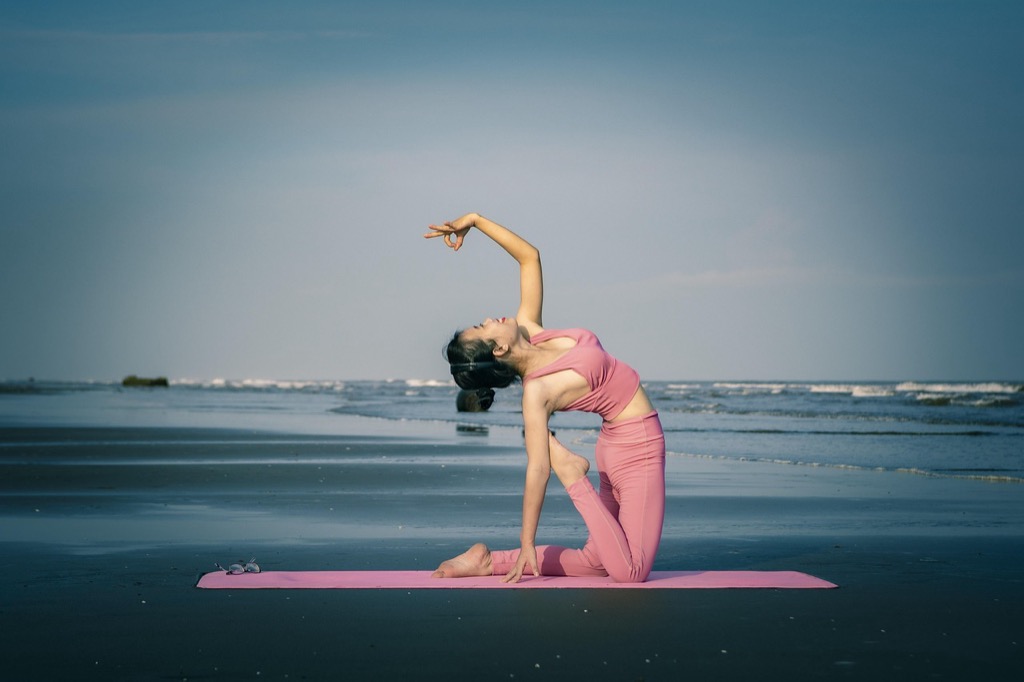
7 Tips for Beach Yoga Practices in Limited Shade for Any Conditions
Master beach yoga with limited shade! Discover 7 expert tips for timing, portable shade solutions, strategic positioning, cooling flows, sun protection, hydration, and backup plans for safe practice.
The challenge: Finding perfect shade for beach yoga sessions can feel impossible when you’re working with patchy palm trees and crowded beach umbrellas.
Why it matters: Practicing yoga on the beach offers incredible benefits – from the natural resistance of sand to the calming sound of waves – but harsh sun exposure can quickly turn your zen session into an uncomfortable ordeal.
What you’ll learn: These seven strategic tips will help you maximize your beach yoga practice even when shade is scarce, keeping you cool, comfortable, and focused on your flow rather than dodging sunburns.
Disclosure: As an Amazon Associate, this site earns from qualifying purchases. Thank you!
Find the Perfect Timing for Your Beach Yoga Session
Timing transforms your beach yoga experience from a sweaty struggle into a serene practice that works with nature instead of against it.
Practice During Golden Hour Times
Golden hour delivers the perfect lighting and temperature combination for beach yoga sessions. Start your practice 30-60 minutes before sunset when temperatures drop and the sun sits lower on the horizon.
Early morning sessions between 6-8 AM offer cooler sand temperatures and gentler UV exposure. You’ll catch stunning sunrise views while avoiding the intense midday heat that makes holding poses uncomfortable.
Avoid Peak Sun Intensity Hours
Peak sun hours between 10 AM and 4 PM create challenging conditions for any beach yoga practice. UV radiation reaches dangerous levels during this window, increasing sunburn risk even with limited shade coverage.
Sand temperatures can exceed 140°F during peak hours, making barefoot poses painful and potentially dangerous. Schedule your sessions outside this timeframe to maintain comfort and safety throughout your entire practice.
Create Your Own Portable Shade Solutions
You don’t have to rely on limited natural shade when you can bring your own sun protection to the beach. Smart portable shade solutions transform any stretch of sand into a comfortable yoga space.
Use Beach Umbrellas and Pop-Up Canopies
Beach umbrellas provide instant overhead coverage for most yoga poses, while pop-up canopies create spacious shaded areas for flowing sequences. Choose umbrellas with sand augers that anchor securely in windy conditions, and select canopies with weighted bases or sandbags to prevent tipping during practice.
Bring Lightweight Tarps and Yoga Mats with Built-In Shade
Lightweight tarps stretched between beach chairs or poles create custom shade configurations that adapt to your yoga space needs. Specialty yoga mats with attached canopies or detachable shade panels offer built-in sun protection that moves with your practice, eliminating the need for separate equipment.
Choose Strategic Beach Locations for Natural Protection
Rocky coastlines and natural barriers offer built-in shade that’s often overlooked by beachgoers focused on open sandy areas.
Position Near Rock Formations and Cliffs
Rock formations create reliable shadow zones that shift predictably throughout the day. Position your mat 6-10 feet from large rocks or cliff faces to catch their shade while maintaining enough space for arm extensions and flowing movements. These natural barriers also block wind and provide stable reference points for balance poses.
Utilize Driftwood and Natural Windbreaks
Large driftwood logs and natural debris create surprising amounts of shade when positioned correctly. Set up parallel to these natural windbreaks to benefit from both shade coverage and wind protection. Driftwood arrangements often form L-shaped or curved configurations that provide partial overhead coverage while creating intimate practice spaces away from beach crowds.
Adapt Your Yoga Flow for Hot Weather Conditions
Hot weather demands a complete rethink of your typical yoga routine. Your body works overtime to regulate temperature, making intense flows counterproductive and potentially dangerous.
Focus on Cooling Poses and Gentle Movements
Cooling poses become your best allies when practicing in hot beach conditions. Forward folds like Uttanasana and seated twists help lower your core body temperature naturally.
Child’s pose and supported fish pose allow your nervous system to reset between more active sequences. These restorative positions maximize the benefits of limited shade while minimizing heat exhaustion risks.
Incorporate Shorter Sequences with Rest Breaks
Shorter sequences prevent overheating and maintain your energy throughout the practice. Break your typical 60-minute flow into three 15-minute segments with 5-minute rest periods.
Use these breaks to hydrate, apply sunscreen, and move deeper into available shade. Your body recovers faster with frequent pauses, making the overall experience more enjoyable and sustainable.
Dress Appropriately for Sun Protection During Practice
Your clothing choices can make or break your beach yoga session when shade is scarce. The right gear protects your skin while keeping you comfortable through challenging poses.
Select Moisture-Wicking and UV-Protected Clothing
Choose lightweight fabrics with UPF 30+ ratings for maximum sun protection during extended practice sessions. Synthetic blends and merino wool wick sweat effectively while preventing overheating in direct sunlight.
Long-sleeved shirts and full-length leggings offer complete coverage without restricting movement. Avoid cotton materials that retain moisture and become heavy during sweaty sessions.
Wear Wide-Brimmed Hats and Sunglasses
Wide-brimmed hats provide crucial face and neck protection during standing poses and sun salutations. Choose styles with chin straps or adjustable bands to prevent wind displacement during dynamic movements.
Wraparound sunglasses with UV400 protection shield your eyes from reflected glare off sand and water. Secure them with a sports strap to maintain focus during balance poses.
Stay Hydrated and Monitor Your Body’s Response
Beach yoga’s combination of heat, sand, and physical exertion creates unique hydration challenges that can quickly escalate without proper preparation.
Bring Extra Water and Electrolyte Supplements
Pack at least 32-40 ounces of water for hour-long sessions, doubling your normal intake expectations. The sand’s reflective heat and ocean breeze mask how much you’re sweating during poses.
Electrolyte tablets or coconut water become essential when practicing in temperatures above 75°F. Your body loses sodium and potassium faster through sand contact and sun exposure than indoor practice.
Recognize Signs of Heat Exhaustion
Watch for dizziness, nausea, or sudden fatigue during transitions between poses – these aren’t just challenging yoga moments. Heat exhaustion develops gradually, starting with subtle coordination changes you might attribute to balance challenges.
Stop immediately if you experience headaches, excessive sweating followed by no sweating, or confusion. Move to shade and sip water slowly rather than chugging large amounts at once.
Plan Alternative Indoor Backup Options
Weather conditions change rapidly at the beach, and having backup locations ensures you’ll never miss your yoga practice when shade becomes impossible to find.
Research Nearby Covered Pavilions and Gazebos
Scout local beach parks and recreation areas for covered pavilions before your session. These structures offer reliable overhead protection and often feature concrete or wooden floors that provide stable footing compared to shifting sand.
Check park websites or call ahead to confirm availability, as many pavilions operate on first-come, first-served basis during peak beach season.
Have Beach House or Car Yoga Backup Plans
Your vehicle becomes an excellent backup studio with seats folded down and doors open for ventilation. Practice gentle flows and seated poses while staying protected from intense sun exposure.
Beach houses or rental properties with covered porches offer ideal alternatives when outdoor conditions become too harsh. You’ll maintain ocean views and fresh air while practicing safely under solid roof coverage.
Conclusion
Beach yoga doesn’t have to be a struggle against the sun when you’re equipped with the right strategies. By combining smart timing with portable shade solutions and strategic location choices you’ll transform your practice from uncomfortable to absolutely enjoyable.
Remember that preparation is your best friend on the beach. Pack your UV-protective gear stay hydrated and always have that backup plan ready. Your body will thank you for the extra care and attention.
The ocean’s energy combined with thoughtful sun protection creates the perfect environment for deepening your yoga journey. You’ve got all the tools you need to make every beach session both safe and transformative.
Frequently Asked Questions
When is the best time to practice beach yoga to avoid harsh sun exposure?
The optimal time for beach yoga is during the golden hour—either 30-60 minutes before sunset or early morning between 6-8 AM. These times offer ideal lighting, cooler temperatures, and reduced UV radiation. Avoid practicing between 10 AM and 4 PM when UV intensity peaks and sand temperatures become dangerously hot.
What portable shade solutions work best for beach yoga?
Beach umbrellas and pop-up canopies provide excellent instant overhead coverage. Look for wind-resistant designs with sand anchors for stability. Lightweight tarps offer custom shade configurations, while specialty yoga mats with built-in shade features are also available. These solutions ensure consistent protection regardless of natural shade availability.
How can I find natural shade on the beach for my yoga practice?
Position your mat 6-10 feet away from rock formations, cliffs, or large driftwood logs for natural shade and wind protection. Rocky coastlines often provide reliable coverage throughout the day. These natural barriers create intimate practice spaces away from crowds while offering consistent shade.
What should I wear for sun protection during beach yoga?
Choose moisture-wicking fabrics with UPF 30+ ratings, including long-sleeved shirts and full-length leggings for complete coverage. Wear wide-brimmed hats to protect your face and neck, and wraparound sunglasses with UV400 protection to shield your eyes from glare and maintain focus during practice.
How should I modify my yoga flow for hot beach conditions?
Focus on cooling poses and gentle movements that help lower core body temperature. Incorporate shorter sequences with regular rest breaks to prevent overheating. Use these pauses to hydrate and seek shade, maintaining energy levels while allowing your body to cool down naturally.
How much water should I bring for beach yoga sessions?
Bring at least 32-40 ounces of water for hour-long sessions. Consider electrolyte supplements when temperatures exceed 75°F. Watch for heat exhaustion signs like dizziness, nausea, headaches, or confusion. If symptoms occur, immediately move to shade and sip water slowly to rehydrate effectively.
What indoor backup options are available if beach conditions become unfavorable?
Research nearby covered pavilions and gazebos that offer overhead protection and stable footing. Check availability in advance as these operate first-come, first-served. Beach houses or cars can serve as alternative locations for gentle flows and seated poses when outdoor practice becomes unsafe.
