7 Ideas for Making the Most of Pool Areas That Transform Any Backyard
Transform your pool area into a versatile outdoor oasis with smart landscaping, entertainment features, dining spaces, and safety enhancements for year-round enjoyment.
Your pool area holds untapped potential beyond just swimming. Most homeowners treat their pool space as a single-purpose zone but you’re missing out on creating a true outdoor living paradise that maximizes both function and enjoyment.
Smart design choices can transform your pool area into the ultimate entertainment hub. From strategic lighting installations to creative seating arrangements you can create multiple zones that work for everything from solo relaxation to large gatherings.
The key lies in thinking beyond the water itself. With the right approach your pool area becomes an extension of your home that adds serious value while giving you more ways to enjoy your outdoor space year-round.
Disclosure: As an Amazon Associate, this site earns from qualifying purchases. Thank you!
Create a Stunning Poolside Landscape Design
Effective poolside landscaping transforms your pool area from a basic swimming spot into a cohesive outdoor sanctuary. Your plant choices and hardscaping elements should complement your pool’s design while creating natural zones for different activities.
Choose Low-Maintenance Plants That Thrive in Pool Environments
Select plants that tolerate chlorine splashing and high humidity without dropping excessive debris. Ornamental grasses like fountain grass and blue fescue provide texture while requiring minimal upkeep. Mediterranean herbs such as rosemary and lavender offer fragrance and naturally repel insects. Avoid flowering trees that shed petals, as they’ll create constant cleaning tasks and potentially clog your filtration system.
Install Strategic Lighting for Evening Ambiance
Layer different lighting types to create depth and functionality after sunset. Install low-voltage LED strip lights along pathways and pool coping for safety navigation. Add uplighting behind key plants or architectural features to create dramatic shadows on nearby walls. Solar-powered accent lights around seating areas eliminate wiring complications while providing subtle ambiance for evening gatherings.
Add Natural Stone or Decorative Hardscaping Elements
Incorporate natural materials that complement your pool’s finish and surrounding architecture. Flagstone or travertine coping creates seamless transitions between water and landscape zones. Install decorative boulder groupings or retaining walls to define separate areas for dining versus lounging. These hardscaping elements provide visual anchors while offering practical benefits like wind barriers and additional seating options.
Design Comfortable Seating and Lounging Areas
Your pool seating arrangement sets the foundation for how people actually use and enjoy your outdoor space. The right combination of furniture, shade, and built-in elements transforms a basic pool deck into an inviting retreat where guests naturally gather.
Select Weather-Resistant Outdoor Furniture
Enjoy stylish outdoor relaxation with this 4-piece wicker patio set. It features a functional coffee table and comfortable, weather-resistant rattan chairs with resilient cushions.


Choose materials that handle pool chemicals and constant moisture exposure. Aluminum frames with quick-dry mesh fabrics resist corrosion better than steel alternatives. Teak and powder-coated metals maintain their appearance through seasons of chlorine exposure and UV rays.
Consider modular sectionals that you can reconfigure for different group sizes and activities.
Create Shaded Zones with Umbrellas or Pergolas
Stay dry with the Tumella umbrella, featuring a windproof, double-canopy design tested to withstand 70+ mph winds. Its automatic open/close function and compact, lightweight build make it perfect for travel.

Strategic shade placement keeps seating areas comfortable during peak sun hours. Position large cantilever umbrellas to cover dining areas while allowing pool access underneath. Pergolas with retractable canopies offer permanent structure with flexible coverage options.
Install shade sails between existing structures for cost-effective protection over larger lounging zones.
Incorporate Built-in Seating Solutions
Built-in benches and ledges maximize seating without cluttering your pool deck. Design raised planters with wide caps that double as casual seating around conversation areas. Integrate fire pit seating walls that extend your pool season into cooler months.
Consider built-in storage benches that hide pool equipment while providing waterproof cushion storage.
Install Outdoor Entertainment Features
Entertainment features transform your pool area into a year-round gathering spot that extends well beyond swimming season.
Set Up a Poolside Sound System
Wireless outdoor speakers deliver crystal-clear audio without the hassle of running cables around your pool deck. Look for speakers with IP65 or higher waterproof ratings that can handle splashes and humidity.
Position speakers at least 6 feet from the pool edge to prevent accidental submersion. Rock-style speakers blend seamlessly with landscaping while tower speakers provide better sound coverage for larger areas.
Add a Waterproof TV or Projector Setup
Weatherproof outdoor TVs withstand pool chemicals and moisture better than covered indoor models. Install them in shaded areas or under pergolas to reduce glare and extend screen life.
Projector systems offer larger viewing areas for movie nights but require more setup. Consider retractable screens that store away when not in use to maintain your pool area’s clean aesthetic.
Create Gaming Areas for Pool Activities
Floating game stations and poolside courts maximize entertainment options without permanent installations. Basketball hoops with adjustable heights work for all ages while volleyball nets create competitive team activities.
Install built-in cup holders and scoreboards near game areas to keep beverages safe and track competition. Designate specific zones for active games to separate them from quiet lounging spaces for optimal flow.
Build Functional Storage Solutions
Well-designed storage transforms a cluttered pool deck into an organized oasis. You’ll eliminate the daily frustration of hunting for pool gear while protecting your investment in expensive equipment.
Design Pool Equipment Storage Areas
Your pool equipment deserves weatherproof protection that keeps it accessible yet out of sight. Install a dedicated storage shed or cabinet near your pool pump and filter system to house cleaning tools, testing kits, and maintenance supplies.
Consider built-in bench storage that doubles as seating while concealing pool noodles, cleaning nets, and seasonal equipment. Cedar or teak options naturally resist moisture and pool chemicals better than standard outdoor furniture.
Install Towel and Accessory Storage
Strategic towel storage prevents soggy messes and keeps essentials within arm’s reach. Mount weatherproof towel bars or hooks on nearby walls, pergola posts, or dedicated towel stations positioned away from splash zones.
Install waterproof storage baskets or bins near seating areas for sunscreen, goggles, and pool toys. Choose materials like marine-grade plastic or powder-coated metal that won’t rust or deteriorate from constant moisture exposure.
Create Hidden Storage for Pool Maintenance Supplies
Concealed storage keeps unsightly chemicals and maintenance equipment organized while ensuring safety from children and pets. Build a lockable storage compartment beneath pool decking or install a ventilated cabinet in your equipment area.
Use clearly labeled, waterproof containers for different chemical types and store them at proper heights according to manufacturer guidelines. This system prevents dangerous mixing while keeping supplies dry and easily accessible during routine maintenance.
Establish Outdoor Dining and Bar Areas
Transform your pool space into a complete outdoor dining destination where meals and drinks become part of the swimming experience. These dining and bar additions create natural gathering points that keep everyone close to the action.
Install a Poolside Kitchen or Grilling Station
Position your outdoor kitchen within 10-15 feet of the pool edge for easy access without compromising safety. Built-in grills with prep counters handle everything from quick lunches to elaborate poolside feasts. Include weather-resistant storage for utensils and a small refrigerator to keep drinks cold during long pool days.
Create a Swim-Up Bar or Beverage Station
Design a swim-up bar with underwater seating that lets swimmers grab drinks without leaving the water. Install waterproof bar stools submerged 12-18 inches deep with a sealed cooler system above. Include a small sink and mini-fridge to keep beverages at the perfect temperature throughout hot summer days.
Set Up Dining Areas for Pool Parties
Create multiple dining zones with weather-resistant tables positioned at varying distances from the pool. Use quick-dry cushions and umbrella coverage for comfort during peak sun hours. Include serving carts that roll easily between kitchen and seating areas, making food service effortless for larger gatherings.
Add Safety and Privacy Features
After years of pool installations, I can tell you that safety and privacy features aren’t just nice-to-havesâÂÂthey’re essential components that let you truly relax and enjoy your pool area.
Install Proper Pool Fencing and Gates
Secure your pool area with this durable VINGLI pool fence. The 4ft x 96ft mesh fence is easy to install with included hardware and provides a removable safety barrier for children and pets.
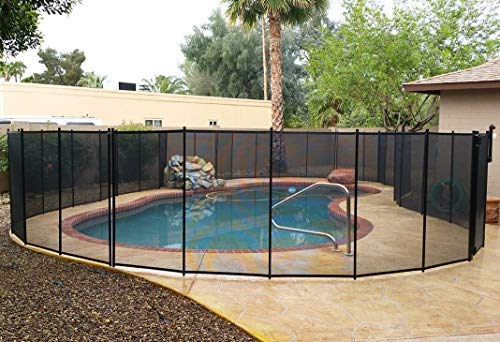
Pool fencing creates a critical safety barrier that prevents unsupervised access to your pool area. Install self-closing, self-latching gates at least 48 inches high with locks positioned beyond children’s reach. Choose removable mesh fencing for seasonal pools or permanent aluminum fencing for year-round installations.
Create Natural Privacy Screens
Hide unsightly backyard items with this stylish, real wood privacy screen. Its no-dig design allows for easy installation in approximately 90 minutes, creating a 5-foot tall barrier.

Strategically planted hedges and privacy trees transform your pool area into a secluded retreat. Fast-growing bamboo or evergreen shrubs like arborvitae create effective screens within 2-3 years. Position plantings 6-8 feet from the pool edge to avoid debris while maintaining privacy from neighboring properties.
Implement Pool Safety Equipment and Alarms
Modern pool safety systems provide multiple layers of protection beyond basic fencing requirements. Install pool alarms that detect surface disturbances and perimeter motion sensors around the deck area. Keep reaching poles, life rings, and first aid supplies in designated, easily accessible locations near your pool entrance.
Incorporate Water Features and Pool Enhancements
This solar fountain pump instantly adds beauty to your bird bath, pond, or garden. It operates automatically in direct sunlight with 6 different spray patterns, creating an attractive water display.

Water features and pool enhancements transform your basic swimming area into a dynamic aquatic experience. These additions create visual interest and soothing sounds that elevate your entire outdoor space.
Add Waterfalls or Fountain Elements
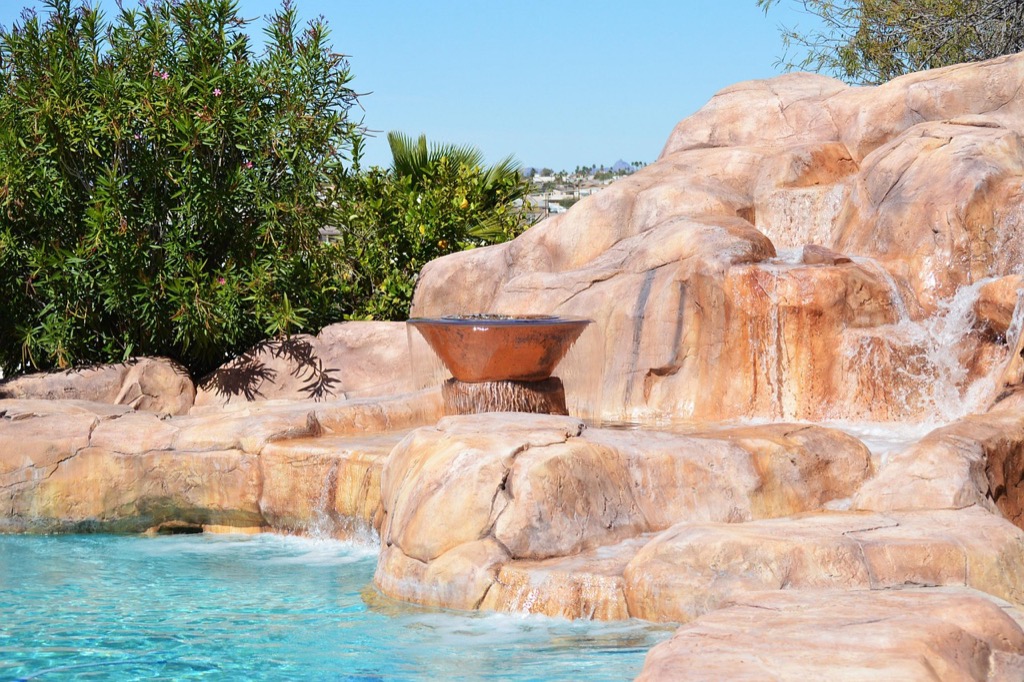
Waterfalls create a natural focal point that masks pool equipment noise with soothing water sounds. Rock waterfalls blend seamlessly with landscaping while adding visual height to flat pool areas. Fountain jets provide adjustable water displays that you can customize for different occasions. Install multiple water features at varying heights to create layered visual interest and natural sound barriers.
Install Pool Lighting Systems
Create vibrant ambiance with these submersible LED lights. Featuring 13 LEDs, a 200ft RF remote, and strong magnets/suction cups, they offer 16 colors, multiple modes, and extended battery life for versatile underwater or outdoor use.
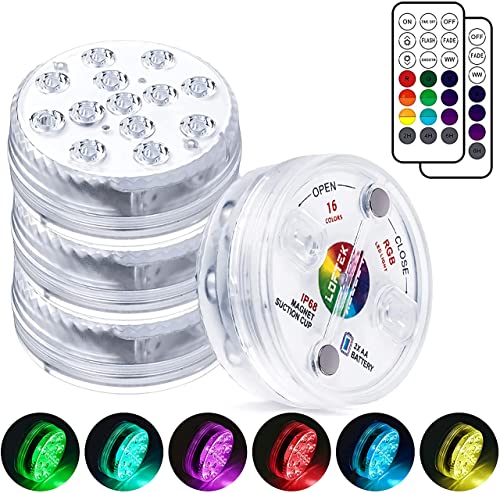
LED pool lighting extends your swimming season into evening hours with energy-efficient illumination. Underwater lights create dramatic effects while providing essential safety visibility for night swimming. Perimeter lighting highlights walkways and seating areas to prevent accidents in low-light conditions. Color-changing LED systems let you customize the mood for different events and celebrations.
Consider Heating Options for Extended Use
Pool heaters extend your swimming season by 3-4 months in most climates with consistent water temperatures. Heat pumps offer energy-efficient operation in moderate temperatures while gas heaters provide rapid heating for cooler conditions. Solar heating systems reduce operating costs significantly but require adequate roof space and southern exposure. Proper pool covers retain heat overnight and reduce heating costs by up to 50%.
Conclusion
Your pool area holds incredible potential beyond just swimming. With thoughtful planning and the right combination of features you can create an outdoor oasis that serves your family year-round.
The key lies in balancing functionality with style. Whether you’re adding entertainment zones creating dining spaces or enhancing safety measures each element should work together to support your lifestyle and preferences.
Remember that the best pool transformations happen gradually. Start with one or two improvements that excite you most then build from there. Your patience and investment will reward you with an outdoor space that becomes the heart of your home’s entertainment and relaxation activities.
Frequently Asked Questions
How can I transform my pool area into a multifunctional outdoor living space?
Create distinct zones using strategic lighting, comfortable seating arrangements, and hardscaping elements. Install weather-resistant furniture, add shade structures like pergolas or umbrellas, and incorporate entertainment features such as outdoor speakers or weatherproof TVs. Consider adding a poolside kitchen or swim-up bar to make the space perfect for year-round entertaining and relaxation.
What are the best plants for poolside landscaping?
Choose low-maintenance, pool-friendly plants like ornamental grasses and Mediterranean herbs that thrive in chlorinated environments. Avoid flowering trees that create debris. Use natural stone and decorative hardscaping to define different activity zones while ensuring plants can handle pool chemicals and splashing water without requiring excessive maintenance.
What type of outdoor furniture works best around pools?
Select weather-resistant materials like aluminum frames and teak that withstand pool chemicals and moisture. Modular sectionals offer flexibility for different group sizes. Consider built-in seating solutions like benches and ledges to maximize space. Always choose quick-dry cushions and furniture that won’t rust or deteriorate in humid pool environments.
How can I add entertainment features to my pool area?
Install waterproof wireless speakers positioned away from the pool edge for music. Add a weatherproof TV or projector setup for movie nights, considering glare reduction. Create gaming areas with floating game stations, adjustable basketball hoops, and volleyball nets. Designate separate zones for active games and quiet lounging to maintain harmony.
What storage solutions work best for pool areas?
Install weatherproof sheds or cabinets near the pool pump for equipment storage. Use built-in bench storage to conceal accessories while providing seating. Add strategic towel bars and waterproof bins for easy access to essentials. Create hidden storage for maintenance supplies using clearly labeled, waterproof containers to ensure safety and organization.
How do I create an outdoor dining area by the pool?
Position a poolside kitchen or grilling station 10-15 feet from the pool with built-in grills, prep counters, and weather-resistant storage. Consider a swim-up bar with waterproof stools and sealed cooler systems. Set up multiple dining zones with weather-resistant tables, quick-dry cushions, and serving carts for easy food service during gatherings.
What safety features should I install around my pool?
Install proper pool fencing at least 48 inches high with self-closing, self-latching gates. Create natural privacy screens with strategically planted hedges. Implement modern pool safety equipment including alarms and covers. These critical safety barriers protect children and pets while allowing you to fully enjoy your pool area with peace of mind.
How can water features enhance my pool experience?
Add waterfalls or fountain elements for visual interest and soothing sounds. Install LED pool lighting to extend swimming hours and improve safety. Consider heating options like heat pumps or solar systems to prolong the swimming season. These enhancements create a dynamic, spa-like atmosphere that transforms your pool into a year-round outdoor sanctuary.