5 Ways to Fix Poolside Drainage Problems
Discover 5 proven methods to solve poolside drainage issues! Learn deck grading, drainage systems, overflow management, landscaping solutions & maintenance tips.
Why it matters: Poor poolside drainage can transform your backyard oasis into a swampy mess that damages your property and creates safety hazards for swimmers.
What’s happening: Standing water around pools leads to slippery surfaces, mosquito breeding grounds, and potential structural damage to your pool deck and surrounding landscaping.
The bottom line: Effective drainage management protects your investment and ensures your pool area remains safe and enjoyable year-round.
Disclosure: As an Amazon Associate, this site earns from qualifying purchases. Thank you!
Install a Proper Deck Drainage System
Installing a comprehensive deck drainage system transforms your pool area from a waterlogged problem zone into a consistently safe and functional space. You’ll need multiple drainage solutions working together to handle the volume of water your pool deck encounters daily.
French Drain Installation Around Pool Perimeter
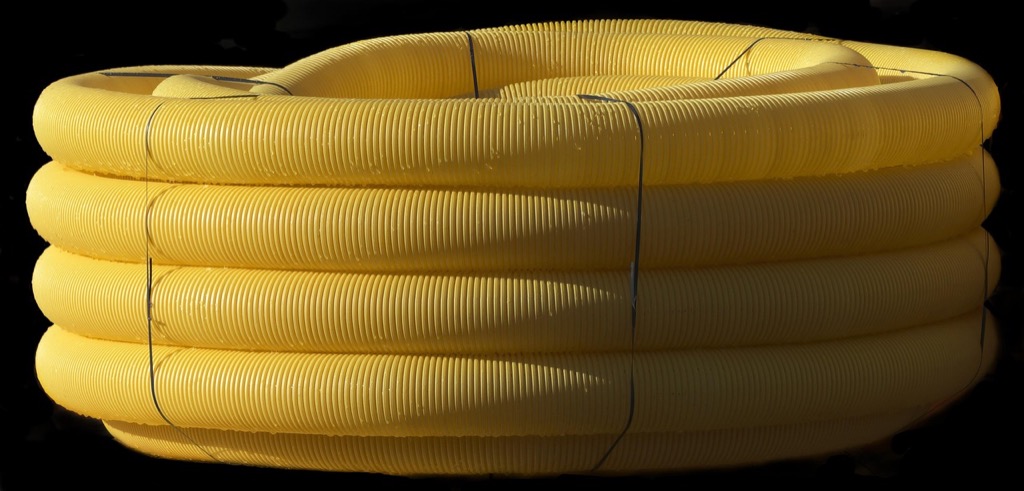
French drains create an invisible barrier against water accumulation by intercepting runoff before it reaches your deck. You’ll dig a 12-18 inch deep trench around your pool’s perimeter and fill it with graded gravel surrounding a perforated pipe. This system captures splash-out water and rainfall, directing it away from your pool foundation and preventing the standing water issues that create slip hazards and structural damage.
Channel Drains for Pool Deck Areas
Channel drains handle high-volume water flow across your deck surface through strategically placed linear collection points. You’ll install these grated drainage channels at deck edges, stair landings, and low-lying areas where water naturally pools. Modern channel drain systems can handle up to 50 gallons per minute and connect directly to your existing drainage infrastructure for seamless water removal.
Permeable Paving Materials Selection
Permeable paving materials eliminate surface water buildup by allowing drainage directly through your deck surface. You’ll choose from options like permeable concrete, porous pavers, or aggregate materials that maintain slip resistance while channeling water into underlying drainage layers. These materials reduce your drainage system workload by handling 10-20% of water infiltration naturally through the deck surface itself.
Grade Your Pool Deck for Optimal Water Flow
Proper deck grading is the foundation of effective poolside drainage. You’ll prevent most water problems by ensuring your deck slopes away from the pool consistently.
Creating Proper Slope Away From Pool
Your pool deck needs a minimum 1/4-inch slope per foot away from the pool edge. This creates natural water flow without creating tripping hazards or uncomfortable walking surfaces.
Install a string line and level to check your current slope. Mark high spots with chalk and build up low areas with concrete or self-leveling compound before water damage occurs.
Identifying and Fixing Low Spots
Low spots collect water and create slip hazards within hours of rain or splash-out. Walk your deck after watering down the surface to identify problem areas where water pools.
Use hydraulic cement or polymer-modified concrete to fill depressions. Sand these areas smooth after curing to prevent future water trapping and maintain consistent drainage patterns.
Professional Grading Techniques
Professional contractors use laser levels and transit systems to ensure consistent 2% grade across large deck areas. They’ll also install screed boards to maintain proper slope during concrete pours.
Consider hiring professionals for major grading work involving structural changes. They’ll ensure proper drainage ties into your existing system without compromising deck integrity or pool structure.
Upgrade Your Pool’s Overflow Management
Smart overflow management transforms problematic water accumulation into controlled drainage that protects your pool area. These upgrades work alongside your deck drainage system to handle sudden water surges and maintain consistent water levels.
Overflow Channel Maintenance
Clean overflow channels monthly to prevent blockages that cause water backup. Remove debris like leaves, dirt, and calcium buildup using a pool brush and mild acid cleaner. Check channel alignment quarterly since settling can create low spots where water pools instead of flowing toward drainage outlets.
Automatic Water Level Controls
Install float-activated water level controls to maintain optimal pool height without manual monitoring. These systems automatically drain excess water during heavy rainfall and refill during dry periods. Position sensors 2-3 inches below the pool’s overflow point to prevent deck flooding while maintaining proper skimmer operation.
Splash-Out Prevention Methods
Add pool deck edging or raised coping to contain splash-out water within your drainage system’s capacity. Install windscreens around diving areas where activity generates the most water displacement. Consider pool covers during parties or high-use periods to reduce water loss and prevent overwhelming your drainage infrastructure.
Implement Strategic Landscaping Solutions
Strategic landscaping transforms your pool drainage challenges into sustainable water management opportunities. You’ll create natural systems that work alongside your mechanical drainage to handle excess water while enhancing your outdoor space.
Rain Gardens for Natural Water Absorption
Rain gardens positioned downhill from your pool area capture and filter runoff naturally. You’ll want to plant native species like purple coneflower or black-eyed Susan that thrive in both wet and dry conditions. Design your rain garden 20-30% the size of the drainage area it serves for optimal water absorption capacity.
Strategic Plant Placement for Drainage
Thirsty plants like willow shrubs and ornamental grasses absorb significant water volumes when planted in problem drainage areas. You’ll see the best results placing these water-loving plants in natural low spots around your pool perimeter. Avoid shallow-rooted plants near pool structures that could compromise foundation stability.
Retaining Walls and Berms
Retaining walls redirect water flow away from your pool deck while creating attractive terraced landscaping. You’ll need walls at least 18 inches high to effectively channel water during heavy rainfall events. Combine retaining walls with drainage pipes behind them to prevent water buildup and structural pressure that could cause wall failure.
Regular Maintenance and Inspection Practices
Consistent maintenance schedules prevent minor drainage issues from becoming major structural problems. Your proactive approach to pool drainage care saves thousands in repair costs while ensuring safe water recreation.
Seasonal Drain Cleaning Schedules
Spring cleaning sets the foundation for your entire pool season. Remove winter debris from French drains and channel systems using a wet vacuum or pressure washer. Summer maintenance requires monthly checks of all drainage outlets, clearing leaves and pool chemicals that can create blockages. Fall preparation involves comprehensive flushing of your entire drainage network before winter freeze cycles begin.
Early Problem Detection Methods
Standing water patterns reveal drainage failures before structural damage occurs. Check for pooling water 24 hours after rain events, marking problem areas with spray paint for tracking. Water stains on deck surfaces indicate improper slope or blocked drainage channels requiring immediate attention. Musty odors around pool areas signal trapped moisture that can lead to mold growth and foundation issues.
Professional Assessment Guidelines
Annual professional inspections identify hidden problems your routine checks might miss. Schedule assessments in early spring when drainage systems face their heaviest workload from snowmelt and spring rains. Certified pool contractors use specialized equipment like drain cameras and flow meters to evaluate system performance. Emergency professional calls become necessary when you notice foundation settling, deck cracking, or persistent flooding despite regular maintenance efforts.
Conclusion
Taking control of your poolside drainage doesn’t have to be overwhelming. By implementing these five comprehensive strategies you’ll create a safer more enjoyable pool environment while protecting your property investment.
Remember that effective drainage management combines multiple approaches – from proper deck grading and strategic landscaping to regular maintenance schedules. The key is addressing issues proactively rather than waiting for costly problems to develop.
Start with the most pressing drainage concerns in your pool area and gradually implement additional solutions. With consistent attention to these drainage fundamentals you’ll maintain a beautiful functional pool space that you can enjoy for years to come.
Frequently Asked Questions
Why is proper drainage important around swimming pools?
Proper drainage prevents standing water that creates slippery surfaces and mosquito breeding grounds. Poor drainage can also cause structural damage to pool decks and landscaping. Effective drainage management protects your investment and maintains a safe, enjoyable pool area year-round.
What drainage systems should I install around my pool?
Install a comprehensive system including French drains around the pool perimeter to intercept runoff, channel drains for high-volume water flow, and permeable paving materials. These solutions work together to manage water volume effectively and enhance pool area safety.
How much slope should my pool deck have for proper drainage?
Maintain a minimum slope of 1/4 inch per foot away from the pool edge. This consistent grade facilitates natural drainage without creating tripping hazards. Professional contractors can ensure proper grading, especially for major structural changes.
What are overflow management techniques for pools?
Use automatic water level controls to maintain optimal pool height, install deck edging to prevent splash-out, and use pool covers when appropriate. Regular maintenance of overflow channels prevents blockages and ensures proper water flow during sudden surges.
How can landscaping help with pool drainage?
Create rain gardens downhill from the pool to capture runoff naturally using native plants. Place water-absorbing plants like willow shrubs in low spots around the perimeter. Use retaining walls and berms to redirect water flow while enhancing your landscape design.
How often should I maintain my pool drainage system?
Clean drains in spring to remove debris, check monthly during summer for blockages, and flush comprehensively in fall. Schedule annual professional assessments in early spring when systems face heavy stress. Call professionals immediately for foundation settling or persistent flooding issues.
What are signs of drainage problems around my pool?
Watch for standing water after rain, water stains on deck surfaces, and persistent wet spots. These indicate drainage failures that need immediate attention. Early detection prevents minor issues from becoming major structural problems requiring expensive repairs.
Can I fix drainage issues myself or should I hire professionals?
Minor maintenance like cleaning drains and filling small depressions with hydraulic cement can be DIY projects. However, hire professionals for major grading changes, comprehensive drainage system installation, and structural modifications to ensure proper integration and code compliance.