7 Eco-Friendly Pool Maintenance Tips That Protect Our Waters
Discover 7 eco-friendly pool maintenance tips that keep water crystal clear while protecting the environment. Save money with natural cleaners, energy-efficient pumps & smart water management practices.
Pool maintenance doesn’t have to harm the environment. Traditional pool care often relies on harsh chemicals that can damage local ecosystems and increase your carbon footprint – but there’s a better way.
Smart pool owners are making the switch to eco-friendly alternatives that keep water crystal clear while protecting the planet. These sustainable practices reduce chemical runoff slash energy costs and create a healthier swimming environment for your family.
The bottom line: You can maintain a pristine pool without compromising your environmental values or breaking the bank.
Disclosure: As an Amazon Associate, this site earns from qualifying purchases. Thank you!
Use Natural Pool Cleaning Products Instead of Harsh Chemicals
You’ll find that natural pool cleaning alternatives work just as effectively as traditional chemicals while protecting your family and the environment. These eco-friendly options reduce harmful runoff into local waterways and create a gentler swimming experience.
Switch to Enzyme-Based Pool Cleaners
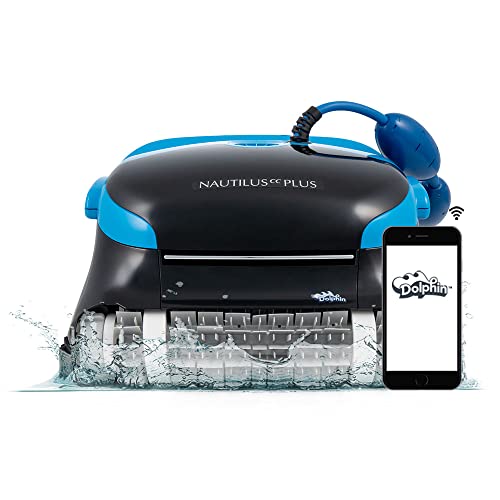
Clean your pool effortlessly with the Dolphin Nautilus CC Plus. Control scheduled cleanings from anywhere via Wi-Fi, while the powerful scrubber brush climbs walls for a thorough clean.
Enzyme-based cleaners break down organic contaminants like oils, lotions, and debris without toxic byproducts. You’ll notice clearer water and reduced chemical odors within days of switching.
These natural cleaners work continuously, digesting waste materials that traditional chlorine can’t eliminate effectively. Your pool equipment lasts longer since enzymes don’t corrode metal components like harsh chemicals do.
Try Baking Soda for pH Balance
ARM & HAMMER Baking Soda ensures fluffier baked goods with its pure, fine-grade formula. Made in the USA, it's also a versatile solution for cleaning, deodorizing, and more around your home.
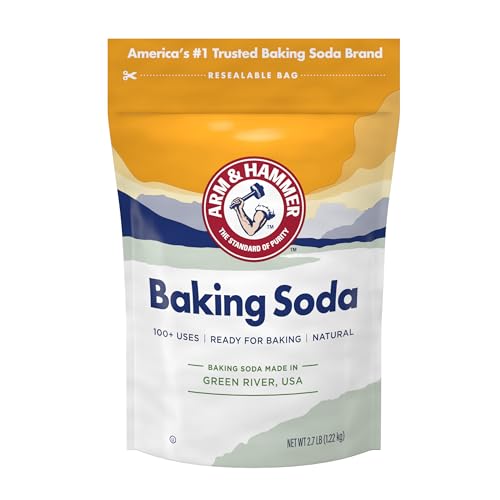
Baking soda naturally raises your pool’s pH levels and acts as a gentle alkalinity increaser. You’ll need about 1.5 pounds per 10,000 gallons to raise pH by 0.1 units.
This kitchen staple costs significantly less than commercial pH increasers and won’t irritate swimmers’ skin or eyes. Test your water weekly and add baking soda gradually to maintain optimal pH between 7.2-7.6.
Consider Salt Water Chlorination Systems
Enjoy cleaner, gentler pool water with this salt water chlorinator system. It uses saltwater electrolysis and features convenient Wi-Fi app control for easy monitoring and adjustments.

Salt water systems generate chlorine naturally through electrolysis, eliminating the need for liquid or tablet chemicals. You’ll enjoy softer-feeling water that’s gentler on skin, hair, and swimwear.
These systems require higher upfront investment but reduce ongoing chemical costs by 50-70% annually. The salt cells typically last 3-5 years and produce consistent sanitization without the storage hassles of traditional chemicals.
Install a Variable Speed Pool Pump to Reduce Energy Consumption
Keep your pool crystal clear with the KimFilter Pro Series 1000 GPH filter pump. It uses hydroaeration technology and an efficient Type A/C cartridge to powerfully circulate and filter your pool water, removing debris and maintaining a healthy pH balance.

Variable speed pool pumps cut energy consumption by up to 90% compared to single-speed models. You’ll slash your electricity bills while maintaining crystal-clear water quality.
Choose ENERGY STAR Certified Equipment
ENERGY STAR certified variable speed pumps meet strict efficiency standards that guarantee real savings. You’ll reduce energy costs by $300-800 annually while qualifying for utility rebates. Look for pumps with permanent magnet motors and smart controls that automatically adjust speeds based on your pool’s needs.
Optimize Pump Run Times for Maximum Efficiency
Run your variable speed pump at lower speeds for longer periods instead of high speeds for short bursts. You’ll achieve better filtration while using 75% less energy by running 8 hours at 1,500 RPM rather than 4 hours at 3,000 RPM. Program different speeds for cleaning cycles and overnight circulation.
Maintain Proper Water Chemistry to Minimize Chemical Usage
Balanced water chemistry is your secret weapon for using fewer harsh chemicals while keeping your pool crystal clear. When you maintain optimal levels consistently, your pool naturally resists algae growth and contamination.
Test Water Regularly with Digital Test Kits
Discover your origins with AncestryDNA. Get a detailed ethnicity estimate from over 2,600 regions and connect with living relatives through our easy-to-use DNA test kit.

Digital test kits give you precise readings that prevent chemical overuse and guesswork. Test your water 2-3 times weekly during peak season, focusing on pH, chlorine, and alkalinity levels. You’ll catch imbalances early before they require heavy chemical correction, saving money and reducing environmental impact.
Keep pH Levels Between 7.2 and 7.6
pH levels in this range maximize sanitizer efficiency while minimizing chemical consumption. When pH drifts above 7.6, chlorine becomes 50% less effective, forcing you to add more chemicals unnecessarily. Use muriatic acid or sodium bisulfate to lower pH, and soda ash to raise it gradually.
Monitor Total Alkalinity and Calcium Hardness
Total alkalinity should stay between 80-120 ppm to buffer pH swings and reduce chemical adjustments. Calcium hardness between 150-300 ppm prevents equipment corrosion and scaling that leads to inefficient chemical distribution. Test these monthly and adjust slowly to maintain stable water chemistry long-term.
Cover Your Pool When Not in Use to Conserve Resources
Pool covers aren’t just accessories—they’re your most powerful conservation tools. You’ll slash water waste, reduce chemical usage, and cut heating costs with one simple habit.
Invest in Solar Pool Covers for Heating
Keep your rectangular Intex pool clean and protected with this durable cover. Designed for 103" x 69" or 120" x 72" pools, it helps prevent debris from entering the water.

Solar covers capture and transfer heat directly into your pool water while preventing overnight heat loss. You’ll raise water temperature by 10-15 degrees naturally, eliminating the need for energy-intensive pool heaters during mild weather. These bubble-style covers cost $50-200 but can save you hundreds annually on heating bills.
Use Automatic Pool Covers for Convenience
Automatic covers encourage daily use because you’ll actually use them—no wrestling with heavy tarps or bubble wrap. Push-button operation means you’ll cover your pool consistently, maximizing water and energy savings. While the $8,000-15,000 investment seems steep, you’ll recover costs through reduced chemical and water replacement expenses.
Reduce Water Evaporation by Up to 95%
Uncovered pools lose 1-3 inches of water weekly through evaporation, forcing you to constantly refill and rebalance chemicals. Quality pool covers eliminate 95% of this water loss, preserving your carefully maintained water chemistry. You’ll cut water bills significantly while reducing the frequency of chemical adjustments and top-offs.
Clean Pool Filters Regularly to Improve System Efficiency
Clean filters are your pool’s respiratory system – when they’re clogged, everything works harder and costs more. Regular filter maintenance can reduce your pump’s energy consumption by 15-20% while extending equipment life and maintaining crystal-clear water quality.
Rinse Cartridge Filters with Garden Hose
Rinse your cartridge filters every 2-3 weeks during swimming season using a standard garden hose with spray nozzle. Remove filters and spray between each pleat from top to bottom, rotating to clean all surfaces thoroughly. This simple maintenance removes 80% of trapped debris and oils that restrict water flow through your system.
Backwash Sand Filters According to Pressure Readings
Monitor your pressure gauge and backwash when it reads 8-10 PSI above clean starting pressure. Run the backwash cycle for 2-3 minutes until water runs clear through the sight glass. Sand filters operating at proper pressure use 25% less energy than those running dirty, making this maintenance essential for efficiency.
Replace Filters on Manufacturer’s Schedule
Replace cartridge filters every 12-18 months regardless of appearance, as microscopic pore clogging reduces efficiency even when filters look clean. Sand should be replaced every 5-7 years, while DE filter grids need replacement every 2-3 years. Following manufacturer schedules prevents gradual efficiency loss that can increase operating costs by 30-40%.
Optimize Pool Heating with Solar or Heat Pump Technology
Smart heating technology transforms your pool from a seasonal luxury into a year-round haven while dramatically reducing energy costs. The right system can cut heating expenses by 50-80% compared to traditional gas heaters.
Install Solar Pool Heating Panels
Solar panels harness free energy from the sun to warm your pool water naturally. You’ll see water temperature increases of 8-15 degrees during peak sunlight hours, with most systems paying for themselves within 2-4 years through reduced energy bills.
Choose Energy-Efficient Heat Pumps
Heat pumps extract warmth from ambient air and transfer it to your pool water with remarkable efficiency. They use 75% less energy than electric resistance heaters and maintain consistent temperatures even when outdoor temps drop to 45°F.
Use Pool Blankets to Retain Heat Overnight
Pool blankets trap the heat you’ve generated during the day, preventing overnight temperature drops of 5-10 degrees. You’ll reduce heating costs by 30-50% while extending your swimming season and maintaining comfortable water temperatures around the clock.
Practice Water Conservation Through Smart Pool Management
Smart water management transforms your pool from a resource drain into an efficient system that minimizes waste while maintaining pristine conditions.
Fix Leaks Immediately to Prevent Water Waste
Detecting pool leaks early prevents thousands of gallons from disappearing silently. A small crack in your pool’s foundation can waste 30-50 gallons daily, while loose fittings around skimmers and returns often leak unnoticed for months. Perform monthly bucket tests by placing a marked container on your pool steps – if water levels drop faster than the bucket, you’ve got a leak that needs immediate professional attention.
Use Pool Water for Landscape Irrigation
Repurposing pool water for garden irrigation extends every drop’s usefulness before disposal. Dilute slightly chlorinated pool water with fresh water at a 1:1 ratio to safely water established trees and shrubs during routine backwashing or seasonal draining. This practice reduces your household’s total water consumption while giving your landscaping a boost, though you’ll need to avoid watering delicate plants or edible gardens with treated pool water.
Implement Rainwater Collection Systems
Installing rain collection systems around your pool area captures free water for future maintenance needs. Position collection barrels beneath downspouts near your pool equipment to gather water for topping off evaporation losses or diluting chemical treatments. During heavy rainfall, a single storm can provide 50-100 gallons of soft water that’s ideal for balancing your pool’s chemistry without adding minerals that increase hardness levels.
Conclusion
Making the switch to eco-friendly pool maintenance doesn’t mean compromising on water quality or breaking your budget. You’ll discover that sustainable practices often deliver better results while saving money on chemicals and energy costs.
Your pool can become an environmental asset rather than a burden when you implement these green strategies. From solar heating to natural cleaning products you’re creating a healthier swimming environment for your family while protecting local ecosystems.
The initial investment in energy-efficient equipment and eco-friendly products pays dividends through reduced utility bills and fewer chemical purchases. You’re not just maintaining a pool – you’re making a positive impact on your wallet and the planet.
Start with one or two changes that fit your budget and gradually expand your eco-friendly approach. Your sustainable pool maintenance journey begins with a single step toward cleaner water and a cleaner conscience.
Frequently Asked Questions
What are eco-friendly alternatives to traditional pool chemicals?
Natural pool cleaning products, enzyme-based cleaners, and baking soda are excellent eco-friendly alternatives. Enzyme-based cleaners break down organic contaminants without toxic byproducts, while baking soda effectively balances pH levels. Salt water chlorination systems generate chlorine naturally, reducing chemical costs and providing a softer swimming experience while being gentler on the environment.
How much can variable speed pool pumps reduce energy consumption?
Variable speed pool pumps can reduce energy consumption by up to 90% compared to single-speed models. Running pumps at lower speeds for longer periods achieves better filtration while using significantly less energy. This translates to substantial savings on electricity bills while maintaining excellent water quality and system performance.
What are the benefits of using ENERGY STAR certified pool equipment?
ENERGY STAR certified pool equipment meets strict efficiency standards and can save homeowners $300-800 annually on energy costs. These products often qualify for utility rebates, making them more affordable upfront. The certification ensures optimal performance while minimizing environmental impact and reducing long-term operating expenses for pool owners.
How often should I test my pool water chemistry?
Test your pool water 2-3 times weekly during peak swimming season using digital test kits. Monitor pH, chlorine, and alkalinity levels regularly. Maintain pH between 7.2-7.6, total alkalinity between 80-120 ppm, and calcium hardness between 150-300 ppm to maximize sanitizer efficiency and minimize chemical consumption while preventing equipment damage.
How much water evaporation can pool covers prevent?
Quality pool covers can reduce water evaporation by up to 95%, significantly preserving water chemistry and reducing the need for frequent chemical adjustments and refills. Solar pool covers can naturally raise water temperature by 10-15 degrees, potentially saving hundreds on heating bills while conserving both water and energy resources.
How does regular filter maintenance improve pool efficiency?
Clean filters can reduce pump energy consumption by 15-20% while extending equipment life and maintaining optimal water quality. Rinse cartridge filters every 2-3 weeks, backwash sand filters based on pressure readings, and replace filters according to manufacturer schedules. Proper maintenance prevents efficiency loss and reduces overall system strain.
What are the benefits of solar pool heating systems?
Solar pool heating panels harness free energy from the sun, increasing water temperatures by 8-15 degrees during peak sunlight hours. These systems typically pay for themselves within 2-4 years through reduced energy bills and can transform pools into year-round swimming havens while significantly reducing environmental impact and operating costs.
How can heat pumps reduce pool heating costs?
Energy-efficient heat pumps extract warmth from ambient air and use 75% less energy than traditional electric heaters. Combined with pool blankets to retain heat overnight, they can reduce heating costs by 30-50% while extending the swimming season. This technology provides consistent, efficient heating while minimizing environmental impact.
What smart water management practices can conserve pool water?
Fix leaks immediately using monthly bucket tests for detection, as small leaks can waste significant water over time. Repurpose slightly chlorinated pool water for landscape irrigation and implement rainwater collection systems to capture free water for pool maintenance. These practices reduce household water consumption while maintaining pool functionality.