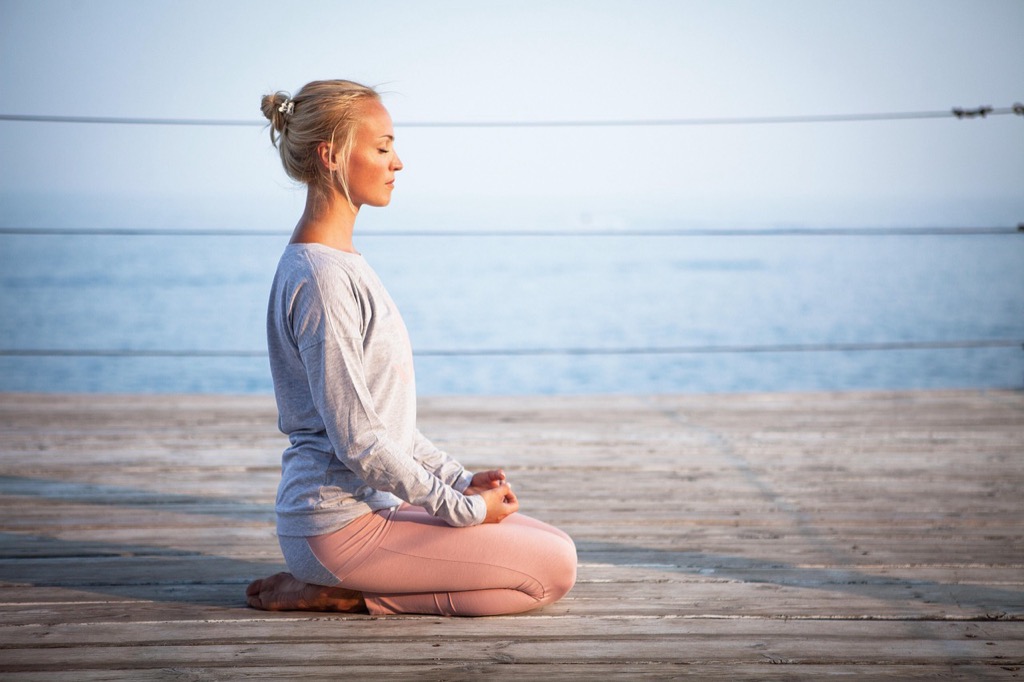
7 Tips for Beachside Mindfulness Practices Perfect for Summer Sunset
Discover how the beach’s natural elements enhance mindfulness. Learn 7 practical tips for meditation, breathing exercises, and grounding techniques using ocean waves and sand.
The beach naturally creates the perfect setting for mindfulness practice. The rhythmic sound of waves crashing against the shore combined with the vast open horizon provides an ideal backdrop for mental clarity and inner peace.
You’ll discover that practicing mindfulness by the ocean amplifies the benefits of traditional meditation techniques. The sensory-rich environment of sand between your toes salt air filling your lungs and endless blue views helps ground you in the present moment more effectively than indoor spaces.
Disclosure: As an Amazon Associate, this site earns from qualifying purchases. Thank you!
Establish Your Sacred Space on the Sand
Creating a dedicated space for your mindfulness practice transforms an ordinary beach visit into a meaningful retreat. Your sacred space becomes the foundation for deeper meditation and more focused awareness.
Choose a Quiet Spot Away From Crowds
Scout the shoreline for a section that’s naturally sheltered from heavy foot traffic. Look for areas behind dunes, near rock formations, or simply further down the beach where families with children don’t typically gather. Early morning or late afternoon sessions offer the most peaceful conditions.
Create Physical Boundaries With Natural Elements
Use driftwood, shells, or small stones to mark your meditation area in a gentle circle or square. These natural markers help your mind recognize the transition into sacred space while respecting the beach environment. Avoid disturbing wildlife habitats or removing live materials from their natural settings.
Set Up Comfortable Seating or Standing Position
Position yourself facing the horizon to maximize the calming effect of the endless ocean view. A beach towel or small cushion provides comfort on sand while maintaining your connection to the earth. Standing meditation works well too—plant your feet firmly and let the sand cradle your weight.
Practice Deep Breathing With Ocean Rhythms
The ocean’s natural rhythm creates the perfect metronome for mindfulness breathing exercises. You’ll find that matching your breath to the waves transforms ordinary breathing techniques into powerful beachside meditation practices.
Synchronize Your Breath With Wave Patterns
Count the seconds between wave arrivals to establish your breathing rhythm. Inhale as each wave builds and approaches the shore, then exhale as it retreats back into the ocean. This synchronization creates a natural four-to-six-second breathing cycle that automatically slows your heart rate and activates your body’s relaxation response.
Use the Sound of Waves as Your Meditation Timer
Let wave sounds replace traditional meditation timers or apps during your practice sessions. Count ten wave cycles for a short two-minute session, or extend to fifty cycles for deeper ten-minute meditations. The ocean’s consistent rhythm eliminates the jarring interruption of digital alarms while keeping you naturally focused on the present moment.
Incorporate Salt Air Into Your Breathing Exercises
Focus on the mineral-rich ocean air as you practice deliberate nasal breathing techniques. The salt content naturally opens your airways and provides a distinct sensory anchor for your attention. Draw the sea breeze deep into your lungs during inhales, then release any tension with long, controlled exhales that blend with the ocean’s endless rhythm.
Engage in Walking Meditation Along the Shoreline
Walking meditation transforms your beach experience from passive observation to active mindfulness practice. The shoreline offers a perfect natural pathway where each step becomes an opportunity to deepen your connection with the present moment.
Focus on the Sensation of Sand Between Your Toes
Remove your shoes and feel the sand’s texture shift beneath your feet with each step. Notice how the grains feel different as you move from dry sand to wet packed sand near the water’s edge. Let this tactile awareness anchor your attention to the physical sensations of walking rather than mental chatter.
Maintain Slow, Deliberate Steps
Walk at half your normal pace, placing each foot intentionally and feeling the complete transfer of weight from heel to toe. Count your steps in groups of ten to maintain focus, then restart the count. This deliberate slowness helps you notice subtle balance adjustments and muscle movements you’d normally miss.
Use the Water’s Edge as Your Mindful Path
Follow the natural boundary where waves meet sand, allowing the changing waterline to guide your direction. The wet sand provides consistent footing while the gentle slope toward the ocean creates a meditative rhythm. Walk parallel to the waves for 10-15 minutes, turning around when you feel ready to return.
Connect With Nature Through Mindful Observation
The beach offers endless visual opportunities for mindfulness practice. Your awareness deepens when you shift from rushing past these natural displays to truly observing them.
Watch Cloud Formations and Sky Changes
Cloud watching becomes meditation when you focus on their constant transformation. You’ll notice how coastal winds sculpt formations differently than inland areas, creating dramatic shifts in shape and density.
Track how clouds change color as they move across the sun’s path. This practice anchors you in the present moment while connecting you to the sky’s natural rhythm.
Observe Wildlife and Marine Life Respectfully
Shore birds offer perfect subjects for mindful observation as they follow predictable feeding patterns along the water’s edge. You can watch sandpipers dart between waves or pelicans glide just above the surface.
Maintain respectful distance to avoid disturbing their natural behaviors. This quiet observation develops patience while deepening your connection to the beach’s living ecosystem.
Notice the Interplay of Light on Water
Water reflects light differently throughout the day, creating an ever-changing canvas for mindful attention. You’ll see how morning sun creates golden pathways while afternoon light produces deeper blue reflections.
Focus on how wave movement breaks light into scattered diamonds across the surface. This natural light show provides a focal point that keeps your mind anchored in visual awareness.
Utilize Beach Elements for Grounding Techniques
The beach provides natural anchors that connect you immediately to the present moment. These elements work better than any indoor meditation prop because they’re alive and constantly changing.
Feel the Texture of Sand in Your Hands
Pick up handfuls of sand and let it slowly slip through your fingers. Focus on the grain size, temperature, and weight as it falls. This tactile experience grounds your attention instantly while activating your sense of touch in a mindful way.
Listen to the Layers of Ocean Sounds
Tune into the complex symphony beyond just crashing waves. Notice the subtle hiss of foam, the gurgle of retreating water, and distant bird calls. Each sound layer creates a natural meditation bell that draws your focus deeper into the present moment.
Embrace the Natural Temperature Changes
Feel the contrast between warm sand and cool ocean breeze on your skin. Notice how shadows shift your body temperature throughout your practice. These natural temperature variations keep you anchored in physical sensation without any effort on your part.
Practice Sunset or Sunrise Meditation Sessions
Timing your beachside mindfulness practice with the sun’s daily journey transforms ordinary meditation into something extraordinary. These transitional moments offer the perfect blend of natural beauty and inner reflection.
Time Your Practice With Golden Hour Light
Golden hour creates the most calming light conditions for extended meditation sessions. The soft, warm illumination reduces eye strain and naturally signals your body to enter a relaxed state.
Arrive 20-30 minutes before sunrise or sunset to settle into your practice space. You’ll catch the full spectrum of color changes as the light gradually shifts from deep blues to brilliant oranges and pinks.
Use Sun Position as a Natural Timer
The sun’s movement provides an organic way to structure your meditation without digital distractions. Position yourself so you can observe the sun’s progress along the horizon as your session unfolds.
A typical sunrise meditation lasts 15-20 minutes from first light to full daybreak. Sunset sessions can extend 25-30 minutes as the light fades more gradually into twilight.
Incorporate Gratitude for Natural Beauty
Witnessing the daily sunrise or sunset naturally cultivates appreciation for the moment you’re experiencing. Use the changing colors and shifting light as prompts for gratitude meditation.
Focus on three specific elements you’re grateful for as the light transforms around you. The rhythm of waves, the warmth on your skin, and the vastness of the horizon provide endless inspiration for thankful reflection.
Incorporate Movement-Based Mindfulness Activities
Moving your body while practicing mindfulness creates a powerful combination that deepens your connection to both the beach environment and your inner awareness. These gentle activities help you stay present while benefiting from the therapeutic effects of ocean air and natural surroundings.
Try Beach Yoga Poses on Stable Sand
Beach yoga transforms your practice by adding natural instability that challenges your balance and focus. Find packed sand near the water’s edge where your feet won’t sink too deeply, creating a stable foundation for poses like warrior III or tree pose. The uneven surface forces you to engage smaller stabilizing muscles, making each movement more mindful and intentional while the ocean’s rhythm guides your breathing.
Practice Tai Chi With Ocean Backdrop
Tai chi flows naturally with the beach’s peaceful energy, creating a moving meditation that matches the ocean’s gentle rhythm. The expansive horizon provides a perfect focal point for your slow, deliberate movements, while the sound of waves helps maintain your breathing cadence. Practice basic forms like “wave hands like clouds” or “embrace tiger, return to mountain” as the ocean breeze adds resistance to your movements.
Engage in Mindful Stretching Routines
Stretching on the beach combines physical release with mental relaxation, using the sand’s natural cushioning for comfort. Focus on gentle movements like neck rolls, shoulder shrugs, and seated spinal twists while listening to the layers of beach sounds around you. The warm sand supports your body during floor stretches, while the ocean’s constant motion reminds you to breathe deeply and release tension with each exhale.
Conclusion
Your journey toward beachside mindfulness starts with a single step onto the sand. The ocean’s natural rhythm and endless horizon create the perfect backdrop for deepening your meditation practice and finding inner peace.
Remember that consistency matters more than perfection when developing your beach mindfulness routine. Whether you have five minutes or an hour the shoreline offers countless opportunities to reconnect with yourself and nature.
The beauty of beachside mindfulness lies in its accessibility—you don’t need expensive equipment or years of training. Your breath the waves and the present moment are all you need to transform an ordinary beach visit into a powerful mindfulness experience.
Start small choose one technique that resonates with you and let the ocean guide your practice toward greater awareness and tranquility.
Frequently Asked Questions
Why is the beach considered an ideal location for mindfulness practice?
The beach offers unique natural elements that enhance mindfulness, including the rhythmic sound of waves, expansive ocean views, and sensory experiences like salt air and sand textures. These elements help practitioners stay grounded in the present moment more effectively than indoor settings, while the scenic environment promotes mental clarity and inner peace naturally.
How do I create a sacred meditation space on the beach?
Choose a quiet spot away from crowds, such as areas behind dunes or further down the shoreline. Visit during early morning or late afternoon for optimal tranquility. Use natural elements like driftwood or shells to mark your meditation area, and set up comfortable seating facing the horizon using a beach towel or cushion.
What breathing techniques work best at the beach?
Synchronize your breathing with the ocean’s natural rhythm by counting seconds between wave arrivals. Inhale as waves approach and exhale as they retreat, creating a calming four-to-six-second cycle. Practice deliberate nasal breathing to take advantage of the mineral-rich ocean air, which enhances relaxation and mindfulness benefits.
How can I practice walking meditation on the beach?
Walk slowly along the shoreline, focusing on the sensation of sand between your toes and texture changes from dry to wet sand. Take deliberate steps, counting in groups of ten to maintain focus. Use the water’s edge as your mindful path, transforming beach walking from passive observation into active mindfulness practice.
What nature observation techniques enhance beach mindfulness?
Practice cloud watching by focusing on their transformations and colors across the sky. Observe shore birds while maintaining respectful distance to deepen your connection to the beach ecosystem. Watch the interplay of light on water throughout the day, using changing reflections and wave patterns as visual anchors for mindfulness.
How do I use beach elements for grounding techniques?
Engage your senses by feeling sand texture slipping through your fingers, listening to layered ocean sounds, and experiencing natural temperature changes between warm sand and cool breezes. These tactile experiences serve as natural anchors that connect you to the present moment more effectively than indoor meditation props.
When is the best time for beach mindfulness practice?
Sunrise and sunset provide optimal conditions for beach mindfulness, offering beautiful backdrops for reflection and meditation. Arrive 20-30 minutes early to experience the changing sky colors fully. Use the sun’s position as a natural timer for meditation sessions, and incorporate gratitude practices during these magical moments.
What movement-based activities can I incorporate into beach mindfulness?
Practice beach yoga on stable sand to challenge balance and focus, engage in tai chi to flow with the ocean’s rhythm, or perform mindful stretching using sand’s natural cushioning. These gentle exercises deepen your connection to the beach environment while promoting physical well-being and enhancing inner awareness.