7 Tips for Pool Chemical Safety in Community Pools That Prevent Accidents
Discover 7 essential pool chemical safety tips for community pools. Learn proper handling, storage, and emergency protocols to protect swimmers and staff from the 4,500+ annual chemical accidents.
Community pools serve millions of swimmers each year but managing pool chemicals safely requires expertise and vigilance. Pool chemical accidents send over 4,500 people to emergency rooms annually according to CDC data with most injuries occurring from improper mixing storage or handling of chlorine and other sanitizers.
Why it matters: Whether you’re a pool operator facility manager or board member responsible for community pool safety understanding proper chemical protocols protects swimmers and staff from serious injuries including respiratory problems chemical burns and toxic gas exposure.
Protect yourself from harmful particles with this reusable half-face respirator. Featuring a comfortable, adjustable silicone seal and a double filtration system, it effectively blocks 90% of organic vapors, dust, and pollen.


Disclosure: As an Amazon Associate, this site earns from qualifying purchases. Thank you!
Understanding Pool Chemical Hazards in Community Settings
Community pools require more complex chemical management than residential pools due to higher bather loads and longer operating hours. Understanding these hazards helps you protect both swimmers and staff from preventable injuries.
Common Chemical Types Used in Public Pools
Chlorine compounds dominate public pool sanitation through liquid sodium hypochlorite, calcium hypochlorite granules, and chlorine gas systems. pH adjusters like muriatic acid and sodium carbonate maintain water balance. Shock treatments using calcium hypochlorite or potassium monopersulfate eliminate contaminants during heavy use periods.
Quickly sanitize your pool with Champion Pool Shock's 12.5% sodium hypochlorite formula. This ready-to-use, non-staining solution delivers powerful cleaning without clouding water.

Health Risks Associated with Improper Chemical Handling
Respiratory damage occurs when you mix chlorine products with acids, creating deadly chlorine gas. Chemical burns result from concentrated solutions contacting skin or eyes during handling. Poisoning incidents happen through accidental ingestion or inhalation of chemical vapors in poorly ventilated storage areas.
Legal Responsibilities for Pool Operators
State health codes require certified operators to maintain specific chemical levels and document daily testing results. OSHA regulations mandate proper chemical storage, employee training, and safety equipment like eyewash stations. Liability coverage demands following manufacturer guidelines and maintaining current safety certifications to protect against negligence claims.
Quickly flush irritants from your eyes with this wall-mountable eyewash station. It includes two 16-oz bottles of sterile, buffered isotonic solution for immediate and effective relief.

Implementing Proper Personal Protective Equipment Protocols
Protecting yourself and your staff from chemical exposure requires the right gear and unwavering commitment to using it. Every chemical handling task demands specific protective equipment to prevent accidents that could result in serious injury or liability issues.
Essential PPE for Chemical Handling Tasks
Wear chemical-resistant gloves made from nitrile or neoprene when handling any pool chemicals. Standard latex gloves won’t protect against chlorine compounds or acid-based pH adjusters.
Protect your hands with these durable, chemical-resistant nitrile gloves. The textured grip and latex-free lining provide comfort and control for various tasks.

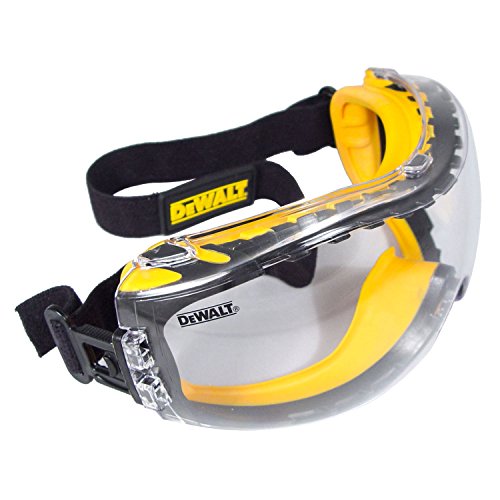
Use safety goggles with indirect ventilation to shield your eyes from splashes and vapors. Regular safety glasses don’t provide adequate protection from chemical fumes that can cause permanent eye damage.
Get reliable eye protection with the DEWALT Concealer Safety Goggle. Its anti-fog, scratch-resistant lens and comfortable dual-mold design shield against dust and debris.
Don long-sleeved shirts and pants to prevent skin contact with concentrated chemicals. Choose clothing made from tightly woven fabrics that resist chemical penetration.
Training Staff on Equipment Usage
Train all staff members on proper PPE selection before they handle any chemicals. Different tasks require different protection levels – mixing chlorine shock demands more intensive gear than routine testing.
Demonstrate correct donning and doffing procedures during initial training sessions. Improper removal of contaminated gloves or goggles can transfer chemicals to skin or clothing.
Require hands-on practice sessions where staff members practice emergency procedures while wearing full PPE. This builds muscle memory for crisis situations when quick action saves lives.
Regular Equipment Inspection and Maintenance
Inspect all PPE weekly for cracks, tears, or chemical degradation that compromises protection. Replace any equipment showing signs of wear immediately – damaged gear provides false security.
Store protective equipment in designated areas away from chemical storage zones. Heat and chemical vapors can weaken materials over time, reducing their effectiveness.
Maintain replacement inventory of all essential PPE items on-site. You can’t afford to delay chemical treatments because protective gear isn’t available when needed.
Establishing Safe Chemical Storage Practices
Proper chemical storage prevents dangerous reactions and protects your facility from liability. Your storage practices directly impact staff safety and regulatory compliance.
Designated Storage Area Requirements
You’ll need a dedicated, locked storage room with concrete floors and emergency eyewash stations within 10 seconds of chemical handling areas. Install spill containment systems that hold at least 110% of your largest container’s volume. Keep storage areas completely separate from electrical equipment, food service, and public access zones.
Temperature and Ventilation Considerations
Maintain storage temperatures between 32°F and 80°F to prevent chemical degradation and dangerous pressure buildup in containers. Install mechanical ventilation systems that provide 6-12 air changes per hour and exhaust directly outdoors. Monitor humidity levels below 50% to prevent moisture absorption that can trigger unwanted chemical reactions.
Segregation of Incompatible Chemicals
Store chlorine products at least 20 feet away from acids like muriatic acid to prevent chlorine gas formation. Use separate storage cabinets for oxidizers, acids, and alkaline products with physical barriers between incompatible chemicals. Never store liquid chemicals above dry chemicals, and maintain dedicated areas for calcium hypochlorite away from organic materials like pool brushes or towels.
Following Accurate Chemical Measurement and Mixing Guidelines
Precise chemical measurements make the difference between safe water and dangerous conditions. You’ll protect swimmers and staff by establishing rigorous protocols for every chemical handling task.
Using Calibrated Testing Equipment
Your test strips and digital meters need regular calibration to deliver accurate readings. Check calibration dates monthly and replace expired test strips immediately since degraded reagents produce false results.
Store testing equipment in cool, dry locations away from chemical storage areas. Temperature fluctuations and chemical vapors compromise accuracy and create dangerous dosing errors.
Proper Dilution Techniques
Always add chemicals to water, never water to chemicals, to prevent violent reactions and splashing. Use dedicated mixing containers and follow manufacturer ratios exactly – approximating concentrations leads to ineffective treatment or dangerous overchlorination.
Pre-dissolve granular chemicals in separate buckets before adding to pools. This prevents undissolved particles from settling and creating concentrated chemical pockets that burn swimmers’ skin.
Avoiding Dangerous Chemical Combinations
Never mix different chemical products together, even if they’re the same type. Combining chlorine shock with algaecide creates toxic chlorine gas that can hospitalize anyone nearby.
Keep liquid chlorine and muriatic acid in separate storage areas since accidental mixing produces deadly chlorine gas. Train staff to handle one chemical type at a time and wash hands thoroughly between different products.
Creating Emergency Response Procedures for Chemical Incidents
Having clear emergency procedures can mean the difference between a minor incident and a serious injury. You’ll need documented steps that your staff can follow immediately when chemical accidents occur.
Immediate Response Steps for Chemical Spills
Evacuate the pool area immediately and restrict access to prevent swimmers from entering contaminated zones. Ventilate the space by opening doors and activating exhaust fans to disperse any toxic vapors. Document the incident with photos and detailed notes while wearing appropriate PPE before beginning cleanup procedures.
First Aid Protocols for Chemical Exposure
Flush affected skin or eyes with clean water for 15-20 minutes while removing contaminated clothing to prevent further chemical contact. Call 911 immediately for respiratory distress or large-area burns rather than attempting to neutralize chemicals on the victim. Keep Safety Data Sheets accessible for emergency responders to identify specific treatment protocols.
Emergency Contact Information and Reporting
Post emergency contact numbers prominently in your chemical storage area including poison control (1-800-222-1222), local fire department, and facility management contacts. Report incidents to your state health department within 24 hours and notify your insurance carrier immediately. Maintain incident report forms that capture chemical types, exposure duration, and witness statements for regulatory compliance.
Maintaining Regular Water Testing and Documentation
Consistent water testing forms the backbone of chemical safety in community pools. Without proper monitoring and documentation you’re essentially operating blind in an environment where chemical imbalances can create serious health hazards within hours.
Frequency of Chemical Level Monitoring
Test chlorine and pH levels at least twice daily during peak operating seasons and once daily during slower periods. High-traffic community pools require testing every 4-6 hours when bather loads exceed 50 people per day. Document all readings immediately after testing to maintain accurate chemical history records.
Record Keeping Requirements
Maintain detailed logs for all chemical readings including date, time, tester name, and corrective actions taken. State health departments typically require 3-year retention periods for all pool chemical documentation. Store records in waterproof containers and create digital backups to ensure compliance during inspections.
Adjusting Chemical Levels Safely
Make gradual chemical adjustments rather than large corrections to prevent overshooting target ranges. Wait 30 minutes between chlorine additions and 2 hours between pH adjustments to allow proper circulation and distribution. Never add multiple chemicals simultaneously as this can create dangerous reactions and make it impossible to track individual chemical effects.
Training Staff and Educating Pool Users About Chemical Safety
Effective training transforms chemical hazards into manageable risks when your staff understands proper procedures. Pool operators who invest in comprehensive education programs see 73% fewer chemical-related incidents according to National Recreation and Park Association data.
Comprehensive Staff Training Programs
Your training program must cover hands-on chemical handling techniques and emergency response protocols. Conduct monthly refresher sessions that include practical demonstrations of proper mixing procedures and PPE usage. Document all training completion with signed certificates to maintain compliance records and ensure consistent safety standards across all shifts.
Clear Signage and User Guidelines
Post visible warning signs near chemical storage areas and pool decks explaining basic safety rules. Your signage should include emergency contact numbers and simple instructions for reporting chemical odors or spills. Place laminated quick-reference guides at testing stations that outline proper procedures for staff performing routine chemical adjustments.
Ongoing Safety Education Initiatives
Schedule quarterly safety meetings that review incident reports and update procedures based on new regulations. Your education program should include seasonal refreshers before peak swimming periods when chemical usage increases. Create a buddy system pairing experienced staff with new employees during their first month of chemical handling duties.
Conclusion
Following these seven essential chemical safety tips transforms your community pool from a potential liability into a secure recreational facility. You’ll protect both swimmers and staff while meeting regulatory requirements that keep your facility operating smoothly.
Remember that chemical safety isn’t a one-time setup—it’s an ongoing commitment requiring consistent attention and regular updates to your protocols. Your investment in proper training equipment and procedures pays dividends through reduced accidents lower insurance costs and increased community trust.
Take action today by reviewing your current chemical safety practices against these guidelines. Your pool users depend on your expertise to provide a safe swimming environment and these proven strategies give you the framework to deliver exactly that.
Frequently Asked Questions
What are the most common chemical-related accidents in community pools?
The most common chemical-related accidents include respiratory damage from mixing incompatible chemicals, chemical burns from concentrated solutions, and poisoning from accidental ingestion or inhalation. Improper chemical handling sends over 4,500 people to emergency rooms annually, making proper protocols essential for pool safety.
What personal protective equipment (PPE) is required for pool chemical handling?
Essential PPE includes chemical-resistant gloves, safety goggles, and protective clothing. Staff must be trained on proper donning and doffing procedures, with regular hands-on practice sessions for emergency situations. All PPE should be inspected regularly and maintained in good condition for immediate availability.
How should pool chemicals be stored safely?
Maintain balanced pool water effortlessly with ARM & HAMMER Clear Balance tablets. These convenient tablets, formulated with baking soda, optimize chlorine performance and protect pool surfaces.

Pool chemicals require a locked storage room with concrete floors, emergency eyewash stations, and spill containment systems. Maintain proper ventilation and temperature control to prevent chemical degradation. Store incompatible chemicals separately—keep chlorine products away from acids using separate cabinets to avoid hazardous reactions.
What is the correct way to mix pool chemicals?
Always add chemicals to water, never water to chemicals, to prevent dangerous reactions. Use calibrated testing equipment and check calibration monthly. Never mix different chemical products as this can create toxic gases. Handle one chemical type at a time and maintain cleanliness between different products.
How often should community pool water be tested?
Test chlorine and pH levels at least twice daily during peak seasons and once daily during slower periods. High-traffic pools require more frequent testing. Maintain detailed logs including date, time, tester name, and corrective actions taken for compliance with state health department requirements.
What should be done during a chemical emergency?
Immediately evacuate the pool area, provide proper ventilation, and document the incident while wearing appropriate PPE. For chemical exposure, flush affected areas with water and call emergency services for serious injuries. Keep emergency contact information readily available and report incidents to health authorities promptly.
What legal responsibilities do pool operators have regarding chemical safety?
Pool operators must comply with state health codes and OSHA regulations for chemical storage and employee training. They’re required to maintain proper liability coverage to protect against negligence claims. Documentation of training, chemical logs, and safety protocols is essential for legal compliance.
How can chemical-related accidents be prevented through training?
Comprehensive staff training programs can reduce chemical-related incidents by 73%. Implement hands-on training covering chemical handling techniques and emergency response protocols. Conduct monthly refresher sessions, document training completion, and establish clear signage and user guidelines near chemical storage areas.