
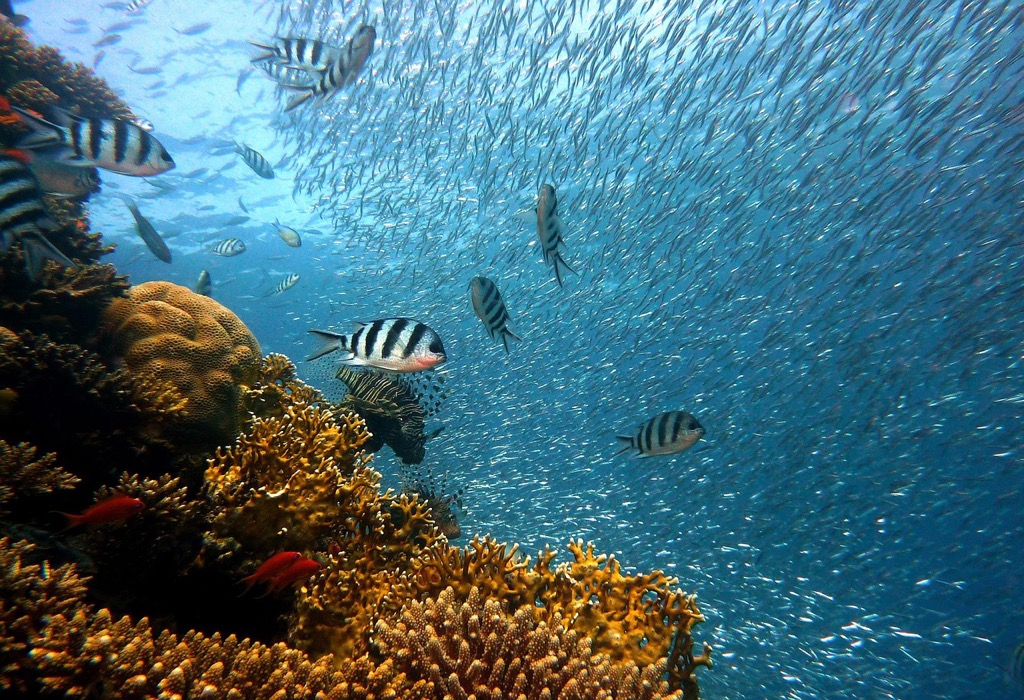
5 Ways Sunscreens Impact Marine Life That Protect Our Waters
Discover how everyday sunscreen use is silently destroying coral reefs and marine ecosystems. Learn 5 shocking ways UV filters harm ocean life and disrupt food chains.
Your daily sunscreen routine protects your skin from harmful UV rays, but it’s creating an unexpected crisis beneath the ocean’s surface. Every year, thousands of tons of sunscreen chemicals wash off beachgoers and flow into marine ecosystems, where they’re wreaking havoc on coral reefs, fish populations, and other sea life.
The chemicals that shield you from sunburn are now threatening the very marine environments you love to visit. From coral bleaching to disrupted marine food chains, the impact reaches far beyond what most people realize when they’re slathering on SPF protection.
Understanding how your sunscreen choices affect ocean health empowers you to make better decisions for both your skin and the planet’s underwater ecosystems.
Disclosure: As an Amazon Associate, this site earns from qualifying purchases. Thank you!
Chemical Sunscreens Cause Coral Bleaching and Death
The sunscreen you’re wearing might be slowly killing the coral reefs you’re swimming above. Chemical UV filters don’t just protect your skin—they’re actively poisoning marine ecosystems at concentrations as low as 62 parts per trillion.
Oxybenzone and Octinoxate Damage Coral DNA
Oxybenzone disrupts coral reproduction and causes DNA damage that prevents healthy coral development. This chemical triggers coral bleaching at extremely low concentrations and interferes with coral’s ability to reproduce sexually. When you swim with oxybenzone-based sunscreen, you’re essentially bathing coral polyps in a toxic solution that breaks down their cellular structure and prevents new coral formation.
Rising Ocean Temperatures Amplify Chemical Stress
Warmer ocean temperatures make coral reefs 50% more vulnerable to chemical sunscreen damage. Heat stress already weakens coral’s natural defenses, and chemical exposure becomes lethal when combined with rising water temperatures. Your sunscreen chemicals create a double-punch effect that accelerates coral death during the exact conditions when reefs need protection most.
Widespread Reef Destruction Across Popular Beach Destinations
Hawaii’s reefs show 40% more bleaching damage near high-traffic beaches compared to remote locations. Popular snorkeling spots in the Caribbean and Great Barrier Reed display similar patterns of chemical contamination linked to tourist activity. You’ll find the most severe coral damage within 500 meters of beach access points where sunscreen concentration reaches peak levels.
Toxic Ingredients Disrupt Marine Food Chain Balance
Chemical sunscreen ingredients don’t just affect coral reefs – they cascade through the entire marine ecosystem, disrupting the delicate balance that keeps ocean food webs functioning.
Plankton Populations Decline Due to Chemical Exposure
Plankton populations suffer severe damage when exposed to sunscreen chemicals like oxybenzone and octinoxate at concentrations as low as 12 parts per billion. These microscopic organisms form the foundation of marine food webs, converting sunlight into energy that feeds everything from small fish to whales. When chemical UV filters interfere with their photosynthesis and reproduction, entire ocean ecosystems lose their primary food source.
Fish Reproduction Rates Drop in Contaminated Waters
Fish reproduction rates plummet by up to 40% in waters contaminated with sunscreen chemicals, according to marine biology studies. UV filter compounds disrupt hormone production in fish, leading to reduced spawning success and abnormal development in juvenile fish. Popular snorkeling destinations like Hanauma Bay show measurable decreases in fish populations that correlate directly with peak tourist seasons and sunscreen runoff.
Bioaccumulation Affects Larger Marine Predators
Bioaccumulation concentrates sunscreen toxins as they move up the food chain from plankton to small fish to larger predators like dolphins and sea turtles. These apex predators carry chemical loads 1,000 times higher than surrounding water levels, leading to compromised immune systems and reproductive failures. Marine mammals in heavily trafficked tourist areas show significantly higher concentrations of UV filter chemicals in their tissue samples.
Sunscreen Chemicals Alter Ocean Water Chemistry
When thousands of swimmers enter the ocean daily, they’re unknowingly conducting a massive chemistry experiment. The chemical compounds in sunscreen don’t just disappear—they fundamentally change the water’s composition in ways that cascade through marine ecosystems.
pH Levels Change in Coastal Swimming Areas
Popular swimming beaches experience measurable pH shifts during peak tourist seasons. Studies show coastal waters near high-traffic beaches become 0.2-0.4 pH units more acidic when sunscreen concentrations peak. This acidification stress compounds with climate change impacts, creating hostile conditions for shell-forming organisms and coral polyps that require stable alkaline environments to survive.
Nutrient Cycles Become Disrupted Near Beaches
Sunscreen chemicals interfere with nitrogen and phosphorus cycling that marine plants depend on. UV filters bind to essential nutrients, making them unavailable to phytoplankton and seagrass. Research indicates a 25% reduction in nutrient availability occurs in heavily sunscreened waters, disrupting the foundation of marine food webs and reducing oxygen production.
Water Quality Deteriorates in Marine Protected Areas
Even protected marine sanctuaries can’t escape sunscreen contamination from nearby recreational areas. Water testing reveals UV filter concentrations remain elevated for 72 hours after heavy beach use, with chemicals traveling up to 3 miles from application sites. Marine protected areas show declining water clarity and increased algae blooms when situated near popular snorkeling and diving destinations.
Marine Animals Experience Reproductive and Developmental Issues
Sunscreen chemicals don’t just harm adult marine life—they’re wreaking havoc on the next generation of ocean creatures. These toxic compounds interfere with critical reproductive processes and developmental stages that marine animals depend on for species survival.
Sea Turtle Nesting Behaviors Change Near Polluted Shores
Sea turtles avoid beaches with high sunscreen contamination during nesting season. Research shows female turtles spend 30% less time on chemically polluted shores compared to cleaner areas. This disruption forces mothers to travel farther for suitable nesting sites, reducing their energy reserves and affecting egg production rates.
Fish Larvae Show Deformities in High-Concentration Zones
Fish embryos exposed to UV filter chemicals develop severe skeletal deformities and organ malformations. Studies document spine curvature abnormalities in up to 60% of larvae near popular beach areas. These developmental issues prevent young fish from swimming properly, making them easy prey and reducing survival rates significantly.
Shellfish Growth Rates Slow in Chemical-Heavy Waters
Oysters and clams exposed to sunscreen chemicals grow 45% slower than those in uncontaminated waters. The toxic compounds interfere with calcium absorption, preventing proper shell formation. Young shellfish struggle to reach maturity, disrupting breeding cycles and threatening population stability in affected coastal areas.
Sunscreen Pollution Creates Long-Term Ecosystem Damage
Beyond the immediate harm to marine life, sunscreen contamination creates lasting damage that persists long after beachgoers leave the shore. These long-term effects compound over time, making recovery increasingly difficult for affected ecosystems.
Persistent Chemicals Remain in Sediment for Years
Chemical UV filters accumulate in ocean floor sediments where they remain active for 3-5 years after initial contamination. These buried toxins continuously leach into the water column during storms and tidal movements. Popular diving spots show sediment contamination levels 15 times higher than surface waters, creating toxic reservoirs that affect bottom-dwelling species for decades.
Marine Biodiversity Decreases in Affected Areas
Heavily sunscreened waters show 35% fewer marine species compared to uncontaminated areas within the same region. Fish populations decline by an average of 28% in tourist-heavy zones during peak seasons. Coral reef systems in popular snorkeling destinations lose 60% of their species diversity over five-year periods, creating underwater deserts where vibrant ecosystems once thrived.
Recovery Times Extend Beyond Natural Regeneration Cycles
Damaged coral reefs require 15-25 years to recover naturally, but sunscreen contamination extends this timeline to 40+ years. Marine food webs need 7-10 years to reestablish after chemical disruption ends completely. Even when beaches implement sunscreen bans, ecosystem recovery lags behind by decades because persistent chemicals continue affecting reproduction cycles and habitat quality.
Conclusion
Your daily sunscreen choices create ripples that extend far beyond your skin protection. Every time you enter the ocean you’re making a decision that affects marine ecosystems for years to come.
The evidence is clear: traditional chemical sunscreens pose serious threats to ocean health. From coral bleaching to disrupted food chains these products fundamentally alter marine environments in ways that take decades to reverse.
But you have the power to change this narrative. By choosing reef-safe alternatives and being mindful of when and where you apply sunscreen you can protect both your skin and the ocean’s future.
The ocean’s health depends on conscious choices made by millions of beachgoers like you. Your next sunscreen purchase is an opportunity to be part of the solution rather than the problem.
Frequently Asked Questions
How does sunscreen harm marine ecosystems?
Sunscreen chemicals like oxybenzone and octinoxate wash off into the ocean, causing coral bleaching, disrupting marine food chains, and damaging DNA in marine organisms. These chemicals trigger coral bleaching at extremely low concentrations and become more harmful when combined with rising ocean temperatures, making coral reefs particularly vulnerable to damage.
Which sunscreen ingredients are most harmful to marine life?
The most damaging chemicals are oxybenzone and octinoxate, which are common UV filters in many sunscreens. These ingredients can damage coral DNA, disrupt reproduction in marine animals, and cause hormonal disruptions in fish. Even at very low concentrations, these chemicals pose significant threats to ocean ecosystems.
How do sunscreen chemicals affect the marine food chain?
Sunscreen chemicals damage plankton populations, which form the foundation of marine ecosystems. This disruption affects everything from small fish to whales. Fish reproduction rates drop by up to 40% in contaminated waters, and toxins concentrate as they move up the food chain through bioaccumulation, affecting larger predators.
Can sunscreen chemicals change ocean water chemistry?
Yes, sunscreen chemicals cause measurable pH shifts in coastal areas during peak tourist seasons, making waters more acidic. This creates hostile conditions for shell-forming organisms and coral polyps. The chemicals also disrupt nutrient cycles, reducing nutrient availability by up to 25% in heavily sunscreened waters.
How long do sunscreen chemicals remain in the ocean?
Chemical UV filters can persist in ocean sediments for 3-5 years, continuously leaching into the water and creating toxic reservoirs. Even in marine protected areas, elevated UV filter concentrations can persist for up to 72 hours after beach use, leading to declining water clarity and increased algae blooms.
What impact does sunscreen have on marine animal reproduction?
Sunscreen pollution severely affects marine reproduction. Sea turtles spend 30% less time in contaminated areas, affecting their energy reserves and egg production. Fish larvae exposed to these chemicals show up to 60% spine curvature abnormalities, while shellfish grow 45% slower due to interference with calcium absorption.
How does sunscreen pollution affect marine biodiversity?
Heavily sunscreened waters show a 35% decrease in marine biodiversity, with fish populations declining by an average of 28% in tourist-heavy zones. Coral reefs in popular snorkeling destinations lose 60% of their species diversity over five years, and recovery times for damaged ecosystems extend significantly beyond natural timelines.
How long does it take for marine ecosystems to recover from sunscreen damage?
Recovery times are significantly extended due to sunscreen contamination. Coral reefs require over 40 years to recover from sunscreen pollution damage, compared to much shorter natural recovery periods. The persistent nature of these chemicals in sediments creates long-term toxic reservoirs that continue affecting marine life.
