7 Best Tools for Efficient Beach Cleanup Efforts That Protect Our Waters
Discover 7 essential tools that make beach cleanups safer and more effective, from grabber tools to water testing kits for comprehensive coastal restoration.
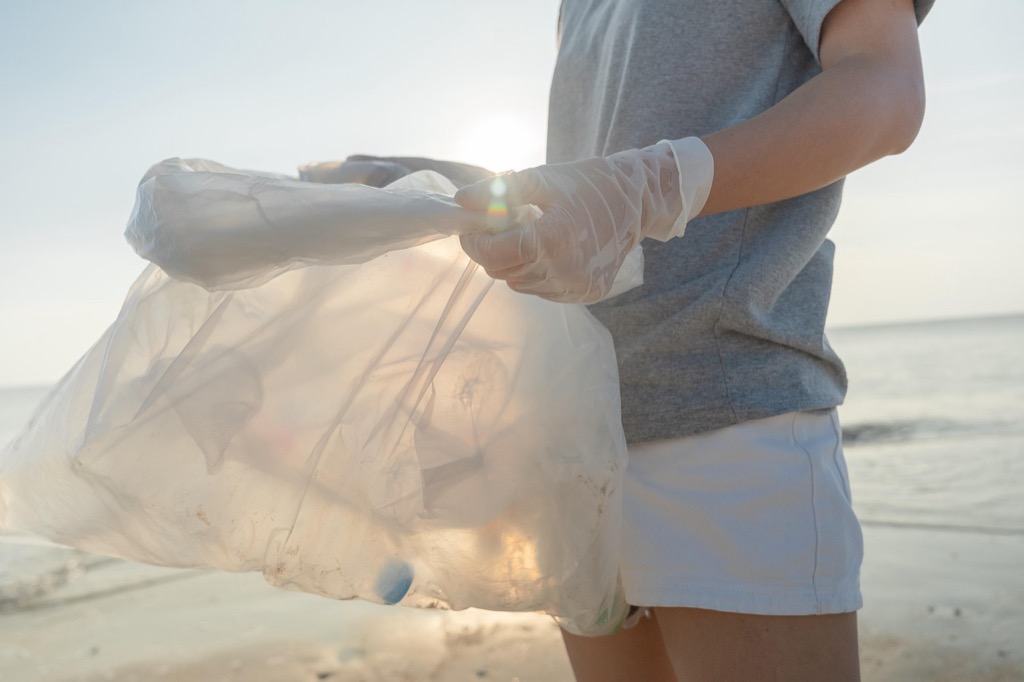
Beach cleanup efforts across the US are becoming more critical as marine debris continues to threaten coastal ecosystems and wildlife. You’ll find that having the right tools can dramatically increase your cleanup efficiency and make the process safer for volunteers.
Whether you’re organizing a community cleanup or joining an existing effort, the proper equipment transforms what could be a frustrating experience into an impactful environmental action that actually makes a difference.
Disclosure: As an Amazon Associate, this site earns from qualifying purchases. Thank you!
Grabber Tools for Hard-to-Reach Debris
Grabber tools transform beach cleanup efficiency by extending your reach and protecting your back during extended collection sessions. You’ll find these tools essential when tackling debris scattered across uneven sand, wedged between rocks, or buried in vegetation.
Extendable Reach Eliminates Bending
Telescoping grabbers extend 26-36 inches, letting you collect bottles, cans, and plastic fragments without constant squatting or bending. You’ll maintain proper posture throughout cleanup sessions and reduce fatigue significantly. Models like the Unger Nifty Nabber feature lightweight aluminum construction that won’t strain your arms during extended use.
Precision Grip for Small Items
Rubberized jaw tips provide precise control for collecting cigarette butts, bottle caps, and microplastics that fingers often miss. You’ll secure items weighing up to 8 pounds without crushing delicate materials like glass shards. Quality grabbers feature trigger mechanisms that maintain consistent grip pressure, preventing dropped debris during transport to collection bags.
Heavy-Duty Trash Bags and Containers
You’ll need containers that can handle the challenging conditions and varied debris types found during beach cleanup efforts. Standard trash bags simply won’t cut it when you’re dealing with sharp shells, broken glass, and waterlogged materials.
Puncture-Resistant Materials for Sharp Objects
Heavy-duty contractor bags with 3-mil thickness provide the durability you need for collecting sharp debris like broken bottles, rusty cans, and jagged shells. These puncture-resistant bags prevent tears that would scatter collected waste back onto the beach. Look for bags rated at 42-55 gallons with reinforced seams to handle the weight of wet sand mixed with debris.
Large Capacity for Maximum Collection
Large-capacity containers maximize your collection efficiency by reducing the number of trips to disposal areas during cleanup events. Choose 95-gallon wheeled containers or collapsible 65-gallon fabric bins that can handle 50-75 pounds of mixed debris. These large containers let cleanup teams cover more ground without constant bag changes, making your beach restoration efforts significantly more productive.
Specialized Sifting Equipment for Sand Cleaning
Sifting equipment transforms beach cleanup from surface collection to comprehensive sand purification. These tools penetrate beneath the surface to capture hidden debris that standard cleanup methods miss.
Fine Mesh Screens for Microplastics
Fine mesh screens with 1-2mm openings capture microplastics and small debris fragments that escape visual detection. Beach sifters like the BeachTech 2000 process 50-100 square feet per hour while separating plastic pellets, cigarette filters, and bottle caps from clean sand. These specialized screens prevent microplastics from re-entering marine food chains.
Adjustable Sifting Depths
Adjustable sifting systems penetrate 2-6 inches deep to extract buried debris from multiple sand layers. Handheld sand sifters with telescoping handles let you customize depth based on debris concentration and sand compaction. This depth control ensures you’re collecting bottle caps buried by tides while avoiding unnecessary disruption to deeper sand layers.
Digital Tracking Apps for Data Collection
Modern beach cleanup efforts benefit significantly from digital documentation that transforms scattered data into actionable environmental insights. These apps help coordinate large-scale cleanup events while providing valuable data to marine conservation organizations.
GPS Mapping of Cleanup Areas
Marine Debris Tracker lets you pinpoint exact locations of debris hotspots using GPS coordinates that create detailed cleanup maps. You’ll generate comprehensive zone coverage reports that identify problem areas requiring repeated attention. The app’s offline mapping capability ensures data collection continues even in areas with poor cellular coverage.
Debris Categorization and Reporting
Clean Swell streamlines debris logging by offering pre-loaded categories that match Ocean Conservancy’s International Coastal Cleanup standards. You can photograph items while categorizing them into specific types like plastic bottles, fishing gear, or cigarette butts. The app automatically generates summary reports that contribute to global marine debris databases used by researchers and policymakers.
Protective Gear for Volunteer Safety
Your safety equipment forms the foundation of successful beach cleanup operations. Quality protective gear prevents injuries and keeps volunteers comfortable during extended collection sessions.
Cut-Resistant Gloves and Footwear
Level 3 cut-resistant gloves protect your hands from sharp glass, metal fragments, and fishing hooks commonly found on beaches. These gloves feature HPPE (high-performance polyethylene) fibers that resist cuts while maintaining dexterity for picking up small debris.
Puncture-resistant work boots with thick rubber soles shield your feet from buried nails, broken bottles, and sea urchin spines. Steel-shank boots provide additional protection against sharp objects penetrating through sand.
UV Protection for Extended Exposure
Wide-brimmed sun hats with 4-inch brims block 95% of harmful UV rays during 3-4 hour cleanup sessions. UPF-rated hats offer superior protection compared to standard baseball caps that leave ears and neck exposed.
Long-sleeve UPF 50+ shirts prevent sunburn on arms and torso while allowing airflow through moisture-wicking fabric. These shirts eliminate the need for frequent sunscreen reapplication on covered areas during extended beach work.
Mechanical Beach Cleaning Machines
Large-scale beach cleaning machines revolutionize coastal maintenance by processing entire beach sections in hours rather than days. You’ll find these powerful tools essential for tackling extensive debris accumulation after storms or in high-traffic areas.
Automated Sand Screening Technology
Professional sand screening systems like the Kässbohrer PistenBully process 3,000-5,000 square feet per hour automatically. You can adjust screening depth from 2-8 inches to target different debris layers while preserving natural sand composition. These machines separate everything from bottle caps to seaweed using rotating tines and adjustable mesh systems.
Large-Scale Debris Removal Capability
Heavy-duty beach cleaners handle objects weighing up to 50 pounds while maintaining consistent collection speeds. You’ll collect driftwood, large plastic containers, and metal debris that would require multiple volunteers to move manually. Commercial units like the Barber Surf Rake collect debris in 6-cubic-yard hoppers, reducing disposal trips by 75%.
Water Quality Testing Kits
Water testing transforms beach cleanup from debris collection into comprehensive environmental restoration by measuring the impact of your efforts on marine ecosystem health.
Real-Time Pollution Monitoring
Digital pH meters and dissolved oxygen testers provide immediate water quality readings during cleanup operations. Handheld TDS meters measure total dissolved solids in real-time, helping you identify pollution sources like storm runoff or sewage discharge. Multi-parameter probes can simultaneously test pH, dissolved oxygen, turbidity, and conductivity levels within 30 seconds of sampling.
Pre and Post-Cleanup Assessments
Bacterial test strips and nitrate/phosphate kits document quantifiable improvements from your cleanup efforts. Before cleanup, test for E. coli and enterococcus levels using rapid detection kits that provide results in 15-24 hours. Post-cleanup testing reveals reduced bacterial counts and lower nutrient pollution levels, creating measurable data that demonstrates your environmental impact to local authorities and conservation groups.
Conclusion
Your beach cleanup success depends entirely on having the right equipment at your disposal. These seven essential tools transform what could be an overwhelming task into an organized and impactful environmental action.
From grabber tools that protect your back to water quality kits that measure your environmental impact you’re now equipped with professional-grade solutions. Each tool serves a specific purpose in creating safer more efficient cleanup operations.
The investment in proper equipment pays dividends through increased volunteer participation reduced cleanup time and measurable environmental results. You’ll find that well-equipped cleanup events attract more community support and generate lasting positive change for your local coastline.
Remember that effective beach cleanup isn’t just about removing visible debrisâit’s about creating sustainable coastal restoration that benefits marine ecosystems for years to come.
Frequently Asked Questions
What are the most essential tools for an effective beach cleanup?
The most essential tools include grabber tools (26-36 inch telescoping models), heavy-duty contractor bags with 3-mil thickness, cut-resistant gloves, and puncture-resistant boots. Digital tracking apps like Marine Debris Tracker also enhance data collection. These tools improve safety, efficiency, and help you reach debris in hard-to-access areas while protecting yourself from sharp objects.
Why are regular trash bags not suitable for beach cleanups?
Regular trash bags can’t handle the challenging conditions of beach cleanups. They tear easily when exposed to sharp shells, broken glass, and waterlogged materials. Heavy-duty contractor bags with 3-mil thickness are puncture-resistant and prevent tears that could scatter waste back onto the beach, making cleanup efforts counterproductive.
How do grabber tools improve beach cleanup efficiency?
Grabber tools extend your reach by 26-36 inches, allowing you to collect debris without constant bending. This maintains proper posture, reduces back strain and fatigue during extended cleanup sessions. Grabbers with rubberized jaw tips provide precise control for picking up small items like cigarette butts and microplastics without crushing delicate materials.
What protective gear is necessary for safe beach cleanup activities?
Essential protective gear includes level 3 cut-resistant gloves to protect hands from sharp objects, puncture-resistant work boots for foot protection, wide-brimmed sun hats, and long-sleeve UPF 50+ shirts for UV protection. This gear ensures volunteer safety during extended exposure to sun and potential hazards like broken glass and sharp debris.
How do digital tracking apps enhance beach cleanup efforts?
Digital tracking apps like Marine Debris Tracker use GPS to pinpoint debris hotspots and create detailed cleanup maps. Clean Swell streamlines debris logging with pre-loaded categories that align with international standards, automatically generating summary reports for global marine debris databases. These apps transform data collection and improve coordination between cleanup teams.
What is the purpose of specialized sifting equipment in beach cleanups?
Specialized sifting equipment with fine mesh screens (1-2mm openings) captures microplastics and small debris fragments that standard collection methods miss. Tools like the BeachTech 2000 can process 50-100 square feet per hour, effectively separating harmful materials from clean sand and preventing microplastics from re-entering marine food chains.
Why is water quality testing important during beach cleanups?
Water quality testing transforms beach cleanup from mere debris collection into comprehensive environmental restoration. Digital pH meters, dissolved oxygen testers, and bacterial test strips measure the impact of cleanup efforts on marine ecosystem health. Pre and post-cleanup assessments provide quantifiable data demonstrating environmental improvements to authorities and conservation groups.
How do mechanical beach cleaning machines benefit large-scale cleanups?
Mechanical beach cleaning machines process entire beach sections in hours rather than days, making them essential for extensive debris accumulation after storms or in high-traffic areas. Professional systems can process 3,000-5,000 square feet per hour with adjustable screening depths, while heavy-duty cleaners handle objects up to 50 pounds, reducing manual labor needs.