5 Jellyfish-Friendly Swimming Techniques That Keep You Safe
Learn 5 expert swimming techniques to safely navigate jellyfish-populated waters. Master gentle glides, wide arcs, and strategic floating to enjoy ocean swims without stings.
Swimming in jellyfish-populated waters doesn’t have to end your beach day or ocean adventure. You can protect yourself from painful stings while still enjoying the water by mastering specific swimming techniques that minimize your risk of contact with these gelatinous creatures. These proven methods will help you navigate jellyfish territory safely and confidently.
Disclosure: As an Amazon Associate, this site earns from qualifying purchases. Thank you!
Understanding Jellyfish Behavior and Swimming Patterns
Mastering jellyfish-safe swimming starts with understanding how these creatures move and when they’re most active. You’ll dramatically reduce your sting risk by timing your swims and choosing routes based on their predictable behaviors.
Recognizing Peak Jellyfish Activity Times
Dawn and dusk create perfect jellyfish hunting conditions when plankton rises to the surface. You’ll encounter the highest concentrations during these feeding periods, especially in summer months when water temperatures exceed 68°F. Plan your swims for mid-morning or early afternoon when jellyfish typically retreat to deeper waters.
Identifying Common Jellyfish Migration Routes
Jellyfish follow predictable pathways along coastlines driven by currents and food sources. You’ll find them concentrated near river mouths, pier structures, and areas where warm and cold currents meet. Stay alert around these convergence zones and choose swimming spots in open water away from these natural jellyfish highways.
Understanding Jellyfish Movement in Different Water Conditions
Rough surf and strong currents push jellyfish toward shore where they become trapped in shallow areas. You’ll face higher sting risks during choppy conditions when waves concentrate jellyfish near the beach. Calm, clear days offer safer swimming as jellyfish disperse naturally and remain visible in the water column.
Mastering the Gentle Glide Swimming Technique
You’ll minimize jellyfish encounters by mastering controlled movements that keep you moving smoothly through the water. This technique reduces your chances of accidentally bumping into jellyfish while maintaining efficient forward progress.
Maintaining Smooth and Controlled Movements
Keep your strokes deliberate and flowing rather than choppy or erratic. Practice long, extended arm movements that cut cleanly through the water without sudden direction changes. Your kick should be steady and controlled – imagine you’re swimming through silk rather than fighting against the water.
Reducing Water Disturbance and Splashing
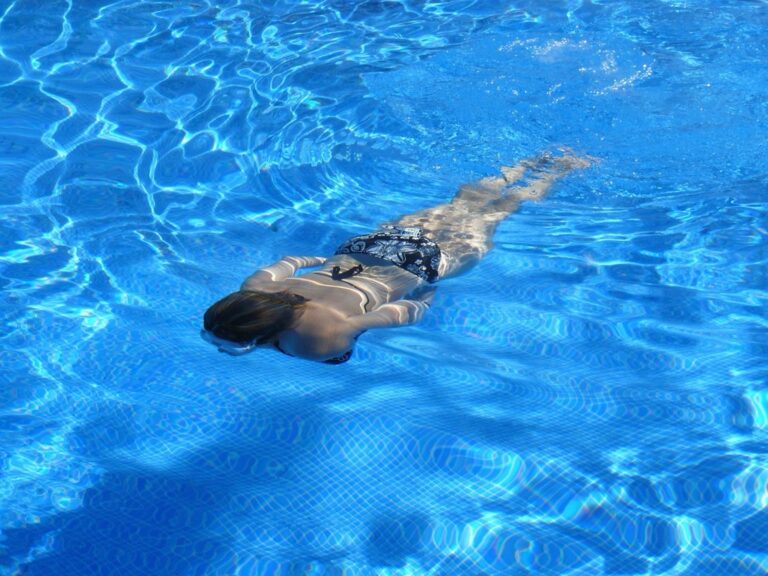
Minimize surface splashing by keeping your hands and feet submerged during strokes. Enter the water with fingertips first during freestyle, and avoid high arm recovery that creates waves. Your kick should happen just below the surface to prevent churning that attracts curious jellyfish to investigate the disturbance.
Proper Body Positioning for Minimal Impact
Maintain a horizontal body position with your head aligned and hips high in the water. This streamlined posture reduces your profile and creates less water displacement as you move. Keep your core engaged to prevent sinking hips, which cause drag and require more aggressive movements to maintain speed.
Practicing the Wide Arc Stroke Method
The wide arc stroke method creates a protective bubble around your body while swimming through jellyfish-populated waters. This technique expands your stroke radius to gently push water and any floating jellyfish away from your core body area.
Creating Sweeping Motions to Avoid Direct Contact
Wide arc strokes work by extending your arm reach beyond normal swimming patterns. You’ll sweep your arms in broader circles that create gentle water currents pushing jellyfish outward. This motion gives you advance warning of any jellyfish presence while maintaining forward momentum through controlled, deliberate movements.
Adjusting Stroke Width Based on Jellyfish Density
Heavy jellyfish concentrations require maximum arc width with slower stroke frequency to avoid trapping them between strokes. Moderate densities allow for medium-width arcs with regular timing. Light populations need only slight width adjustments beyond your normal stroke pattern while maintaining efficient swimming speed.
Timing Your Strokes for Maximum Effectiveness
Coordinate your breathing pattern with extended stroke timing to maintain rhythm without rushing through the water. Pause briefly at the peak of each arc to scan for jellyfish before completing the sweep motion. This deliberate pacing prevents accidental contact while ensuring you don’t exhaust yourself with overly slow movements.
Implementing the Float and Observe Approach
You’ll find this technique invaluable when jellyfish populations are heavy but scattered. The float and observe method turns your body into a living sensor that detects jellyfish movement patterns before you commit to swimming through an area.
Using Buoyancy to Your Advantage
Float with minimal movement to become nearly invisible to jellyfish while maintaining situational awareness. Your natural buoyancy creates a stable observation platform without disturbing the water column.
Keep your arms spread wide at the surface to maximize stability. This position lets you rotate slowly without creating currents that might attract curious jellyfish toward your body.
Scanning the Water Before Each Movement
Systematic visual sweeps reveal jellyfish locations within a 10-foot radius before you make any swimming motion. Start with areas directly in your intended path of travel.
Look for translucent shapes, pulsing movements, or water distortions that indicate jellyfish presence. Count to five between each scan to allow your eyes to adjust and catch subtle movements you might miss during rushed observation.
Strategic Positioning for Safe Navigation
Position yourself perpendicular to currents to maximize your field of vision while minimizing drift toward jellyfish concentrations. This angle gives you the best view of approaching marine life.
Use gentle sculling motions with your hands to maintain position without creating large water disturbances. Plan your next three swimming strokes while floating to ensure you’ve identified a clear path through any jellyfish clusters ahead.
Executing the Reverse and Redirect Technique
The reverse and redirect technique becomes your emergency exit strategy when jellyfish suddenly appear in your path. You’ll use controlled backward movements and strategic course changes to navigate away from danger zones without creating panic or sudden water disturbances.
Recognizing When to Change Direction Quickly
Immediate direction changes become necessary when you spot jellyfish clusters directly ahead or notice tentacles drifting into your swimming lane. Dense blooms appearing within 15 feet require instant technique activation to prevent contact.
Safe Backing Away Maneuvers
Execute slow backstroke motions while keeping your head above water to maintain visual contact with jellyfish positions. Pull your arms underwater in controlled arcs and use gentle flutter kicks to create minimal turbulence during your retreat.
Alternative Route Planning While Swimming
Scan left and right for clear corridors before committing to direction changes in jellyfish-populated waters. Plot your new course around visible clusters and aim for deeper water where jellyfish concentrations typically decrease significantly.
Conclusion
Mastering these five jellyfish-friendly swimming techniques transforms your ocean experience from anxiety-inducing to genuinely enjoyable. You’ll discover that swimming with jellyfish doesn’t require avoiding the water altogether—it just demands smarter approach and technique.
Your confidence will grow as you practice these methods and develop an intuitive sense for jellyfish movement patterns. Remember that every swimmer’s skill level differs so start with the techniques that feel most natural to you and gradually incorporate the more advanced strategies.
The ocean remains one of nature’s greatest playgrounds when you’re equipped with the right knowledge and techniques. These swimming methods ensure you can explore marine environments safely while respecting the delicate balance of ocean ecosystems.
Frequently Asked Questions
When is the safest time to swim in jellyfish-populated waters?
The safest time to swim is during mid-morning or early afternoon when jellyfish activity is lowest. Avoid swimming during dawn and dusk hours when jellyfish are most active and concentrated. Calm, clear days provide the best conditions as jellyfish are more dispersed and visible compared to rough surf days.
What is the Gentle Glide swimming technique?
The Gentle Glide technique involves using smooth, deliberate strokes to minimize water disturbance. Keep your hands and feet submerged, maintain a horizontal body position, and engage your core for a streamlined profile. This controlled movement reduces splashing and helps you navigate safely around jellyfish.
How does the Wide Arc Stroke Method protect swimmers?
This method creates a protective bubble by using broader arm circles that gently push jellyfish away from your body. The wider stroke radius creates gentle currents that alert you to jellyfish presence while maintaining forward momentum. Adjust your arc width based on jellyfish density in the area.
What is the Float and Observe Approach?
This technique involves floating with minimal movement to detect jellyfish patterns before swimming through an area. Keep arms spread wide for stability, perform systematic visual sweeps within a 10-foot radius, and position yourself perpendicular to currents for the best view of approaching marine life.
When should I use the Reverse and Redirect Technique?
Use this emergency exit strategy when jellyfish suddenly appear within 15 feet of your path. Execute slow backstroke motions while keeping your head above water, use controlled arm arcs with gentle flutter kicks, and scan for clear corridors before changing direction toward deeper water.
Where are jellyfish most commonly found in ocean waters?
Jellyfish typically gather near river mouths and areas where currents converge. They’re also pushed closer to shore during rough surf conditions. Avoid these high-concentration areas and opt for deeper, calmer waters where jellyfish populations are generally more dispersed and manageable.