
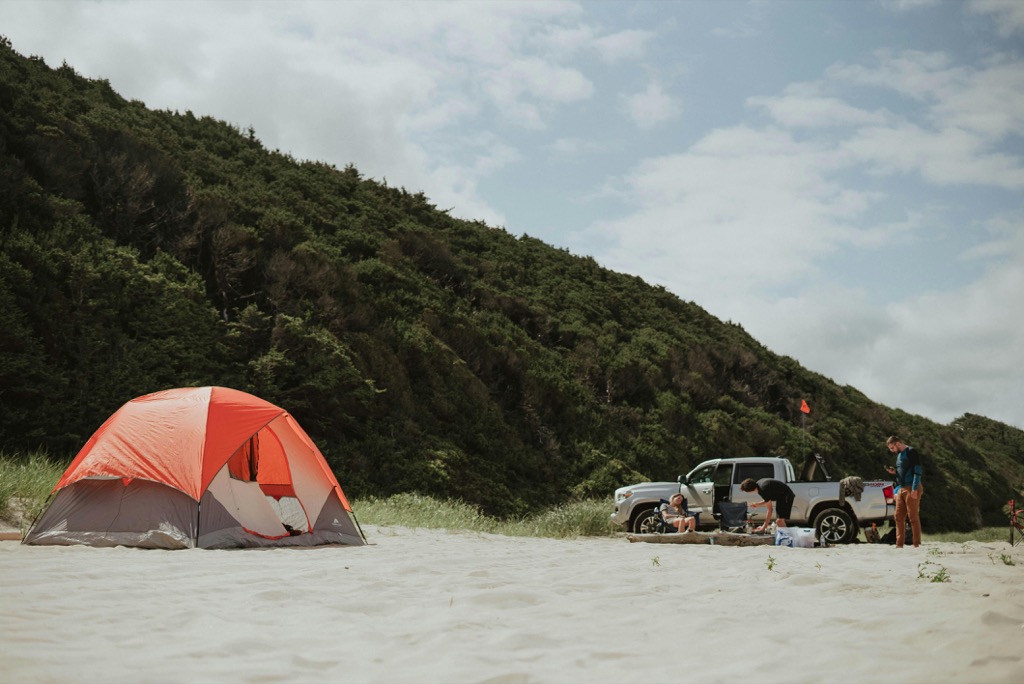
7 Must-Know Tips for Beach Camping That Protect Your Gear
Discover essential beach camping secrets! From tide-safe setup to sand-resistant gear, learn how to turn coastal challenges into unforgettable oceanside adventures.
Beach camping offers the ultimate outdoor experience—falling asleep to crashing waves and waking up to stunning sunrises over endless horizons. You’ll discover that camping by the ocean presents unique challenges from sand management to weather protection that traditional forest camping doesn’t prepare you for.
The bottom line: Success depends on mastering specific beach camping techniques that’ll transform your coastal adventure from a sandy struggle into an unforgettable escape.
Disclosure: As an Amazon Associate, this site earns from qualifying purchases. Thank you!
Choose the Right Beach Camping Location
Finding the perfect beach camping spot requires more than just picking a scenic stretch of sand. You’ll need to balance legal requirements, practical needs, and safety considerations to ensure your coastal adventure doesn’t turn into a frustrating experience.
Research Permitted Camping Areas
Not all beaches allow overnight camping. Many coastal areas restrict camping to designated campgrounds or require special permits for beach access.
Check state park websites and local regulations before packing your gear. Popular destinations like California’s state beaches often require advance reservations, while some areas like Oregon’s coast offer free dispersed camping zones. Contact local ranger stations for current rules and any seasonal restrictions that might affect your plans.
Consider Proximity to Amenities
Strategic location planning saves you from unnecessary headaches during your stay. Position yourself within reasonable walking distance of restrooms, freshwater sources, and parking areas without sacrificing the peaceful beach experience.
Aim for spots 100-200 yards from facilities – close enough for convenience but far enough to avoid foot traffic and noise. Consider wind direction when choosing your site, as restroom facilities can create unpleasant odors if you’re downwind. Some beaches offer shower facilities that become essential after sandy, salty days.
Check Tide Schedules and Safe Zones
High tide can turn your perfect campsite into an underwater disaster zone. Study tide charts for your camping dates and identify the high-tide line before setting up camp.
Look for debris lines, seaweed deposits, and sand color changes that indicate where waves typically reach. Set up at least 50 feet above the highest expected tide line, accounting for storm surges and seasonal variations. Rocky areas and cliff bases pose additional risks during high tides and rough weather conditions.
Pack Essential Beach Camping Gear
You’ll need specialized equipment that can handle sand, salt, and moisture. Beach camping demands gear that standard forest camping equipment simply can’t provide.
Invest in Sand-Resistant Equipment
Choose camping gear with sealed zippers and smooth surfaces. Sand infiltrates everything, so avoid equipment with fabric loops, Velcro, or complex mechanisms. Tents with color-coded, easy-glide zippers and sleeping bags with ripstop nylon shells perform best in sandy conditions.
Bring Extra Tarps and Ground Covers
Pack at least two heavy-duty tarps beyond your tent’s footprint. You’ll use one as a gear staging area and another as a sand-free zone for cooking and relaxing. Waterproof tarps with reinforced grommets create essential barriers between your equipment and the elements.
Pack Waterproof Storage Solutions
Invest in pelican cases or dry bags for electronics and clothing. Ocean air carries salt and moisture that penetrates standard storage containers. Use multiple smaller waterproof containers rather than one large bag to organize gear and minimize exposure when accessing items.
Master Wind and Weather Protection
Beach conditions change rapidly and coastal winds can turn a peaceful campsite into a sand-blasted nightmare. You’ll need strategic protection systems to maintain comfort and keep your gear secure throughout your stay.
Set Up Windbreaks and Barriers
Position tarps or portable windscreens on your campsite’s windward side to deflect salt spray and sand. Angle them at 45 degrees rather than perpendicular to allow wind to flow over instead of creating turbulence behind your barrier. Space multiple barriers 6-8 feet apart to create calm pockets where you can cook and relax without constant wind exposure.
Anchor Everything Securely
Drive tent stakes at 45-degree angles away from your tent and use sand-filled stuff sacks as additional anchors for guy lines. Bury gear bags partially in sand and cover lightweight items with heavier objects before leaving camp. Test all anchor points by pulling firmly – coastal winds can generate surprising force even on seemingly calm days.
Monitor Weather Forecasts Continuously
Check marine weather forecasts every 4-6 hours since beach conditions can deteriorate faster than inland weather predictions suggest. Download offline weather apps before arriving since cell service often weakens near remote beaches. Watch for wind direction changes that signal approaching fronts and prepare to relocate or reinforce your setup accordingly.
Secure Your Campsite from Sand and Salt
Sand and salt create a relentless assault on your gear that requires constant vigilance. These elements penetrate everything and corrode metal components faster than you’d expect at the beach.
Create Sand-Free Zones
Establish clean areas using large tarps or groundsheets as barriers between sand and your gear. Position these zones upwind from your tent to prevent sand drift. Create elevated platforms with camping tables or crates to keep essential items completely off the ground. Remove shoes before entering these designated areas to maintain cleanliness.
Protect Electronics and Equipment
Seal all electronics in waterproof cases or bags immediately upon arrival at your campsite. Use silica gel packets inside storage containers to absorb moisture from humid ocean air. Rinse metal gear with fresh water daily to prevent salt corrosion, especially zippers and buckles. Keep backup power sources in separate sealed containers.
Use Salt-Resistant Materials
Choose gear made from aluminum, stainless steel, or high-grade plastics that resist salt corrosion. Avoid brass or untreated steel components that deteriorate rapidly in coastal environments. Apply marine-grade lubricants to moving parts like tent zippers and camp stove connections. Invest in synthetic fabrics over cotton materials that retain salt and moisture longer.
Plan Your Water and Food Strategy
Beach camping puts your water and food supplies under assault from salt air, sand, and temperature extremes. Smart provisioning prevents dehydration and keeps your meals enjoyable throughout your coastal adventure.
Bring Extra Fresh Water Supplies
Coastal environments accelerate dehydration through salt exposure and constant wind. You’ll need at least one gallon per person daily, plus extra for cooking and gear rinsing. Pack collapsible water containers to save space and bring water purification tablets as backup.
Pack Non-Perishable Beach-Friendly Foods
Salt air spoils fresh foods faster than inland camping. Choose sealed canned goods, dried fruits, nuts, and energy bars that won’t attract sand or moisture. Pre-made trail mixes and vacuum-sealed jerky travel well and provide sustained energy for beach activities.
Store Items Away from Sand and Salt Air
Salt corrodes containers and sand infiltrates everything at beach camps. Use hard-sided coolers with tight seals and store food in waterproof containers inside mesh bags. Keep supplies elevated on tarps and seal opened packages in zip-lock bags to prevent contamination.
Follow Beach Camping Safety Protocols
Beach environments present unique safety challenges that require specific awareness and preparation to ensure your camping trip remains enjoyable and incident-free.
Understand Rip Current and Tide Safety
Rip currents pose the greatest threat to beach campers who swim near their sites. These powerful channels of water flowing away from shore can pull even strong swimmers out to sea quickly. Learn to identify rip currents by spotting channels of churning, discolored water or areas where waves don’t break normally. Check tide tables before setting up camp and avoid swimming during high tide periods when currents strengthen significantly.
Practice Fire Safety on Sand
Sand creates deceptive fire hazards that many campers underestimate. Hot sand can stay dangerously warm for hours after extinguishing fires, causing severe burns to bare feet. Always dig a proper fire pit at least 18 inches deep and surround it with rocks to contain heat. Keep water and sand nearby for quick extinguishing, and never leave fires unattended in windy coastal conditions where embers can spread rapidly.
Keep Emergency Contacts and Supplies Ready
Coastal locations often have limited cell coverage and delayed emergency response times. Program local coast guard, park ranger, and emergency services numbers into your phone before losing signal. Pack a comprehensive first aid kit including seasickness medication, burn gel, and bandages for cuts from shells or rocks. Bring a whistle, flashlight, and consider a satellite communicator for remote beach locations where help might be hours away.
Respect Beach Environment and Regulations
Beach camping isn’t just about finding the perfect spot—it’s about preserving these incredible environments for future generations. Coastal ecosystems are fragile, and your actions directly impact everything from nesting sea turtles to delicate dune vegetation.
Practice Leave No Trace Principles
Pack out everything you bring in, including food scraps and cigarette butts that attract wildlife and pollute marine environments. Dispose of gray water from cooking and washing at least 200 feet from the waterline to prevent contamination. Keep campsites small and use established fire rings when available rather than creating new ones in pristine sand.
Follow Local Camping Rules and Permits
Research permit requirements weeks before your trip since many popular beaches limit camping or require advance reservations through state park systems. Check specific regulations about campfire restrictions, vehicle access, and designated camping zones—violations can result in hefty fines. Some beaches prohibit camping during turtle nesting season or restrict access to protect sensitive wildlife areas.
Protect Wildlife and Natural Habitats
Maintain at least 50 feet distance from marine mammals like seals and sea lions that use beaches for resting and pupping. Avoid walking on dune vegetation that prevents erosion and provides crucial habitat for shorebirds. Turn off bright lights after dark during nesting season to prevent disorienting sea turtle hatchlings that navigate by moonlight reflecting off the ocean.
Conclusion
Beach camping offers an incredible opportunity to connect with nature in one of the most beautiful settings on earth. With the right preparation and knowledge you’ll transform potential challenges into unforgettable memories.
Remember that success lies in the details – from choosing the perfect location to mastering wind protection and maintaining your gear. Each tip works together to create a seamless outdoor experience that’s both safe and enjoyable.
Your next beach camping adventure awaits. Pack smart stay alert and most importantly respect the pristine environment that makes these coastal experiences so magical. The sound of waves and starlit skies will be your reward for proper planning.
Frequently Asked Questions
What makes beach camping different from regular camping?
Beach camping presents unique challenges like managing sand, protecting gear from salt spray, and dealing with coastal winds. Unlike forest camping, you must consider tides, secure equipment against strong winds, and use specialized sand-resistant gear. The constant exposure to salt air and moisture requires different preparation strategies and equipment choices.
Do I need special permits for beach camping?
Yes, many beaches require special permits for overnight camping, and some don’t allow camping at all. Research local regulations well in advance, as requirements vary by location. Contact local authorities or park services to understand specific rules, fees, and restrictions. Failure to obtain proper permits can result in fines or forced relocation.
How far should I set up camp from the water?
Position your campsite at least 50 feet above the highest expected tide line to ensure safety. Check tide schedules before setting up, as high tides can reach much farther inland than expected. Consider both current conditions and upcoming tide changes during your stay to avoid water damage to your gear.
What type of gear is best for beach camping?
Invest in sand-resistant equipment with sealed zippers and smooth surfaces. Use waterproof storage solutions like pelican cases or dry bags for electronics and clothing. Bring extra tarps for creating sand-free zones and choose salt-resistant materials like aluminum and high-grade plastics over brass or untreated steel.
How do I protect my campsite from wind and sand?
Set up windbreaks using tarps or portable windscreens positioned strategically to deflect salt spray and sand. Anchor tents securely by driving stakes at 45-degree angles and using sand-filled stuff sacks for extra weight. Create sand-free zones with large tarps and keep essential items elevated and covered.
How much water should I bring for beach camping?
Bring at least one gallon of fresh water per person daily, plus extra for cooking and cleaning. Salt air and physical activity increase hydration needs. Pack collapsible containers to save space and bring water purification tablets as backup. Store water in sealed containers away from sand and salt spray.
What food works best for beach camping?
Pack non-perishable, beach-friendly items like sealed canned goods, dried fruits, nuts, and energy bars. Avoid foods that spoil quickly in heat or absorb moisture easily. Store everything in hard-sided coolers with tight seals and keep supplies elevated to protect from sand contamination and temperature extremes.
What safety precautions should I take while beach camping?
Learn to identify rip currents and check tide tables regularly. Practice proper fire safety by digging appropriate fire pits and keeping extinguishing materials nearby. Program local emergency numbers into your phone and pack a comprehensive first aid kit. Monitor marine weather forecasts every 4-6 hours.
How can I minimize my environmental impact while beach camping?
Follow Leave No Trace principles by packing out everything you bring in. Dispose of gray water responsibly, away from water sources. Maintain distance from marine mammals and avoid stepping on dune vegetation. Minimize light pollution during wildlife nesting seasons and respect natural habitats.
When is the best time to check weather conditions for beach camping?
Check marine weather forecasts every 4-6 hours, as coastal conditions can change rapidly. Monitor wind speed, precipitation, and storm warnings before and during your trip. Beach weather can be significantly different from inland forecasts, so use marine-specific weather services for the most accurate information.

