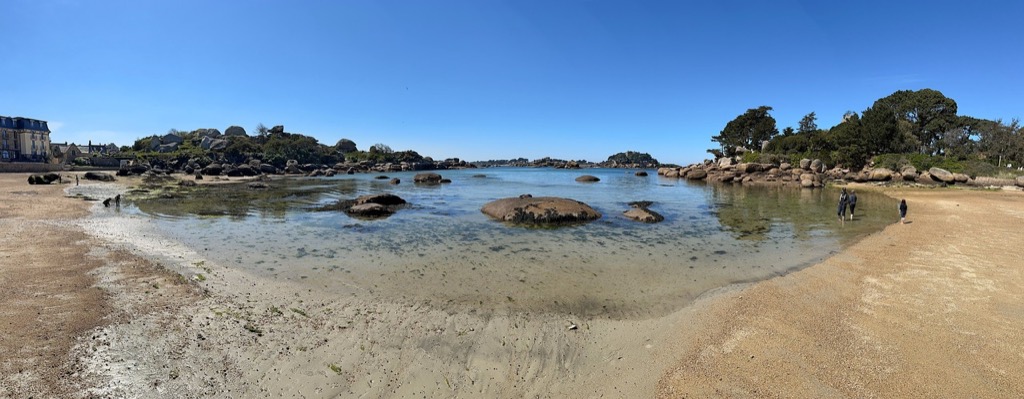
7 Ways to Plan Your Beach Day Around Low Tide That Locals Keep Secret
Discover the best low tide beach strategies! Learn to read tide charts, explore tide pools safely, and maximize your coastal adventures with perfect timing.
You’ve probably experienced the frustration of arriving at your favorite beach spot only to find the water’s edge barely visible and your ideal swimming area transformed into exposed sand flats. Timing your beach visit with low tide patterns can dramatically enhance your coastal adventure and unlock unique opportunities you’d miss during high tide periods.
Low tide reveals hidden treasures like tide pools teeming with marine life, expansive sandy areas perfect for beach games, and prime conditions for beachcombing and shell collecting. Understanding tidal schedules transforms you from a casual beachgoer into a strategic coastal explorer who maximizes every moment by the water.
Disclosure: As an Amazon Associate, this site earns from qualifying purchases. Thank you!
Understanding Tidal Patterns and Beach Safety
Now that you’re ready to transform your beach visits into strategic coastal adventures, mastering tidal patterns becomes your foundation for both maximum enjoyment and essential safety.
What Low Tide Means for Beach Activities
Low tide opens up the ocean’s hidden playground. You’ll discover exposed tide pools teeming with starfish and hermit crabs, plus vast stretches of firm sand perfect for volleyball or frisbee. The receding water also reveals the best beachcombing treasures like sand dollars and unique shells that normally stay submerged during high tide conditions.
How to Read Tide Charts and Apps
Tide charts show you the ocean’s daily schedule. Look for the lowest numbers on your tide app – these indicate prime low tide windows. Most apps display times in your local zone and use negative numbers for extremely low tides, which offer the most dramatic beach transformations and exploration opportunities.
Safety Considerations During Different Tide Levels
Incoming tides create the biggest safety risks for beach explorers. You can get trapped on rocks or sandbars as water levels rise faster than expected. Always check how much time you have before the next high tide, and never venture onto isolated tide pools or rocky areas without planning your exit route back to higher ground.
Checking Tide Times Before Your Beach Trip
Now that you understand how low tide transforms your beach experience, you’ll need reliable tide information to time your visit perfectly.
Best Resources for Accurate Tide Information
NOAA Tide Predictions provides the most accurate government data for US coastlines. Apps like Tide Chart and My Tide Times pull from NOAA databases while adding user-friendly features.
Local marina websites often display real-time conditions alongside predictions. Harbor master offices post daily tide boards that account for local variations NOAA might miss.
Planning Around Peak Low Tide Hours
Peak low tide occurs 2-3 hours before the lowest predicted time when tide pools are fully exposed. Arrive 30 minutes early to secure parking and gather your gear before optimal exploration begins.
Plan 3-4 hours total for your low tide adventure. This gives you 2 hours during the lowest period plus buffer time as water levels start rising again.
Factoring in Your Location’s Specific Tide Schedule
Rocky coastlines experience more dramatic tidal changes than gentle sandy beaches. A 4-foot tide difference creates vastly different conditions on Maine’s coast versus Florida’s Gulf shores.
West Coast locations see two unequal low tides daily while East Coast areas typically have two similar lows. Check your specific beach’s tidal pattern since timing varies significantly between neighboring locations.
Timing Your Beach Activities for Low Tide
You’ll maximize your low tide experience by matching specific activities to the optimal tidal windows. Different activities thrive at different points during the low tide cycle.
Best Morning vs. Evening Low Tide Windows
Morning low tides offer cooler temperatures and calmer conditions for tide pool exploration. Evening low tides provide dramatic lighting for photography and comfortable temperatures for extended beachcombing sessions. Choose morning windows for wildlife observation and evening sessions for relaxed exploration with better visibility of marine life movement.
Planning Meals and Breaks Around Tide Changes
Schedule your lunch break during the turning tide when exploration opportunities diminish. Pack snacks for the 2-hour window before peak low tide when you’ll be most active. Time your main meal for mid-tide periods to avoid missing prime exploration moments during optimal low water conditions.
Allowing Buffer Time for Tide Transitions
Build in 30-45 minutes of buffer time before the tide starts rising significantly. This safety margin prevents you from getting caught on exposed rocks or sandbars as water levels increase. Plan your return to higher ground when the tide reaches halfway back to high water mark.
Maximizing Beachcombing Opportunities
Low tide transforms your beachcombing game from casual strolling to serious treasure hunting. You’ll discover shells, sea glass, and marine artifacts that remain hidden during high tide periods.
Prime Areas Exposed During Low Tide
Focus your search efforts on tide pool edges and rocky crevices where retreating water deposits treasures. Sandy channels between rock formations become accessible highways to previously unreachable collecting spots. Kelp lines mark high-tide boundaries and concentrate shells, driftwood, and sea glass in distinct bands along the shore.
What to Look for in Tidal Pools
Search for colorful anemones, hermit crabs, and small fish trapped in deeper pools during the tide’s retreat. Purple sea urchins and orange starfish cling to rock surfaces while mussels cluster in protected crevices. Periwinkles and limpets create living mosaics on wet rocks, and you’ll spot sea lettuce and other seaweeds swaying in the remaining water.
Best Tools to Bring for Treasure Hunting
Pack a mesh bag or bucket for collecting shells and sea glass without restricting water flow through your finds. Bring a small magnifying glass to examine tiny creatures and intricate shell patterns up close. Include a tide pool identification guide or waterproof phone case with apps to help you identify marine life and determine what’s safe to observe.
Planning Water Activities for Low Tide Conditions
Low tide creates unique opportunities for water activities while requiring adjusted approaches to safety and technique. You’ll need to adapt your strategies to shallow conditions and exposed underwater features.
Swimming Safety in Shallow Waters
Swimming becomes trickier during low tide when depths drop significantly. You’ll encounter more rocks, shells, and uneven surfaces that remain hidden during high tide. Check water depth before diving or jumping, as areas that were previously safe may now be dangerously shallow. Stay in designated swimming zones where lifeguards monitor changing conditions throughout the tidal cycle.
Snorkeling and Diving Considerations
Low tide transforms snorkeling from deep-water exploration to shallow-reef discovery. You’ll find marine life concentrated in remaining deeper pockets and tide pools. Avoid areas with strong currents created by water rushing between exposed rocks. Use extra caution with fins in shallow areas, as you can easily damage coral or kick up sediment that reduces visibility for other snorkelers.
Surfing and Boogie Boarding During Low Tide
Low tide exposes reef breaks and sandbars that create different wave patterns than high tide conditions. You’ll need to adjust your lineup position as waves break closer to shore over shallow areas. Watch for exposed rocks that weren’t visible during higher water levels. Many beach breaks become unsurfable at extreme low tide, while some reef breaks come alive with perfectly shaped waves.
Exploring Tide Pools and Marine Life
Low tide transforms rocky coastlines into natural aquariums filled with fascinating creatures. You’ll discover an entire underwater world that’s normally hidden beneath the waves.
Identifying Common Tide Pool Creatures
Sea anemones anchor themselves to rocks with their colorful, flower-like tentacles swaying in shallow water. Hermit crabs scurry between pools carrying borrowed shells, while sea stars cling motionless to wet surfaces. Look for barnacles clustered on rocks, mussels in dark purple clusters, and periwinkles grazing on algae-covered surfaces.
Photography Tips for Tide Pool Exploration
Get low and close to capture intimate details of marine life at their eye level. Use your phone’s macro setting or a waterproof camera for sharp close-ups without disturbing creatures. Shoot during overcast conditions to avoid harsh shadows, and bring a polarizing filter to reduce water glare and enhance underwater visibility.
Respecting Marine Ecosystems and Wildlife
Look but don’t touch – your hands can damage delicate creatures and disrupt their natural behavior. Step carefully on bare rock surfaces rather than crushing barnacles or mussels underfoot. Never remove creatures from their habitat, and avoid turning over rocks since many animals depend on the moisture underneath for survival.
Beach Walking and Exercise During Low Tide
Low tide transforms the beach into nature’s personal gym with miles of firm, exposed sand perfect for exercise. You’ll discover walking routes and workout opportunities that simply don’t exist during high tide.
Extended Walking Routes on Exposed Sand
Exposed sandbars create natural walking paths that stretch far beyond the normal shoreline. You can walk for miles on firm, packed sand that’s easier on your joints than soft, dry sand above the tide line.
These routes often connect beaches that are normally separated by water. The firm surface provides excellent traction for power walking or casual strolls with significantly less effort than trudging through loose sand.
Beach Running and Jogging Benefits
Firm, wet sand offers the perfect running surface with natural cushioning that reduces impact on your knees and ankles. You’ll find your pace naturally improves on the packed sand compared to soft, shifting surfaces.
Low tide conditions provide consistent footing and wider running lanes. The cooler, moist sand stays comfortable underfoot even during warmer parts of the day, making longer runs more enjoyable.
Family-Friendly Activities on Wider Beaches
Expanded beach space during low tide creates perfect conditions for family games like frisbee, volleyball, and soccer. You’ll have room to set up multiple activities without crowding other beachgoers.
The wider, flatter surfaces are ideal for children learning to ride bikes or scooters on sand. Kids can also build larger sandcastles and dig deeper holes safely away from the water’s edge.
Preparing Essential Gear for Low Tide Adventures
Low tide exploration demands specialized gear that adapts to changing conditions. You’ll encounter everything from exposed rocks to soft sand, requiring equipment that handles both environments safely.
Sun Protection and Hydration Needs
Extended low tide sessions expose you to intense sun reflection off wet surfaces. Pack SPF 30+ sunscreen for face and body, plus a wide-brimmed hat that won’t blow off in coastal winds.
Bring 1-2 liters of water per person for 3-4 hour adventures. Dehydration happens faster near reflective surfaces, and you’ll cover more ground than typical beach visits.
Footwear for Rocky and Sandy Areas
Water shoes with thick soles protect feet from sharp shells and barnacles on exposed rocks. Avoid flip-flops – they slip off wet surfaces and offer zero protection from marine hazards.
Choose quick-dry materials with good grip patterns. Your feet will transition between soft sand, hard-packed surfaces, and slippery rocks throughout your low tide exploration.
Emergency Supplies and First Aid Kit
Pack bandages, antiseptic wipes, and tweezers for shell cuts and splinter removal. Rocky areas during low tide create more opportunities for minor injuries than regular beach visits.
Include a whistle and flashlight for emergencies. Low tide areas can be far from lifeguard stations, and you’ll need signaling devices if conditions change quickly.
Making the Most of Extended Beach Time
Low tide gives you 6-8 hours of premium beach conditions that most visitors completely waste. Smart planning turns this extended window into your best beach day ever.
Setting Up Base Camp for All-Day Fun
Strategic base camp placement maximizes your low tide adventures while providing comfort throughout the day. Position your setup 50-75 feet back from the high tide line to avoid surprise waves during tide changes.
Create zones within your camp for different activities – a relaxation area with chairs and umbrellas, a gear staging zone for tide pool equipment, and a snack station with coolers. This organization keeps your group efficient during quick activity transitions between tidal windows.
Entertainment Options Between Tide Changes
Tide transitions create perfect opportunities for activities that don’t require exposed sand or rocks. Beach volleyball and frisbee work best during mid-tide periods when you have stable sand but aren’t competing with tide pool explorers.
Reading, sketching, or photography planning fills the 30-45 minutes when tides are actively changing and marine life retreats. These quieter moments let you recharge between high-energy exploration sessions while staying engaged with your coastal environment.
Creating Memorable Family Experiences
Multi-generational beach days thrive during extended low tide periods because everyone finds their perfect activity window. Grandparents enjoy tide pool observation during calm morning hours while teenagers tackle boogie boarding in the afternoon shallows.
Create family traditions around low tide discoveries – start a beach journal documenting creatures found, shells collected, or photos taken. These shared experiences become more meaningful than any single beach activity and give everyone ownership in the day’s success.
Conclusion
Your next beach adventure doesn’t have to be left to chance. With proper tide planning you’ll unlock experiences that most beachgoers never discover.
The hours you spend researching tidal windows and preparing your gear will pay off with unforgettable memories. You’ll find yourself returning home with unique shells amazing photos and stories of marine life encounters that casual beach visitors simply miss.
Remember that timing is everything when it comes to coastal exploration. The ocean operates on its own schedule and working with these natural rhythms transforms you from a beach tourist into a true coastal explorer.
Start checking those tide charts today and prepare for your most rewarding beach day yet.
Frequently Asked Questions
What is the best time to visit the beach during low tide?
Peak low tide occurs 2-3 hours before the lowest predicted time. Arrive early to secure parking and prepare for exploration. Morning low tides offer cooler, calmer conditions perfect for tide pool exploration, while evening low tides provide dramatic lighting for photography and comfortable beachcombing conditions.
How long does low tide last for beach activities?
Low tide adventures typically last 3-4 hours, providing optimal exploration time. Plan your activities within this window and always allow 30-45 minutes of buffer time before the tide begins to rise to ensure safety and prevent getting caught on exposed rocks or sandbars.
Where can I find accurate tide information?
Check NOAA Tide Predictions for the most accurate data. User-friendly apps like Tide Chart and My Tide Times provide convenient access to tidal schedules. Local marina websites and harbor master offices also offer real-time conditions and daily tide boards for your specific location.
What should I bring for a low tide beach adventure?
Pack SPF 30+ sunscreen, wide-brimmed hat, and 1-2 liters of water per person. Wear water shoes with thick soles for protection against sharp shells and barnacles. Include a first aid kit, emergency signaling devices, and quick-dry clothing materials for extended beach sessions.
What can I find while beachcombing during low tide?
Focus your search on tide pool edges and rocky crevices where retreating water deposits shells, sea glass, and marine artifacts. Look for colorful anemones, hermit crabs, sea stars, and various sea creatures in exposed tide pools. These areas reveal hidden treasures not visible during high tide.
Is it safe to swim during low tide?
Swimming during low tide requires adjusted safety approaches due to shallow waters and exposed hazards. Be aware of changing wave patterns that affect surfing and boogie boarding. Always check water depth before entering and be cautious of rocks, sandbars, and other obstacles revealed by low water levels.
How does low tide benefit beach exercise activities?
Low tide transforms beaches into personal gyms with miles of firm, exposed sand ideal for exercise. The wet, compact sand provides excellent traction for walking and running while reducing joint impact. Extended walking routes on exposed sandbars connect normally separated beaches, creating longer exercise paths.
What tide pool creatures should I look for?
Common tide pool inhabitants include sea anemones, hermit crabs, sea stars, and various small fish. Observe these creatures without disturbing their habitatâavoid touching or removing them from tide pools. Step carefully around these delicate ecosystems and maintain respectful distance while exploring.
How do I photograph marine life during low tide?
Get low and close for detailed shots while respecting marine ecosystems. Use natural lighting during golden hour for dramatic effects. Avoid using flash photography as it can stress marine life. Focus on capturing the natural behavior and beauty of creatures without disturbing their environment.
What activities work best during different tide phases?
Morning low tides are ideal for tide pool exploration and photography. Mid-tide periods work well for beach volleyball, frisbee, and family games. Evening low tides offer comfortable beachcombing conditions. Plan meals and breaks around tide changes, taking lunch during turning tide periods.