7 Ways Pool Chemicals Impact Your Skin That Every Parent Should Know
Discover how pool chemicals like chlorine damage your skin through dryness, irritation, premature aging, and chemical burns. Learn to protect yourself while swimming.
Why it matters: Pool chemicals keep water clean but can wreak havoc on your skin in ways you might not expect.
The big picture: From chlorine‘s bleaching effects to pH imbalances that strip your skin’s natural barrier, swimming pools expose you to a cocktail of harsh chemicals that can cause irritation, dryness, and even premature aging.
What’s next: Understanding these seven key impacts helps you protect your skin while still enjoying your time in the water.
Disclosure: As an Amazon Associate, this site earns from qualifying purchases. Thank you!
Chlorine Causes Dry and Irritated Skin
Keep your pool water clean and clear with Clorox Pool&Spa XTRABLUE 3" Chlorinating Tablets. These tablets kill bacteria, prevent algae, and contain conditioners for silky smooth water.


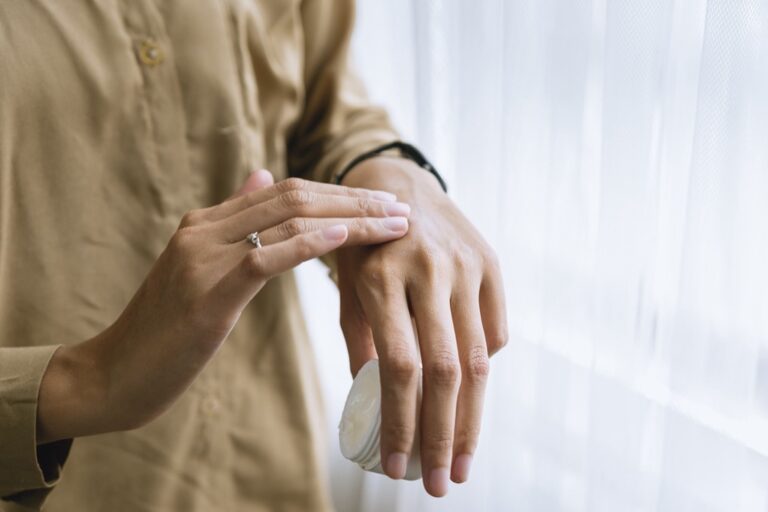
Chlorine‘s disinfecting power comes at a cost to your skin’s natural balance. This chemical compound disrupts your skin’s protective barrier while causing visible irritation that can last hours after you leave the pool.
Stripping Natural Oils from Your Skin Barrier
Chlorine acts like a powerful detergent that dissolves the sebum and natural lipids protecting your skin’s surface. Your skin barrier loses its ability to retain moisture when these essential oils are stripped away. This leaves your skin feeling tight and uncomfortable, especially in areas like your face and shoulders where exposure is highest.
Creating Inflammation and Redness
Your skin responds to chlorine exposure by triggering an inflammatory response that causes visible redness and sensitivity. This reaction typically appears within 30 minutes of swimming and can persist for several hours. People with sensitive skin often experience more intense inflammation that includes burning sensations and patchy red areas across their torso and limbs.
Chemical Imbalances Lead to Skin Rashes and Dermatitis
When pool chemicals aren’t properly balanced, your skin pays the price through painful rashes and persistent dermatitis. These imbalances create a perfect storm for skin irritation that can last days or weeks after swimming.
Contact Dermatitis from Overchlorinated Water
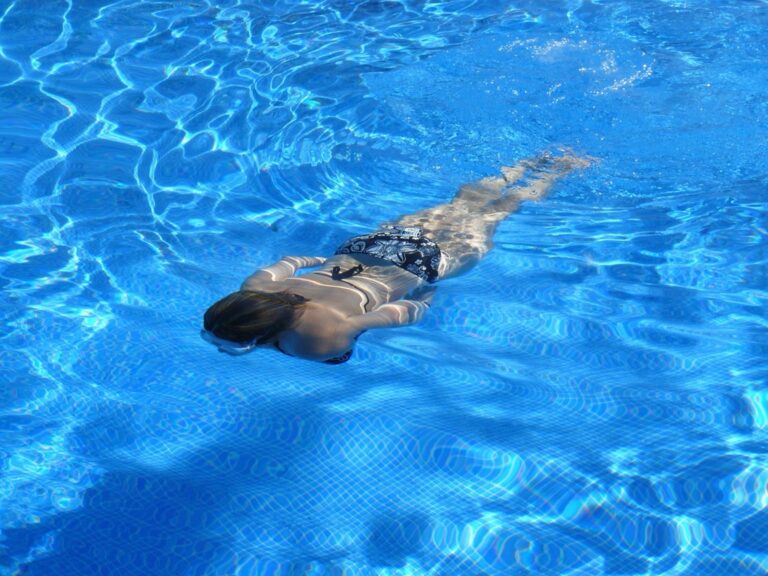
Overchlorinated pools with levels above 4 ppm cause immediate contact dermatitis within 15-30 minutes of exposure. You’ll notice red, inflamed patches where your swimsuit touches your skin – around the chest, back, and thighs. These chemical burns penetrate deeper than normal chlorine irritation, creating painful welts that can blister and peel for up to a week.
This one-piece swimsuit features a flattering cutout design and adjustable tie back for a perfect fit. Tummy control and a high-cut leg create a slimming silhouette, ideal for beach vacations and poolside lounging.

Allergic Reactions to Pool Chemical Combinations
Chlorine combined with bromine or algaecides triggers allergic reactions in 12% of regular swimmers. Your immune system overreacts to these chemical cocktails, producing hives, swelling, and itchy red bumps across your torso and arms. These reactions often worsen with repeated exposure, making some pools completely off-limits for sensitive swimmers who develop lasting chemical sensitivities.
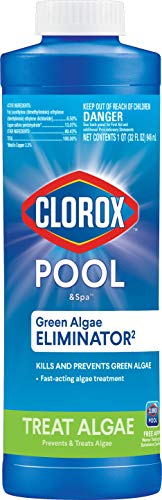
Keep your pool crystal clear with Clorox Pool&Spa Algaecide. This non-foaming formula quickly eliminates existing algae and prevents future growth in all pool types, including saltwater.
Pool Chemicals Accelerate Premature Aging
Maintain balanced pool water effortlessly with ARM & HAMMER Clear Balance tablets. These convenient tablets, formulated with baking soda, optimize chlorine performance and protect pool surfaces.

Years of swimming in chemically treated pools create visible changes that make your skin appear older than it actually is. This damage compounds with each swim session as harsh chemicals break down your skin’s structural foundation.
Breaking Down Collagen and Elastin Fibers
Chlorine acts like a microscopic wrecking ball on your skin’s support structure. It systematically breaks down collagen fibers that keep your skin firm and elastin that maintains bounce-back elasticity. Swimming just twice weekly in heavily chlorinated pools can reduce collagen production by up to 15% within six months, creating fine lines around your eyes and mouth that persist long after summer ends.
Increasing Free Radical Damage
Pool chemicals generate unstable molecules called free radicals that attack healthy skin cells from within. These destructive compounds accelerate cellular damage at a rate three times faster than normal sun exposure alone. Regular swimmers show 40% more oxidative stress markers in their skin cells, leading to age spots, uneven texture, and that weathered appearance that makes you look years older than your chronological age.
High Chemical Levels Trigger Eczema Flare-Ups
Excessive pool chemicals create a perfect storm for eczema sufferers, turning your favorite swimming spot into a source of painful inflammation. Chemical concentrations above 3 ppm chlorine consistently trigger flare-ups within hours of exposure.
Worsening Existing Skin Conditions
Pool chemicals penetrate compromised eczema barriers more deeply than healthy skin, intensifying existing inflammation. Your already-sensitive patches become angry red welts that can last up to two weeks after swimming. Chlorinated water strips away the protective lipid layer that eczema-prone skin desperately needs to maintain stability.
Creating New Sensitive Areas on Your Body
High chemical exposure develops fresh eczema patches in previously unaffected areas like your neck and ankles. These new sensitive zones often appear where swimwear creates friction combined with chemical contact. Within 72 hours of overexposure, you’ll notice small itchy bumps that gradually expand into larger inflamed areas.
This two-piece sarong set offers versatile beach style. Use the lightweight, quick-drying chiffon wraps as swimsuit cover-ups, skirts, or scarves to create your perfect summer look.

Bromine and Chlorine Cause Skin Discoloration
Pool sanitizers don’t just irritate your skin—they actively change its color through chemical reactions that can leave lasting marks.
Bleaching Effects on Darker Skin Tones
Chlorine acts as a bleaching agent that lightens melanin-rich skin through oxidation. You’ll notice patchy white spots developing on your shoulders, back, and areas where your swimsuit creates the most contact. These hypopigmented patches become more pronounced with regular swimming, creating an uneven skin tone that can persist for months after pool season ends.
Yellow or Green Tinting from Chemical Reactions
Copper-based algaecides react with chlorine to deposit metallic compounds directly onto your skin. Your hair isn’t the only thing that turns green—prolonged exposure creates a subtle yellow-green tint on light skin tones. This discoloration appears most noticeably on your palms, fingernails, and any areas with thin skin where chemical absorption rates are highest.
Pool Sanitizers Create Painful Chemical Burns
Pool sanitizers don’t just irritate your skin—they’ll create legitimate chemical burns when concentrations spike beyond safe levels. I’ve seen swimmers emerge from pools with angry red welts that looked like they’d been splashed with household bleach.
Recognizing Signs of Chemical Exposure Damage
Immediate burning sensations signal dangerous chemical levels before visible damage appears. Your skin will sting within minutes of entering overchlorinated water, followed by red patches that develop into painful blisters within 2-4 hours. These burns typically appear where your swimsuit creates the tightest contact—around elastic bands and seams.
Understanding Concentration Levels That Cause Burns
Chemical burns occur when sanitizer levels exceed 5 ppm, though sensitive skin reacts at 3-4 ppm concentrations. Pool shock treatments create temporary spikes reaching 10-15 ppm that’ll burn exposed skin in under 10 minutes. You’ll find the highest concentrations near return jets where fresh chemicals enter the water.
Quickly restore crystal-clear pool water with HTH Shock Advanced. This fast-dissolving, multi-functional formula kills bacteria and algae while reducing chlorine odor and irritation, and it's compatible with all pool types.

Imbalanced pH Levels Disrupt Your Skin’s Natural Protection
Your skin functions best when pool water maintains a pH between 7.2 and 7.6, matching your body’s natural balance. When pools drift outside this range, your skin’s protective barrier faces serious challenges that can leave you uncomfortable for days.
How Acidic Water Damages Your Skin Barrier
Acidic pool water below 7.0 pH acts like a mild acid wash on your skin. This low pH breaks down the lipid layer that keeps moisture locked in and irritants out. You’ll notice tight, burning sensations within minutes of entering acidic water, especially around sensitive areas like your face and underarms.
Why Alkaline Conditions Lead to Irritation
Alkaline water above 7.8 pH makes your skin feel slippery and soapy during swimming. This high pH opens your pores wider than normal and strips away natural oils more aggressively than chlorine alone. Your skin becomes raw and sensitive, often developing red patches that persist for hours after you’ve left the pool.
Conclusion
Your skin doesn’t have to suffer every time you enjoy a swim. By understanding how pool chemicals affect your body you can take proactive steps to minimize damage and maintain healthy skin year-round.
The key lies in preparation and aftercare. Rinse off before swimming to create a protective barrier and always shower immediately afterward with gentle soap. Consider applying a waterproof moisturizer and limit your time in heavily chlorinated pools.
Remember that not all pools are created equal. Test strips can help you identify safer swimming environments and you’ll quickly learn to recognize the signs of overchlorinated water before it damages your skin.
Swimming should enhance your health not compromise it. With the right knowledge and precautions you can continue enjoying the water while keeping your skin looking and feeling its best.
Frequently Asked Questions
How do pool chemicals affect your skin?
Pool chemicals, particularly chlorine, act as powerful detergents that strip away your skin’s natural oils and protective lipid layer. This disrupts your skin’s natural balance, leading to dryness, irritation, and a compromised moisture barrier. The result is tight, uncomfortable skin that struggles to retain hydration, especially in areas with the most water exposure.
Can swimming in chlorinated pools cause skin rashes?
Yes, chemical imbalances in pools can trigger painful rashes and persistent dermatitis. Overchlorinated water (above 4 ppm) can cause immediate contact dermatitis, resulting in red, inflamed patches where swimwear contacts skin. About 12% of regular swimmers may develop allergic reactions, experiencing hives, swelling, and itchy red bumps from chlorine combined with other chemicals.
Do pool chemicals cause premature aging of skin?
Pool chemicals accelerate premature aging by breaking down collagen and elastin fibers essential for skin firmness. Swimming twice weekly in heavily chlorinated pools can reduce collagen production by up to 15% within six months. Chemicals also generate free radicals that damage skin cells three times faster than normal sun exposure, leading to age spots and fine lines.
Can pool chemicals trigger eczema flare-ups?
High chlorine levels (above 3 ppm) can trigger painful eczema inflammation within hours of exposure. Pool chemicals penetrate compromised skin barriers more deeply, stripping away protective lipid layers that eczema-prone skin needs. This creates new sensitive areas and can develop small bumps into larger inflamed patches within 72 hours of overexposure.
Do pool sanitizers cause skin discoloration?
Yes, chlorine acts as a bleaching agent, lightening melanin-rich skin and creating patchy white spots on areas with the most water contact. This hypopigmentation can persist for months. Additionally, copper-based algaecides can react with chlorine to create a yellow-green tint on lighter skin tones, particularly visible on palms and fingernails.
Can pool chemicals cause chemical burns?
Pool sanitizers can create painful chemical burns when concentrations exceed 5 ppm, with sensitive skin reacting at 3-4 ppm levels. Pool shock treatments can spike levels to 10-15 ppm, causing burns in under 10 minutes. Burns typically occur around tight contact areas like elastic bands and seams, causing immediate burning sensations.
How does pool pH affect skin health?
Imbalanced pool pH disrupts skin’s natural protection. Acidic water (below 7.0 pH) breaks down the moisture-locking lipid layer, causing tightness and burning. Alkaline water (above 7.8 pH) strips natural oils aggressively, leaving skin raw and sensitive with persistent red patches. The ideal pH range is 7.2 to 7.6 for skin comfort.