5 Tips for Organizing Pool Chemicals by Usage Frequency That Maximize Safety
Discover smart storage strategies for pool chemicals! Organize by usage frequency – daily, weekly, monthly – with color-coded zones for safer, more efficient pool maintenance.
Managing your pool chemical storage can feel overwhelming when you’re staring at bottles of chlorine shock treatments and pH balancers scattered across your garage shelves. Smart organization based on how often you actually use each chemical transforms this chaos into an efficient system that saves you time and keeps your pool sparkling clean. The bottom line: Strategic placement of your most-used chemicals within arm’s reach while storing seasonal treatments safely out of the way creates a maintenance routine that actually works.
Disclosure: As an Amazon Associate, this site earns from qualifying purchases. Thank you!
Categorize Pool Chemicals by Daily, Weekly, and Monthly Usage Patterns
Creating distinct categories based on usage frequency transforms your chemical storage from chaos into a streamlined system. You’ll save time and reduce confusion when your most-needed products sit within arm’s reach.
Daily Use Chemicals for Routine Maintenance
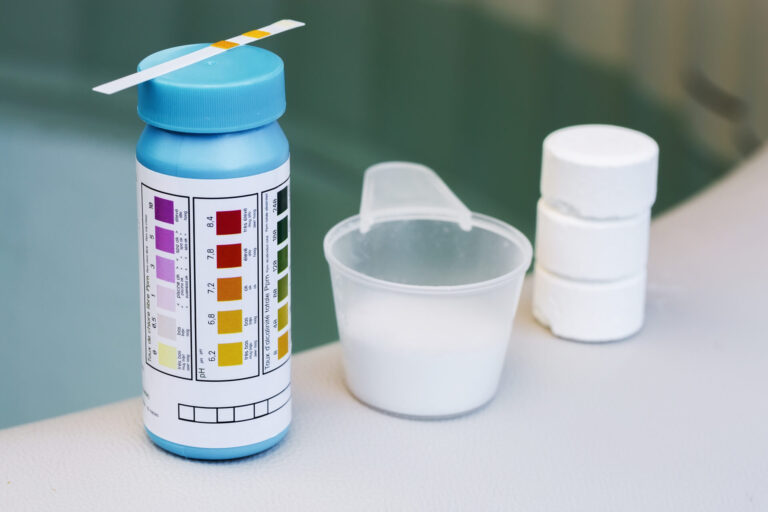
Chlorine tablets and liquid chlorine deserve prime real estate in your storage area since you’ll reach for them constantly during swimming season. Position these sanitizers at eye level in your most accessible spot. Pool test strips or liquid test kits should sit right beside your chlorine supply for quick daily water checks.
Weekly Chemical Treatments for Balanced Water
pH adjusters like sodium bisulfate and sodium carbonate belong in your secondary storage zone since you’ll need them regularly but not daily. Store alkalinity increasers and calcium hardness adjusters in the same area for convenient weekly water balancing sessions. Keep algaecide treatments nearby for your weekly prevention routine.
Monthly Deep Cleaning and Seasonal Products
Shock treatments and clarifiers can occupy your back-row storage since you’ll use them monthly or during specific situations. Position specialty cleaners like tile and vinyl cleaners in less accessible areas along with winterizing chemicals that you’ll only need seasonally. Store enzyme treatments and metal sequestrants in this zone for occasional deep maintenance.
Create Dedicated Storage Zones Based on Access Frequency
You’ll transform your pool chemical organization by establishing three distinct storage zones that mirror your actual maintenance routine. This strategic approach eliminates the frustration of digging through cluttered shelves when you need supplies quickly.
Prime Storage Areas for High-Frequency Chemicals
Position your daily essentials at eye level within arm’s reach of your pool area. Store chlorine tablets, test strips, and pH test kits on the most accessible shelf between waist and shoulder height. This prime real estate should house only the chemicals you grab multiple times per week, ensuring effortless access during routine maintenance tasks.
Secondary Storage for Weekly Treatment Products
Designate a nearby shelf or bin for your weekly maintenance arsenal including pH adjusters, algaecides, and clarifiers. Place these items one step removed from your daily zone but still easily accessible without moving other products. You’ll appreciate this middle-tier placement when performing your weekly pool shock or balancing routine, keeping workflow smooth without overcrowding your prime space.
Long-Term Storage Solutions for Occasional Use Items
Relocate seasonal treatments and specialty products to higher shelves or storage bins that require deliberate access. Store winterizing chemicals, metal removers, and stain treatments in clearly labeled containers away from high-traffic areas. This approach keeps your active workspace uncluttered while ensuring these occasional-use items remain organized and protected until needed.
Label Chemical Containers with Clear Usage Frequency Indicators
Creating a visual identification system transforms your pool chemical storage from chaos into an organized maintenance hub. You’ll spend less time searching and more time enjoying your crystal-clear pool.
Color-Coding Systems for Quick Visual Identification
Green dots identify daily essentials like chlorine tablets and test strips that you’ll grab multiple times per week. Yellow markers designate weekly treatments such as pH adjusters and algaecides for routine maintenance tasks.
Red labels mark monthly shock treatments and seasonal specialty products that require careful handling. This three-color system eliminates guesswork and prevents you from reaching for the wrong chemical during busy maintenance sessions.
Digital Labels with Usage Schedules and Dates
Waterproof digital labels display purchase dates and expiration information alongside usage frequency codes. These labels withstand pool area humidity while providing essential rotation data for chemical safety.
Smart labeling apps generate QR codes that link to usage schedules and safety information on your phone. You’ll access detailed chemical data instantly without keeping paper records in humid storage areas.
Inventory Tracking Methods for Chemical Rotation
First-in-first-out rotation prevents expired chemicals from accumulating in your storage system. Mark purchase dates prominently and position newer containers behind older stock for natural rotation.
Monthly inventory checks identify usage patterns and prevent emergency chemical runs to the store. Track consumption rates for each product to optimize purchasing schedules and maintain adequate supplies year-round.
Establish a Chemical Inventory Rotation System
A well-structured rotation system prevents chemical waste and ensures you’re always working with fresh, effective products. This systematic approach transforms your pool chemical storage from a guessing game into a predictable maintenance routine.
First-In-First-Out Rotation for Expiration Management
Position newer chemicals behind older ones to ensure proper rotation through your inventory. Place purchase dates on containers using waterproof markers, and always grab products from the front of each storage zone. This prevents chlorine tablets from losing potency and liquid chemicals from degrading before use.
Seasonal Chemical Storage Adjustments
Reorganize your chemical zones every three months to match seasonal usage patterns. Move winterizing chemicals to accessible areas before fall, while shifting algaecides and shock treatments forward during summer months. This adjustment keeps your most relevant products within easy reach throughout the year.
Regular Inventory Audits and Usage Assessment
Schedule monthly inventory checks to track chemical consumption and identify usage patterns. Count remaining products in each frequency zone, noting which chemicals you’re burning through faster than expected. These audits help you anticipate restocking needs and prevent mid-season chemical shortages.
Optimize Chemical Storage Layout for Safety and Efficiency
Your chemical storage layout directly impacts both safety and maintenance efficiency. Smart positioning prevents dangerous interactions while keeping your pool care routine smooth.
Proper Ventilation and Temperature Control Considerations
Ventilation prevents dangerous chemical vapor buildup that can cause respiratory issues or create explosive conditions. Position your storage area away from enclosed spaces and install exhaust fans if storing chemicals indoors.
Temperature control protects chemical stability and prevents container degradation. Store chemicals between 32°F and 95°F, avoiding direct sunlight and heat sources like water heaters or electrical panels.
Safe Chemical Separation and Compatibility Guidelines
Separate oxidizers like chlorine shock from acids and organic materials by at least 10 feet to prevent fires or toxic gas formation. Never store liquid chlorine above dry chemicals.
Group compatible chemicals together using dedicated shelving sections. Keep pH decreasers away from calcium hypochlorite, and store algaecides separately from chlorine products to prevent dangerous reactions.
Emergency Access and First Aid Positioning
Position emergency supplies at eye level near the storage entrance, including a fire extinguisher rated for chemical fires and emergency contact numbers posted visibly.
Install an eyewash station within 25 feet of chemical storage areas, ensuring clear pathways that won’t be blocked by equipment or supplies during emergencies.
Conclusion
Your pool chemical organization system will transform your maintenance routine from chaotic to streamlined. By implementing these frequency-based storage strategies you’ll spend less time searching for products and more time enjoying your crystal-clear pool.
Remember that consistency is key to maintaining this organizational system. Regular inventory checks and seasonal adjustments will keep your chemical storage working efficiently year-round.
The investment in proper organization pays dividends through improved safety reduced waste and simplified maintenance routines. Your future self will thank you every time you reach for those perfectly positioned daily essentials or easily locate seasonal treatments when needed.
Frequently Asked Questions
How should I organize my pool chemicals for easy access?
Organize pool chemicals based on usage frequency. Store daily essentials like chlorine tablets and test kits at eye level for quick access. Place weekly treatments such as pH adjusters and algaecides in a secondary area nearby. Keep monthly and seasonal products like shock treatments on higher shelves or in labeled bins, ensuring the most frequently used items are always within reach.
What is the best color-coding system for pool chemical storage?
Use a simple three-color system: green for daily essentials, yellow for weekly treatments, and red for monthly or seasonal products. This visual identification eliminates guesswork during maintenance and helps you quickly locate the right chemicals. Combine this with waterproof digital labels showing purchase dates and expiration information for complete organization.
How often should I check my pool chemical inventory?
Conduct monthly inventory checks to monitor usage patterns and maintain adequate supplies. This helps prevent expired products from accumulating and ensures you don’t run out of essential chemicals mid-season. Regular audits allow you to track consumption patterns and anticipate restocking needs, keeping your pool maintenance routine running smoothly.
What’s the proper way to rotate pool chemicals?
Follow a first-in-first-out approach by positioning newer chemicals behind older ones. Mark purchase dates on all containers and use older products first to prevent waste. Conduct seasonal adjustments every three months to align storage with usage patterns, ensuring relevant products remain easily accessible throughout the year.
How do I safely separate incompatible pool chemicals?
Store incompatible chemicals in separate areas with proper ventilation to prevent dangerous reactions and vapor buildup. Never store acids near chlorine products, and ensure adequate spacing between different chemical types. Keep emergency supplies easily accessible and maintain proper temperature control to ensure chemical stability and prevent accidents.
What are the three essential storage zones for pool chemicals?
Create three distinct zones: Daily essentials at eye level for quick access, weekly treatments in a nearby secondary area, and long-term storage for monthly/seasonal items on higher shelves or in bins. This system aligns with your actual maintenance routine and keeps your workspace uncluttered while ensuring all chemicals remain properly organized.