7 How to Handle Unexpected Pool Pump Noise Issues That Save Money
Discover how to diagnose and fix noisy pool pump issues with step-by-step troubleshooting tips. Learn when to DIY or call professionals for quiet operation.
Why it matters: Your pool pump suddenly sounds like a freight train, and you’re not sure if it’s about to break down or just needs a simple fix.
Keep your pool crystal clear with the KimFilter Pro Series 1000 GPH filter pump. It uses hydroaeration technology and an efficient Type A/C cartridge to powerfully circulate and filter your pool water, removing debris and maintaining a healthy pH balance.

The big picture: Pool pump noise issues can range from minor annoyances to serious mechanical problems that require immediate attention. Understanding the difference between normal operational sounds and warning signs can save you hundreds of dollars in repairs.
What’s next: We’ll walk you through the most common causes of pool pump noise and provide step-by-step solutions you can tackle yourself before calling a professional.
Disclosure: As an Amazon Associate, this site earns from qualifying purchases. Thank you!
Identify the Source of Your Pool Pump Noise
Pinpointing the exact source of your pool pump noise is crucial for effective troubleshooting. Different sounds indicate different problems, and you’ll save time and money by diagnosing correctly from the start.
Listen for Specific Sound Patterns
Grinding noises typically signal bearing problems or debris in the impeller. Screeching sounds often indicate worn motor bearings that need immediate attention. Rattling or vibrating usually means loose bolts, worn mounting pads, or internal component failure.
Check for Visible Damage or Wear
Inspect the pump housing for cracks, loose screws, or damaged mounting hardware that could cause vibrations. Examine the motor shaft for wobbling or misalignment when running. Look for oil leaks around seals and gaskets that might indicate internal wear.
Determine When the Noise Occurs
Note if noise happens during startup, continuous operation, or shutdown phases. Track whether sounds occur during specific pool cycles like backwashing or regular filtration. Document if noise coincides with weather changes, as temperature fluctuations affect pump components differently.
Inspect Your Pool Pump’s Mechanical Components
Your pool pump’s mechanical components work together like a finely tuned engine, and when one part fails, the entire system suffers. Start your inspection by shutting off power to the pump and removing the pump housing to access the internal components.
Examine the Impeller for Debris or Damage
Check the impeller first since it’s the most common source of unusual pool pump noise. Remove any leaves, hair, or debris wrapped around the impeller blades using needle-nose pliers. Look for cracked or chipped blades that create vibration and grinding sounds during operation.
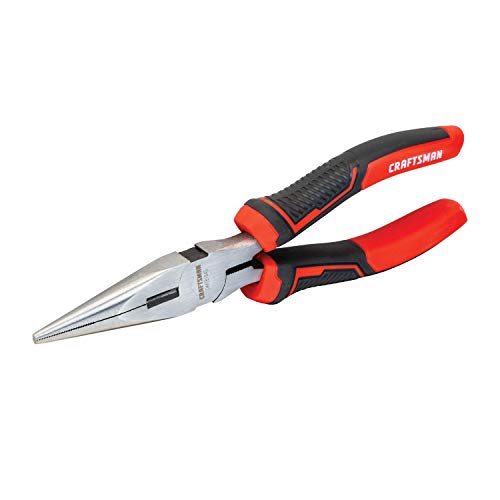
Get a secure grip and precise control with these CRAFTSMAN long nose pliers. Durable, drop-forged steel construction and induction-hardened cutting edges ensure lasting performance.
Check the Motor Bearings for Wear
Listen for grinding or squealing sounds that indicate worn motor bearings need replacement. Spin the motor shaft by hand – it should rotate smoothly without resistance or wobbling. Replace bearings immediately if you feel roughness or hear scraping noises during manual rotation.
Assess the Pump Housing for Cracks
Inspect the pump housing thoroughly for hairline cracks that cause air leaks and create whistling or sucking sounds. Check the volute casing where the impeller sits for stress fractures around bolt holes. Replace cracked housing components to prevent cavitation noise and maintain proper water flow.
Address Water Flow and Suction Problems
Poor water circulation creates cavitation and suction issues that’ll make your pump sound like it’s fighting for its life.
Clear Blocked Skimmer Baskets and Filters
• COMPATIBILITY: Fits most common above ground pool skimmers; not compatible with in ground pools. We encourage all customers to measure their baskets ahead of time to be safe. If your current basket is wider than 7" or has a rim that isn't perfectly round, this will not work with your skimmer • ALWAYS PREPARED: 2 pack gives you a spare basket to make it through the season • CLEAN AND CLEAR: Measuring roughly 6 inches by 4 inches, FibroPool skimmer baskets are a perfect replacement for most above ground pool skimmers • OUT OF THE WAY: Pivot handle conveniently moves to avoid trapping sticks and other debris

Remove debris from skimmer baskets weekly to prevent restricted water flow that causes pumps to work harder and generate excessive noise. Clean or replace filter cartridges every 2-4 weeks depending on pool usage, as clogged filters force pumps to strain against reduced water flow, creating loud operational sounds.
Check for Air Leaks in the Suction Line
Inspect all suction line connections for loose fittings or cracked pipes that allow air into the system, causing the pump to make gurgling or sucking noises. Apply pool-safe sealant to minor cracks and tighten loose connections, but replace severely damaged suction lines to eliminate air infiltration completely.
Verify Proper Water Levels
Maintain water levels at least halfway up your skimmer opening to ensure adequate suction and prevent the pump from drawing air instead of water. Low water levels cause pumps to cavitate and produce loud grinding or rattling sounds, while overfilled pools reduce skimmer efficiency and strain the circulation system.
Troubleshoot Electrical Issues Causing Noise
Electrical problems often create subtle noises before major failures occur. You’ll need to address these issues promptly to prevent costly motor damage.
Inspect Wiring Connections and Terminals
Check all electrical connections for corrosion or looseness that creates arcing sounds. Moisture around pool equipment corrodes terminals quickly, causing crackling or buzzing noises during operation. Remove corrosion with sandpaper and tighten loose connections to eliminate electrical noise sources.
Test the Capacitor Function
Test the start and run capacitors using a multimeter to identify failing components. Faulty capacitors produce humming sounds as motors struggle to start or maintain speed. Replace capacitors showing readings outside manufacturer specifications to restore quiet operation and prevent motor strain.
Check for Voltage Irregularities
Measure incoming voltage at the control panel during pump operation to detect fluctuations. Low voltage causes motors to draw excessive current and generate loud humming or grinding noises. Install a voltage stabilizer if readings consistently fall below rated specifications for your pump motor.
Perform Essential Maintenance to Prevent Future Noise
Proactive maintenance keeps your pool pump running quietly and extends its lifespan significantly. Regular upkeep prevents minor issues from becoming expensive noise problems.
Lubricate Moving Parts Regularly
Apply marine-grade lubricant to motor bearings every 6 months to prevent grinding and squealing sounds. Use a grease gun to add lubricant through designated ports on sealed motors. Check your owner’s manual for specific lubrication points and recommended grease types for optimal performance.
Replace Worn Gaskets and Seals
Inspect rubber gaskets and O-rings monthly for cracks or hardening that cause air leaks and whistling noises. Replace damaged seals immediately to maintain proper suction and prevent cavitation sounds. Keep spare gaskets in your maintenance kit since worn seals are a primary cause of pool pump noise issues.
Schedule Professional Tune-ups
Have your pump professionally serviced annually to catch potential noise problems before they worsen. Technicians can detect bearing wear, electrical issues, and impeller damage that you might miss. Professional maintenance typically costs $100-200 but prevents costly repairs and keeps your pump operating quietly year-round.
Know When to Call a Pool Service Professional
While many pump noise issues can be resolved through basic troubleshooting, certain situations require professional expertise to prevent costly damage or safety hazards.
Recognize Signs of Major Motor Failure
Contact a professional immediately if you hear continuous grinding or metal-on-metal scraping sounds. These noises indicate bearing failure or internal motor damage that requires specialized tools and replacement parts. Burning smells combined with unusual sounds signal imminent motor failure that can cause electrical hazards if not addressed promptly.
Identify Complex Electrical Problems
Call an expert when you notice frequent circuit breaker trips or sparking around electrical connections. Voltage irregularities requiring panel modifications exceed typical DIY capabilities and pose electrocution risks. Professional electricians can diagnose ground faults, install proper GFCI protection, and ensure your pump meets current electrical codes safely.
Understand Warranty Implications
Check your pump’s warranty terms before attempting major repairs yourself. Most manufacturers void coverage if unauthorized repairs damage internal components or if you remove factory seals. Professional service maintains warranty protection while ensuring repairs meet manufacturer specifications, potentially saving you thousands in replacement costs.
Implement Preventive Measures for Quiet Operation
Regular maintenance prevents most pool pump noise issues before they develop into expensive repairs. You’ll save hundreds in service calls by establishing consistent care routines.
Establish Regular Cleaning Schedules
Clean your pump strainer basket weekly to prevent debris buildup that creates turbulent water flow and excessive noise. Remove leaves, hair, and small objects that can cause the impeller to work harder and generate grinding sounds. Schedule monthly deep cleaning of the entire pump housing to eliminate accumulated sediment.
Monitor Water Chemistry Balance
Maintain pH levels between 7.2-7.6 to prevent mineral deposits that can cause pump components to bind and create noise. Test alkalinity weekly since imbalanced water corrodes metal parts and leads to bearing failure. Replace worn gaskets immediately when chemical imbalance causes rubber deterioration and air leaks.
Install Vibration-Dampening Equipment
Mount your pump on rubber isolation pads to reduce vibration transmission through concrete pads and pool decking. Install flexible pipe couplings near the pump connections to absorb motor vibrations before they travel through rigid plumbing. Position the pump at least 3 feet from walls to prevent sound amplification in enclosed spaces.
Conclusion
Taking care of pool pump noise issues doesn’t have to be overwhelming when you’re equipped with the right knowledge and approach. You’ll find that most problems can be resolved through systematic troubleshooting and basic maintenance practices.
Remember that addressing noise issues promptly protects your investment and prevents minor problems from becoming expensive repairs. Your pool pump will reward consistent attention with years of quiet reliable operation.
By implementing the preventive strategies outlined above you’ll enjoy a peaceful pool environment while maintaining optimal water circulation. Regular maintenance truly is the key to keeping your pool pump running smoothly and quietly for seasons to come.
Frequently Asked Questions
What are the most common causes of pool pump noise?
Common causes include worn motor bearings, debris in the impeller, loose components, air leaks in suction lines, blocked filters, and electrical issues like failing capacitors. Different sounds indicate specific problems – grinding suggests bearing wear, screeching indicates motor bearing issues, and rattling points to loose parts.
How can I identify what type of pool pump noise I’m hearing?
Listen carefully to distinguish between grinding (bearing problems), screeching (worn motor bearings), rattling (loose components), and whistling or sucking sounds (air leaks). Note when the noise occurs – during startup, continuous operation, or shutdown – and track any patterns with weather changes or pool cycles.
What should I check first when troubleshooting pool pump noise?
Start by shutting off power and removing the pump housing to inspect internal components. Check the impeller for debris or damage, examine motor bearings for wear, ensure the motor shaft spins smoothly, and look for cracks in the pump housing that could cause air leaks.
Can blocked filters cause pool pump noise?
Yes, blocked skimmer baskets and filters restrict water flow, forcing the pump to work harder and creating additional noise. Regularly clear debris from these components and maintain proper water levels to ensure adequate suction and reduce strain on the pump motor.
When should I call a professional for pool pump noise issues?
Contact a professional immediately if you hear continuous grinding or scraping sounds, notice frequent circuit breaker trips, see sparking around electrical connections, or if basic troubleshooting doesn’t resolve the issue. These symptoms often indicate major motor failure requiring expert intervention.
How can I prevent future pool pump noise problems?
Establish regular maintenance schedules including weekly cleaning of pump strainer baskets, monthly deep cleaning of pump housing, and monitoring water chemistry balance. Install vibration-dampening equipment like rubber isolation pads and schedule annual professional tune-ups to catch potential issues early.
Will attempting DIY repairs void my pool pump warranty?
Unauthorized repairs can void warranty coverage, so check your warranty terms before attempting major repairs. Professional service maintains warranty protection and ensures repairs meet manufacturer specifications, potentially saving significant costs if warranty coverage is needed later.
What electrical issues can cause pool pump noise?
Electrical problems like corroded wiring connections, failing capacitors, and voltage irregularities can cause abnormal motor operation and noise. These issues should be addressed promptly by qualified professionals to prevent costly motor damage and ensure safe operation.