
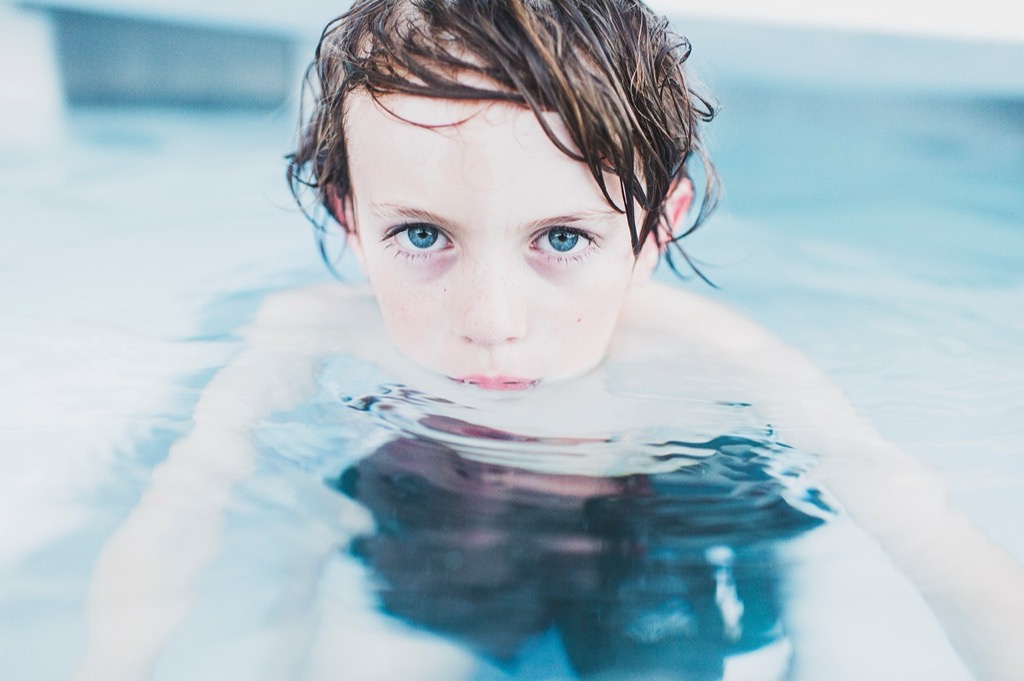
7 Tips to Introduce Kids to Water Sports
Discover 7 expert tips for safely introducing kids to water sports! From basic safety skills to choosing age-appropriate activities, build confidence and create lifelong water enthusiasts with proper gear and qualified instruction.
Getting your kids comfortable in water opens up a world of exciting sports and lifelong skills. From swimming and surfing to kayaking and water skiing, aquatic activities build confidence while providing excellent exercise and endless fun.
The key lies in making water sports feel like play rather than pressure. Smart parents know that the right approach can transform nervous beginners into confident water enthusiasts who’ll carry these skills throughout their lives.
Disclosure: As an Amazon Associate, this site earns from qualifying purchases. Thank you!
Start With Basic Water Safety Skills
Before your child can confidently enjoy water sports, they need fundamental safety skills that’ll serve as their foundation for all aquatic activities.
Teaching Floating and Treading Water
Master floating first since it’s the most essential survival skill. Start with back floating in shallow water where your child can stand up anytime they feel uncomfortable. Practice the “starfish” position with arms and legs spread wide.
Once they’re comfortable floating, introduce basic treading water using a gentle scissor kick and sculling arm movements. Even 30 seconds of treading water can be life-saving.
Understanding Pool Rules and Boundaries
Clear boundaries prevent accidents and build respect for water environments. Establish non-negotiable rules like no running on pool decks, no diving in shallow areas, and always asking permission before entering water.
Teach them to identify deep and shallow zones by looking for depth markers and pool lane ropes. Understanding these visual cues transfers directly to lakes and beaches later.
Recognizing Water Hazards and Dangers
Hazard recognition skills protect kids in any water environment. Start with obvious dangers like drain covers, slippery surfaces, and crowded swimming areas where collisions happen.
Teach them to spot less obvious risks like choppy water conditions, strong currents near pool returns, and areas where they can’t see the bottom clearly. These observation skills become critical when they advance to open water activities.
Choose Age-Appropriate Water Sports Activities
The right water sport at the right age makes all the difference between a lifelong love of aquatic activities and a fearful relationship with water. Matching activities to developmental stages ensures kids build confidence progressively while staying safe.
Beginner-Friendly Options for Toddlers
Splash play and supported floating work best for children ages 2-4 who’re just discovering water confidence. Pool noodles, kickboards, and shallow water games like “ring around the rosie” let toddlers explore movement without overwhelming them. Simple activities like blowing bubbles on the water surface or practicing “motor boat” movements teach basic water interaction skills.
Intermediate Sports for School-Age Children
Swimming lessons and beginner paddleboarding suit kids ages 5-10 who’ve mastered basic water safety skills. Stand-up paddleboarding in calm, shallow water builds balance and core strength while feeling adventurous. Snorkeling in clear, protected areas introduces underwater exploration safely. These activities challenge growing coordination while maintaining manageable risk levels.
Advanced Activities for Confident Swimmers
Wakeboarding, water skiing, and kayaking challenge kids 11+ who demonstrate strong swimming abilities and water awareness. These sports require quick reflexes and advanced balance but offer incredible excitement for confident water athletes. Competitive swimming strokes and diving also provide excellent outlets for kids ready to push their aquatic skills further.
Invest in Proper Safety Equipment and Gear
Quality safety equipment isn’t optional when introducing kids to water sports—it’s the foundation that makes everything else possible. The right gear transforms risky situations into learning opportunities where kids can push their limits safely.
Essential Life Jackets and Flotation Devices
Coast Guard-approved life jackets are non-negotiable for young water sport participants. Choose Type III personal flotation devices (PFDs) for active water sports like kayaking and paddleboarding—they offer excellent mobility while maintaining buoyancy. For beginners, consider life jackets with head support features that keep airways clear if kids become unconscious in water.
Protective Gear for Different Water Sports
Each water sport demands specific protective equipment beyond basic flotation. Wakeboarding and water skiing require impact vests and helmets to protect against high-speed falls. Surfing calls for rash guards, reef booties, and wetsuits depending on water temperature and location. Kayaking necessitates spray skirts for experienced paddlers and proper footwear for rocky launches.
Quality Equipment That Fits Properly
Properly fitted gear performs dramatically better than expensive equipment that doesn’t fit right. Life jackets should pass the “lift test”—when you lift your child by the shoulders of the jacket, it shouldn’t slide above their ears or chin. Replace equipment annually as kids grow, since loose-fitting safety gear can actually create hazards during water emergencies.
Find Qualified Instructors and Programs
The right instructor makes the difference between a child who fears water and one who becomes a lifelong water enthusiast. Professional guidance transforms intimidating experiences into confidence-building adventures that stick with kids for years.
Researching Certified Water Sports Instructors
Look for instructors with certifications from recognized organizations like American Red Cross, US Sailing, or Professional Association of Diving Instructors. These credentials ensure they’ve completed safety training and understand child development stages.
Check their experience specifically with children and ask about their teaching philosophy. The best instructors combine technical skills with patience and know how to make learning feel like play rather than work.
Evaluating Local Swimming and Sports Programs
Visit facilities during active classes to observe instructor-to-student ratios and teaching methods. Quality programs maintain small class sizes and have clear progression levels that match your child’s abilities.
Ask about their safety protocols and emergency procedures. Reputable programs will gladly share their certification requirements and explain how they handle different skill levels within the same class.
Group Classes Versus Private Lessons
Group classes work well for confident kids who thrive on peer interaction and friendly competition. They’re cost-effective and help children learn by watching others succeed and struggle with similar challenges.
Private lessons suit anxious beginners or kids with specific needs who require individualized attention. One-on-one instruction allows faster skill development and customized pacing that builds confidence systematically.
Create Positive First Experiences in Water
Your child’s first water experience sets the foundation for their entire relationship with aquatic activities. Making these early encounters positive transforms potential fear into lifelong enthusiasm.
Making Water Fun Rather Than Frightening
Turn water introduction into play time with games like “motorboat” arm movements and bubble blowing. Start in shallow water where your child can stand comfortably and maintain control. Use colorful toys like floating balls and water noodles to create excitement rather than focusing on technique or skills during these initial sessions.
Building Confidence Through Small Victories
Celebrate each small achievement like putting their face in water for three seconds or floating with assistance for ten seconds. Break activities into tiny steps – first touching water with hands then progressing to splashing and gentle movements. These mini-milestones create momentum and help your child associate water time with success rather than struggle.
Avoiding Pressure and Forced Participation
Never force your child into water activities when they’re showing signs of fear or resistance. Let them observe from the pool edge or shallow areas until they’re ready to participate voluntarily. Pushing too hard too fast often creates lasting negative associations that take months or years to overcome in future water experiences.
Progress Gradually From Shallow to Deep Water
Building comfort with deeper water happens naturally when you respect your child’s learning pace. This progression prevents overwhelm while developing the confidence needed for advanced water sports.
Starting in Kiddie Pools and Shallow Areas
Kiddie pools offer the perfect controlled environment for initial water exposure. Your child can stand comfortably while exploring basic movements like splashing and walking through water. These shallow spaces let kids build fundamental comfort without fear, creating positive associations that’ll serve them throughout their aquatic journey.
Moving to Deeper Water at Child’s Pace
Watch for your child’s cues before advancing to deeper areas. Some kids confidently move from ankle-deep to waist-deep water within weeks, while others need months to feel secure. Never rush this transition – pushing too fast often creates setbacks that take longer to overcome than patient progression.
Recognizing Signs of Readiness for Advancement
Ready kids show excitement about deeper water rather than reluctance. They’ll confidently put their face underwater, float with minimal support, and ask to go where they can’t touch bottom. These natural indicators of readiness ensure your child advances when they’re genuinely prepared for the next challenge.
Maintain Consistent Practice and Encouragement
Consistency beats intensity every time when you’re introducing kids to water sports. The most successful young swimmers I’ve worked with didn’t train for hours daily – they showed up regularly and built their skills incrementally.
Establishing Regular Water Time Schedules
Schedule short, frequent sessions rather than marathon practices. Twenty minutes twice a week works better than one long hour-long session. Kids absorb water skills through repetition, and regular exposure prevents them from forgetting techniques between visits. Block out consistent time slots on your calendar and stick to them – even during busy weeks.
Celebrating Milestones and Improvements
Acknowledge every breakthrough, no matter how small it seems. When your child floats independently for three seconds or takes their first underwater breath, celebrate it enthusiastically. Create a simple progress chart or take photos to document their journey. These celebrations build momentum and help kids connect effort with achievement in water sports.
Supporting Through Setbacks and Fears
Expect regression and treat it as normal part of learning. Kids often take steps backward after making progress – they might suddenly refuse to put their face underwater or become clingy during lessons. Stay calm and patient during these phases. Remind them of past successes and let them return to earlier, comfortable skills until confidence rebuilds naturally.
Conclusion
Introducing your kids to water sports opens up a world of adventure and lifelong skills they’ll treasure forever. By prioritizing safety first and choosing age-appropriate activities you’re setting them up for success in the water.
Remember that every child learns at their own pace. Some will dive right in while others need more time to feel comfortable. The key is staying patient and keeping the experience positive and fun.
With the right equipment qualified instruction and plenty of encouragement your little ones will develop the confidence they need to enjoy water sports safely. These early experiences will shape their relationship with water activities for years to come.
Frequently Asked Questions
What age should children start learning water sports?
Children can begin water activities as early as 2-4 years old with splash play and supported floating. School-age children (5-10) are ready for swimming lessons and beginner paddleboarding, while confident swimmers aged 11 and older can tackle advanced activities like wakeboarding and water skiing. The key is matching activities to your child’s developmental stage and comfort level.
What are the most important water safety skills for kids to learn first?
Basic water safety skills include floating in a “starfish” position, treading water with simple movements, and understanding pool rules and boundaries. Children should learn to recognize deep and shallow areas, never run on pool decks, and identify water hazards like slippery surfaces and strong currents before participating in any water activities.
What type of safety equipment do kids need for water sports?
Children need Coast Guard-approved life jackets, specifically Type III personal flotation devices for active sports. Additional protective gear depends on the activity: impact vests for wakeboarding, helmets for water skiing, and properly fitted equipment that passes the “lift test.” Regularly replace gear as children grow to ensure optimal safety.
How do I find qualified water sports instructors for my child?
Look for certified instructors with credentials from recognized organizations who have safety training and experience with children. Research local programs by observing classes to check instructor-to-student ratios and teaching methods. Group classes work well for confident kids, while private lessons are better for anxious beginners needing individualized attention.
What should I do if my child is afraid of water?
Never force participation when a child shows fear or resistance, as this creates negative associations. Start with fun games in shallow water where they feel comfortable. Celebrate small victories like putting their face in water or floating with assistance. Make the introduction playful and progress at their pace to build confidence naturally.
How often should children practice water skills?
Schedule short, frequent practice sessions rather than long ones, as regular exposure helps children retain techniques better. Consistent practice builds muscle memory and confidence. Celebrate every milestone, no matter how small, and remember that setbacks are normal. Stay supportive and allow children to revisit comfortable skills when needed.
When should children move from shallow to deep water?
Children should only move to deeper water when they show signs of readiness, such as excitement about deeper areas and the ability to float with minimal support. Start in kiddie pools and shallow areas to build comfort, then gradually progress based on each child’s individual pace. Some children advance quickly while others need more time.


