7 Best Beach First Aid Essentials for Parents That Save Vacations
Discover 7 essential first aid items every parent needs for safe beach trips with kids. From waterproof supplies to sting treatments – be prepared for family fun!
The big picture: Beach days with kids create magical memories but also present unique safety challenges that require smart preparation.
Why it matters: From jellyfish stings to scraped knees on rocky shores your family vacation can quickly turn stressful without the right first aid supplies within reach.
What’s ahead: We’ve identified seven must-have medical essentials that’ll keep your beach bag stocked for any minor emergency so you can focus on building sandcastles instead of worrying about what-if scenarios.
Disclosure: As an Amazon Associate, this site earns from qualifying purchases. Thank you!
Waterproof First Aid Kit Container
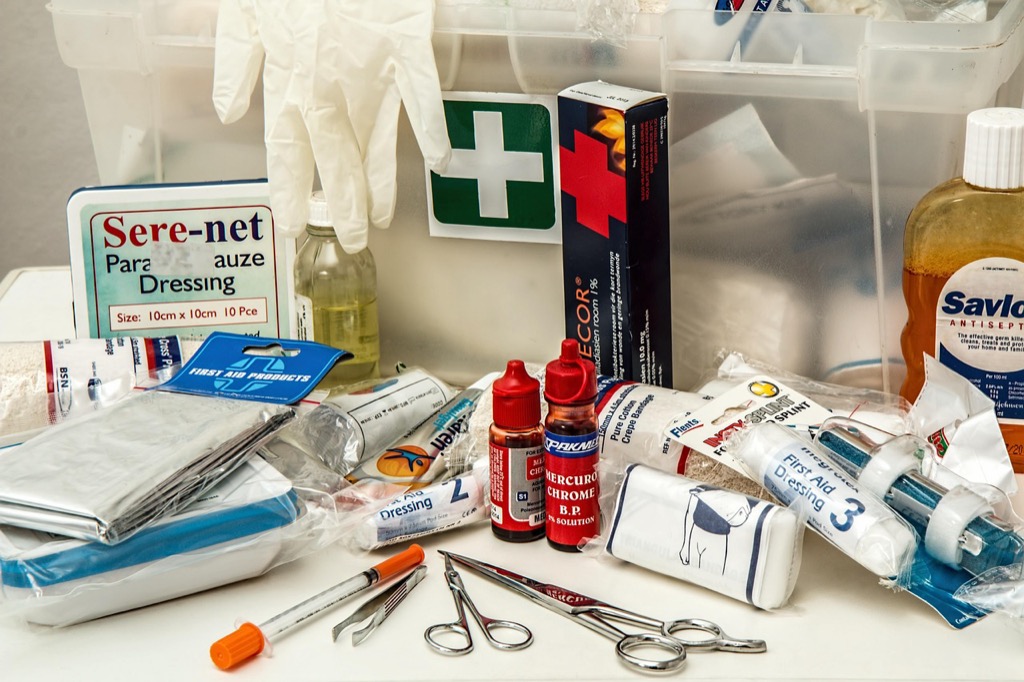
Be prepared for any situation with this 110-piece first aid kit. It contains physician-recommended supplies in organized pouches, including treatments for cuts, scrapes, and minor pain.

Your beach first aid supplies won’t help anyone if they’re waterlogged. A proper waterproof container keeps everything dry and accessible when emergencies happen.
Choose a Sealed, Floating Case
Look for hard-shell cases with rubber gasket seals that prevent water infiltration completely. Clear polycarbonate models like Pelican or Seahorse cases withstand drops on rocks and resist UV damage from constant sun exposure.
Floating cases save you from losing supplies if they accidentally get knocked into the water during treatment.
Include Essential Medications and Supplies
Pack antihistamines, pain relievers, and topical antibiotics in their original containers to maintain potency. Add waterproof bandages, instant cold packs, and hydrocortisone cream for common beach injuries like jellyfish stings and coral scrapes.
Include tweezers, medical tape, and antiseptic wipes that won’t degrade in humid salt air conditions.
Label Contents for Quick Access
Create a laminated inventory card listing every item and its location within compartments. Use waterproof labels on individual supply bags so you can grab what you need without dumping everything onto sandy surfaces.
Color-code sections for different emergency types – red for bleeding, blue for stings, green for medications.
Sunscreen and Sun Protection Items
Get powerful sun protection with Neutrogena Ultra Sheer SPF 70. This lightweight, non-greasy formula absorbs quickly, leaving a clean, matte finish while shielding skin from UVA/UVB rays.

Sun protection becomes critical when you’re dealing with beach emergencies because burned skin complicates treatment and increases pain. You’ll need reliable protection that won’t wash off during water rescues or while treating injuries.
Broad-Spectrum SPF 30+ Sunscreen
Broad-spectrum SPF 30+ sunscreen protects against both UVA and UVB rays during extended beach emergencies. Choose water-resistant formulas that last 80 minutes in water, ensuring protection won’t fail when you’re focused on treating injuries. Reapply every two hours and immediately after swimming or sweating heavily.
Zinc Oxide for Sensitive Areas
CareAll Zinc Oxide ointment effectively treats and prevents diaper rash and minor skin irritations. This 20% zinc oxide formula creates a protective barrier, sealing out wetness and relieving chafed skin.

Zinc oxide provides physical barrier protection for noses, lips, and ears where sunburn risk is highest. This mineral sunscreen won’t sting if it gets into cuts or scrapes during first aid situations. Apply thick layers to create visible white coverage that indicates proper protection levels.
Cooling Aloe Vera Gel for Burns
Soothe and repair your skin with Seven Minerals Organic Aloe Vera Gel. Made from freshly cut, Texas-grown aloe, this pure and potent gel absorbs quickly, leaving skin smooth and healthy.
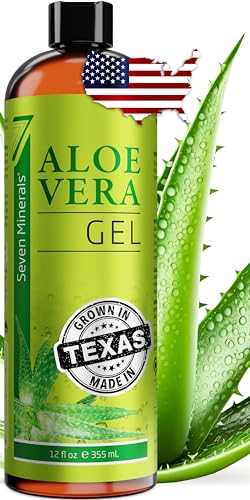
Cooling aloe vera gel treats both sunburn and minor heat-related skin injuries common at beaches. Keep gel in your cooler to provide immediate relief from burning sensations and reduce inflammation. Pure aloe works best—avoid products with alcohol or fragrances that can irritate damaged skin further.
Wound Care and Bandaging Supplies
Beach injuries happen fast, and proper wound care supplies make the difference between a minor setback and a ruined vacation.
Adhesive Bandages in Multiple Sizes
Protect minor cuts and scrapes with Band-Aid Flexible Fabric Bandages. The comfortable, flexible fabric moves with you, while the Quilt-Aid pad cushions and protects wounds for pain-free healing.

Pack waterproof bandages in at least three sizes to handle everything from small cuts to larger scrapes. Standard fabric bandages fall off immediately in water or sand, leaving wounds exposed to bacteria and debris. Waterproof varieties with strong adhesive stay put during swimming and beach activities, protecting cuts from saltwater irritation.
Sterile Gauze Pads and Medical Tape
These 4x4 inch Medline gauze sponges are ideal for wound care. Made from 100% cotton with a C-fold design to minimize lint, each pack contains 200 non-sterile, 8-ply sponges in easy-open envelopes.

Gauze pads paired with waterproof medical tape handle larger wounds that bandages can’t cover effectively. Choose individually wrapped 2×2 and 4×4 inch sterile pads to maintain cleanliness in sandy conditions. Medical tape specifically designed for wet conditions ensures gauze stays secure even after ocean exposure or sweating.
Antiseptic Wipes and Antibiotic Ointment
Clean wounds immediately with antiseptic wipes before sand and saltwater cause infection. Individual alcohol-free wipes won’t sting open cuts while effectively removing bacteria and debris. Follow with a thin layer of antibiotic ointment to prevent infection and promote healing in the challenging beach environment where wounds stay moist longer.
Eye and Ear Care Essentials
Beach environments create unique challenges for your eyes and ears that standard first aid kits often overlook. Sand particles and saltwater can cause serious discomfort that needs immediate attention.
Saline Solution for Eye Irrigation
Saline solution flushes sand and irritants from eyes without causing additional burning. You’ll need sterile saline in squeeze bottles rather than contact solution, which can sting injured eyes. Pack two 4-ounce bottles since you’ll use more than expected when kids get sand in their eyes.
Tweezers for Sand and Debris Removal
Precision tweezers remove visible sand particles from around eyes and other sensitive areas. Choose stainless steel tweezers with fine points that won’t slip when wet. You’ll also use them for splinters from boardwalks and removing small shells embedded in feet.
Ear Drops for Water Removal
Specialized ear drops prevent swimmer’s ear by breaking water surface tension in ear canals. Look for isopropyl alcohol-based drops that evaporate trapped water quickly. Apply immediately after swimming sessions rather than waiting for discomfort to develop.
Sting and Bite Treatment Options
Beach creatures don’t give warnings before they strike. Having the right treatment supplies ready means you’ll handle jellyfish stings, insect bites, and other painful encounters without panic.
Instant Cold Packs for Pain Relief
Instant cold packs provide immediate relief for jellyfish stings and insect bites. They work by numbing pain and reducing initial swelling without requiring ice or refrigeration. Keep two packs in your kit since they’re single-use and you might need one for multiple family members.
Antihistamine for Allergic Reactions
Antihistamines like Benadryl control allergic reactions from bee stings and jellyfish encounters. Choose liquid formulations for faster absorption, especially for children who can’t swallow pills. Pack both children’s and adult doses since reaction severity can escalate quickly in beach environments.
Hydrocortisone Cream for Inflammation
Hydrocortisone cream reduces inflammation and itching from various beach stings and bites. Apply it after cleaning the affected area to prevent secondary infections from scratching. Choose 1% strength for effective relief without requiring a prescription, and ensure it’s in a waterproof tube.
Dehydration and Heat-Related Remedies
Beach heat can sneak up on families faster than you’d expect, especially when kids are having fun and forget to drink water. Heat-related emergencies require immediate action to prevent serious complications.
Electrolyte Packets and Oral Rehydration Salts
Electrolyte packets rehydrate your family faster than plain water when heat exhaustion strikes. Pack single-serve powder packets like Liquid IV or Pedialyte powder that dissolve quickly in bottles.
These packets replace essential sodium and potassium lost through sweating. You’ll need the precise mineral balance to help your body actually absorb the fluids you’re drinking.
Instant Ice Packs for Heat Exhaustion
Instant ice packs cool overheated bodies immediately without needing a cooler or ice. Activate these chemical packs by squeezing to trigger the cooling reaction that lasts 15-20 minutes.
Apply packs to pulse points like wrists, neck, and temples for fastest cooling. You can also place them under armpits or behind knees where blood vessels run close to skin.
Thermometer for Temperature Monitoring
Thermometers help you determine if someone has dangerous hyperthermia or just feels hot from activity. Digital models with flexible tips work best for beach conditions and give readings in 10-15 seconds.
Pack a waterproof case to protect the thermometer from sand and saltwater. You’ll know when to seek emergency help if core temperature exceeds 104°F rather than guessing based on symptoms alone.
Emergency Contact and Medical Information
Having critical contact information readily available can mean the difference between a minor incident and a major emergency. Beach emergencies require immediate access to key phone numbers and medical details.
Waterproof Emergency Contact List
Create a laminated card with essential phone numbers including your family doctor, pediatrician, and poison control center. Include emergency contacts for family members who aren’t at the beach with you. Store this card in your waterproof first aid kit alongside a backup copy in your beach bag‘s sealed pocket.
Medical Alert Information and Allergies
Document all family members’ medical conditions, current medications, and known allergies on a waterproof card. Include specific allergy triggers like bee stings, shellfish, or latex since beaches present unique exposure risks. Keep dosage information for any emergency medications like EpiPens or inhalers clearly listed.
Local Emergency Services Numbers
Research and record local emergency numbers before arriving at your beach destination since 911 may not connect to the nearest coastal rescue services. Include the beach patrol number, nearest hospital, and coast guard station contact information. Many beach communities have dedicated marine rescue units with faster response times than standard emergency services.
Conclusion
Being prepared with the right first aid essentials transforms your beach experience from potentially stressful to genuinely enjoyable. You’ve now got the knowledge to pack smart and handle common beach emergencies with confidence.
Remember that preparation isn’t about expecting the worst—it’s about creating the freedom to fully embrace those precious family moments. When you’re equipped with these seven beach first aid essentials you can focus on building sandcastles making memories and watching your kids discover the joy of ocean adventures.
Your beach bag is now your safety net. Pack these items once and you’ll wonder how you ever managed beach days without them.
Frequently Asked Questions
What should I include in a waterproof beach first aid kit?
Your beach first aid kit should contain antihistamines, pain relievers, waterproof bandages, antiseptic wipes, broad-spectrum SPF 30+ sunscreen, aloe vera gel, sterile gauze pads, saline solution for eyes, ear drops, instant cold packs, electrolyte packets, and a thermometer. Store everything in a sealed, waterproof container that floats to prevent water damage and ensure accessibility during emergencies.
Why is a waterproof container essential for beach first aid supplies?
A waterproof container protects your medical supplies from sand, saltwater, and moisture that can damage medications and bandages. Choose a sealed, floating case to prevent water infiltration and make it easier to locate if dropped in water. This ensures your first aid supplies remain effective and accessible when you need them most during beach emergencies.
What are the most common beach injuries that require first aid?
Common beach injuries include sunburn, cuts and scrapes from shells or rocks, jellyfish stings, dehydration, heat exhaustion, eye irritation from sand or saltwater, swimmer’s ear, and allergic reactions to marine life. Having proper first aid supplies helps you treat these minor injuries immediately, preventing them from escalating into serious problems that could ruin your vacation.
How can I prevent and treat heat-related illnesses at the beach?
Pack electrolyte packets for rapid rehydration, instant ice packs for cooling overheated bodies, and a thermometer to monitor temperature. Encourage frequent water breaks, seek shade during peak sun hours, and watch for symptoms like dizziness, nausea, or excessive sweating. Immediate treatment with cooling measures and rehydration can prevent heat exhaustion from progressing to dangerous heat stroke.
What emergency contact information should I bring to the beach?
Create a waterproof emergency contact list including family doctors, poison control centers, local emergency services, and nearby hospitals. Document family members’ medical conditions, current medications, and known allergies on a waterproof card. Research local emergency numbers before your trip and store this information in your first aid kit for quick access during emergencies.
How do I treat jellyfish stings and other marine life encounters?
For jellyfish stings, immediately apply an instant cold pack to reduce pain and swelling. Remove any visible tentacles with tweezers, not bare hands. Take antihistamines for allergic reactions and monitor for severe symptoms. Avoid rubbing the area or applying ice directly to skin. Seek medical attention if breathing difficulties, widespread swelling, or severe pain occurs.
What’s the best way to organize my beach first aid kit?
Label all contents clearly for quick identification during emergencies. Group similar items together (medications, wound care, sun protection) and store frequently used items in easily accessible compartments. Include a quick reference card listing what’s included and basic treatment instructions. Regularly check expiration dates and replace items as needed to maintain kit effectiveness.