8 Ways to Set Up a Beach Umbrella for Maximum Shade That Pros Use
Discover expert techniques for setting up your beach umbrella to create reliable, all-day shade. Learn optimal positioning, timing, and anchoring tips for maximum comfort and UV protection at the beach.
The big picture: You’re spending precious vacation time fighting with a wobbly beach umbrella that barely blocks the sun while everyone else seems to have mastered the art of perfect shade.
Stay dry with the Tumella umbrella, featuring a windproof, double-canopy design tested to withstand 70+ mph winds. Its automatic open/close function and compact, lightweight build make it perfect for travel.


Why it matters: A properly positioned beach umbrella can make the difference between a relaxing day at the beach and a sunburned disaster that cuts your trip short.
What you’ll learn: The specific techniques and timing strategies that turn your flimsy umbrella into a reliable shade fortress that follows the sun throughout the day.
Disclosure: As an Amazon Associate, this site earns from qualifying purchases. Thank you!
Choose the Right Beach Umbrella for Maximum Coverage
Enjoy superior sun protection at the beach with this 8ft umbrella featuring UPF 50+ fabric and a wind-resistant design. Its heavy-duty sand anchor and adjustable tilt ensure stability and customizable shade all day long.

Your umbrella selection directly impacts how much shade you’ll actually get throughout the day. The right features can mean the difference between constant repositioning and effortless all-day coverage.
Size and Diameter Considerations
Bigger isn’t always better when it comes to beach umbrellas. You’ll want at least 7-8 feet of diameter for two people, but anything over 10 feet becomes unwieldy in coastal winds. The sweet spot is 8-9 feet – wide enough for adequate coverage without turning into a sail that’ll launch your umbrella down the beach.
UV Protection Rating Features
Look for umbrellas with UPF 50+ ratings that block 98% of harmful rays. Standard fabric umbrellas only provide UPF 5-10 protection, which isn’t much better than a thin t-shirt. Silver-lined or specially treated fabrics offer superior protection, though they’ll cost more upfront than basic canvas options.
Tilt and Adjustment Mechanisms
Tilt mechanisms are game-changers for following the sun’s path throughout your beach day. Crank-style tilts offer precise control but can jam with sand, while push-button systems are more reliable but less adjustable. Avoid umbrellas with only fixed positions – you’ll spend your day moving chairs instead of relaxing.
Select the Optimal Beach Location for Shade
Your beach umbrella‘s effectiveness depends heavily on where you plant it. Smart location selection turns your umbrella from a stationary sun blocker into an all-day shade companion.
Assess Sun Movement Patterns Throughout the Day
The sun rises in the east and sets in the west, traveling a predictable arc that changes with seasons. Position your umbrella knowing it’ll cast shadows differently from 9 AM to 4 PM. During summer months, the sun reaches its highest point around noon, creating the smallest shadow directly beneath your umbrella.
Identify Wind Direction and Intensity
Ocean breezes typically blow onshore during the day, intensifying in the afternoon. Set up with prevailing winds at your back to prevent umbrella collapse and sand spray. Coastal winds can reach 15-20 mph on clear days, making wind-protected spots behind dunes or near beach structures invaluable for umbrella stability.
Consider Proximity to Water and Sand Conditions
Wet sand provides superior anchoring compared to dry, loose sand found higher on the beach. Position yourself 30-50 feet from the water’s edge for optimal sand density without tide concerns. This distance offers firm footing for your umbrella base while keeping you clear of high-tide zones and wave splash.
Time Your Beach Umbrella Setup Strategically
Timing your beach umbrella setup can make the difference between all-day comfort and constantly chasing shade. Strategic placement based on sun patterns ensures maximum coverage when you need it most.
Arrive Early to Secure Prime Spots
Early arrival gives you first pick of the best beach real estate before crowds claim prime locations. Getting to the beach by 8-9 AM lets you select spots with natural windbreaks like dunes or rocks that’ll keep your umbrella stable throughout the day. You’ll also avoid the frustration of setting up in suboptimal sand conditions after foot traffic has loosened the surface.
Account for Seasonal Sun Angle Changes
Summer sun travels a higher arc across the sky, creating shorter shadows that require different positioning than winter’s lower angle. In peak summer months, position your umbrella slightly more to the west since the sun reaches maximum intensity earlier in the day. Spring and fall require eastward adjustments as the sun’s path shifts lower and shadows stretch longer throughout the afternoon.
Plan for Peak Sun Hours Protection
Set up your umbrella to prioritize coverage during 10 AM to 3 PM when UV rays are strongest and heat becomes unbearable. Position the umbrella so its shadow covers your planned seating area during these critical hours, even if it means less coverage in early morning or late afternoon. This strategic sacrifice ensures protection when sun exposure poses the greatest risk to your comfort and health.
Anchor Your Beach Umbrella Securely in the Sand
Proper anchoring transforms your beach umbrella from a potential projectile into a reliable shade companion. Your umbrella’s stability depends entirely on how well you secure it in the sand before settling in for the day.
Dig a Deep and Stable Hole
Dig your umbrella hole at least 18-24 inches deep to reach the firmer, cooler sand beneath the surface. Create a hole that’s slightly wider than your umbrella pole to allow for proper positioning adjustments.
Use your hands or a small shovel to remove loose, dry sand that won’t provide adequate grip. The deeper you dig, the more stable your umbrella becomes against coastal winds that can reach 15-20 mph unexpectedly.
This durable 31-inch shovel is perfect for gardening, camping, and car emergencies. Its curved D-handle provides a comfortable grip, while the heavy-duty metal construction ensures lasting use.

Use Proper Twisting and Drilling Techniques
Twist your umbrella pole clockwise while applying steady downward pressure to create a secure anchor point. Avoid jamming the pole straight down, which can bend or damage the mechanism.
Rock the umbrella gently side to side as you twist to help the pole threads bite into the compacted sand. This drilling motion creates better holding power than simply pushing the umbrella into loose sand.
Add Sand Weight and Compaction Methods
Pack wet sand tightly around the umbrella base using your feet to compress the sand in layers. Wet sand provides 3-4 times more holding power than dry sand alone.
Create a small mound of compacted sand around the pole, then add a ring of heavier objects like filled water bottles or beach bags. This combination of natural and added weight keeps your umbrella stable during sudden wind gusts.
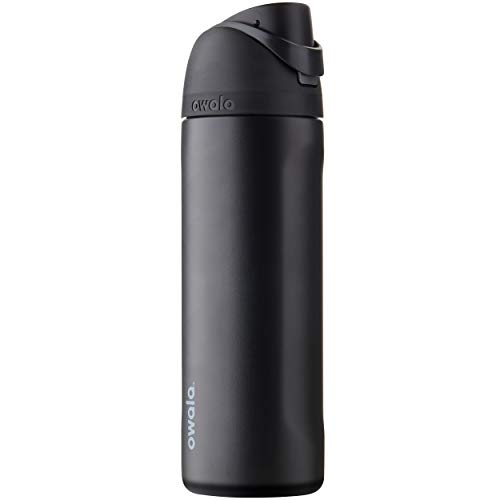
Stay hydrated on the go with the Owala FreeSip water bottle. It features a unique FreeSip spout for sipping or swigging and keeps drinks cold for up to 24 hours.
Position Your Beach Umbrella for Maximum Shade Coverage
Now that you’ve secured your umbrella properly, strategic positioning becomes the difference between mediocre coverage and all-day comfort. Your umbrella’s angle, tilt, and height work together to create a moving shield that adapts to the sun’s path.
Angle the Umbrella Based on Sun Position
Point your umbrella directly opposite the sun’s current position for maximum immediate coverage. In the morning, angle it westward to block the rising sun, then gradually adjust throughout the day as shadows shift. This simple tracking method ensures your seating area stays shaded during peak heat hours.
Utilize Tilt Features for Extended Coverage
Tilt your umbrella 15-20 degrees in the direction of the sun’s next position to extend coverage time. Modern umbrellas with joint mechanisms let you follow the sun’s arc without constantly repositioning your entire setup. This proactive tilting technique can add 2-3 hours of consistent shade coverage.
Adjust Height for Optimal Shadow Casting
Set your umbrella height based on your desired shadow length – higher positions create longer, thinner shadows while lower positions produce wider, shorter coverage areas. Position the umbrella at maximum height during midday sun for broader coverage, then lower it slightly during morning and afternoon hours for more concentrated shade.
Enhance Your Beach Umbrella Setup with Additional Accessories
Smart accessories transform your basic umbrella into a comprehensive shade system that blocks more sun and handles changing conditions throughout the day.
Combine with Beach Tents or Cabanas
Enjoy sun protection and spacious comfort with this lightweight beach tent. It features UPF 50+ UV protection, easy setup, and a portable design for 3-4 people.

Pairing your umbrella with a pop-up tent creates overlapping shade zones that eliminate gaps as the sun moves. Position the tent 3-4 feet from your umbrella’s edge to form an L-shaped coverage area. This combo works especially well for families since kids can move between shaded spaces without stepping into direct sunlight.
Add Side Panels or Wind Screens
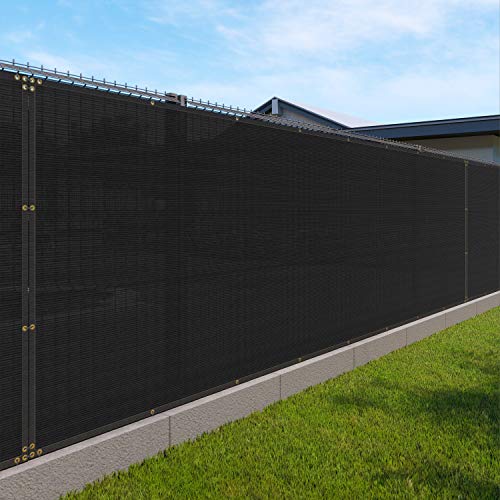
• Perfectly Protect Your Yard Privacy: 90% visibility blocking, prevent peeping outside the yard, block nose neighbors see through, protect safety and enjoy freedom. It can also prevent animals from entering your yard, block surrounding noise and street views, block dogs' sight and prevent bark. • High Quality Material: Made of brand new breathable polyethylene fabric, the fabric is tight and flat, the fabric has elasticity that can be stretched, stitched edges, sturdy and tear-resistant, reinforced brass grommets on the edges, easy to install and not easy to damage.Due to material reasons, there may be a 3"-6" error before stretching. • Wide Range of Applications: Not only suitable for privacy screening and hiding of swimming pools, backyards, front yards, patios, gardens and porches from streets, roads, construction sites, pet kennel fences, but also for garages, roofs, patios, balconies, vegetables and greenhouse's sunshade coverage, windproof and dustproof. • Easy to Install: Installation is easy and does not take much time. You only need to roll it out and use zip ties or ropes (Zip ties included in the package) to pass through the buttonholes and fix it on the fence or railing. All the sizes you need can be customized. • Warranty: 3 Years Limited Warranty under normal usage and weather. If you are missing any parts or receiving defective items during shipping, please contact us for the replacement delivery any time.
Clip-on side panels extend your umbrella’s coverage by 40-50% while blocking harsh afternoon rays that sneak under standard canopies. Look for panels with adjustable straps that attach to your umbrella’s ribs. These screens also reduce wind interference that can destabilize your setup during breezy coastal conditions.
Use Reflective Ground Covers
Reflective beach mats placed strategically around your umbrella reduce ground heat by 15-20 degrees and bounce harsh sand glare away from your seating area. Position silver-backed mats on the sun-facing side of your umbrella to deflect upward-reflecting rays. This creates a cooler microclimate that makes your shaded space genuinely comfortable.
Maintain and Adjust Your Beach Umbrella Throughout the Day
Even the most perfectly positioned umbrella won’t stay effective without active maintenance. Your shade coverage changes dramatically as the sun moves across the sky and beach conditions shift.
Track Sun Movement and Reposition Accordingly
Monitor your shadow coverage every 60-90 minutes throughout your beach day. The sun’s path creates a predictable arc, shifting your umbrella’s shadow by roughly 15 degrees per hour.
Move your umbrella in small increments rather than waiting for complete shade loss. Repositioning becomes most critical between 11 AM and 2 PM when the sun’s angle changes rapidly and UV intensity peaks.
Monitor Wind Changes and Stability
Check your umbrella’s stability whenever wind patterns shift noticeably. Beach winds typically intensify during midday hours and can change direction as thermal patterns develop.
Test the anchor by gently pushing the umbrella pole – any wobbling indicates you need to pack more sand around the base. Afternoon sea breezes often approach from different angles than morning winds, requiring anchor adjustments.
Make Height and Angle Adjustments as Needed
Lower your umbrella during gusty periods to reduce wind resistance and prevent toppling. Higher positioning works best during calm morning hours when you need maximum coverage area.
Adjust the tilt mechanism every 2-3 hours to maintain optimal shade angle. Your umbrella should lean into the sun’s current position rather than where it was when you first set up.
Conclusion
Setting up your beach umbrella correctly transforms your entire coastal experience from uncomfortable sun exposure to relaxing shade sanctuary. You’ll enjoy longer beach days without worrying about harmful UV rays when you master these positioning and anchoring techniques.
Remember that your umbrella setup isn’t a one-time task – it requires ongoing attention throughout the day. By monitoring sun movement and adjusting your umbrella’s angle every hour or two you’ll maintain optimal coverage when you need it most.
With the right umbrella features proper timing and strategic positioning you’ve got everything needed to create your perfect beach retreat. Your investment in quality shade equipment and setup knowledge pays dividends in comfort safety and pure enjoyment of your time by the water.
Frequently Asked Questions
What size beach umbrella provides the best coverage?
An 8-9 feet diameter umbrella offers the ideal balance of adequate shade coverage without being too cumbersome in coastal winds. This size provides enough space for 2-4 people while remaining manageable during setup and repositioning throughout the day.
What UPF rating should I look for in a beach umbrella?
Choose a beach umbrella with UPF 50+ rating, which blocks 98% of harmful UV rays. Standard umbrellas without proper UV protection offer minimal sun protection, making the UPF rating crucial for preventing sunburn and skin damage.
Where should I position my beach umbrella on the beach?
Set up your umbrella 30-50 feet from the water’s edge where wet sand provides better anchoring stability. Position it with prevailing winds at your back to prevent collapse, and consider the sun’s east-to-west movement when choosing your spot.
What’s the best time to set up my beach umbrella?
Arrive early around 8-9 AM to secure prime locations with natural windbreaks. This timing allows you to choose optimal positioning and ensures maximum shade coverage during peak sun hours from 10 AM to 3 PM when UV rays are strongest.
How deep should I anchor my beach umbrella?
Dig a hole at least 18-24 inches deep to reach firmer sand. Use a twisting motion to secure the pole, pack wet sand tightly around the base, and create a compacted sand mound with additional weight like water bottles for maximum stability.
How often should I reposition my beach umbrella?
Reposition your umbrella every 60-90 minutes to follow the sun’s movement, especially between 11 AM and 2 PM when UV intensity peaks. Regular adjustments ensure continuous shade coverage and maintain comfort throughout your beach day.
What accessories can enhance my beach umbrella setup?
Consider adding clip-on side panels to extend coverage by 40-50%, pairing with a pop-up tent for overlapping shade zones, and using reflective ground covers to reduce heat and glare. These create a comprehensive shade system for maximum comfort.
How do I adjust my umbrella for seasonal sun changes?
Position your umbrella more westward during summer months and more eastward in spring and fall to account for the sun’s changing angle. The sun’s seasonal path affects shadow patterns, requiring strategic positioning adjustments for optimal coverage.