7 Unique Beach Experiences That Minimize Bug Exposure Locals Keep Secret
Discover 7 smart beach strategies to avoid pesky bugs! From windy coastal spots to elevated cliff locations, enjoy bug-free seaside adventures with these expert tips.
You love the beach but hate the bugs that come with it. Sand flies mosquitoes and other pesky insects can turn your perfect beach day into an itchy nightmare that ruins your vacation memories. Smart beachgoers know there are specific experiences and locations that naturally reduce bug encounters while still delivering that amazing coastal experience you’re craving.
Disclosure: As an Amazon Associate, this site earns from qualifying purchases. Thank you!
Choose High-Wind Coastal Areas for Natural Bug Deterrence
Wind becomes your best ally against beach bugs. Coastal areas with consistent breezes create natural barriers that keep flying insects away from your beach setup.
Seek Out Windswept Beaches With Consistent Ocean Breezes
Target beaches with 10+ mph sustained winds for optimal bug deterrence. Ocean-facing shores typically generate stronger, more consistent airflow than protected bays or lagoons. Look for elevated beach areas where wind channels naturally accelerate, creating uncomfortable conditions for sand flies and mosquitoes that struggle to navigate in strong currents.
Research Wind Patterns and Seasonal Weather Data
Check marine weather forecasts and historical wind data before planning your beach trip. Spring and fall often provide the most reliable wind patterns, with afternoon sea breezes reaching 15-20 mph. Use NOAA marine forecasts or weather apps that show hourly wind speeds to identify optimal timing for your bug-free beach experience.
Pack Light Clothing That Won’t Blow Away
Choose fitted, lightweight fabrics that won’t become sails in strong coastal winds. Avoid loose cover-ups, flowing scarves, or billowy shirts that’ll whip around uncontrollably. Opt for stretchy swim shirts, fitted tank tops, and secure hats with chin straps to stay comfortable while letting the wind work its bug-deterring magic.
Visit Beaches During Peak Daylight Hours When Bugs Are Less Active
Most biting insects follow predictable activity patterns that you can use to your advantage. Timing your beach visits strategically puts you ahead of the bugs before they even know you’re there.
Plan Your Beach Day Between 10 AM and 4 PM
Mid-day heat drives most biting insects into shaded areas away from open beaches. Sand flies retreat under vegetation while mosquitoes seek cooler spots during peak sun hours.
You’ll find the cleanest bug-free experience when UV rays are strongest and temperatures exceed 80°F. Pack extra sunscreen since you’re trading bug protection for increased sun exposure during these prime hours.
Avoid Dawn and Dusk When Mosquitoes Are Most Active
Dawn and dusk create perfect hunting conditions for mosquitoes and sand flies. These insects emerge in swarms during the cooler twilight hours when winds typically die down.
You’ll encounter 5-10 times more biting insects during these transition periods compared to midday visits. Even beautifully calm sunset beaches become nearly unbearable within 30 minutes of the sun touching the horizon.
Time Your Visit With Low Tide for Maximum Beach Space
Low tide exposes significantly more dry sand area where bugs can’t breed or hide. You’ll have 200-300% more usable beach space compared to high tide conditions.
Check tide charts before your trip since low tide timing varies daily by 50 minutes. Spring tides offer the most dramatic low water levels while neap tides provide more moderate exposure.
Select Rocky or Pebble Beaches Over Sandy Shorelines
Rocky and pebble beaches create hostile environments for the insects that typically plague traditional sandy shores. These natural surfaces eliminate the soft, organic-rich substrates that bugs need for breeding and shelter.
Explore Volcanic Rock Beaches That Discourage Bug Breeding
Volcanic rock beaches offer exceptional bug protection due to their inhospitable surfaces and excellent drainage. The dark, porous rock absorbs heat quickly, creating temperatures that most insects can’t tolerate during peak sun hours. You’ll find these beaches along volcanic coastlines in Hawaii, Iceland, and parts of California, where the lack of organic matter prevents bug populations from establishing breeding grounds.
Choose Pebbly Coastlines With Minimal Standing Water
Pebble beaches provide superior drainage that eliminates the stagnant water pools where mosquitoes and sand flies reproduce. The constant shifting of stones during wave action prevents organic debris from accumulating between rocks, removing food sources for developing insects. Look for beaches with well-rounded stones rather than angular rocks, as they create better water flow and fewer crevices for bugs to hide.
Discover Sea Glass Beaches With Natural Bug Barriers
Sea glass beaches combine smooth, non-porous surfaces with excellent drainage to create bug-free environments. The tumbled glass pieces don’t retain moisture or organic matter, making them unsuitable for insect breeding or shelter. These unique beaches, found in locations like Glass Beach in California or sea glass shores in Maine, offer both stunning scenery and natural pest protection through their crystalline composition.
Opt for Salt-Rich Environments That Naturally Repel Insects
Salt creates a hostile environment for most biting insects, making high-salinity coastal areas your best defense against bug encounters. These mineral-rich environments actively discourage mosquito breeding while providing natural insect deterrence.
Visit Salt Flats and Mineral-Rich Beach Areas
Salt flats adjacent to beaches offer exceptional bug protection through their crystalline surfaces and extreme salinity levels. You’ll find these mineral-rich environments in locations like Bonneville Salt Flats or Death Valley’s Badwater Basin coastlines. The concentrated salt creates an inhospitable breeding ground for insects while providing stunning photographic opportunities.
Explore Beaches Near Salt Marshes With High Salinity
High-salinity salt marshes create natural buffer zones that significantly reduce insect populations reaching nearby beaches. You’ll discover these protected coastal areas in places like San Francisco Bay or Cape Cod’s outer shores. The concentrated brine discourages mosquito larvae development while supporting unique wildlife viewing opportunities.
Choose Locations With Natural Salt Spray Coverage
Beaches with consistent salt spray coverage maintain elevated sodium levels that naturally repel flying insects throughout the day. You’ll experience this protection at exposed headlands and clifftop beaches where ocean mist regularly coats surfaces. The persistent salt residue creates an uncomfortable environment for bugs while enhancing that authentic ocean atmosphere.
Experience Elevated Beach Platforms and Cliff-Side Locations
Elevated beach access naturally lifts you above bug breeding zones where most insects congregate. The combination of height and exposure to ocean winds creates an inhospitable environment for mosquitoes and sand flies.
Discover Beaches Accessible by Stairs or Elevated Walkways
Stairway beach access points place you well above insect-heavy vegetation and tidal pools. These elevated entrances force you through wind corridors that sweep away flying bugs before you even reach the sand. Popular destinations like Sunset Cliffs in San Diego or the stairs at El Matador Beach in Malibu offer this natural bug protection while providing stunning ocean views during your descent.
Explore Cliff-Top Beach Access Points
Cliff-top locations expose you to consistent ocean breezes that make insect flight nearly impossible. The dramatic elevation change creates powerful updrafts that carry bugs away from coastal areas. Destinations like Big Sur’s McWay Falls overlook or Oregon’s Shore Acres State Park keep you positioned where constant wind movement prevents mosquito and sand fly encounters while offering spectacular vantage points.
Visit Boardwalk Beaches That Keep You Above Ground Level
Boardwalks eliminate direct contact with sand and vegetation where insects breed and hide. These elevated walkways position you in wind channels while keeping you away from ground-level moisture that attracts bugs. Atlantic City’s famous boardwalk or Santa Monica Pier demonstrate how these raised platforms create bug-free zones through strategic height positioning and consistent ocean breeze exposure.
Enjoy Active Water Sports That Keep You Moving and Submerged
Active water sports create constant movement that naturally keeps bugs away from your body. You’ll stay wet and submerged, making it nearly impossible for flying insects to land and bite.
Try Surfing and Bodyboarding in Deeper Waters
Get two Wavestorm 40" bodyboards for double the fun! Each board features a strong EPS core, a comfortable contour deck, and a pre-installed leash for secure riding.
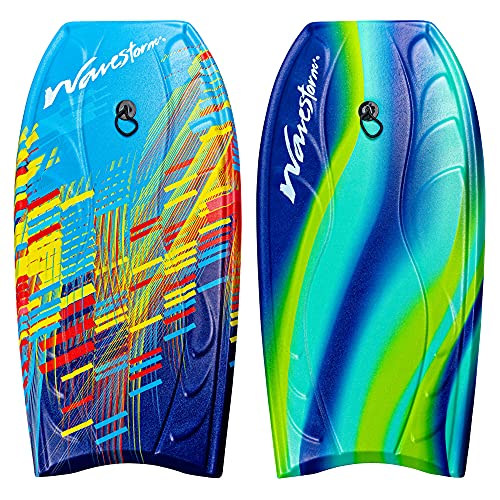
Surfing and bodyboarding keep you constantly moving through salt water, creating an environment where bugs can’t reach you. The combination of ocean spray, continuous motion, and deeper water positioning puts you well beyond the reach of sand flies and mosquitoes that hover near shore.
Experience Snorkeling and Swimming Adventures
Snorkeling adventures immerse you completely underwater where insects simply can’t follow. You’ll spend most of your time submerged exploring marine life, while the salt water coating your skin when you surface acts as a natural bug repellent that lasts throughout your beach day.
Participate in Beach Volleyball and Active Sand Sports
Enjoy comfortable play with the Wilson AVP Soft Play Volleyball. Its sponge-backed cover provides a soft touch, while durable construction and a butyl rubber bladder ensure lasting performance.

Beach volleyball creates constant movement that makes it difficult for bugs to target you effectively. The high-energy nature of sand sports generates air currents around your body while keeping you focused on the game rather than swatting at insects hovering nearby.
Create Designated Bug-Free Zones With Strategic Beach Setup
Smart beach setup transforms any coastal spot into a comfortable, bug-free sanctuary. You’ll maximize your ocean time by creating artificial barriers that insects can’t penetrate.
Use Portable Fans and Wind-Creating Devices
Stay cool on the go with the JISULIFE 3-in-1 Mini Fan. This USB rechargeable device features a fan with up to 19 hours of cooling, a power bank, and a handy flashlight.

Portable fans create artificial wind barriers that disrupt insect flight patterns within your beach zone. Battery-powered models generate 8-12 mph winds that effectively ground mosquitoes and sand flies within a 10-foot radius. Position multiple fans around your setup’s perimeter for maximum coverage.
Set Up Screen Shelters and Mesh Canopies
Enjoy bug-free outdoor gatherings with the Alvantor Screen House. This lightweight, pop-up shelter comfortably fits 4-6 adults and features mesh walls for 360° ventilation and UPF 50+ sun protection.
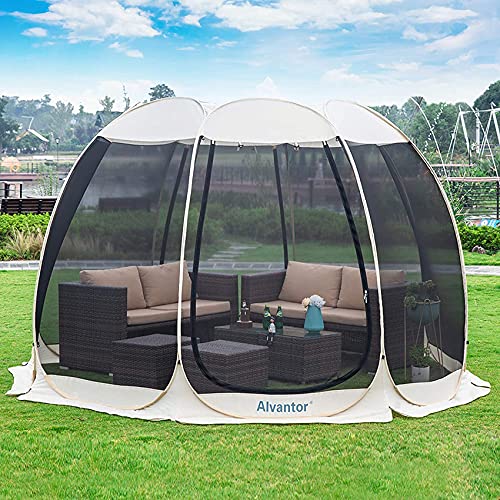
Screen shelters provide instant bug-free dining and relaxation spaces on any beach. Pop-up mesh canopies with zippered entrances create enclosed areas where you’ll enjoy complete protection from flying insects. Choose models with fine mesh (20+ holes per inch) that blocks even tiny sand flies.
Apply Natural Repellents and Protective Barriers
Natural repellents create invisible protective barriers around your beach setup without harsh chemicals. Citronella torches and eucalyptus oil diffusers establish 15-foot protection zones that deter most coastal insects. Plant-based sprays containing lemon eucalyptus oil provide 6-hour skin protection equivalent to low-concentration DEET formulas.
Conclusion
Your perfect bug-free beach day is absolutely achievable with the right approach and planning. By combining these strategic locations and timing methods you’ll transform potentially frustrating coastal visits into the relaxing experiences you’ve been craving.
Remember that the most effective bug prevention comes from layering multiple strategies together. Choose windy elevated locations during peak daylight hours and you’ll create natural barriers that insects simply can’t overcome.
The key is being proactive rather than reactive. Instead of battling bugs after they’ve already found you focus on selecting environments where they won’t thrive in the first place. Your future beach adventures will thank you for this strategic approach to coastal enjoyment.
Frequently Asked Questions
What are the best times to visit the beach to avoid bugs?
Visit beaches between 10 AM and 4 PM when biting insects are less active due to heat. Avoid dawn and dusk when mosquitoes and sand flies are most active. Also, time your visit during low tide, which exposes more dry sand and reduces bug breeding areas by eliminating standing water.
Which types of beaches have fewer bugs naturally?
Rocky, pebble, and volcanic rock beaches have significantly fewer bugs than sandy beaches. These surfaces eliminate organic-rich substrates that insects need for breeding. Sea glass beaches and salt-rich environments also naturally repel insects due to their drainage properties and high salinity levels.
How can wind help keep bugs away at the beach?
Choose beaches with sustained winds of 10+ mph, as strong coastal breezes make it difficult for insects to fly and land. High-wind areas act as natural deterrents against mosquitoes and sand flies. Research wind patterns and plan trips during spring and fall for more reliable breezes.
What are the benefits of elevated beach locations for bug avoidance?
Elevated beach access points and cliff-side locations lift you above bug breeding zones where most insects congregate. The combination of height and ocean wind exposure creates inhospitable conditions for mosquitoes and sand flies. Boardwalks also keep you above ground level, eliminating contact with breeding areas.
How do water sports help prevent bug bites?
Active water sports like surfing, bodyboarding, and snorkeling keep you submerged and in constant motion, making it difficult for insects to land and bite. The saltwater acts as a natural repellent, while activities like beach volleyball generate air currents that deter bugs.
What equipment can create bug-free zones at the beach?
Use portable fans to create artificial wind barriers that disrupt insect flight patterns. Set up screen shelters and mesh canopies for enclosed protection. Apply natural repellents like citronella torches and plant-based sprays to establish protective barriers around your beach setup without harsh chemicals.