

8 How to Create a Sun-Safe Swimming Routine Tips That Pros Use Daily
Discover how to swim safely in the sun with timing tips, UV protection gear, and strategic sunscreen use to prevent skin damage while staying active.
Swimming offers incredible health benefits but UV exposure can turn your refreshing workout into a dangerous health risk. The bottom line: You need a strategic approach that balances exercise goals with serious sun protection.
Most swimmers underestimate how UV rays reflect off water surfaces and penetrate through pools – creating double exposure that leads to severe burns and long-term skin damage. Smart timing and protective gear make the difference between a healthy routine and potential skin cancer risk.
Disclosure: As an Amazon Associate, this site earns from qualifying purchases. Thank you!
Choose the Right Time to Swim for Maximum Sun Protection
Get powerful sun protection with Neutrogena Ultra Sheer SPF 70. This lightweight, non-greasy formula absorbs quickly, leaving a clean, matte finish while shielding skin from UVA/UVB rays.


Strategic timing transforms your swimming routine from a UV gamble into smart recreation. You’ll dramatically reduce sun exposure while maintaining your fitness goals by understanding when harmful rays peak and fade.
Early Morning Swimming Benefits
Dawn swimming delivers your lowest UV exposure of the day. You’ll enjoy cooler water temperatures and calmer conditions while the sun’s angle minimizes reflection off the water surface.
The UV Index typically stays below 3 until 9 AM in most locations. Your skin absorbs minimal radiation during these golden hours, making sunscreen application less critical for shorter sessions.
Late Afternoon and Evening Options
Sunset swimming offers excellent UV protection after 4 PM in most seasons. You’ll find the sun’s angle creates less water reflection while temperatures remain comfortable for extended sessions.
Evening swims provide natural wind-down benefits for better sleep quality. The diminishing UV Index after 5 PM allows for longer training sessions without significant sun damage risk.
Avoiding Peak UV Hours
The 10 AM to 2 PM window represents maximum UV danger for swimmers. Water reflects up to 10% of UV rays back at your face and body, effectively doubling your exposure during peak hours.
UV Index readings above 6 require serious protection measures that often interfere with swimming performance. You’ll spend more time reapplying sunscreen than actually swimming during these high-risk periods.
Select Proper Sun Protection Swimwear and Gear
This two-piece sarong set offers versatile beach style. Use the lightweight, quick-drying chiffon wraps as swimsuit cover-ups, skirts, or scarves to create your perfect summer look.
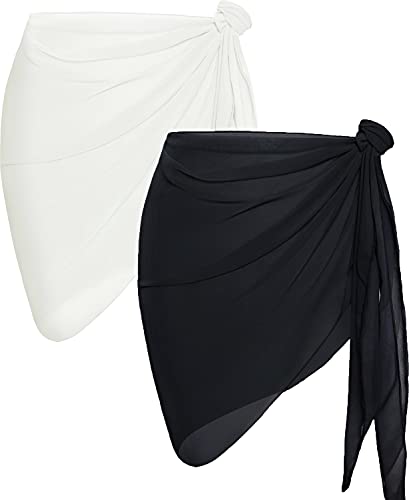
Your swimwear choices become your first line of defense against UV damage during extended water sessions. Quality sun-protective gear transforms your swimming routine from a risky exposure gamble into a controlled, safe activity.
UV-Protective Swimsuits and Rash Guards
This one-piece swimsuit features a flattering cutout design and adjustable tie back for a perfect fit. Tummy control and a high-cut leg create a slimming silhouette, ideal for beach vacations and poolside lounging.

UPF-rated swimwear blocks 98% of harmful rays compared to regular suits that offer minimal protection. Long-sleeve rash guards with UPF 50+ ratings provide exceptional coverage for your torso and arms during lap sessions.
Choose darker colors like navy or black over bright patterns—they absorb more UV radiation before it reaches your skin.
Wide-Brimmed Hats and Sunglasses
Stay protected from sun and rain with this water-repellent bucket hat. It features a wide brim, adjustable chin strap, and breathable mesh panels for comfortable outdoor wear.

Wide-brimmed hats create crucial shade for your face, neck, and shoulders between swimming sets. Look for hats with 4-inch brims minimum and chin straps to prevent wind loss.
UV-blocking sunglasses protect your eyes from water reflection glare that can cause permanent damage. Wraparound styles eliminate side exposure during poolside breaks.
Water-Resistant Footwear Options
Pool decks and beach surfaces reach scorching temperatures that burn feet within seconds. Water shoes with thick soles protect against heated concrete and sharp pool edges.
Choose quick-drying materials like neoprene or mesh that won’t harbor bacteria. Non-slip treads prevent dangerous falls on wet surfaces around swimming areas.
Apply and Reapply Sunscreen Strategically
Quality sunscreen becomes your most critical barrier against UV damage when protective clothing and timing aren’t enough. Strategic application and reapplication transform good intentions into effective protection that actually works in water environments.
Choosing the Right SPF and Formula
Water-resistant SPF 30 delivers optimal protection for most swimming conditions without creating a heavy barrier that affects performance. Sport formulas resist sweating and stay put during vigorous activity better than regular lotions.
Zinc oxide or titanium dioxide provide immediate protection upon application. Chemical sunscreens require 15-20 minutes to activate and often sting when they mix with pool chemicals or saltwater.
Pre-Swimming Application Techniques
Apply sunscreen 15-30 minutes before entering water to allow proper skin absorption and chemical activation. Cover easily missed areas like ears, feet tops, and the back of your neck where reflected water light concentrates.
Use generous amounts – most people apply only 25% of the recommended coverage. One ounce covers your entire body, which equals roughly a shot glass full for adult swimmers.
Post-Water Reapplication Schedule
Reapply sunscreen immediately after toweling off, even with water-resistant formulas that claim 80-minute protection. Water activities remove more product than manufacturers’ controlled testing conditions account for.
Set hourly phone reminders during extended swimming sessions. Pool chemicals and saltwater break down sunscreen barriers faster than normal wear, making frequent reapplication your most reliable defense against cumulative UV exposure.
Create Shaded Areas Around Your Swimming Space
Creating strategic shade transforms your pool area into a sun-safe haven where you can extend swimming sessions without constant UV exposure. Even the best sunscreen routines need backup from physical barriers that block harmful rays throughout the day.
Portable Shade Solutions for Pools
Pop-up canopies and beach tents offer instant protection you can move as the sun shifts. These lightweight options work perfectly for poolside seating areas and shallow end activities. Most quality canopies provide UPF 50+ protection and set up in minutes without permanent installation.
Natural Shade from Trees and Structures
Mature trees create the most effective natural shade, reducing UV exposure by up to 75% in covered areas. Pergolas and gazebos provide year-round protection while adding permanent value to your swimming space. Position these structures on the pool’s south and west sides for maximum afternoon coverage.
Pool Umbrellas and Canopy Systems
Large pool umbrellas with 9-foot spans cover multiple swimmers and resist wind better than smaller models. Retractable canopy systems attached to your home extend shade across entire pool sections. Choose umbrellas with UV-blocking fabric and sturdy bases that won’t tip during summer storms.
Incorporate Regular Shade Breaks Into Your Routine
Taking strategic shade breaks transforms your swimming sessions from a UV exposure marathon into a balanced routine that protects your skin while maintaining your activity goals.
Setting Timer Reminders for Breaks
Set your phone timer for 30-minute intervals during peak sun hours. This creates automatic checkpoints that prevent you from losing track of time in the water. Most swimmers underestimate their sun exposure by 40-50% when they’re focused on their workout or enjoying recreational time.
Indoor Recovery Periods
Move inside for 10-15 minutes between swimming sessions to allow your skin to cool completely. Air conditioning provides the most effective recovery environment, dropping your core temperature faster than outdoor shade. These indoor breaks also give you time to reapply sunscreen properly before your next water session.
Hydration During Shade Intervals
Drink 8-12 ounces of water during each shade break to counteract dehydration from sun and pool chemicals. Your body loses fluids 25% faster in direct sunlight, and chlorinated water can accelerate this process. Keep electrolyte drinks nearby for sessions lasting longer than two hours in hot weather.
Monitor Your Skin’s Response to Sun Exposure
Your skin provides the most reliable feedback about your sun protection effectiveness. Regular monitoring helps you adjust your swimming routine before damage becomes severe.
Recognizing Early Warning Signs
Pink or red skin signals immediate danger even when you’re feeling cool in the water. Mild stinging or tight-feeling skin means you’ve already absorbed too much UV radiation.
Watch for hot spots on your shoulders, nose, and ear tips where sun-safe swimming protection often fails. These areas burn first and indicate your current routine needs immediate adjustment.
Tracking Tan Lines and Color Changes
Gradual darkening around swimsuit edges reveals cumulative sun damage despite your protective efforts. Compare your torso color to areas typically covered by clothing to gauge exposure levels.
Take weekly photos of the same body areas in consistent lighting. Sudden color changes or uneven tanning patterns indicate gaps in your sun-safe swimming strategy that need addressing.
When to Seek Medical Attention
Seek immediate care for blistering, severe pain, or fever after swimming sessions. These symptoms indicate second-degree burns that require professional treatment beyond basic first aid.
Contact your doctor if you notice new moles, changing spots, or persistent skin irritation following pool sessions. Early detection of skin changes dramatically improves treatment outcomes for sun-related damage.
Hydrate Consistently Throughout Your Swimming Session
Pool chemicals and sun exposure create a perfect storm for dehydration that sneaks up faster than you’d expect. Your body loses fluids through increased respiration and sweating even while submerged in water.
Pre-Swimming Hydration Preparation
Start hydrating 2-3 hours before you hit the water. Drink 16-20 ounces of water during this window to establish proper fluid levels. Avoid alcohol and excessive caffeine which accelerate dehydration under sun exposure. Consider adding electrolyte tablets to your pre-swim water if you’re planning extended sessions.
Poolside Hydration Stations
Set up your hydration station in whatever shade you’ve created. Keep water bottles insulated to maintain cool temperatures throughout your session. Position drinks within arm’s reach of your swimming area so you don’t skip hydration breaks. Add a sports drink with electrolytes for sessions lasting more than an hour.
Post-Swimming Recovery Drinks
Your rehydration window opens immediately after swimming. Drink 16-24 ounces of fluid within the first hour post-swim to replace what you’ve lost. Choose drinks with natural electrolytes like coconut water or diluted sports drinks. Monitor your urine color – pale yellow indicates proper rehydration while dark yellow signals you need more fluids.
Plan for Different Weather Conditions
Weather patterns dramatically affect your sun exposure risk during swimming sessions. You’ll need different protection strategies based on cloud cover, UV intensity, and seasonal variations to maintain safe swimming habits year-round.
Cloudy Day Protection Strategies
Cloudy conditions can fool you into dangerous UV exposure levels. Up to 80% of harmful rays penetrate through clouds, creating a false sense of security that leads to unexpected burns.
You’ll still need SPF 30 sunscreen and protective clothing on overcast days. Watch for breaks in cloud cover that spike UV levels instantly, and maintain your shade break schedule since reflected pool rays remain dangerous.
High UV Index Precautions
High UV index days require your most aggressive protection strategies. When the UV index reaches 8 or higher, you’re facing extreme exposure risk that demands immediate action.
You’ll need to shorten swimming sessions to 20-minute intervals with mandatory shade breaks. Apply zinc oxide to nose and shoulders for extra protection, and consider postponing outdoor swimming until UV levels drop below 6.
Seasonal Routine Adjustments
Spring swimming catches many people off-guard with surprisingly intense UV levels. Your winter-pale skin needs gradual exposure building, starting with 15-minute sessions and slowly increasing duration over several weeks.
Summer routines demand peak protection measures and early morning scheduling. Fall swimming extends your season safely with reduced UV intensity, while winter pool sessions still require sunscreen due to reflection off snow and pool surfaces.
Conclusion
Your sun-safe swimming routine doesn’t have to compromise your fitness goals or pool enjoyment. By implementing these protective strategies you’re investing in your long-term health while maintaining an active lifestyle.
Remember that consistency is key – make sun protection as automatic as putting on your swimsuit. Your skin will thank you years down the road when you’ve avoided premature aging and reduced your skin cancer risk.
Start implementing these habits gradually if needed but don’t delay getting started. Whether you’re swimming at dawn or adjusting your gear for changing seasons every small step toward better sun protection makes a meaningful difference in your overall health and swimming experience.
Frequently Asked Questions
What are the main UV risks when swimming?
Swimming exposes you to UV rays that reflect off water surfaces and can penetrate pool water, increasing sunburn risk. Water reflection can intensify UV exposure by up to 15%, making skin damage more likely even when you’re partially submerged. This doubled exposure from direct and reflected rays significantly increases your risk of skin cancer over time.
When is the safest time to swim to avoid UV damage?
Early morning before 10 AM offers the lowest UV exposure for swimming. Late afternoon after 4 PM and evening sessions are also safer alternatives. Avoid swimming between 10 AM and 2 PM when UV rays are strongest. If you must swim during peak hours, use maximum sun protection measures including high SPF sunscreen and protective clothing.
What type of swimwear provides the best sun protection?
UPF-rated swimwear offers the best protection by blocking harmful UV rays. Long-sleeve rash guards, full-coverage swimsuits, and swim shirts provide comprehensive skin coverage. Look for fabrics with UPF 50+ rating for maximum protection. Dark colors and tightly woven materials generally offer better UV blocking than light, loose weaves.
How should I apply sunscreen for swimming?
Use water-resistant SPF 30 or higher sunscreen applied 15-30 minutes before swimming. Apply generously to all exposed skin, including often-missed areas like ears, feet, and back of neck. Reapply every 80 minutes during swimming or immediately after toweling off. Don’t forget lip balm with SPF protection.
Do I need sun protection on cloudy days while swimming?
Yes, UV rays can penetrate cloud cover and still cause skin damage. Up to 80% of UV rays can pass through clouds, and water reflection increases exposure regardless of weather. Maintain your sun protection routine including sunscreen, protective clothing, and limiting exposure time even on overcast swimming days.
What additional gear helps protect against UV exposure while swimming?
Wide-brimmed hats, UV-blocking sunglasses, and portable shade structures enhance protection. Pool umbrellas, pop-up tents, and cabanas create shaded rest areas. Consider swim caps for scalp protection and waterproof sunscreen for face and shoulders. Hydration stations with electrolyte drinks help prevent heat-related issues during extended swimming sessions.
How can I tell if I’m getting too much sun exposure while swimming?
Watch for early warning signs like skin redness, warmth, or tingling sensations. If your skin feels tight or looks pink, seek shade immediately. Monitor any new moles, freckles, or skin changes. Take regular shade breaks every 30-60 minutes and stay hydrated to help your body cope with sun exposure.
Should I adjust my swimming routine based on seasons?
Yes, seasonal adjustments are important for sun safety. Spring requires gradual exposure as skin sensitivity increases after winter. Summer demands peak protection with shorter sessions during high UV index days. Fall and winter swimming still requires sun protection, especially in sunny climates or at high altitudes where UV intensity remains significant.

