7 Tips for Keeping Pool Water Crystal Clear That Save Money
Discover 7 proven strategies to maintain crystal clear pool water year-round. Learn proper chemical balance, filtration tips, and maintenance routines that save time and money.
The big picture: Crystal clear pool water doesn’t happen by accident â it requires consistent maintenance and the right approach to water chemistry.
Why it matters: Cloudy or murky pool water isn’t just unsightly; it can harbor bacteria and algae that make swimming unsafe for you and your family.
What’s next: These seven proven strategies will help you maintain sparkling clean water all season long while saving time and money on costly chemical treatments.
Disclosure: As an Amazon Associate, this site earns from qualifying purchases. Thank you!
Maintain Proper Water Chemistry Balance
Water chemistry forms the foundation of crystal clear pool water. When pH, alkalinity, and chlorine levels fall out of balance, your pool becomes a breeding ground for bacteria and algae.
Test pH Levels Weekly
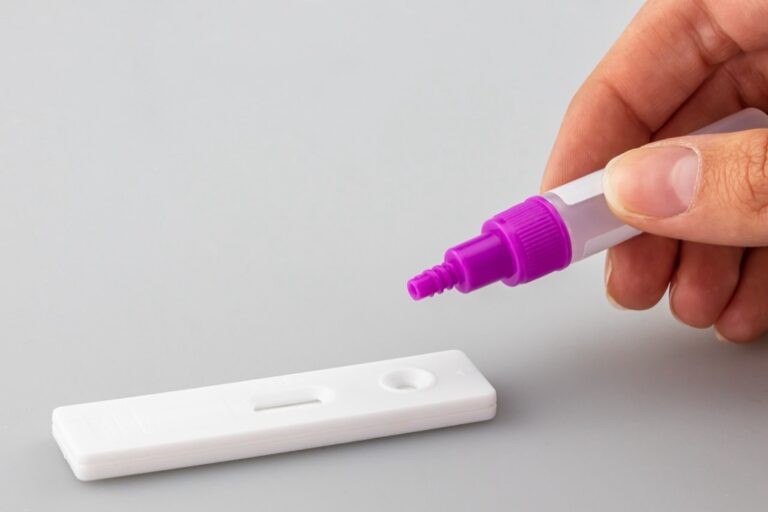
Test your pool’s pH levels every 7 days using digital test strips or a liquid kit. Ideal pH ranges from 7.2 to 7.6 – below this range causes eye irritation and equipment corrosion, while above creates cloudy water and reduces chlorine effectiveness.
Keep Alkalinity in Check
Maintain total alkalinity between 80-120 ppm to stabilize your pH levels. Low alkalinity causes pH to bounce erratically, while high alkalinity makes pH adjustments nearly impossible. Use sodium bicarbonate to raise alkalinity or muriatic acid to lower it gradually.
Monitor Chlorine Levels Consistently
Check free chlorine levels twice weekly, targeting 1.0-3.0 ppm for optimal sanitization. Chlorine levels below 1.0 ppm allow bacteria growth, while levels above 5.0 ppm cause skin irritation and bleach swimwear. Test after heavy use or rainstorms when levels drop quickly.
Establish a Regular Skimming and Cleaning Routine
Maintaining crystal clear pool water requires consistent physical cleaning alongside proper chemical balance. Surface debris and settled particles can quickly overwhelm your filtration system if you don’t stay ahead of them.
Skim Surface Debris Daily
Skim your pool’s surface every morning to remove leaves, insects, and floating debris before they sink and decompose. Use a fine-mesh skimmer net to capture small particles that your automatic skimmer might miss. Focus on corners and areas with poor circulation where debris tends to accumulate.
Vacuum Pool Floor Weekly
Vacuum your pool floor once weekly to eliminate dirt, algae spores, and sediment that settle despite proper filtration. Start from the deep end and work systematically toward the shallow end to avoid stirring up debris you’ve already cleaned. Manual vacuums provide better control than automatic cleaners for thorough weekly maintenance.
Clean Pool Walls Monthly
Scrub pool walls monthly with a pool brush to prevent algae buildup and calcium deposits that cloud your water. Pay special attention to the waterline where oils and sunscreen create a film that harbors bacteria. Use a stiff-bristled brush for concrete pools or a softer brush for vinyl and fiberglass surfaces.
Invest in Quality Filtration and Run It Adequately
Your pool’s filtration system serves as the heart of water clarity, working alongside proper chemistry and cleaning to trap particles your skimmer can’t catch.
Choose the Right Filter Type
Sand filters handle basic debris effectively but miss finer particles that cloud your water. Cartridge filters capture smaller contaminants down to 10-15 microns, making them ideal for crystal-clear results. DE filters offer the finest filtration at 2-5 microns but require more maintenance expertise.
Run Filter 8-12 Hours Daily
Running your filter for 8-12 hours daily ensures complete water turnover, which prevents stagnant areas where bacteria multiply. During peak swim season or hot weather, extend runtime to 12 hours to handle increased bather load and debris. Shorter runtime saves energy but compromises water quality when you need clarity most.
Clean or Replace Filters Regularly
Cartridge filters need weekly rinsing and monthly deep cleaning with filter cleaner to maintain optimal flow. Sand filters require backwashing when pressure gauge reads 8-10 psi above clean levels, typically every 2-3 weeks. DE filters need complete teardown and fresh DE powder after each backwash cycle.
Shock Your Pool Water Weekly
Shocking your pool water weekly prevents chloramine buildup and eliminates contaminants that regular chlorination can’t handle. This superchlorination process restores your pool’s sanitizing power and maintains crystal-clear water.
Understand When to Shock
You’ll need to shock your pool after heavy rainfall, high bather loads, or when you notice cloudy water developing. Test your combined chlorine levels weekly – when they exceed 0.5 ppm, it’s time to shock regardless of your regular schedule.
Choose the Right Shock Treatment
Calcium hypochlorite works best for routine weekly shocking and provides the strongest sanitizing power at 65-70% available chlorine. Sodium dichlor dissolves quickly and won’t raise your pH levels dramatically, making it ideal for vinyl pools or when you need to swim within hours.
Follow Proper Shocking Procedures
Add shock treatment after sunset to prevent UV degradation and ensure maximum effectiveness throughout the night. Dissolve granular shock in a bucket of pool water before adding it to your pool, then run your filter system for 8-12 hours to circulate the treatment completely.
Keep Your Pool Covered When Not in Use
Pool covers provide your best defense against contamination and chemical loss when you’re not actively swimming. They’re particularly crucial during overnight hours and extended periods of non-use.
Prevent Debris and Contaminants
Covering your pool blocks leaves, insects, pollen, and dirt from entering the water daily. A quality cover prevents up to 95% of airborne debris that would otherwise sink to the bottom and create cleaning challenges. You’ll spend less time skimming and vacuuming while maintaining clearer water throughout the week.
Reduce Chemical Evaporation
Pool covers slow chlorine evaporation by blocking UV rays that break down sanitizer molecules. You’ll use 30-50% fewer chemicals when your pool stays covered during non-swimming hours. This protection maintains consistent chlorine levels and reduces the frequency of chemical adjustments needed for proper water balance.
Maintain Water Temperature
Covered pools retain heat more efficiently, reducing temperature fluctuations that can stress your water chemistry. You’ll prevent rapid temperature drops that encourage algae growth and bacterial development. Consistent water temperature also helps your filtration system work more effectively by maintaining optimal circulation patterns.
Address Algae Growth Immediately
Algae transforms from invisible spores to visible green patches within 24-48 hours under the right conditions. Acting fast prevents a minor algae bloom from becoming a pool-closing nightmare that requires professional intervention.
Identify Early Warning Signs
Watch for subtle water color changes before algae becomes visible. Your pool water might develop a slight green tint or lose its brilliant blue clarity even when chemical levels test normal. Slippery pool walls signal early algae formation that’s coating surfaces but hasn’t yet bloomed into the water column.
Use Algaecide Treatments Properly
Apply algaecide as a preventive measure rather than waiting for visible growth. Add copper-based algaecides weekly during peak season to create an inhospitable environment for spore development. Quaternary ammonium algaecides work best for active blooms but require 24-hour circulation before swimming to ensure proper distribution.
Brush Away Algae Buildup
Target corners and steps where algae typically establishes its first foothold. Use a stiff-bristled brush to scrub visible algae patches before adding chemical treatments since dead algae creates a protective barrier around living colonies. Focus on areas with poor circulation like behind ladders and in shallow end corners where spores settle most readily.
Schedule Professional Pool Maintenance
Professional pool maintenance ensures your crystal clear water stays that way year-round. Even with diligent daily care, expert technicians catch issues you’ll miss and perform specialized services your equipment needs.
Know When to Call Experts
You’ll need professional help when water chemistry becomes unbalanced despite weekly testing and treatment. Call technicians immediately if you notice persistent cloudiness, algae blooms lasting more than 48 hours, or equipment making unusual noises.
Professional intervention becomes critical during equipment malfunctions, pump motor failures, or when combined chlorine levels exceed 0.5 ppm consistently. These situations require specialized knowledge and tools beyond typical homeowner capabilities.
Understand Equipment Servicing Needs
Your pool equipment requires professional servicing every 6-12 months to maintain optimal performance and water clarity. Pumps need motor lubrication, heaters require combustion chamber cleaning, and automation systems need calibration checks.
Filter systems benefit from deep cleaning services that remove buildup your regular maintenance can’t reach. Professional technicians use specialized chemicals and high-pressure equipment to restore filtration efficiency and extend equipment lifespan significantly.
Plan Seasonal Deep Cleaning
Schedule comprehensive pool cleaning services during spring opening and fall closing to maintain crystal clear water transitions between seasons. Professional deep cleaning removes winter algae buildup, calcium deposits, and debris that standard maintenance overlooks.
Mid-season professional cleaning becomes essential after heavy storms, extended vacancy periods, or when bather loads exceed normal capacity. These services include acid washing, equipment inspection, and complete system rebalancing for optimal water clarity.
Conclusion
Maintaining crystal clear pool water doesn’t have to be overwhelming when you follow these proven strategies consistently. By balancing your water chemistry testing pH and chlorine levels regularly and combining physical cleaning with proper filtration you’ll create an environment where bacteria and algae simply can’t thrive.
Remember that prevention is always easier than correction. Daily skimming weekly shocking and using a quality pool cover will save you countless hours and money on chemical treatments while keeping your water sparkling clean.
The key to success lies in developing a routine that works for your schedule and sticking to it. When you stay proactive with maintenance and don’t hesitate to call professionals for complex issues you’ll enjoy crystal clear water all season long while protecting your investment in your pool.
Frequently Asked Questions
What is the ideal pH range for pool water?
The ideal pH range for pool water is between 7.2 and 7.6. This range prevents eye irritation and equipment corrosion while ensuring optimal chlorine effectiveness. Test your pH levels weekly and adjust as needed to maintain water clarity and swimmer comfort.
How often should I test my pool’s chlorine levels?
You should test free chlorine levels twice weekly, aiming for 1.0-3.0 ppm for effective sanitization. Regular testing ensures proper disinfection and prevents bacterial growth. Also test combined chlorine levels weekly to determine when shocking is necessary.
How long should I run my pool filter each day?
Run your pool filter for 8-12 hours daily to ensure complete water turnover and prevent stagnant areas where bacteria can thrive. This duration helps maintain crystal clear water and prevents overwhelming your filtration system with accumulated debris.
When should I shock my pool?
Shock your pool weekly to prevent chloramine buildup, and additionally after heavy rainfall, high bather loads, or when you notice cloudy water. Always add shock treatment after sunset and run the filter system for 8-12 hours afterward for effective circulation.
What are the benefits of using a pool cover?
Pool covers block up to 95% of airborne debris, reduce chemical usage by 30-50% by preventing UV evaporation, and help maintain consistent water temperature. This prevents algae growth and reduces cleaning time while optimizing your filtration system’s performance.
How quickly can algae develop in my pool?
Algae can develop from invisible spores to visible patches within 24-48 hours. Watch for early warning signs like subtle water color changes or slippery pool walls. Use preventive algaecide treatments and brush corners regularly to disrupt algae colonies.
When should I call a professional pool service?
Call professionals when water chemistry remains consistently unbalanced despite your efforts, when equipment malfunctions occur, or for seasonal deep cleaning services. Schedule professional equipment servicing every 6-12 months to maintain optimal performance and water clarity.