7 Creative Ways to Clean Pool Filters That Maximize Performance
Discover 7 innovative pool filter cleaning methods beyond basic rinsing – from pressure washing to ultrasonic tech – for crystal clear water and longer filter life.
Your pool filter works overtime to keep your swimming water crystal clear but traditional cleaning methods don’t always cut it. Most pool owners stick to basic rinsing and chemical soaks yet these standard approaches often leave stubborn debris and buildup behind. The bottom line: Creative cleaning techniques can extend your filter’s lifespan and boost its performance beyond what you thought possible.
Disclosure: As an Amazon Associate, this site earns from qualifying purchases. Thank you!
Rinse and Rotate: The Basic Cartridge Cleaning Method
While traditional soaking methods fall short, this foundational technique forms the backbone of proper filter maintenance. You’ll need to master these basics before moving to more advanced cleaning strategies.
Remove Cartridge Filters Safely
Keep your pool sparkling clean with the SWIMLINE Hydrotools filter. Its 50 sq ft cartridge efficiently filters particles down to 50 microns and its durable, weather-resistant construction ensures long-lasting performance with minimal maintenance.

Turn off your pool pump before touching any filter components. Pull the cartridge straight up to avoid damaging the pleated material or housing seals.
Inspect each filter for tears or collapsed pleats that signal replacement time. Handle wet cartridges carefully since they’re heavier and more fragile than dry ones.
Use Garden Hose for Initial Rinse
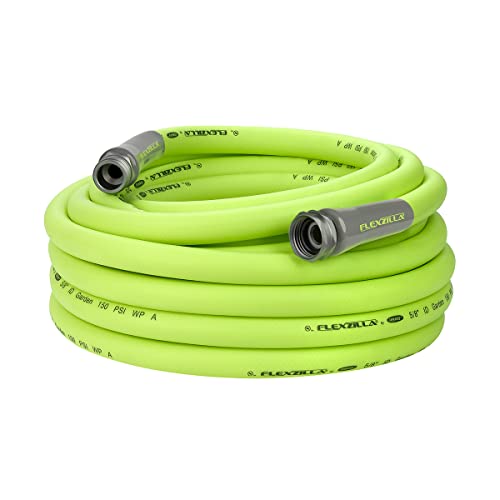
The Flexzilla garden hose offers extreme flexibility and durability for easy yard work. Its lightweight design coils easily, lays flat, and features abrasion-resistant construction with leak-free connections.
Spray between each pleat using moderate water pressure to dislodge surface debris. Work from top to bottom in a systematic pattern to avoid pushing dirt deeper into the filter material.
Hold the cartridge at eye level and rotate slowly while rinsing. You’ll see immediate improvement as leaves and larger particles wash away from the pleated surfaces.
Rotate Between Multiple Filter Sets
Keep two complete sets of cartridge filters to maintain continuous pool operation. Install the clean set while the dirty filters dry and undergo deeper cleaning processes.
This rotation system prevents filter degradation from constant wet-dry cycles. Your pool stays operational while you’re applying more intensive cleaning methods to the alternate set.
Soak and Scrub: Deep Cleaning with Household Items
Sometimes basic rinsing won’t cut through the stubborn oils and mineral deposits that coat your filters. Your kitchen cabinets hold the secret weapons for deep pool filter cleaning.
Create Vinegar and Baking Soda Solution
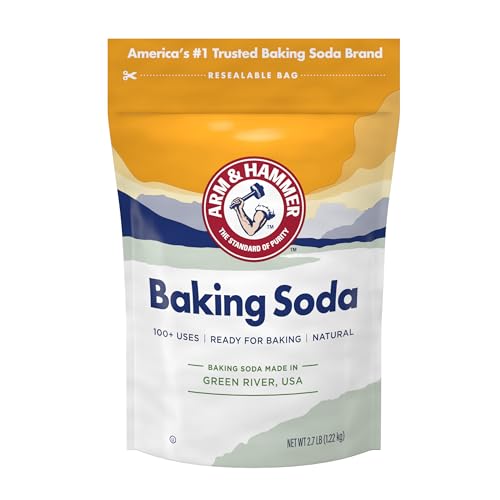
ARM & HAMMER Baking Soda ensures fluffier baked goods with its pure, fine-grade formula. Made in the USA, it's also a versatile solution for cleaning, deodorizing, and more around your home.
Mix one cup white vinegar with two tablespoons baking soda in a five-gallon bucket. This combination breaks down calcium buildup and organic residues that resist standard cleaning methods. The acidic vinegar dissolves mineral deposits while baking soda provides gentle abrasive action.
Use Old Toothbrush for Detailed Scrubbing
Grab a soft-bristled toothbrush to work cleaning solution into the filter pleats. Focus on heavily soiled areas where debris accumulates between folds. The compact brush head reaches spots that larger tools miss, ensuring thorough cleaning of every surface.
Let Filters Soak Overnight for Best Results
Submerge filters completely in your vinegar solution for 8-12 hours before scrubbing. Extended soaking time allows the cleaning agents to penetrate deep into filter material and dissolve stubborn contaminants. Patience here pays off with dramatically improved water flow rates.
Pressure Wash Your Way to Pristine Filters
Pressure washing transforms stubborn pool filter cleaning from a frustrating chore into an efficient deep-cleaning process. This method cuts through years of accumulated debris that traditional rinsing simply can’t touch.
Select Appropriate Pressure Setting
Start with your pressure washer‘s lowest setting to avoid damaging delicate filter pleats. Most cartridge filters respond well to 1,200-1,500 PSI, which effectively removes buildup without tearing the filter material. Increase pressure gradually only if debris persists after the initial pass.
Work from Top to Bottom in Systematic Pattern
Begin at the filter’s top edge and work methodically downward in overlapping horizontal passes. This prevents loosened debris from resettling on already-cleaned areas below. Complete each horizontal section before moving down, ensuring consistent coverage across all filter pleats.
Maintain Safe Distance to Prevent Damage
Hold the pressure washer nozzle 6-8 inches away from the filter surface for optimal cleaning power without destruction. Closer distances can tear filter media or collapse pleats, while greater distances reduce cleaning effectiveness. Move the nozzle steadily to prevent concentrated pressure damage.
Chemical Strip: Professional-Grade Filter Cleaning Solutions
Quickly clean your spa, hot tub, or pool filter with this fast-acting spray. It removes oils and organic material, improving filter efficiency and prolonging its life without leaving residue.

When basic cleaning methods can’t break through years of accumulated oils and mineral deposits, professional-grade chemical strippers deliver the deep-cleaning power your filters need.
Choose TSP or Muriatic Acid-Based Cleaners
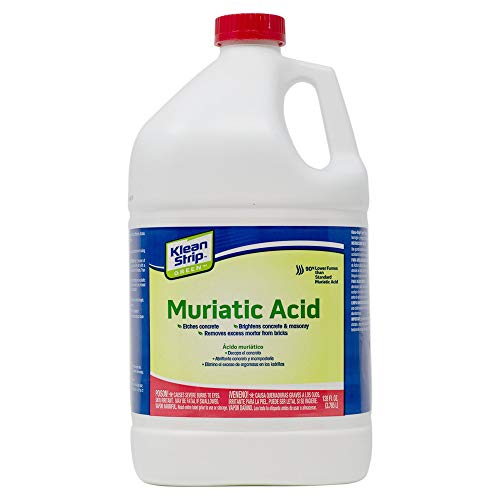
Etch and brighten concrete or masonry with Klean-Strip Green Muriatic Acid. This formula removes excess mortar and produces 90% less fumes than standard muriatic acid.
Trisodium phosphate (TSP) cleaners excel at dissolving organic buildup like suntan oils and body lotions that create stubborn filter clogs. Mix one cup of TSP cleaner per gallon of water for cartridge filters.
Muriatic acid-based solutions tackle mineral deposits and calcium scale more aggressively. Use diluted muriatic acid solutions (1:10 ratio) for heavily calcified filters that won’t respond to gentler treatments.
Follow Proper Safety Protocols and Ventilation
Always wear chemical-resistant gloves and safety goggles when handling professional-grade cleaning solutions. These chemicals can cause severe skin burns and eye damage within seconds of contact.
Work outdoors or in well-ventilated areas to prevent inhaling toxic fumes. Never mix different chemical cleaners together, as this can create dangerous gas reactions that pose serious health risks.
Neutralize Chemicals After Cleaning Process
Rinse filters thoroughly with fresh water for at least 5 minutes after chemical treatment to remove all cleaning residue. Any remaining chemicals will contaminate your pool water and potentially harm swimmers.
Test the final rinse water with pH strips to ensure it reads neutral (7.0). If the water still shows acidic or alkaline readings, continue rinsing until you achieve proper neutralization.
Dishwasher Deep Clean: An Unexpected Pool Filter Solution
Your kitchen appliance doubles as a powerful pool filter cleaning tool that rivals commercial methods. This technique works particularly well for cartridge filters that’ve accumulated stubborn oils and mineral deposits.
Remove All Debris Before Loading
Rinse filters thoroughly with a garden hose to eliminate loose dirt and larger debris particles. Shake each filter vigorously to dislodge trapped leaves or insects that could clog your dishwasher‘s drain system. Pre-cleaning prevents damage to your dishwasher‘s filtration components while ensuring optimal cleaning results for your pool filters.
Use Gentle Cycle Without Heated Dry
Select your dishwasher’s delicate or gentle cycle to protect filter pleats from high-pressure water damage. Turn off the heated dry function completely since excessive heat can warp or crack filter materials. The gentle agitation combined with hot water circulation effectively removes oils and mineral buildup without compromising filter integrity.
Skip the Detergent for Chemical-Free Results
Run the cycle with plain water only to avoid introducing soap residues that could foam in your pool water. Dishwasher detergents contain phosphates and surfactants that create persistent bubbles when filters return to circulation. The hot water and mechanical action alone provide sufficient cleaning power while maintaining chemical balance in your pool system.
Steam Clean for Stubborn Buildup and Oils
Steam cleaning delivers industrial-strength results for pool filters battling years of accumulated sunscreen oils and mineral deposits. This method penetrates deeper than traditional cleaning approaches, dissolving stubborn contaminants that resist chemical treatments.
Rent or Purchase Steam Cleaning Equipment
Rent a commercial steam cleaner from your local hardware store for $40-60 per day rather than purchasing equipment you’ll use infrequently. Home steam cleaners lack the pressure and temperature needed for effective filter cleaning. Industrial units generate 200°F+ steam at 40-60 PSI, providing the power necessary to dissolve crystallized minerals and embedded oils.
Target High-Traffic Areas with Concentrated Steam
Focus steam cleaning on filter pleats where debris accumulates most heavily, typically the outer edges and bottom sections. Hold the steam nozzle 4-6 inches from the filter surface and move systematically across each pleat. Concentrate extra time on areas with visible discoloration or waxy buildup from sunscreen and body oils.
Allow Complete Drying Before Reinstallation
Wait 24-48 hours for complete drying after steam cleaning to prevent mold growth and ensure optimal filtration performance. Wet filters installed prematurely can harbor bacteria and reduce water flow efficiency. Test dryness by checking the deepest filter pleats – they should feel completely dry to the touch before reinstallation.
Ultrasonic Cleaning: High-Tech Filter Maintenance
Ultrasonic cleaning technology transforms stubborn pool filter maintenance into a precision science. This method uses high-frequency sound waves to create microscopic bubbles that implode against filter surfaces, dislodging contaminants that resist traditional cleaning approaches.
Understand Ultrasonic Cleaning Technology
Ultrasonic cleaners generate 40,000 Hz sound waves that create cavitation bubbles throughout the cleaning solution. These tiny bubbles collapse with incredible force, reaching temperatures of 5,000°C and pressures exceeding 1,000 atmospheres. The process penetrates every crevice of your filter pleats, removing oils and microscopic debris that cling to fiber surfaces even after pressure washing and chemical treatments.
Select Appropriate Cleaning Solution
Choose enzyme-based cleaners or specialized ultrasonic solutions designed for synthetic filter materials. Avoid harsh chemicals like muriatic acid that can damage the ultrasonic tank’s stainless steel construction. Mix one part enzyme cleaner with ten parts warm water (120-140°F) for optimal cavitation activity. The heated solution enhances bubble formation while the enzymes break down organic contaminants your filters have accumulated over months of pool operation.
Monitor Cleaning Time to Prevent Damage
Limit ultrasonic cleaning cycles to 15-20 minutes to prevent filter fabric deterioration. Excessive exposure can weaken polyester fibers and compromise filtration efficiency. Check your filters every five minutes during the first cleaning session to gauge their response to the ultrasonic action. Most cartridge filters achieve optimal cleanliness within this timeframe, emerging with restored white appearance and improved water flow characteristics.
Conclusion
These seven innovative cleaning methods give you the power to transform your pool filter maintenance from a mundane chore into an effective cleaning system. Whether you’re dealing with everyday debris or years of stubborn buildup you now have multiple approaches to tackle any filtration challenge.
Your pool filters work tirelessly to keep your water crystal clear so they deserve more than basic rinsing. From simple household solutions to cutting-edge ultrasonic technology you can choose the method that best fits your budget and cleaning needs.
Remember that clean filters mean better water circulation lower chemical costs and extended equipment life. Start experimenting with these techniques today and you’ll quickly discover which methods work best for your specific pool conditions and maintenance schedule.
Frequently Asked Questions
What are the main limitations of traditional pool filter cleaning methods?
Traditional pool cleaning methods like basic rinsing and chemical soaks often fail to remove stubborn debris, oils, and mineral buildup that accumulate over time. These conventional approaches may leave contaminants embedded deep within filter pleats, reducing filtration efficiency and shortening filter lifespan, ultimately compromising water clarity and quality.
How does the “Rinse and Rotate” method work for cartridge filter maintenance?
The “Rinse and Rotate” method involves safely removing cartridge filters after turning off the pool pump, then using a garden hose to rinse away loose debris. The key is maintaining two sets of filters, allowing one set to be thoroughly cleaned while the other continues filtering, ensuring continuous pool operation and preventing filter degradation.
What household items can be used for deep cleaning pool filters?
You can create an effective cleaning solution using white vinegar and baking soda to break down oils and mineral deposits. A soft-bristled toothbrush helps scrub filter pleats thoroughly. Let filters soak overnight in this solution for optimal results, allowing the cleaning agents to penetrate deeply and dissolve stubborn contaminants.
What pressure setting should I use when pressure washing pool filters?
Start with the lowest pressure setting (1,200-1,500 PSI) to avoid damaging delicate filter pleats. Maintain a safe distance of 6-8 inches from the filter surface and use a systematic top-to-bottom cleaning pattern. This prevents debris from resettling while ensuring effective cleaning without causing structural damage to the filter material.
When should I use professional-grade chemical strippers on pool filters?
Use professional chemical strippers when basic cleaning methods fail to remove years of accumulated oils and mineral deposits. Trisodium phosphate (TSP) cleaners work well for organic buildup, while muriatic acid-based solutions tackle mineral deposits. Always follow proper safety protocols and thoroughly rinse filters afterward to neutralize chemical residues.
Can I clean pool filters in a dishwasher?
Yes, dishwashers can effectively clean pool filters using a chemical-free approach. Pre-rinse filters with a garden hose, then run them through a gentle cycle without heated drying. Use plain water only to avoid soap residues that could affect pool chemistry. This method works particularly well for removing stubborn oils and mineral deposits.
How effective is steam cleaning for pool filter maintenance?
Steam cleaning delivers industrial-strength results by penetrating deeper than traditional methods. It effectively dissolves contaminants that resist chemical treatments. Use commercial steam equipment rather than home units, target high-traffic filter areas, and ensure filters dry completely before reinstallation to prevent mold growth and maintain optimal performance.
What is ultrasonic cleaning and how does it work on pool filters?
Ultrasonic cleaning uses high-frequency sound waves to create microscopic cavitation bubbles that dislodge contaminants from filter pleats. This precision method removes oils and microscopic debris that traditional cleaning can’t reach. Use enzyme-based cleaners, limit cycles to 15-20 minutes, and monitor cleaning time to prevent filter damage while achieving thorough results.