7 Organic Pool Landscaping Ideas That Transform Any Backyard
Transform your pool into a natural oasis with eco-friendly landscaping! Discover 7 organic ideas using native plants, sustainable materials & wildlife features.
You’re looking at your pool area and wondering how to create a stunning outdoor space that feels more like a natural oasis than a concrete jungle. Organic pool landscaping transforms your backyard into an eco-friendly retreat that blends seamlessly with nature while reducing maintenance costs and environmental impact. These seven innovative ideas will help you design a sustainable pool landscape that’s both beautiful and beneficial for local wildlife.
Disclosure: As an Amazon Associate, this site earns from qualifying purchases. Thank you!
Natural Stone Pool Decking and Coping
Natural stone transforms your pool from a harsh concrete fixture into an organic landscape feature that complements your backyard’s ecosystem. You’ll create seamless transitions between water and garden while establishing surfaces that age beautifully and support beneficial microorganisms.
Flagstone and Travertine Options
Create custom walkways and patios with this set of 6 reusable concrete molds. These durable ABS plastic molds let you easily cast flagstone pavers with unique textures for your garden.
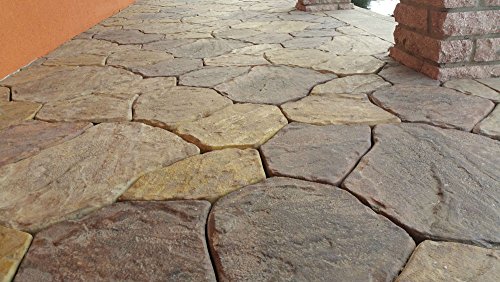

Flagstone delivers exceptional slip resistance when wet, making it your safest choice for pool decking. Its irregular edges create natural planting pockets for ground-covering plants like creeping thyme. Travertine stays cooler underfoot during summer months and develops attractive patina over time. Both stones blend effortlessly with organic pool landscaping while providing decades of durability.
Fieldstone Border Installation
Fieldstone borders define your pool’s edge while creating habitat for beneficial insects and small wildlife. Stack irregularly shaped stones without mortar to allow water drainage and plant growth between gaps. Position larger stones as anchor points, then fill spaces with smaller pieces. This natural installation method encourages moss development and provides hiding spots for garden allies.
Moss-Friendly Stone Selection
Porous stones like sandstone and limestone accelerate moss establishment in shaded pool areas. These materials retain moisture and provide textured surfaces where moss spores can anchor successfully. Avoid sealed or polished stones that prevent organic growth. Select stones with natural depressions and crevices to create ideal microclimates for moss colonies that’ll soften your pool’s appearance.
Native Plant Borders and Poolside Gardens
Building on the natural stone foundation, native plants transform your pool’s perimeter into a thriving ecosystem that requires minimal intervention. You’ll create living borders that complement your organic pool design while supporting local wildlife and reducing maintenance demands.
Drought-Resistant Plant Selection
Choose native plants that thrive in your region’s climate to create poolside gardens that survive dry spells without constant watering. Lavender, ornamental grasses like fountain grass, and succulents such as agave provide year-round structure while handling chlorine splash and reflected heat from pool surfaces.
Seasonal Flowering Arrangements
Layer flowering natives to ensure continuous blooms throughout your swimming season, creating visual interest that evolves with the months. Spring bulbs like native alliums transition to summer perennials such as coneflowers and black-eyed susans, followed by late-season asters that extend color into fall.
Low-Maintenance Ground Cover Options
Replace traditional mulch with spreading native ground covers that naturally suppress weeds while creating soft transitions between hardscape and water. Creeping phlox, wild strawberry, and native sedges form dense mats that handle foot traffic and provide habitat for beneficial insects without requiring regular replacement.
Organic Pool Filtration with Living Plants
Living plant filtration systems transform your pool into a naturally balanced ecosystem. These biological filters reduce chemical dependency while creating stunning aquatic landscapes.
Constructed Wetland Systems
Constructed wetlands use specialized plants like cattails and water lilies to filter pool water through root systems. You’ll install a separate regeneration zone where beneficial bacteria break down contaminants naturally. This system reduces chlorine needs by 60-80% while creating habitat for dragonflies and beneficial insects that control mosquitoes.
Aquatic Plant Integration
Floating plants such as water hyacinth and lotus absorb excess nutrients that feed algae growth. You’ll position submerged plants like hornwort and vallisneria near pool edges to oxygenate water naturally. These aquatic filters work continuously, removing nitrogen compounds while providing visual interest through seasonal blooms and varied textures.
Natural Water Purification Methods
Gravel bed filters planted with arrowhead and pickerel rush create multi-stage purification systems. You’ll circulate pool water through these planted zones where roots extract pollutants and beneficial microorganisms neutralize harmful bacteria. This biological approach maintains crystal-clear water while supporting local wildlife populations and reducing maintenance costs by 40%.
Sustainable Hardscaping Materials
Your pool’s hardscaping materials can transform your backyard into an environmentally responsible oasis. Smart material choices reduce environmental impact while creating durable surfaces that complement your organic landscape design.
Recycled Concrete Alternatives
Crushed recycled concrete creates stunning pool decking that diverts construction waste from landfills. You’ll get excellent drainage properties while reducing costs by 30-40% compared to new concrete. Mix recycled aggregate with permeable binders to create custom pathways that support your pool’s eco-friendly aesthetic and handle heavy foot traffic beautifully.
Permeable Paving Solutions
Permeable pavers allow rainwater to filter naturally through your pool deck rather than creating runoff. Choose recycled brick or porous concrete options that reduce flooding while recharging groundwater supplies. These materials keep your pool area cooler during summer months and eliminate standing water that attracts mosquitoes around your swimming area.
Reclaimed Wood Features
Salvaged wood from old barns and demolished buildings creates unique pool furniture and accent walls. You’ll preserve historic materials while adding character that new lumber can’t match. Treat reclaimed wood with eco-friendly sealers to withstand chlorine exposure and moisture, ensuring your sustainable features last for decades around your organic pool landscape.
Wildlife-Friendly Water Features
Integrating natural water features into your organic pool landscape creates a thriving ecosystem that supports local wildlife while adding visual and auditory appeal to your swimming environment.
Natural Rock Waterfalls
Add a beautiful waterfall feature to your garden or pond with this lightweight, realistic rock fountain. Made from durable, fish-safe polyethylene, it easily connects to standard 3/4-inch pond tubing for simple setup.

Rock waterfalls using native fieldstone create cascading water sounds that attract birds and beneficial insects to your pool area. Position larger boulders at the base with smaller stones arranged naturally upstream. These features provide drinking spots for wildlife while aerating your pool water naturally through the constant movement.
Bird-Attracting Fountain Elements
Shallow fountain basins with varying water depths accommodate different bird species throughout your swimming season. Install multiple spray heights from 6 inches to 2 feet to create diverse water landing zones. Solar-powered fountain pumps reduce energy costs while providing consistent water movement that birds prefer over stagnant sources.
Pollinator Garden Integration
Native flowering plants like bee balm and black-eyed Susan planted near water features create pollinator corridors that support local ecosystems. Position these gardens within 10 feet of your water elements to maximize wildlife access. Butterfly-attracting plants such as milkweed and purple coneflower thrive in poolside microclimates while requiring minimal irrigation.
Organic Shade Structures and Privacy Screens
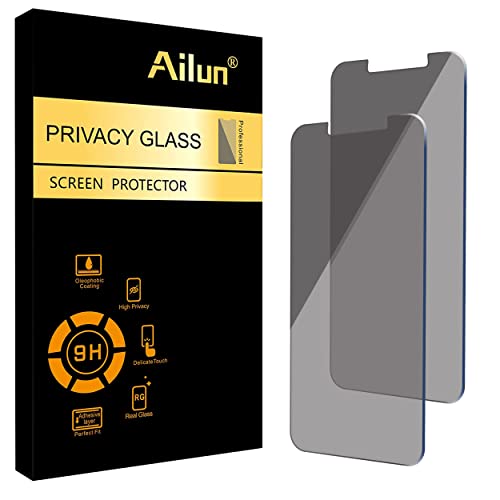
Protect your iPhone 16e, 14, 13, or 13 Pro (6.1 inch) screen with this 2-pack privacy screen protector. The anti-spy tempered glass keeps your information safe from prying eyes and resists scratches.
Creating natural shade and privacy around your pool enhances both comfort and the organic landscape aesthetic. These living elements provide cooling relief while maintaining the seamless connection between your pool and garden environment.
Living Privacy Walls
Espaliered fruit trees create productive privacy screens that deliver fresh harvests alongside seclusion. Train apple or pear trees against wire frameworks to form dense, flowering walls that change seasonally. Fast-growing bamboo species like Fargesia provide instant screening that reaches 8-10 feet within two years while requiring minimal maintenance once established.
Natural Pergola Materials
Reclaimed cedar beams offer superior weather resistance and develop beautiful silver patina over time. Sustainably harvested locust wood provides exceptional durability lasting 20+ years without chemical treatments. Live willow branches woven into pergola frameworks create stunning curved structures that continue growing and leafing out each spring season.
Bamboo Screening Solutions
Add natural privacy to your outdoor space with this eco-friendly bamboo slat fence. Handcrafted from high-quality bamboo and held together with durable, galvanized steel wires, it's perfect for balconies, gardens, or creating wind and sight protection.

Clumping bamboo varieties like Golden Goddess create permanent screens without invasive spreading concerns. Install bamboo panels made from harvested culms for instant privacy that weathers naturally to soft gray tones. Planted bamboo groves provide year-round screening while producing oxygen and filtering pool area air naturally.
Eco-Friendly Pool Lighting and Ambiance
Transform your organic pool landscape into an enchanting evening retreat using sustainable lighting solutions that complement the natural aesthetic you’ve created. The right eco-friendly lighting approach enhances safety while preserving the serene atmosphere of your natural oasis.
Solar-Powered Lighting Options
Solar path lights lined with native stones create magical walkways around your pool perimeter without increasing electricity costs. LED string lights powered by solar panels drape beautifully through pergola beams and bamboo screens, providing warm ambient lighting for 8-10 hours nightly. Floating solar pool lights shaped like lily pads add whimsical illumination while charging during daylight hours.
Natural Fire Feature Integration
Fire bowls crafted from natural stone or recycled metal create stunning focal points that extend your swimming season into cooler months. Position propane or natural gas fire features at least 10 feet from pool edges to ensure safety while maximizing warmth and ambiance. Stone fire rings using locally sourced fieldstone blend seamlessly with your organic landscape while providing gathering spaces for evening entertainment.
Sustainable Outdoor Furniture Choices
Enjoy stylish outdoor relaxation with this 4-piece wicker patio set. It features a functional coffee table and comfortable, weather-resistant rattan chairs with resilient cushions.

Reclaimed teak furniture weathers naturally to silvery-gray tones that complement stone decking and native plantings beautifully. Recycled plastic lumber crafted from ocean waste offers maintenance-free seating that won’t splinter or fade under pool chemicals and UV exposure. Bamboo loungers and side tables provide lightweight, renewable options that develop attractive patina while supporting your eco-conscious pool environment.
Conclusion
Creating an organic pool landscape transforms your backyard into a sustainable sanctuary that benefits both you and the environment. These seven landscaping approaches work together to reduce maintenance demands while supporting local ecosystems and wildlife.
Your investment in natural materials and native plants will pay dividends through lower chemical costs and reduced water consumption. The combination of living filtration systems and eco-friendly hardscaping creates a self-sustaining environment that becomes more beautiful over time.
Start with one or two elements that appeal most to you then gradually expand your organic landscape. With proper planning your pool area will evolve into a thriving natural oasis that provides relaxation and environmental stewardship for years to come.
Frequently Asked Questions
What is organic pool landscaping?
Organic pool landscaping creates a natural oasis around your pool using eco-friendly materials and native plants. This approach minimizes environmental impact, reduces maintenance costs, and transforms your pool area from a stark concrete environment into a thriving ecosystem that supports local wildlife while providing a beautiful, sustainable outdoor space.
What are the best natural stone options for pool decking?
Flagstone and travertine are excellent natural stone choices for pool decking. Flagstone offers slip resistance and natural planting pockets for integrated landscaping. Travertine remains cool underfoot and develops an attractive patina over time. Both materials create seamless transitions between water and garden while providing durability and safety.
How can native plants benefit my pool landscape?
Native plants create low-maintenance living borders that require minimal watering and can handle chlorine splash. Drought-resistant options like lavender and ornamental grasses withstand dry spells naturally. They transform your pool area into a thriving ecosystem, provide continuous seasonal blooms, and support local wildlife while reducing maintenance needs.
What are organic pool filtration methods?
Organic pool filtration uses living plants to naturally balance your pool’s ecosystem and reduce chemical dependency. Constructed wetland systems with cattails and water lilies filter pool water, while aquatic plants like water hyacinth absorb excess nutrients and control algae growth. These methods maintain crystal-clear water while supporting local wildlife.
What sustainable hardscaping materials work best around pools?
Crushed recycled concrete offers excellent drainage and cost savings while diverting waste from landfills. Permeable paving solutions like porous concrete allow natural rainwater filtration. Reclaimed wood from old structures creates unique pool furniture and accent walls, preserving historic materials while ensuring durability with eco-friendly treatments.
How can I create wildlife-friendly water features?
Natural rock waterfalls made from native fieldstone provide drinking spots for wildlife while aerating pool water. Shallow fountain basins with varying depths attract different bird species, especially when powered by solar pumps. Integrating pollinator gardens with native flowering plants near water features creates wildlife corridors requiring minimal irrigation.
What are the best organic shade and privacy solutions?
Living privacy walls using espaliered fruit trees provide seclusion and seasonal beauty. Fast-growing clumping bamboo species like Fargesia offer instant, non-invasive screening with air-filtering benefits. Natural pergola materials such as reclaimed cedar and sustainably harvested locust wood provide durability while complementing the organic landscape aesthetic.
How can I add eco-friendly lighting and ambiance to my pool area?
Solar path lights and LED string lights provide sustainable lighting solutions that enhance safety and atmosphere. Stone fire bowls and propane fire rings create natural gathering spaces. Sustainable outdoor furniture made from reclaimed teak or recycled plastic lumber complements the organic environment while ensuring durability and minimal maintenance requirements.