9 Ways to Integrate Weather Knowledge Into Water Sport Training Pro Athletes Use
Discover how weather patterns, wave conditions, temperature data, and tides can transform your water sports training from guesswork into precision coaching.
Why it matters: Your performance on the water directly depends on understanding weather patterns — from wind direction affecting your sailing speed to temperature changes impacting your endurance during long training sessions.
The big picture: Smart athletes know that weather isn’t just background noise; it’s a critical training variable that can make or break your progress in kayaking, surfing, swimming, or any water sport.
What’s ahead: You’ll discover practical strategies to read weather data, adjust your training intensity based on conditions, and turn environmental challenges into competitive advantages that elevate your water sport performance.
Disclosure: As an Amazon Associate, this site earns from qualifying purchases. Thank you!
Understanding Weather Fundamentals for Water Sport Performance
Wind patterns dictate everything in water sports training. You’ll find yourself fighting headwinds during kayak sessions or catching perfect tailwinds that boost your speed unexpectedly.
Wind direction changes throughout the day create different training opportunities. Morning offshore breezes offer calmer surface conditions for technique work, while afternoon onshore winds generate chop that builds your stability and power.
Temperature affects your body’s performance more than most athletes realize. Cold water below 70°F forces your muscles to work harder just to maintain core temperature, reducing your endurance by up to 25%.
Air temperature creates thermal effects that influence wind patterns. Hot days generate stronger afternoon breezes as land heats faster than water, creating perfect conditions for sail-powered sports but challenging conditions for swimming.
Barometric pressure shifts signal incoming weather changes 12-24 hours before they arrive. Dropping pressure often brings unsettled conditions with gusty winds and choppy water that can turn routine training into survival practice.
High pressure systems deliver stable conditions with predictable wind patterns. These periods offer ideal opportunities for skill development and longer training sessions without weather interruptions.
Wave height and frequency determine training intensity whether you plan it or not. Small, frequent waves build different muscle groups than large, rolling swells that demand explosive power responses.
Analyzing Wind Patterns and Their Impact on Training Sessions
Wind analysis transforms your water sport training from guesswork into precision coaching. Understanding these patterns lets you maximize every session on the water.
Reading Wind Direction and Speed
Check multiple wind sources before heading out – weather apps, marine forecasts, and local wind stations often show different readings. Surface winds can vary dramatically from forecasted speeds, especially near shorelines where thermal effects create unpredictable gusts.
Use visual cues like whitecaps and water texture to confirm actual conditions. Waves with white foam indicate winds over 12 knots, while glassy water suggests speeds under 5 knots.
Identifying Optimal Wind Conditions for Different Sports
Match wind conditions to your training goals rather than fighting against nature. Kayakers thrive in 5-15 knot crosswinds that build core strength without creating dangerous conditions. Sailors need consistent 8-20 knot winds for productive technique work.
Swimmers benefit from offshore winds that flatten surface chop, while surfers seek onshore breezes that clean up wave faces. Stand-up paddleboarders find their sweet spot in protected areas with 0-10 knot winds.
Enjoy versatile water activities with the Roc Paddle Board. Its stable, wide design and durable construction provide excellent balance, while included accessories like a paddle and carry bag ensure a complete, portable experience.


Adapting Training Intensity Based on Wind Forecasts
Scale your workout intensity inversely with wind strength to maintain consistent training stress. High-wind days demand shorter, more technical sessions focused on specific skills rather than endurance work.
Use wind forecasts to plan periodized training blocks. Schedule your longest sessions during predicted calm periods, and save high-intensity interval work for moderate wind days when conditions add natural resistance.
Incorporating Wave Conditions Into Your Training Regimen
Wave conditions dictate the intensity and type of training you’ll experience on any given day. Smart athletes learn to read wave forecasts just as carefully as wind predictions.
Understanding Wave Height and Period Measurements
Wave height measures from trough to crest, while wave period indicates seconds between wave sets. Short-period waves (6-8 seconds) create choppy, energy-draining conditions that demand constant balance adjustments. Long-period swells (10+ seconds) offer more predictable timing for stroke technique and breathing patterns in swimming or paddling rhythm development.
Selecting Appropriate Training Locations Based on Wave Forecasts
Protected bays and harbors filter out larger swells, creating controlled training environments during rough offshore conditions. Check multiple surf forecast sites to compare wave height predictions at different breaks or training spots. Headlands and jetties create wave shadows that can provide calmer water within a few hundred yards of heavy surf.
Adjusting Skill Development Exercises for Wave Conditions
Flat water sessions focus on technique refinement, while moderate chop builds stability and power through your core. Schedule balance drills and stroke correction work during 1-2 foot conditions. Save endurance training for calmer periods when you can maintain consistent form without fighting constantly changing water surfaces.
Utilizing Temperature Data to Optimize Training Performance
Temperature data transforms your water sport training from reactive to strategic. You’ll maximize performance while minimizing risk by understanding how water and air temperatures affect your body’s response to training demands.
Monitoring Water Temperature for Safety and Comfort
Water temperature below 60°F dramatically reduces your endurance and increases cold shock risk. You’ll maintain peak performance in 68-78°F water, while temperatures above 80°F can lead to overheating during intense sessions.
Check water temperature at your training depth, not just surface readings. Thermoclines create 10-15°F differences between surface and deeper waters where you’ll actually be training.
Planning Training Duration Based on Air Temperature
Air temperature affects your hydration needs and heat tolerance during extended sessions. You’ll need 20-30% shorter training blocks when air temperatures exceed 85°F to prevent heat exhaustion.
Cold air below 50°F requires longer warm-up periods and frequent movement breaks. Plan 15-minute increments rather than hour-long sessions when temperatures drop below 40°F with wind chill factors.
Selecting Appropriate Gear for Temperature Conditions
Water temperatures 60-70°F: 3mm wetsuit provides optimal warmth without restricting movement. Full suits work best for training sessions over 45 minutes.
Air temperatures below 55°F: Neoprene booties and gloves prevent heat loss through extremities. You’ll lose 40% of body heat through hands and feet in cold conditions.
Enjoy watersports with OMGear 3mm neoprene socks! They protect your feet from cuts and cold water, while the anti-slip sole ensures secure footing.
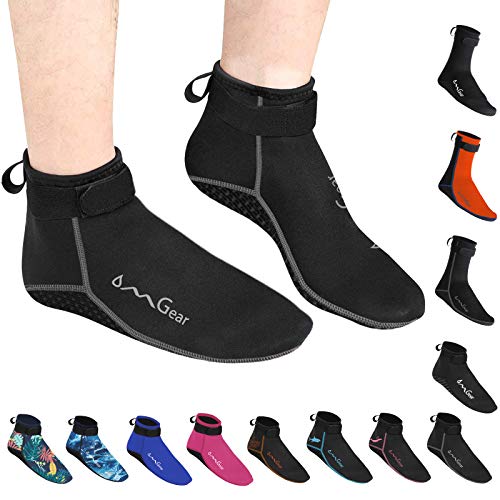
Match your gear to the coldest temperature you’ll encounter during your session, not the starting conditions.
Implementing Tidal Information for Strategic Training Planning
Tidal movements create predictable water level changes that smart athletes use to their advantage. Understanding these patterns transforms your training from reactive to strategic.
Understanding Tidal Charts and Timing
Tidal charts show you exactly when water levels peak and drop at your training location. You’ll find high and low tide times listed with height measurements in feet above mean lower low water.
Spring tides occur during new and full moons, creating the most dramatic water level changes. Neap tides happen during quarter moons and produce smaller tidal ranges for more stable conditions.
Maximizing Training Opportunities During Optimal Tides
High tides give you access to shallow training areas and reduce exposure to underwater hazards like rocks or reefs. You can safely practice in locations that become too shallow during low tide periods.
Low tides expose rocky areas perfect for studying water flow patterns and identifying hazards. Use these periods for equipment maintenance, video analysis, or land-based technique practice instead of water training.
Safety Considerations for Tidal Changes
Incoming tides can trap you against shorelines or in narrow channels where escape becomes difficult. Always plan your exit route before entering areas affected by tidal flow.
Outgoing tides create strong currents that can pull you away from shore unexpectedly. Check tide charts for current direction and strength, especially around jetties, inlets, and river mouths where tidal flows concentrate.
Track local tide conditions with the Northcore Bamboo Tide Clock. This desk-friendly clock, made from sustainable bamboo, rotates every 12 hours and 25 minutes to indicate high and low tides after a simple set up.

Developing Weather-Based Training Periodization
Creating effective training cycles around weather patterns transforms random workouts into strategic development phases that maximize your performance gains.
Creating Seasonal Training Plans Around Weather Patterns
Spring brings unpredictable conditions perfect for adaptability training. Build base fitness during calmer March sessions, then progress to handling variable winds and temperatures as conditions shift. Use April’s temperature swings to practice gear transitions and May’s consistent patterns for intensive skill development.
Adjusting Training Goals Based on Weather Trends
Weather trends dictate your training focus throughout each season. Target endurance during stable high-pressure periods when conditions remain consistent for 3-5 days. Shift to power and technique work during unstable weather windows when choppy conditions challenge your balance and stroke mechanics.
Building Flexibility Into Training Schedules
Successful athletes maintain 2-3 backup training options for every planned session. Keep indoor alternatives ready for severe weather days and identify protected water locations for marginal conditions. Schedule your most important technique sessions during predicted calm periods while using rough weather days for strength-building exercises.
Mastering Weather Forecasting Tools and Apps
Modern weather forecasting technology puts marine-grade data directly in your pocket. You’ll need reliable apps and proven interpretation skills to make split-second training decisions.
Essential Weather Apps for Water Sport Athletes
Windy delivers real-time wind overlays with hourly forecasts that show exactly when conditions will shift. PredictWind offers marine-specific models that account for coastal effects most general weather apps miss.
Buoy Weather provides NOAA buoy data for actual water conditions rather than land-based estimates. You’ll want at least two apps since coastal forecasting varies significantly between different weather models.
Reading Marine Weather Forecasts Effectively
Marine forecasts include wave period data that’s crucial for training intensity planning. Short periods under 8 seconds create choppy conditions while longer periods above 12 seconds offer more predictable swells.
Wind direction matters more than speed for most water sports. Offshore winds flatten surface chop but can create dangerous conditions for getting back to shore. Always check both sustained winds and gust predictions.
Setting Up Weather Alerts for Training Sessions
Configure alerts for wind speeds above your comfort threshold and wave heights that match your skill level. Set notifications 12-24 hours ahead so you can adjust training plans rather than scrambling last-minute.
Temperature alerts prevent hypothermia risks when water temps drop below 60°F unexpectedly. You’ll also want severe weather warnings that give you enough time to safely exit the water before conditions deteriorate.
Building Weather Awareness Skills Through Practice
Practice transforms theoretical weather knowledge into instinctive decision-making skills that keep you safe and maximize your training effectiveness on the water.
Developing Visual Weather Assessment Abilities
Visual weather assessment starts with scanning the horizon for cloud formations and color changes that signal shifting conditions. Dark, towering cumulus clouds indicate potential thunderstorms within 30-60 minutes, while thin, wispy cirrus clouds suggest weather changes in 24-48 hours.
Watch for surface water changes like sudden ripples or foam patterns that reveal wind shifts before your weather app updates.
Learning to Recognize Changing Weather Patterns
Changing weather patterns reveal themselves through subtle environmental cues that experienced athletes learn to read instinctively. Temperature drops of 5-10 degrees often precede storm fronts, while sudden wind direction shifts indicate pressure system changes.
Birds flying low to the water and insects swarming near the surface typically signal dropping barometric pressure and approaching weather changes.
Creating Weather Observation Logs
Weather observation logs create a personalized database of local conditions that improves your forecasting accuracy over time. Record wind direction, wave height, air temperature, and water conditions at the start of each training session.
Note any changes during your session and compare your observations with actual weather data to identify patterns specific to your training locations.
Enhancing Safety Through Weather Knowledge Integration
Weather knowledge isn’t just about performance optimization—it’s your primary defense against life-threatening conditions on the water. Understanding dangerous weather patterns can mean the difference between a challenging training session and a rescue situation.
Identifying Dangerous Weather Conditions
Lightning poses the most immediate threat to water sport athletes, with strikes occurring up to 10 miles from visible storms. Monitor radar for approaching cells and exit water when thunder sounds within 30 seconds of lightning.
Wind speeds above 25 knots create hazardous conditions for most water sports, generating steep waves and whitecap formations that can overwhelm even experienced athletes. Watch for sustained winds combined with gusts exceeding 35 knots.
Establishing Weather-Based Training Cancellation Protocols
Create clear thresholds for canceling sessions before heading to your training location. Set specific wind speed limits, wave height maximums, and temperature minimums based on your sport and skill level.
Implement a buddy system where training partners confirm weather conditions independently before meeting. This prevents groupthink and ensures multiple people evaluate potentially dangerous conditions objectively.
Emergency Planning for Sudden Weather Changes
Identify multiple exit points along your training route before entering the water, marking sheltered areas and emergency landing zones on GPS devices or smartphone apps.
Stay connected anywhere with the compact Garmin inReach Mini 2. This satellite communicator offers two-way messaging, interactive SOS, and TracBack routing for confident exploration.

Establish communication protocols with shore support or training partners, including predetermined check-in times and emergency signal systems. Carry waterproof communication devices and practice emergency procedures during calm conditions.
Conclusion
Mastering weather integration transforms your water sport training from a hit-or-miss approach into a strategic advantage. You’ll find that combining forecasting tools with hands-on observation skills creates a powerful foundation for consistent improvement.
Your ability to read conditions quickly becomes second nature when you practice these techniques regularly. This knowledge doesn’t just enhance performance – it’s your most reliable safety tool on the water.
The investment you make in understanding weather patterns pays dividends throughout your athletic journey. You’ll train more effectively spend less time battling unfavorable conditions and develop the confidence that comes from being truly prepared for whatever nature delivers.
Frequently Asked Questions
How do wind patterns affect water sports training?
Wind patterns significantly impact water sports performance by creating different water conditions. Morning offshore breezes provide calm water ideal for technique work, while afternoon onshore winds generate chop that builds stability and power. Kayakers perform best in 5-15 knot crosswinds, while swimmers benefit from offshore winds that flatten surface conditions. Athletes should check multiple wind sources and adjust training intensity accordingly.
What water temperature is optimal for training performance?
Optimal training performance occurs in water temperatures between 68-78°F. Water below 60°F dramatically reduces endurance and increases cold shock risk, while temperatures above 78°F can lead to overheating. Athletes should monitor water temperature at their training depth, as thermoclines can create significant temperature differences that affect performance and safety.
How do wave conditions influence training intensity?
Wave height and period measurements determine training intensity levels. Short-period waves create choppy conditions requiring constant balance adjustments, perfect for stability training. Long-period swells offer predictable timing for stroke technique development. Athletes should use flat water for technique refinement and moderate chop for building power and stability.
Why is tidal information important for water sports training?
Tidal information transforms training from reactive to strategic planning. High tides provide access to shallow training areas and reduce underwater hazards, while low tides expose rocky areas for studying water flow patterns. Understanding tidal movements helps athletes plan safer training sessions and optimize access to different training locations.
Which weather apps are best for water sports athletes?
Essential weather apps include Windy, PredictWind, and Buoy Weather, which provide real-time marine data crucial for training decisions. These apps offer detailed information on wind patterns, wave forecasts, and temperature data. Athletes should use multiple sources for accuracy and set up weather alerts to ensure optimal training conditions and safety.
How can athletes develop better weather awareness skills?
Athletes can improve weather awareness through visual assessment techniques like scanning horizons for cloud formations and monitoring surface water changes. Creating weather observation logs helps track local conditions and improves forecasting accuracy over time. Learning to recognize subtle environmental cues such as temperature drops and bird behavior signals changing weather patterns.
What are dangerous weather conditions to avoid during training?
Dangerous conditions include lightning, wind speeds over 25 knots, and rapidly changing weather patterns. Athletes should establish clear training cancellation protocols based on specific thresholds and identify emergency exit points. Maintaining communication protocols for sudden weather changes and having backup training options ensures safety during unpredictable conditions.
How should training schedules adapt to seasonal weather patterns?
Effective training periodization aligns with seasonal weather patterns to maximize performance gains. Build base fitness during calmer spring months, focus on endurance during stable high-pressure periods, and prioritize technique sessions during predicted calm conditions. Maintain flexible schedules with backup options for severe weather days to ensure consistent training progress.