
5 Ways to Safely Share Pool Chemicals That Protect Your Family
Cut pool chemical costs by 30% through safe community sharing. Learn smart strategies for storage, safety protocols, and fair cost-splitting with neighbors.
Why it matters: Pool chemical costs have surged 30% this season, making community sharing an attractive option for cash-strapped pool owners.
The big picture: You can safely split chemical purchases with neighbors while avoiding dangerous mistakes that could turn your backyard oasis into a hazard zone.
What’s ahead: Smart sharing strategies protect both your wallet and your family’s safety when handling potentially lethal pool chemicals.
Maintain balanced pool water effortlessly with ARM & HAMMER Clear Balance tablets. These convenient tablets, formulated with baking soda, optimize chlorine performance and protect pool surfaces.


Disclosure: As an Amazon Associate, this site earns from qualifying purchases. Thank you!
Establish a Community Pool Chemical Sharing Group
Building on smart sharing strategies, creating a formal community group transforms casual chemical sharing into a systematic approach that benefits everyone involved.
Create Clear Guidelines and Rules
Establish written agreements that outline chemical storage requirements, safety protocols, and cost-sharing formulas. Document who’s responsible for purchasing specific chemicals and set minimum safety standards for handling. Include liability clauses and emergency procedures to protect all members from potential accidents or misunderstandings.
Set Up a Communication System
Choose a single communication platform like a group text, neighborhood app, or private Facebook group for coordinating purchases and sharing updates. Designate one person as the primary coordinator to manage chemical inventory requests and delivery schedules. This prevents confusion and ensures everyone gets notified about available chemicals or safety alerts.
Designate Storage and Distribution Points
Select centralized locations with proper ventilation, temperature control, and security features for storing shared chemicals safely. Rotate storage responsibilities among members to distribute liability and ensure chemicals remain accessible. Choose distribution points that allow safe transport distances and include proper signage to identify different chemical types clearly.
Implement Proper Chemical Storage and Labeling Systems
Your community sharing arrangement demands systematic chemical storage practices to prevent dangerous mix-ups and maintain product integrity.
Use Original Containers with Intact Labels
Never transfer pool chemicals to different containers when sharing with neighbors. The original packaging contains critical safety information including expiration dates, mixing instructions, and emergency protocols that you’ll need if accidents occur.
Keep manufacturer labels completely readable and protected from moisture damage. Replace any containers with torn or faded labels immediately to avoid potentially deadly chemical confusion.
Maintain Proper Storage Conditions
Store shared chemicals in cool, dry locations away from direct sunlight and heat sources like water heaters or furnaces. Temperature fluctuations can destabilize chemical compounds and create dangerous reactions.
Separate incompatible chemicals by at least three feet – never store chlorine products near acids or algaecides. Use metal shelving instead of wood to prevent chemical absorption and fire hazards.
Keep your pool water clean and clear with Clorox Pool&Spa XTRABLUE 3" Chlorinating Tablets. These tablets kill bacteria, prevent algae, and contain conditioners for silky smooth water.

Create an Inventory Tracking System
Establish a simple check-in/check-out system using a shared digital document or physical logbook at your storage location. Record who takes what chemicals, quantities removed, and return dates for accountability.
Update inventory levels weekly and note expiration dates prominently. This prevents community members from unknowingly using degraded chemicals that won’t effectively sanitize pools or could create safety risks.
Develop Safety Protocols for Chemical Handling
Building on your organized storage and inventory systems, you’ll need comprehensive safety protocols to protect every community member who handles shared chemicals.
Require Protective Equipment Usage
Mandate proper protective gear for all chemical handling activities. Your community should establish a minimum equipment standard including safety goggles, chemical-resistant gloves, and closed-toe shoes. Keep a shared supply of basic protective equipment at each storage location, and require members to inspect gear before each use to ensure it’s not damaged or expired.
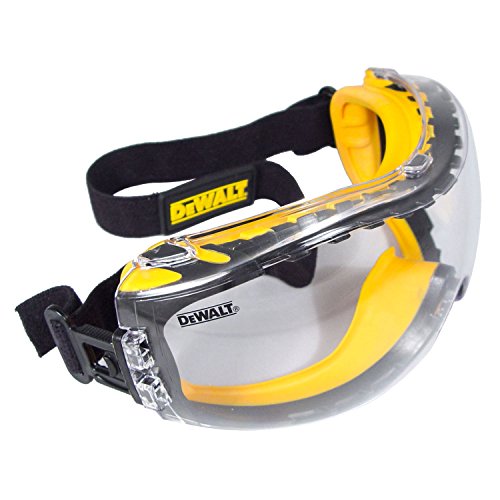
Get reliable eye protection with the DEWALT Concealer Safety Goggle. Its anti-fog, scratch-resistant lens and comfortable dual-mold design shield against dust and debris.
Establish Emergency Response Procedures
Create clear action plans for chemical accidents and spills. Post emergency contact numbers at each storage site, including poison control (1-800-222-1222) and local emergency services. Designate at least two trained responders in your group who can coordinate emergency procedures, and ensure every member knows the location of emergency eyewash stations and spill cleanup materials.
Quickly flush irritants from your eyes with this wall-mountable eyewash station. It includes two 16-oz bottles of sterile, buffered isotonic solution for immediate and effective relief.

Provide Basic Chemical Safety Training
Schedule mandatory safety sessions before allowing community members to handle shared chemicals. Cover essential topics like proper mixing procedures, incompatible chemical combinations, and first aid basics during these 30-minute training sessions. Require annual refresher courses and provide written safety guidelines that members can reference, ensuring everyone understands the specific hazards of chlorine, acids, and other pool chemicals your group shares.
Create a Cost-Sharing and Rotation Schedule
Organizing shared chemical purchases requires a systematic approach to ensure fairness and accountability. A well-structured schedule prevents disputes and maintains trust among community members.
Calculate Fair Distribution of Expenses
Divide costs based on pool size and usage frequency to ensure equitable sharing among community members. Track each member’s pool volume in gallons and seasonal usage patterns to create proportional cost allocations.
Document each person’s contribution percentage using a simple formula: your pool gallons divided by total community gallons multiplied by 100. This method prevents disputes and ensures everyone pays their fair share.
Establish a Purchasing Rotation System
Rotate purchasing responsibilities monthly among community members to distribute the workload and financial burden evenly. Assign specific members as primary buyers with backup coordinators for each rotation period.
Create a calendar showing who’s responsible for each chemical type and purchase date. This system ensures consistent supply while preventing any single person from shouldering all the upfront costs.
Track Usage and Contributions
Maintain detailed records of chemical usage, payments, and distribution to preserve transparency within your sharing group. Use a shared spreadsheet or app to log every transaction and chemical withdrawal.
Update records immediately after each use, including member names, chemical types, quantities taken, and return dates. This documentation protects all members and helps identify usage patterns for better planning.
Monitor Chemical Quality and Expiration Dates
Chemical quality deteriorates over time, compromising your pool’s safety and your investment in shared supplies. Expired or degraded chemicals can create dangerous reactions and fail to sanitize your water properly.
Regular Testing and Quality Checks
Test shared chemicals monthly using basic pH strips or digital testers to verify potency levels. Fresh chlorine should maintain strong odor and white color, while calcium hypochlorite shouldn’t show yellow discoloration or excessive clumping. Document test results in your community tracking system to identify degraded batches before they compromise anyone’s pool safety.
Get accurate pH readings quickly with these 160 universal test strips. Easily measure pH levels from 1-14 for water, soil, and more using the included color chart.

Proper Disposal of Expired Chemicals
Never dump expired pool chemicals down drains or mix them with household waste, as this creates serious environmental hazards. Contact your local hazardous waste facility for safe disposal options, typically offered through community collection events. Share disposal costs among group members since expired chemicals affect everyone’s safety and require professional handling.
Maintain Chemical Effectiveness Records
Track chemical performance by recording how much product each member uses to achieve desired water balance results. Fresh chemicals require smaller doses to maintain proper chlorine levels, while degraded products need higher quantities and produce inconsistent results. Update your community inventory system with effectiveness ratings to help members identify which batches deliver the best value and performance.
Conclusion
Sharing pool chemicals with your community doesn’t just save money—it creates a safer and more responsible approach to pool maintenance when done correctly. By implementing these five strategies you’ll build trust with your neighbors while protecting everyone’s families from potential chemical hazards.
The key lies in treating chemical sharing as seriously as you would any safety protocol. Proper storage labeling communication and record-keeping aren’t just good practices—they’re essential for maintaining the quality and safety of your shared chemicals.
Start small with one or two trusted neighbors and gradually expand your sharing group as you refine your systems. With rising chemical costs showing no signs of slowing down these collaborative approaches will become increasingly valuable for budget-conscious pool owners who refuse to compromise on safety.
Frequently Asked Questions
Why have pool chemical costs increased so much this season?
Pool chemical costs have risen by approximately 30% this season due to various market factors. This significant price increase has prompted many pool owners to explore cost-saving alternatives, such as sharing chemical purchases with neighbors and community members to reduce individual financial burden.
Is it safe to share pool chemicals with neighbors?
Yes, sharing pool chemicals can be safe when done properly with established safety protocols. The key is implementing formal guidelines, proper storage procedures, clear labeling systems, and comprehensive safety training for all participants to prevent dangerous mix-ups and accidents.
What should I include in a pool chemical sharing agreement?
A formal sharing agreement should include written guidelines for chemical storage, safety protocols, cost-sharing formulas, designated responsibilities for each member, liability clauses, emergency contact information, and clear rules for handling, distribution, and inventory management.
How should shared pool chemicals be stored safely?
Shared chemicals must be stored in their original packaging in cool, dry locations away from direct sunlight. Incompatible chemicals should be stored separately, storage areas need proper ventilation and security, and responsibilities should rotate among members to distribute liability.
What safety equipment is needed for handling shared pool chemicals?
Essential safety equipment includes chemical-resistant gloves, safety goggles, protective clothing, and proper ventilation. Keep a shared supply of safety gear at each storage location and ensure all members know proper emergency response procedures and first aid basics.
How do I calculate fair cost-sharing for pool chemicals?
Calculate cost distribution based on pool size and usage frequency using a documented formula. Establish each person’s contribution percentage, implement a purchasing rotation system, and maintain detailed records of expenses, payments, and chemical distribution for transparency.
What happens if shared pool chemicals expire?
Expired chemicals should be tested regularly and disposed of properly through approved hazardous waste programs. Never use degraded chemicals as they compromise pool safety. Consider community sharing of disposal costs and maintain records of chemical effectiveness and expiration dates.
How can I track shared chemical inventory effectively?
Create a comprehensive tracking system documenting chemical quantities, distribution dates, expiration dates, member contributions, and usage patterns. Use a single communication platform with a designated coordinator to manage inventory, schedules, and ensure accountability among all participants.