7 Best Insect Repellent Options for Beachgoers That Actually Work
Discover 7 proven insect repellent options for beach trips, from DEET and picaridin sprays to natural oils and wearable tech that keep bugs away all day.
Why it matters: Beach days can quickly turn miserable when mosquitoes sand flies and other biting insects crash your seaside paradise.
The big picture: Choosing the right insect repellent means understanding which active ingredients work best against coastal pests while considering factors like water resistance and skin sensitivity.
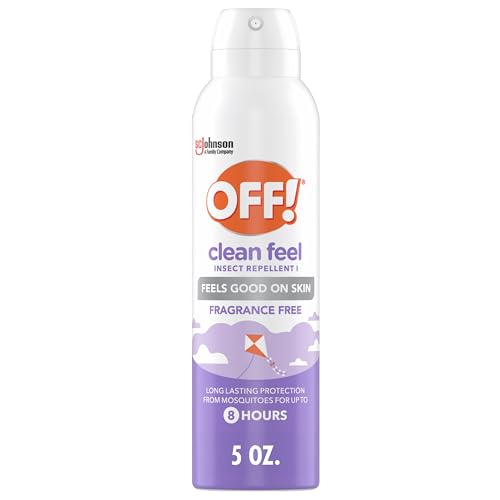
Get long-lasting protection from mosquitoes, ticks, and biting flies with OFF! Clean Feel. This fragrance-free, DEET-free formula dries quickly and feels good on your skin for up to 8 hours.

What you’ll learn: We’ve tested and researched the most effective repellent options that’ll keep you comfortable whether you’re building sandcastles or catching waves.
Disclosure: As an Amazon Associate, this site earns from qualifying purchases. Thank you!
DEET-Based Repellents: The Gold Standard for Beach Protection
DEET remains the most effective insect repellent for beach environments, offering proven protection against mosquitoes, sand flies, and other coastal pests. You’ll find DEET-based products deliver consistent results where other ingredients fall short in sandy, humid conditions.
Why DEET Works Against Beach Insects
DEET blocks insects’ ability to detect the carbon dioxide and lactic acid your skin produces. Beach environments concentrate these attractants through sweat and humidity, making DEET’s masking effect particularly valuable. Sand flies and mosquitoes can’t locate you when DEET disrupts their sensory receptors effectively.
Top DEET Products for Sandy Environments
OFF! Deep Woods contains 25% DEET and resists washing off in saltwater spray. Repel 100 offers maximum 98% DEET concentration for extended beach days lasting 10+ hours. Cutter Backwoods provides 23% DEET with sweat-resistant formula perfect for active beachgoers building sandcastles or playing volleyball.
Get long-lasting protection from mosquitoes, ticks, and biting flies with OFF! Deep Woods Insect Repellent. The dry, non-greasy formula contains 25% DEET and comes in a convenient aerosol spray for easy application.

Picaridin Formulas: Odorless and Effective for Coastal Areas
Picaridin delivers serious protection without the harsh chemical smell that can make your beach day less enjoyable. This synthetic compound matches DEET’s effectiveness while feeling lighter on your skin.
Benefits of Picaridin Over Traditional Repellents
Picaridin won’t damage your sunglasses, swimsuit, or beach gear like DEET can. It feels less greasy on sweaty skin and doesn’t leave that sticky residue when you’re applying sunscreen over it. You’ll get 8-12 hours of protection without the strong odor that attracts curious kids or bothers sensitive noses.
Elevate your style with these trendy retro aviator sunglasses. Featuring UV400 lenses to protect your eyes from harmful rays and a comfortable, stylish frame, they're perfect for any sunny day.

Best Picaridin Brands for Beach Activities
Sawyer Products 20% Picaridin offers military-grade protection that won’t wash off during quick ocean dips. Natrapel 8-Hour provides reliable coverage for families with a gentler 20% formula. Ranger Ready Picaridin 20% comes in convenient travel sizes perfect for beach bags and stays effective even in high humidity.
Natural Oil-Based Repellents: Chemical-Free Options for Sensitive Skin
Natural repellents offer gentler protection for beachgoers with sensitive skin or those preferring chemical-free alternatives. These plant-based options provide moderate protection while maintaining your comfort during coastal activities.
Essential Oils That Repel Beach Bugs
Citronella, lemongrass, and eucalyptus oils create effective barriers against mosquitoes and sand flies when properly diluted. Peppermint and tea tree oils also deter biting insects but require reapplication every 2-3 hours in beach conditions.
Mix 10-15 drops of essential oil per ounce of carrier oil like coconut or jojoba for safe application. Remember that natural oils wash off quickly in saltwater and sweat.
Commercial Natural Products Worth Trying
Badger Anti-Bug Balm combines citronella and rosemary in a convenient stick format that won’t spill in your beach bag. California Baby Natural Bug Blend uses organic essential oils and provides 2-4 hours of protection.
Burt’s Bees All-Natural Herbal Insect Repellent offers DEET-free protection with rosemary and lemongrass extracts. These products work best for light insect pressure rather than heavy mosquito zones.
Permethrin-Treated Clothing: Long-Lasting Protection for Beach Gear
Permethrin-treated clothing offers beach protection that lasts through multiple washes and ocean swims. This approach protects you without constant reapplication like traditional sprays.
How Permethrin Treatment Works
Permethrin binds to fabric fibers and attacks insects’ nervous systems on contact. The synthetic pyrethroid creates a protective barrier that kills mosquitoes, ticks, and sand flies within minutes of landing on treated clothing. Commercial treatments last 6-70 washes depending on application method, while DIY spray treatments provide 2-6 weeks of protection.
DIY vs. Pre-Treated Clothing Options
Pre-treated clothing from brands like Insect Shield offers superior longevity with protection lasting 70+ washes. DIY permethrin sprays like Sawyer Products cost less upfront but require monthly reapplication on beach gear. Factory-treated garments maintain consistent coverage while home treatments can create uneven protection spots that insects exploit.
Wearable Repellent Devices: High-Tech Solutions for Active Beachgoers
Modern wearable repellent technology offers hands-free protection that won’t wash off in the waves or sweat off during beach volleyball.
Electronic Repellent Bands and Clips
Electronic repellent devices use ultrasonic frequencies or heat-activated repellent cartridges to create a protective zone around your body. Wristbands like Thermacell MR300 and Pic Sonic clips attach to clothing or beach chairs, emitting continuous protection without messy sprays. These devices work best in low-wind conditions and cover roughly 15 square feet around you.
Effectiveness and Battery Life Considerations
Battery-powered repellent devices typically last 8-12 hours on beach outings, making them suitable for full-day protection. However, ocean breezes can disperse their protective zones, reducing effectiveness by up to 40% compared to calm conditions. Most devices require 4-6 hours of charging time and work best when combined with traditional repellents for complete coverage.
Combination Sunscreen-Repellent Products: Two-in-One Beach Protection
Get powerful sun protection with Neutrogena Ultra Sheer SPF 70. This lightweight, non-greasy formula absorbs quickly, leaving a clean, matte finish while shielding skin from UVA/UVB rays.

Dual-purpose products promise to simplify your beach routine by combining UV protection with insect defense in a single application. These hybrid formulas can reduce the number of products you need to pack and reapply during long beach days.
Pros and Cons of Dual-Purpose Products
Advantages include convenience and reduced beach bag clutter. You’ll save time applying one product instead of two, and there’s less risk of forgetting either protection. Popular brands like Coppertone and Banana Boat offer SPF 30+ formulas with DEET concentrations around 10-15%.
Drawbacks center on compromised effectiveness and reapplication conflicts. Sunscreen needs reapplication every 2 hours, while repellent shouldn’t be overused, creating timing issues that can leave you vulnerable to either burns or bites.
Application Tips for Maximum Effectiveness
Apply combination products 15 minutes before sun and bug exposure begins. Use the same generous coverage you’d apply with sunscreen alone – most people use only 25% of the recommended amount, which reduces both UV and insect protection significantly.
Reapply strategically based on your primary concern during different beach activities. Swimming and sweating require sunscreen refresh every 2 hours, but limit repellent reapplication to prevent overexposure to active ingredients like DEET or picaridin.
Physical Barriers: Protective Clothing and Accessories
Creating a physical barrier between your skin and insects offers reliable beach protection that won’t wash off in the waves. Smart clothing choices complement chemical repellents perfectly.
Lightweight Beach Cover-Ups and Hats
Long-sleeved beach shirts with UPF 50+ rating block both sun and bugs while staying cool through moisture-wicking fabric. Wide-brimmed hats protect your face and neck from sand flies that hover close to shorelines. Choose breathable materials like bamboo or polyester that dry quickly after ocean spray.
Mesh Accessories and Bug-Proof Gear
Bug-proof beach umbrellas with fine mesh panels create insect-free zones for eating and relaxing. Mesh beach tents offer 360-degree protection during windy conditions when sprays become less effective. Pack lightweight mesh head nets for dawn or dusk activities when mosquito activity peaks along coastal areas.
Conclusion
Finding the right insect repellent for your beach trips doesn’t have to be complicated. Whether you choose proven DEET formulas or explore natural alternatives like essential oils each option offers unique benefits for different beach activities and skin types.
Your perfect beach protection strategy likely combines multiple approaches. Pair a reliable chemical repellent with permethrin-treated clothing and physical barriers for maximum coverage. Don’t forget that wearable devices and combination products can add extra convenience to your beach routine.
The key is matching your repellent choice to your specific beach plans. Active water sports call for waterproof formulas while family beach days might benefit from gentler natural options. With these seven categories of protection you’re equipped to enjoy bug-free beach experiences all season long.
Frequently Asked Questions
What is the most effective insect repellent for beach use?
DEET is considered the gold standard for beach protection. It effectively blocks insects’ ability to detect human attractants like carbon dioxide and lactic acid, which are intensified in sandy, humid coastal environments. Top DEET products include OFF! Deep Woods, Repel 100, and Cutter Backwoods, providing reliable protection against mosquitoes and sand flies.
Is Picaridin as effective as DEET for beach protection?
Yes, Picaridin matches DEET’s effectiveness while offering several advantages for beach use. It’s odorless, feels lighter on skin, doesn’t damage beach gear, and provides 8-12 hours of protection without greasy residue. Recommended brands include Sawyer Products 20% Picaridin, Natrapel 8-Hour, and Ranger Ready Picaridin 20%.
Are natural repellents effective for beach activities?
Natural oil-based repellents using citronella, lemongrass, and eucalyptus can effectively repel beach bugs when properly diluted. However, they require reapplication every 2-3 hours and work best under light insect pressure. Commercial options like Badger Anti-Bug Balm and Burt’s Bees All-Natural Herbal Insect Repellent offer DEET-free protection.
How does permethrin-treated clothing work for beach protection?
Permethrin binds to fabric fibers and attacks insects’ nervous systems on contact, creating a protective barrier that kills mosquitoes, ticks, and sand flies. DIY treatments provide 2-6 weeks of protection, while factory-treated clothing from brands like Insect Shield lasts over 70 washes with consistent coverage.
Do electronic repellent devices work at the beach?
Electronic devices like Thermacell MR300 and Pic Sonic clips use ultrasonic frequencies or heat-activated cartridges to create protective zones. They provide 8-12 hours of hands-free protection without messy sprays, but their effectiveness can be reduced in windy beach conditions. They work best when combined with traditional repellents.
Should I use combination sunscreen-repellent products?
Combination products offer convenience by merging UV protection with insect defense in one application. However, they may compromise effectiveness due to different reapplication needs of sunscreen and repellent. Apply 15 minutes before exposure and reapply based on your primary concern during beach activities.
What physical barriers help protect against beach insects?
Lightweight beach cover-ups and hats with UPF 50+ ratings block both sun and insects while keeping you cool. Bug-proof beach umbrellas, mesh tents, and lightweight mesh head nets create insect-free zones. These physical barriers complement chemical repellents and provide reliable protection that won’t wash off.