7 Innovative Ways to Apply Pool Shock That Save Money Year-Round
Discover 7 surprising uses for pool shock beyond your swimming pool! From cleaning outdoor furniture to emergency water purification, learn cost-effective solutions.
Pool shock isn’t just for keeping your swimming pool crystal clear anymore. You’ve probably got a container sitting in your garage right now that could solve problems throughout your home and property in ways you never imagined. From sanitizing outdoor furniture to treating well water these calcium hypochlorite powerhouses pack serious cleaning potential beyond the pool deck.
Most pool owners stick to the same routine: test water add shock and wait. But you’re missing out on cost-effective solutions hiding in plain sight that could replace multiple expensive specialty products in your cleaning arsenal.
Disclosure: As an Amazon Associate, this site earns from qualifying purchases. Thank you!
Understanding Pool Shock Beyond Basic Pool Maintenance
Quickly kill bacteria and algae with Clorox Pool&Spa™ Shock XTRABLUE® Plus. This fast-dissolving formula clears water and makes it swim-ready in just 15 minutes.


Pool shock contains powerful oxidizing agents that break down organic compounds and eliminate bacteria far beyond your swimming pool’s edge. This chemical versatility makes it an unexpectedly effective solution for numerous cleaning challenges around your property.
What Makes Pool Shock a Versatile Cleaning Agent
Pool shock’s active ingredients create a controlled oxidation process that destroys cellular walls in bacteria, algae, and organic matter. The same chemical reaction that keeps your pool water crystal clear works effectively on outdoor surfaces, equipment, and even water systems throughout your property.
Different Types of Pool Shock and Their Properties
Calcium hypochlorite offers the strongest oxidizing power and works best for heavy-duty cleaning tasks like sanitizing concrete or treating well water. Sodium dichlor dissolves quickly and provides gentler action for delicate surfaces, while potassium monopersulfate serves as a chlorine-free option for sensitive applications.
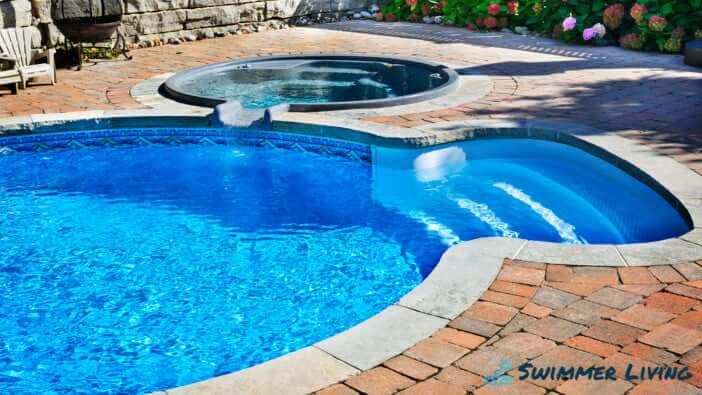
Sanitizing Hot Tubs and Spas for Crystal Clear Water
Hot tubs require more frequent shocking than pools due to their higher bather load per gallon and elevated temperatures. The concentrated nature of spa water means organic contaminants build up faster, creating that cloudy, foamy water you’ve probably experienced.
Proper Dosage Calculations for Smaller Water Bodies
Calculate your hot tub’s exact gallon capacity before adding shock – most spas hold 300-500 gallons compared to pools’ 15,000+ gallons. Use 1 ounce of calcium hypochlorite per 500 gallons of water for routine maintenance shocking. Double this dosage if you’re dealing with algae growth or heavy organic buildup from frequent use.
Timing Your Hot Tub Shock Treatment
Quickly restore crystal-clear pool water with HTH Shock Advanced. This fast-dissolving, multi-functional formula kills bacteria and algae while reducing chlorine odor and irritation, and it's compatible with all pool types.

Shock your hot tub immediately after heavy use periods or weekly during regular operation. Add shock with jets running for 15-20 minutes to ensure proper circulation and mixing throughout the smaller water volume. Wait at least 8 hours before soaking to allow chlorine levels to drop below 5 ppm for safe bathing.
Disinfecting Swimming Pool Equipment and Accessories
Your pool equipment harbors bacteria and organic buildup that regular rinsing can’t eliminate. Pool shock creates a powerful sanitizing solution that penetrates porous materials and kills pathogens hiding in equipment crevices.
Cleaning Pool Filters and Skimmer Baskets
Keep your pool water crystal clear with this 4-pack of universal Type A/C filter cartridges. These durable, easy-to-replace filters provide superior cleaning for pumps ranging from 530 to 2,000 GPH.
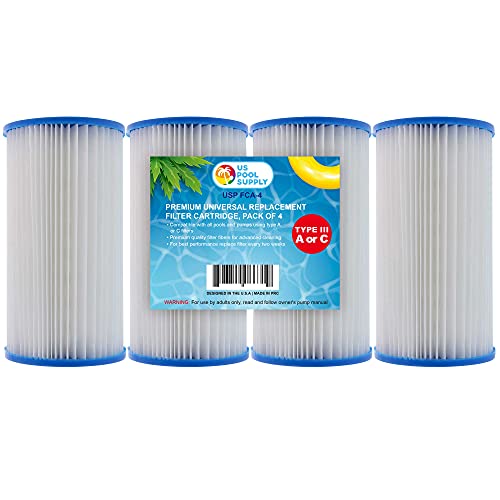
Mix 1 tablespoon of calcium hypochlorite per gallon of water to create your cleaning solution. Soak cartridge filters and skimmer baskets for 15-20 minutes, then rinse thoroughly with fresh water. This treatment removes oils, lotions, and organic debris that reduce filtration efficiency and harbor harmful bacteria.
Sanitizing Pool Toys and Floatation Devices
Enjoy summer pool time with this 30-piece diving toy set! It includes rings, sticks, balls, and more, plus a bonus storage bag for easy cleanup and organization.

Create a diluted shock solution using 1 teaspoon per gallon of water for plastic toys and inflatables. Wipe down surfaces with the solution and let air dry completely before storage. This prevents mold growth and eliminates bacteria that accumulate from body oils, sunscreen, and pool water exposure during use.
Treating Algae-Infested Water Features and Fountains
This solar fountain pump instantly adds beauty to your bird bath, pond, or garden. It operates automatically in direct sunlight with 6 different spray patterns, creating an attractive water display.

Decorative water features quickly become breeding grounds for algae when circulation slows or maintenance lapses. Pool shock provides an effective solution for restoring crystal-clear water to fountains, birdbaths, and ornamental ponds without harsh scrubbing.
Identifying Algae Types in Decorative Water Elements
Green stringy algae indicates high nutrient levels and requires immediate shock treatment. Black or blue-green algae forms stubborn mats that need double-strength calcium hypochlorite applications. Brown algae typically develops in shaded fountains and responds well to standard shock concentrations of 1 tablespoon per 10 gallons of water.
Safe Application Methods for Ornamental Features
Remove fish and plants before adding shock to prevent damage or death. Mix calcium hypochlorite in a bucket first, then pour slowly around the water feature’s perimeter while pumps circulate the solution. Wait 24-48 hours before reintroducing aquatic life, ensuring chlorine levels drop below 0.5 ppm using test strips.
Cleaning and Whitening Pool Deck Surfaces
Pool shock transforms weathered concrete and stone surfaces around your pool area into pristine, sanitized spaces. The oxidizing power of calcium hypochlorite breaks down organic stains while eliminating bacteria that cause discoloration and slippery surfaces.
Removing Stubborn Stains from Concrete and Stone
Mix 2 tablespoons of calcium hypochlorite with 1 gallon of water for tough stains on concrete decking. Apply the solution directly to discolored areas using a stiff brush, allowing 10-15 minutes of contact time before scrubbing. Rinse thoroughly with clean water to prevent residue buildup that could create slippery conditions.
Protecting Surrounding Landscaping During Treatment
Cover nearby plants and grass with plastic sheeting before applying pool shock solutions to deck surfaces. Direct overspray or runoff can damage vegetation within 24 hours of contact. Create temporary barriers using tarps or cardboard to contain the cleaning solution and prevent chlorine from reaching sensitive landscaping areas.
Emergency Water Purification for Outdoor Activities
When you’re miles from civilization with contaminated water sources, pool shock becomes a critical survival tool that’s lighter and more concentrated than traditional water purification tablets.
Creating Safe Drinking Water in Survival Situations
You’ll need calcium hypochlorite to create emergency drinking water from questionable sources like streams, ponds, or collected rainwater. This method works by eliminating bacteria, viruses, and parasites that cause waterborne illnesses during camping trips or emergency situations.
First, filter out visible debris using cloth or sand filtration before chemical treatment. Then add your calculated shock solution to clear water for maximum effectiveness against pathogens.
Proper Dilution Ratios for Water Treatment
Mix 1/8 teaspoon of calcium hypochlorite powder per gallon of clear water for emergency purification. This creates approximately 2-4 ppm of available chlorine, which effectively kills harmful microorganisms within 30 minutes of contact time.
Double-check your measurements carefully since overdosing creates undrinkable water while underdosing leaves dangerous pathogens alive. Always let treated water sit for the full contact time before consumption.
Household Cleaning Applications Beyond Pool Use
Your pool shock’s powerful oxidizing properties make it an exceptional household cleaning agent that rivals expensive commercial products. This versatile chemical extends far beyond water treatment into dozens of practical cleaning applications around your home.
Disinfecting Outdoor Furniture and Equipment
Outdoor furniture accumulates bacteria and grime that regular soap can’t eliminate. Mix 1 tablespoon of calcium hypochlorite per gallon of water to create a powerful disinfecting solution for patio furniture, grills, and garden tools. Scrub surfaces with this mixture, let it sit for 10 minutes, then rinse thoroughly with clean water.
Removing Mold and Mildew from Exterior Surfaces
Mold and mildew thrive on exterior surfaces like siding, fences, and outdoor storage areas. Create a stronger solution using 2 tablespoons of pool shock per gallon of water for stubborn fungal growth. Apply with a spray bottle, allow 15 minutes of contact time, then scrub and rinse completely to restore surfaces to their original condition.
Conclusion
Pool shock’s versatility extends far beyond your swimming pool making it one of the most cost-effective cleaning solutions you probably already own. From emergency water purification to household cleaning tasks you’ll discover that this single product can replace multiple expensive cleaners in your storage shed.
The key to success lies in understanding proper dilution ratios and safety protocols for each application. Whether you’re tackling stubborn deck stains or sanitizing outdoor equipment the oxidizing power of calcium hypochlorite delivers professional-grade results at a fraction of the cost.
Next time you stock up on pool chemicals remember that you’re investing in a multi-purpose cleaning powerhouse that can handle challenges throughout your entire property.
Frequently Asked Questions
What types of pool shock can I use for cleaning tasks around my property?
There are three main types of pool shock available. Calcium hypochlorite is the most powerful option, perfect for heavy-duty cleaning tasks like removing stubborn stains and treating algae. Sodium dichlor offers a gentler approach for delicate surfaces, while potassium monopersulfate provides a chlorine-free alternative for sensitive applications where harsh chemicals might cause damage.
How often should I shock my hot tub or spa?
Hot tubs require more frequent shocking than pools due to higher bather loads and elevated temperatures. You should shock your hot tub weekly during regular use or immediately after heavy use sessions. Always run the jets during application to ensure proper circulation, and wait at least 8 hours before using the hot tub again to allow chlorine levels to drop to safe bathing levels.
Can I use pool shock to clean my pool equipment and accessories?
Yes, pool shock creates an excellent sanitizing solution for pool equipment. Mix 1 tablespoon of calcium hypochlorite per gallon of water to clean filters and skimmer baskets, soaking for 15-20 minutes. For pool toys and flotation devices, use a gentler solution of 1 teaspoon per gallon, then wipe surfaces clean and air-dry to prevent mold growth.
How do I treat algae in decorative water features with pool shock?
Different algae types require specific treatment concentrations. Remove fish and plants first, then apply the appropriate calcium hypochlorite solution based on algae type. Green stringy algae needs lighter treatment, while black or blue-green algae requires stronger concentrations. Always wait 24-48 hours before reintroducing aquatic life, ensuring chlorine levels drop below 0.5 ppm.
Can pool shock be used for emergency water purification?
Absolutely. Pool shock serves as an excellent emergency water purification tool for outdoor activities. Use 1/8 teaspoon of calcium hypochlorite per gallon of clear water to eliminate harmful microorganisms. Allow the treated water to sit for 30 minutes before consumption. Accurate measurements are crucial to avoid creating undrinkable water.
How can I use pool shock to clean my pool deck?
Pool shock effectively removes stains and whitens concrete and stone pool decks. Mix 2 tablespoons of calcium hypochlorite with 1 gallon of water, apply to discolored areas, and rinse thoroughly. Always protect surrounding landscaping by covering plants and grass with plastic sheeting to prevent damage from overspray or chemical runoff.
What household cleaning tasks can pool shock handle?
Pool shock’s powerful oxidizing properties make it effective for various household cleaning tasks. Use 1 tablespoon per gallon of water to disinfect outdoor furniture and equipment. For tougher jobs like removing mold and mildew from exterior surfaces, increase the concentration to 2 tablespoons per gallon for enhanced cleaning power.
Is pool shock safe to use for well water treatment?
Yes, pool shock can effectively treat well water systems. Its powerful oxidizing agents break down organic compounds and eliminate bacteria, making it a cost-effective alternative to expensive water treatment products. However, proper dosage and application methods are essential for safe and effective treatment of your well water system.