
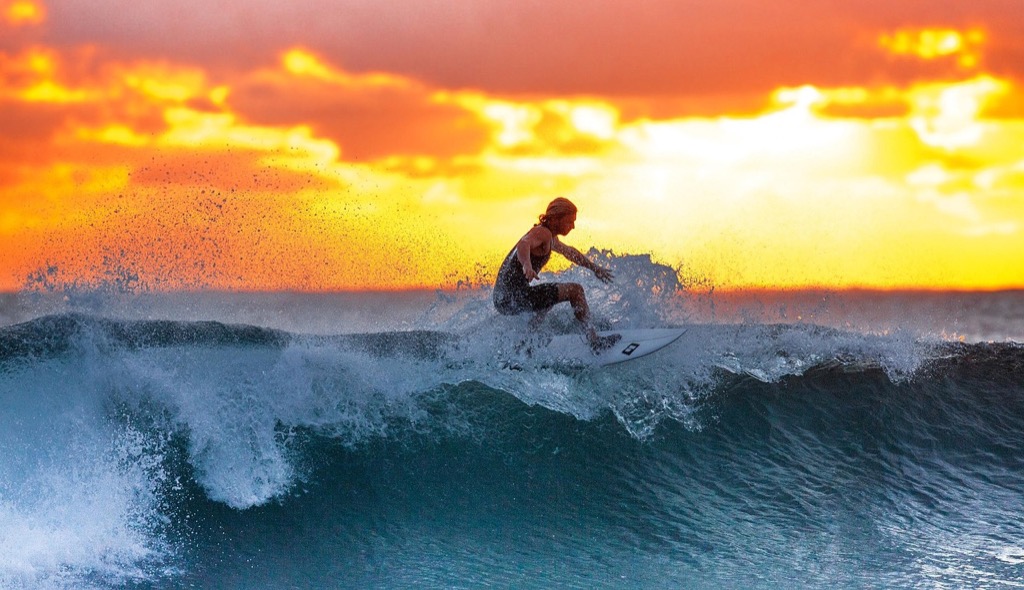
7 Best Surfing Times for Uncrowded Waves
Discover the best times to surf crowded beaches! From dawn patrol to winter sessions, learn strategic timing tips to avoid crowds and score perfect waves solo.
Why it matters: Finding the perfect wave at crowded beaches doesn’t have to mean battling hordes of surfers for the same break. You can score epic sessions by timing your surf sessions strategically around crowd patterns and optimal conditions.
The bottom line: Smart surfers know that timing beats talent when it comes to crowded lineups — and these seven strategic windows will transform your surfing experience from frustrating to fantastic.
Disclosure: As an Amazon Associate, this site earns from qualifying purchases. Thank you!
Early Morning Dawn Patrol (5:30-7:00 AM)
Dawn patrol sessions offer the most strategic window for surfing crowded beaches. You’ll catch the waves at their purest state while the beach remains largely deserted.
Fewer Beachgoers and Swimmers
Beach crowds don’t materialize until 8:00 AM on weekdays and 9:00 AM on weekends. You’ll have nearly exclusive access to prime surf spots during this golden hour. Lifeguards haven’t started their shifts yet, so you won’t compete with designated swimming areas or deal with recreational swimmers wandering into the lineup.
Optimal Wind Conditions
Morning winds typically blow offshore or remain completely still before 7:00 AM. Thermal winds that create choppy, blown-out conditions don’t develop until the sun heats the land. This offshore flow grooms wave faces perfectly, creating clean barrel opportunities that disappear once onshore winds kick in around mid-morning.
Better Wave Quality
Overnight swells arrive unaffected by daytime wind chop and boat traffic. Wave faces remain glassy and organized during dawn sessions, offering the cleanest rides of the day. You’ll experience waves in their most natural state before wind texture and human activity degrade surf quality throughout the morning hours.
Late Evening Sessions (6:00-8:00 PM)
Evening sessions offer a perfect counterpoint to dawn patrol, delivering quality waves as the beach crowd naturally thins. You’ll find consistent conditions paired with stunning lighting that makes every ride memorable.
Post-Work Crowd Departure
Beach crowds begin their exodus around 6:00 PM as families pack up and day visitors head home. You’ll notice the water clearing significantly between 6:30-7:00 PM when swimmers and casual beachgoers retreat to dinner plans. This creates prime surfing real estate with minimal interference from non-surfers in the lineup.
Golden Hour Lighting
Golden hour transforms your evening session into something magical between 6:30-7:30 PM during summer months. The warm, angled light creates perfect photography conditions while reducing harsh glare on the water. You’ll experience enhanced visibility for reading waves and spotting other surfers in the lineup during these optimal lighting conditions.
Consistent Offshore Winds
Evening offshore winds typically develop as land temperatures cool faster than ocean temperatures. You’ll find these thermal winds create clean wave faces and hold up breaking waves longer than midday sessions. The consistent 5-10 knot offshore breeze during evening hours provides ideal conditions for both longboarding and shortboarding without the gusty patterns common during afternoon sessions.
Weekday Mid-Morning Hours (9:00-11:00 AM)
Mid-morning weekday sessions offer a unique sweet spot that many surfers overlook. You’ll find conditions that combine the stability of established weather patterns with significantly reduced crowds.
School and Work Schedule Advantage
Weekday mid-morning hours capitalize on traditional schedules that keep most people away from beaches. Schools are in session and offices are at peak productivity between 9:00-11:00 AM, creating natural crowd barriers that recreational surfers rarely encounter on weekends. You’ll have access to prime breaks without competing against the typical beach traffic that builds throughout the day.
Tourist Crowd Avoidance
Tourist activity remains minimal during weekday mid-morning sessions since most visitors follow predictable patterns. Hotels typically schedule late checkouts around 11:00 AM, keeping guests occupied with departure logistics rather than beach activities. You’ll surf before tour groups arrive and day-trippers make their way from inland accommodations to coastal destinations.
Stable Weather Patterns
Weather conditions stabilize during mid-morning hours as atmospheric pressure systems settle into predictable daily patterns. Offshore winds that developed overnight maintain their strength without the thermal disruptions that occur later in the day. You’ll experience consistent wave faces and manageable wind conditions before afternoon sea breezes create choppy surface textures.
Off-Season Winter Months
Winter transforms crowded beaches into serene surfing sanctuaries. You’ll discover fewer people and more waves during these colder months.
Reduced Beach Tourism
Winter beaches empty dramatically as tourists retreat to warmer destinations. You’ll find parking spots that disappear completely during summer peak season.
Popular beach towns that host thousands of visitors in July become ghost towns by December. Restaurants close early and boardwalks sit nearly vacant, leaving prime surf breaks exclusively for dedicated wave riders.
Dedicated Surfer Community
Winter surfing attracts only the most committed wave enthusiasts. You’ll surf alongside locals who’ve spent decades reading these breaks.
This tight-knit community shares wave knowledge freely and respects proper lineup etiquette. Conversations flow easily between sets, creating connections that extend beyond individual sessions into year-round surfing partnerships.
Powerful Storm Swells
Winter storms generate the most consistent and powerful wave energy of the year. You’ll experience swells that travel thousands of miles with minimal interference.
North Pacific and North Atlantic storms create groundswells that arrive with 12-18 second intervals. These long-period waves break with significantly more power and shape than summer wind swells, delivering rides that justify cold water endurance.
Overcast and Cooler Days
Gray skies and dropping temperatures naturally thin beach crowds. Most people associate surfing with sunny, warm days and avoid the water when clouds roll in.
Natural Crowd Deterrent
Overcast conditions keep fair-weather beachgoers away from the shoreline. You’ll find parking spots available and beach access clear when temperatures drop below 70°F. Families typically pack up their gear once clouds block the sun, leaving prime surf breaks wide open. Tourist activity plummets during cooler weather patterns, creating exclusive access to spots that’d normally require aggressive positioning.
Comfortable Surfing Conditions
Cooler air temperatures create ideal thermal conditions for active surfing. You won’t overheat in your wetsuit when ambient temperatures hover between 60-68°F. Cloud cover eliminates harsh sun glare that makes wave reading difficult during bright conditions. Your energy levels stay consistent without battling heat exhaustion that occurs during scorching summer sessions.
Less Competition for Waves
Wave count per surfer increases dramatically when crowds disappear. You’ll catch 3-4 times more waves during overcast sessions compared to sunny weekend peaks. Lineup positioning becomes less aggressive since dedicated surfers understand proper etiquette and share waves respectfully. Prime surf spots transform from combat zones into collaborative environments where you can focus purely on wave selection and technique improvement.
Post-Storm Recovery Periods
Post-storm recovery periods offer unique surfing opportunities that smart wave riders capitalize on. These windows combine optimal wave conditions with dramatically reduced beach populations.
Cleared Beach Conditions
Storms naturally clear beaches of debris, seaweed, and accumulated sand that typically clogs popular surf breaks. You’ll find cleaner water with improved visibility for spotting incoming sets and underwater hazards. Beach access becomes significantly easier with fewer umbrellas, chairs, and beachgoers blocking prime entry points to the surf zone.
Enhanced Wave Energy
Storm systems generate powerful, long-period swells that arrive 12-24 hours after the weather clears. You’ll experience waves with more consistent shape and energy compared to typical wind-generated surf. The organized wave trains create better ride opportunities with increased power and longer, more workable faces for advanced maneuvers.
Temporary Tourist Reduction
Weather-sensitive beachgoers typically avoid the water for 1-2 days following storms, fearing lingering rough conditions. You’ll benefit from reduced parking competition and empty lineups while conditions actually improve rapidly. Local hotels and vacation rentals often experience temporary cancellations, creating a ghost-town effect that dedicated surfers can exploit.
Holiday and Event Weekends (Strategic Timing)
Holiday weekends present unique opportunities for crowded beach surfers who understand reverse psychology. While most people flood beaches during peak celebrations, smart timing reveals hidden windows of opportunity.
Early Morning Before Events
Start your surf session at 6:00 AM on holiday mornings before festivities begin. Most beachgoers sleep in after late-night celebrations or prepare for afternoon barbecues and gatherings. This creates a 2-3 hour window where popular surf breaks remain virtually empty despite being holiday weekends. You’ll score clean waves while others nurse hangovers or shop for party supplies.
During Major Sporting Events
Surf during major sporting broadcasts like Super Bowl Sunday or World Cup finals. Beach crowds disappear when millions tune in to watch games, creating unexpected empty lineups at typically packed surf spots. Championship games pull 90% of potential beachgoers indoors, giving you premium access to waves that would normally require aggressive positioning and wave-sharing negotiations.
Alternative Beach Selection
Target secondary surf breaks during holiday weekends instead of competing at famous spots. Popular beaches like Malibu or Huntington draw massive crowds, but lesser-known breaks 10-15 miles away remain surprisingly accessible. Local surfers often reveal hidden gems during casual conversations, and these spots frequently offer better wave quality without the holiday chaos and parking nightmares.
Conclusion
Mastering the art of timing transforms your surfing experience from frustrating crowd battles into serene wave-riding sessions. You’ll discover that the ocean’s best offerings aren’t reserved for the most skilled surfers but for those who understand when to paddle out.
Your commitment to strategic timing pays dividends beyond just catching more waves. You’ll develop stronger connections with dedicated surfers who share your passion for optimal conditions while avoiding the chaos that drives many people away from the sport.
The seven timing strategies outlined above aren’t just suggestions—they’re your roadmap to consistent quality sessions. Whether you’re chasing dawn patrol perfection or capitalizing on post-storm swells you now have the knowledge to make every surf count.
Remember that patience and planning separate weekend warriors from true wave riders. Your willingness to adapt your schedule around natural rhythms and crowd patterns will reward you with the kind of surfing sessions that remind you why you fell in love with the ocean in the first place.
Frequently Asked Questions
What is the best time to surf to avoid crowds?
Early morning dawn patrol (5:30-7:00 AM) offers the best opportunity for uncrowded waves. The beach is largely deserted, allowing access to prime surf spots without competing with beachgoers. Morning winds are typically offshore or calm, creating ideal wave conditions before the sun generates choppy waters.
Why is late evening surfing recommended?
Late evening sessions (6:00-8:00 PM) provide consistent conditions as beach crowds thin out. The water clears significantly between 6:30-7:00 PM, creating prime surfing real estate. Golden hour lighting enhances the experience while evening offshore winds create clean wave faces ideal for both longboarding and shortboarding.
Are weekday mornings good for surfing?
Weekday mid-morning hours (9:00-11:00 AM) are an overlooked sweet spot. Traditional school and work schedules keep most people away from beaches, allowing access to prime breaks without weekend crowds. Tourist activity is minimal, and weather conditions stabilize with consistent offshore winds.
Is winter surfing worth the cold water?
Winter transforms crowded beaches into serene surfing sanctuaries with fewer people and more waves. Popular beach towns become less crowded as tourists retreat, providing exclusive access to prime breaks. Winter storms generate the most consistent and powerful wave energy of the year.
Should I surf on overcast days?
Overcast and cooler days naturally thin beach crowds since many people associate surfing with sunny weather. This creates opportunities for available parking and clear beach access. Cooler temperatures provide ideal thermal conditions, preventing overheating in wetsuits and eliminating harsh sun glare.
When should I surf after storms?
Post-storm recovery periods offer optimal wave conditions with reduced beach populations. Storm systems generate powerful, long-period swells arriving 12-24 hours after weather clears. Weather-sensitive beachgoers typically avoid water for 1-2 days following storms, resulting in empty lineups and reduced parking competition.
Can holiday weekends provide good surfing opportunities?
Early morning sessions (6:00 AM) on holiday mornings provide 2-3 hour windows of uncrowded waves as beachgoers sleep in. Surfing during major sporting events like the Super Bowl can lead to unexpectedly empty lineups. Target lesser-known surf breaks during holiday weekends to avoid popular beach chaos.
Does timing really matter more than surfing skill?
Smart surfers prioritize timing over skill to enhance their surfing experience. Strategic planning allows surfers to avoid crowds and take advantage of optimal conditions. By choosing the right windows, surfers can access better waves with less competition, making sessions more enjoyable regardless of skill level.
