7 Smart Drainage Solutions for Poolside Gatherings That Every Parent Should Know
Discover 7 smart drainage solutions to eliminate poolside standing water. From French drains to rain gardens, protect your deck and guests from water hazards.
Why it matters: Standing water around your pool deck transforms fun gatherings into slip-and-fall hazards while creating breeding grounds for mosquitoes and damaging your outdoor surfaces.
The bottom line: Smart drainage systems protect your investment and keep guests safe without breaking the bank.
What’s next: From simple DIY fixes to professional-grade solutions you’ll discover seven proven drainage strategies that eliminate poolside water problems for good.
Disclosure: As an Amazon Associate, this site earns from qualifying purchases. Thank you!
Install French Drains Around Pool Perimeter
Protect your foundation with the NAACOO downspout extension. This low-profile catch basin with a flexible, shapeable pipe extends up to 8ft to divert rainwater, preventing water damage and erosion.

French drains create an underground water highway that intercepts poolside runoff before it becomes a problem. You’ll position these perforated pipe systems in trenches filled with gravel to capture and redirect water away from your entertaining areas.
Position Drains at Strategic Low Points
Identify natural water collection areas where puddles consistently form after rain or pool splashing. Install your French drain trenches 18-24 inches from the pool deck edge at these low points. You’ll want to create a continuous drainage path that follows the natural slope of your yard toward an appropriate outlet point.
Choose Proper Gravel and Pipe Materials
Select 4-inch perforated PVC pipe wrapped in landscape fabric to prevent soil infiltration while allowing water flow. Surround the pipe with 3/4-inch crushed stone or pea gravel for optimal drainage performance. You’ll need clean gravel without fine particles that could clog the system over time and reduce effectiveness.
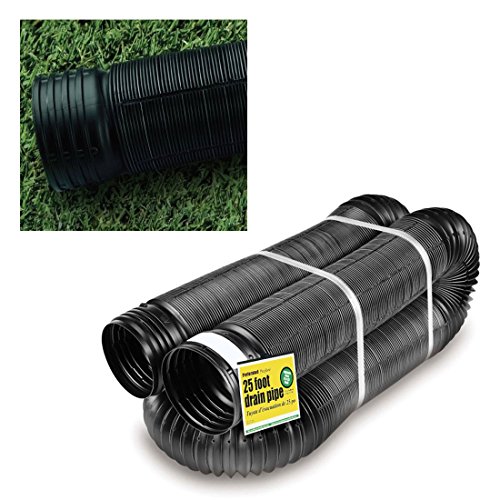
Drain excess groundwater with this flexible, perforated pipe. It expands from 6 to 25 feet and easily connects to standard 3" and 4" corrugated or 4" PVC pipe, simplifying landscape drainage projects.
Connect to Main Drainage System
Route your French drain to existing storm drains or create a daylight outlet where water can safely discharge away from structures. Connect multiple drain runs with solid PVC pipe and appropriate fittings to ensure proper water flow. You’ll avoid drainage conflicts by checking local codes before connecting to municipal storm systems.
Create Permeable Paving for Pool Deck Areas
Permeable paving transforms your poolside drainage challenges by allowing water to flow directly through the surface material rather than pooling on top. This approach eliminates standing water at the source while maintaining an attractive, functional deck area.
Select Porous Concrete or Permeable Pavers
Create stable and eco-friendly surfaces with HexPave permeable pavers. Made from 100% recycled plastic, these grids handle up to 27,000 lbs and are perfect for driveways, patios, and walkways.

Porous concrete offers excellent drainage capacity with flow rates of 3-5 gallons per minute per square foot. It’s best suited for level pool decks where consistent water infiltration is your primary goal.
Permeable pavers provide superior durability and easier maintenance access. Choose interlocking concrete pavers with 3/8-inch gaps or specialized porous pavers that allow direct water penetration through the material itself.
Ensure Proper Base Layer Installation
Install a 6-inch base layer of clean, angular gravel (3/4-inch minus) to support the permeable surface. This foundation layer must slope away from the pool at a minimum 1% grade to direct subsurface water flow.
Add a 2-inch bedding layer of smaller aggregate (3/8-inch chip) directly beneath the paving material. This creates the critical interface that prevents surface material migration while maintaining optimal water infiltration rates.
Maintain Drainage Efficiency Over Time
Vacuum cleaning your permeable surfaces quarterly prevents debris buildup that blocks water flow. Use a specialized vacuum designed for porous materials or a standard shop vacuum with reduced suction.
This 6-gallon Stanley wet/dry vacuum tackles tough cleanup jobs with its powerful 4-horsepower motor. Easily switch between vacuuming liquids, dry debris, or blowing leaves with its versatile 3-in-1 design and included accessories.

Joint material replacement becomes necessary every 2-3 years for permeable pavers. Remove old joint sand and install new permeable joint material to restore optimal drainage performance and prevent weed growth between pavers.
Build Channel Drains Near High-Traffic Zones
Effectively manage water runoff with this durable trench drain system. Featuring easy interlocking installation, multiple outlet options, and a detachable grate for simple cleaning, it's ideal for various outdoor and indoor applications.

Channel drains transform high-traffic poolside areas by creating continuous water removal systems that prevent dangerous puddles where guests walk most frequently.
Install Linear Drains Along Pool Edge
This 24-inch linear shower drain efficiently removes water with its internal slope and high flow rate. Made of rust-resistant 304 stainless steel, it features a tile-insert grate for a seamless look and a hair strainer for easy cleaning.

Position linear drains 2-3 feet from your pool’s edge to capture splash water before it spreads across walking surfaces. You’ll want 6-inch wide channels with a minimum 1% slope toward your drainage outlet. Install these drains parallel to the pool’s longest sides where most foot traffic occurs during parties and gatherings.
Select Decorative Grate Options
Choose grates that complement your pool deck’s style while ensuring safety for bare feet. Stainless steel grates offer durability and slip resistance, while cast iron provides a classic look with excellent strength. Select grate patterns with openings no larger than 3/8 inch to prevent high heels from catching during evening events.
Connect to Underground Drainage Network
Connect your channel drains to existing storm drains or create dedicated discharge points away from your pool area. Use 4-inch PVC pipe with proper joints and maintain consistent slopes throughout your underground network. Install cleanout access points every 50 feet to ensure you can clear blockages from leaves and debris after heavy use.
Design Graded Slopes Away From Pool Area
Creating proper grade around your pool area directs water away from gathering spots and prevents pooling issues before they start. Strategic slope design works with gravity to move water naturally toward your drainage systems.
Calculate Optimal Slope Percentages
Establish a 2% grade minimum moving away from your pool deck to ensure consistent water movement. This translates to a 2-inch drop for every 10 feet of distance from the pool edge.
Measure existing slopes using a 4-foot level and adjust areas that don’t meet this standard. Steeper slopes up to 5% work well for areas with heavy runoff.
Reshape Landscape for Natural Water Flow
Contour your poolside landscape to create gentle swales that channel water toward drainage outlets or planted areas. These natural depressions collect and direct runoff without creating erosion problems.
Build up soil around seating areas and walkways while creating lower pathways for water flow. Use the excavated material to raise problem zones.
Prevent Water Accumulation Near Seating Areas
Position outdoor furniture and built-in seating on the highest points of your graded landscape to keep guests dry during gatherings. Create micro-slopes around these zones that direct water away from foot traffic areas.
Install stepping stones or walkways with proper drainage underneath to maintain dry access routes. Keep furniture placement flexible to accommodate seasonal drainage patterns.
Integrate Rain Gardens for Natural Water Management
Rain gardens transform problematic drainage areas into beautiful landscape features that naturally absorb poolside runoff. You’ll create sustainable water management while adding visual appeal to your outdoor space.
Select Native Plants for Water Absorption
Choose plants that thrive in both wet and dry conditions since rain gardens experience water fluctuations. Native sedges like Pennsylvania sedge and buffalo grass establish deep root systems that absorb significant water volumes.
Plant water-loving perennials such as cardinal flower and blue flag iris in the garden’s center where water collects most. These species handle temporary flooding while creating stunning seasonal displays around your pool area.
Position Gardens in Natural Low Spots
Locate rain gardens 10-15 feet from your pool deck in areas where water naturally flows and settles. You’ll intercept runoff before it reaches hardscaped surfaces while maintaining safe distances from pool equipment.
Take advantage of existing slopes that direct water toward your property’s edges or storm drains. Position gardens along these natural drainage paths to capture and filter water before it exits your landscape.
Create Attractive Landscaping Features
Design gardens with varying depths from 4-8 inches to create visual interest while accommodating different plant types. Shallow edges with ornamental grasses transition beautifully into deeper centers with moisture-loving shrubs.
Add decorative river rock borders and stepping stone paths that complement your pool’s hardscaping materials. You’ll create cohesive design elements that enhance your poolside aesthetics while serving practical drainage functions.
Install Automatic Pool Deck Drainage Systems
Smart drainage technology takes poolside water management to the next level. These systems respond automatically to changing conditions, protecting your deck even when you’re not around.
Choose Smart Sensor Technology
Moisture sensors placed at strategic deck locations trigger drainage systems when water levels exceed safe thresholds. You’ll get precise activation at 1/8-inch water depth, preventing both false triggers and delayed response. These weatherproof sensors connect wirelessly to your main control unit, creating a responsive network that monitors multiple zones simultaneously.
Set Up Programmable Pump Systems
Variable-speed pumps adjust their output based on real-time water volume, moving 50-150 gallons per minute depending on conditions. You can program different pump speeds for light splash versus heavy rainfall scenarios. These systems integrate with existing pool equipment, drawing power from your main electrical panel while maintaining separate control circuits for safety.
Monitor Water Levels Remotely
Smartphone apps provide real-time drainage status and historical water accumulation data from anywhere. You’ll receive instant alerts when sensors detect excessive moisture or when pump systems activate during storms. Remote monitoring also tracks system performance, scheduling maintenance reminders and identifying potential issues before they become expensive problems.
Implement Catch Basin Solutions for Large Areas
Catch basins provide the heavy-duty drainage power you need when dealing with expansive poolside entertaining spaces. These underground collection systems handle large water volumes efficiently while maintaining the clean aesthetics of your outdoor area.
Position Basins at Drainage Collection Points
Install catch basins at natural low points where water naturally flows during heavy rainfall or pool activities. Place them 15-20 feet from your pool deck in areas where runoff converges from multiple directions. Position additional basins along property boundaries where neighboring water enters your space, creating a comprehensive collection network that prevents overflow issues.
Size Basins for Expected Water Volume
Choose 24-inch diameter basins for moderate drainage needs covering up to 2,000 square feet of poolside area. Upgrade to 36-inch systems for larger properties exceeding 3,000 square feet or areas with heavy runoff patterns. Calculate one cubic foot of basin capacity per 100 square feet of contributing drainage area to ensure adequate storm water management during peak conditions.
Regular Maintenance and Cleaning Schedule
Inspect and clean catch basins monthly during swimming season to prevent debris buildup that reduces drainage capacity. Remove leaves, pool chemicals, and sediment quarterly using a wet vacuum or professional cleaning service. Schedule annual professional maintenance including inlet and outlet pipe inspection to ensure your drainage system operates at maximum efficiency throughout peak entertaining periods.
Conclusion
These seven drainage solutions provide you with comprehensive options to transform your poolside area into a safe and enjoyable space. Whether you choose simple grading adjustments or invest in smart automated systems your guests will appreciate dry surfaces and reduced safety hazards.
The key to success lies in selecting the right combination of solutions for your specific pool environment. You don’t need to implement every strategy at once – start with the most critical problem areas and expand your drainage network over time.
Remember that proper drainage isn’t just about immediate water removal – it’s an investment in your property’s long-term value and your family’s safety. With these proven strategies you’ll create a poolside paradise that remains functional and beautiful regardless of weather conditions.
Frequently Asked Questions
What causes standing water around pool decks?
Standing water around pool decks typically results from poor drainage design, inadequate grading, and natural water collection in low-lying areas. Splash water from swimming activities, rainfall, and improper slope direction away from the pool can create persistent puddles that pose safety risks and attract mosquitoes.
How do French drains work for pool drainage?
French drains create an underground water pathway using perforated PVC pipes surrounded by gravel. Positioned 18-24 inches from the pool deck edge, they intercept water runoff at strategic low points and redirect it to storm drains or daylight outlets, preventing surface water accumulation.
What are the benefits of permeable paving around pools?
Permeable paving allows water to flow through the surface material, eliminating standing water completely. Options like porous concrete and permeable pavers provide excellent drainage capacity while reducing maintenance needs and creating safer walking surfaces around the pool area.
Where should channel drains be installed around pools?
Channel drains should be installed 2-3 feet from the pool’s edge in high-traffic zones. These linear drains capture splash water effectively and should be sloped toward drainage outlets with 6-inch wide channels to ensure continuous water removal and prevent puddle formation.
What slope is needed for proper pool deck drainage?
A minimum 2% grade is required for effective drainage, meaning a 2-inch drop for every 10 feet from the pool edge. This slope directs water away from the pool area and prevents pooling issues while maintaining safe walking conditions for guests.
How do rain gardens help with pool drainage?
Rain gardens use native plants to naturally absorb runoff water while enhancing landscape appeal. Positioned 10-15 feet from the pool deck in natural low spots, they intercept water before it reaches hardscaped areas and provide an eco-friendly drainage solution with decorative benefits.
What are automatic pool deck drainage systems?
Automatic drainage systems use smart technology including moisture sensors and programmable pumps to manage water levels. These systems activate when water exceeds safe thresholds and can be monitored remotely through smartphone apps for real-time status updates and maintenance alerts.
How often should catch basins be maintained?
Catch basins require monthly inspections during swimming season and quarterly deep cleanings to ensure optimal performance. Regular maintenance includes removing debris, checking water flow, and ensuring proper connection to the main drainage network for effective water volume management.