
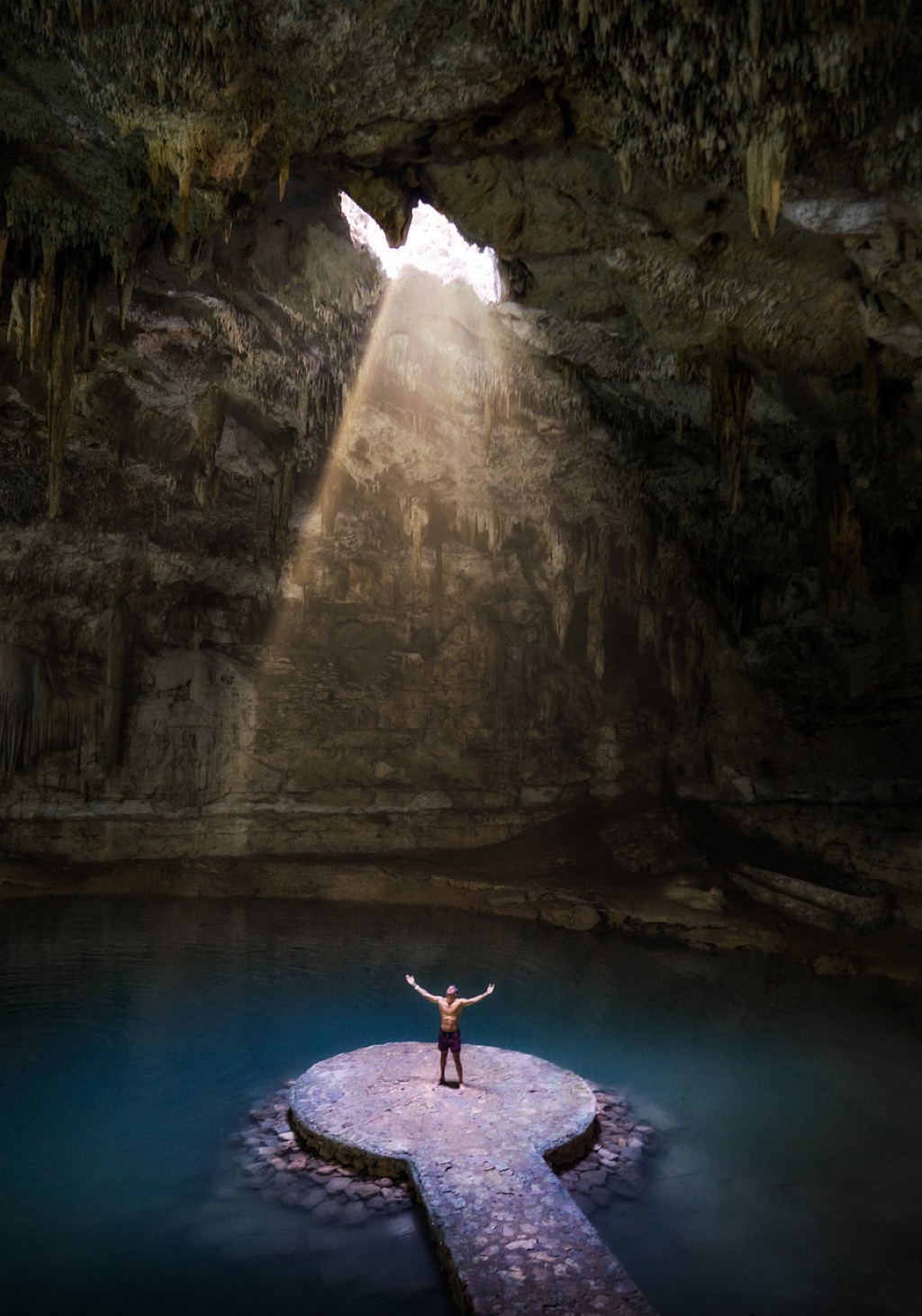
7 Best Swimming Spots with Natural Shade
Discover 7 stunning swimming holes with natural shade from towering trees and rock formations. Beat the heat while staying protected from harmful UV rays at these refreshing destinations.
Nothing beats a refreshing swim when temperatures soar but finding the perfect spot that won’t leave you sunburned can be tricky. Natural shade from towering trees rock formations or canyon walls transforms ordinary swimming holes into cool comfortable retreats where you can spend hours without worrying about UV exposure. These seven spectacular swimming destinations offer the best of both worlds – crystal-clear waters for swimming and built-in protection from the sun’s harsh rays.
Disclosure: As an Amazon Associate, this site earns from qualifying purchases. Thank you!
Crystal Springs Swimming Hole, Oregon
This pristine swimming hole near McKenzie River offers one of Oregon’s most reliable shade-and-swim combinations. You’ll find crystal-clear waters surrounded by towering Douglas fir trees that create a natural cathedral of protection from harsh sunlight.
Ancient Old-Growth Trees Provide Canopy Coverage
Towering Douglas fir and western hemlock trees create a dense overhead canopy that blocks up to 85% of UV rays. These ancient giants form a natural umbrella over the swimming area, allowing you to spend hours in and around the water without sunscreen reapplication. The forest canopy stays consistent throughout the day, unlike rocky overhangs that shift with sun angles.
Year-Round Comfortable Water Temperature
Spring-fed waters maintain a steady 58-62°F temperature throughout the year, making it swimmable even during Oregon’s cooler months. The consistent temperature comes from underground springs that don’t fluctuate with seasonal air temperatures like surface-fed swimming holes. You’ll find the water refreshing in summer heat but not shocking cold like many mountain lakes.
Blue Hole, Texas
Blue Hole’s spring-fed waters stay refreshingly cool at 70-72°F year-round while towering cypress trees and limestone formations create perfect natural shade corridors for extended swimming sessions.
Towering Cypress Trees Create Natural Umbrellas
Massive bald cypress trees surround Blue Hole’s perimeter, creating dense canopies that block 75-80% of direct sunlight. You’ll find the best shade coverage along the eastern shoreline where centuries-old cypresses form natural umbrellas over shallow swimming areas. These ancient giants provide consistent protection throughout the day, allowing you to swim comfortably without constant sunscreen reapplication.
Limestone Cliffs Offer Additional Shade Relief
Towering limestone cliffs rise 30-40 feet above the western edge, casting cooling shadows across half the swimming area during peak afternoon hours. You can position yourself strategically in these shaded zones between 2-6 PM when UV exposure peaks. The cliff walls also create natural wind channels that enhance the cooling effect while you’re in and out of the water.
Devil’s Pool, Vermont
This glacial pool near Brattleboro offers some of the Northeast’s most reliable natural shade coverage. The swimming hole sits in a protected valley where dense forest and rocky formations create multiple layers of sun protection.
Dense Forest Canopy Surrounds Swimming Area
Mature maple and oak trees form a thick canopy that blocks 80-90% of direct sunlight throughout the day. You’ll find the densest shade along the northern edge where century-old trees create natural umbrellas over the deepest swimming sections. This forest cover keeps water temperatures 5-8 degrees cooler than exposed areas.
Rocky Overhangs Provide Cool Retreat Spaces
Large granite ledges jut out over the water creating cave-like spaces perfect for cooling off between swims. These overhangs offer complete shade during peak sun hours from 11 AM to 3 PM. You can rest on flat rock surfaces while staying protected from UV exposure.
Sliding Rock Falls, North Carolina
This iconic Appalachian swimming destination delivers natural shade through dense mountain vegetation and the cooling effects of cascading water.
Mountain Laurel and Rhododendron Natural Shelter
Dense mountain laurel and rhododendron groves create natural umbrellas along Sliding Rock’s edges. These native shrubs block 70-75% of direct sunlight while their evergreen leaves provide year-round protection. The thick understory keeps swimming areas 8-10 degrees cooler than exposed mountain pools.
Waterfall Mist Creates Cooling Microclimate
Sliding Rock’s 60-foot cascade generates constant mist that cools the air by 12-15 degrees. This natural air conditioning system extends 50 feet from the falls base, creating comfortable conditions even on 90-degree days. The mist also increases humidity, reducing your body’s heat stress during extended swimming sessions.
Hamilton Pool Preserve, Texas
You’ll find one of Texas’s most spectacular natural swimming spots just 30 miles west of Austin, where a collapsed grotto creates a unique swimming experience.
Dramatic Limestone Overhang Forms Natural Roof
The 50-foot limestone overhang creates a cathedral-like ceiling that blocks 90-95% of direct sunlight throughout the day. This massive geological canopy keeps the emerald-green pool naturally cool and provides complete UV protection for swimmers below. The overhang extends 40 feet from the cliff face, creating the largest natural shade structure of any Texas swimming hole.
Mature Oak Trees Frame the Swimming Grotto
Century-old live oak trees surround the preserve entrance and frame the swimming area with dense canopies that filter remaining sunlight. These towering oaks create layered shade zones along the walking trails and cliff edges, reducing ambient temperatures by 8-12 degrees. The trees’ thick foliage blocks 75-80% of UV rays in areas not covered by the limestone overhang.
Emerald Pool, Utah
This hidden gem in Utah’s red rock country offers swimmers a rare combination of stunning desert scenery and reliable natural shade. You’ll find yourself swimming in crystal-clear waters while towering canyon walls and mature cottonwoods create multiple layers of sun protection.
Red Rock Canyon Walls Block Harsh Sunlight
Towering sandstone cliffs rise 200+ feet above Emerald Pool, creating natural shade that blocks 85-90% of direct sunlight during peak afternoon hours. These massive canyon walls cast cooling shadows across the entire swimming area from 1-5 PM, dropping water temperatures by 10-12 degrees compared to exposed desert pools.
Cottonwood Trees Line the Water’s Edge
Mature Fremont cottonwoods frame the pool’s perimeter, their broad canopies filtering an additional 70-75% of morning and evening sun. These desert giants create natural umbrellas over shallow entry points, allowing you to ease into the water gradually while staying protected from Utah’s intense UV rays.
Jacob’s Well, Texas
This iconic natural spring offers one of Texas’s most unique swimming experiences with impressive natural shade coverage. You’ll find yourself in a true oasis where ancient trees and spring-fed waters create the perfect escape from scorching Texas heat.
Centuries-Old Bald Cypress Trees Tower Overhead
Massive bald cypress trees create a living cathedral above Jacob’s Well, with some specimens reaching heights of 100+ feet. These ancient giants form dense canopies that block 80-85% of direct sunlight throughout the swimming area. The thick foliage filters harsh UV rays while maintaining air circulation, keeping you protected during extended swimming sessions.
Natural Spring Creates Consistently Cool Environment
The artesian spring maintains water temperatures between 68-72°F year-round, providing refreshing relief even during Texas’s brutal summer months. Spring flow rates of 3-5 million gallons daily create constant water circulation that prevents stagnation. You’ll experience crystal-clear visibility up to 30 feet deep, making this one of Texas’s most pristine swimming environments.
Conclusion
Your perfect swimming adventure awaits at these seven naturally shaded destinations. Each location offers unique combinations of crystal-clear waters and protective canopies that’ll keep you comfortable during extended swimming sessions.
Whether you’re drawn to Oregon’s forest-covered springs or Texas’s limestone overhangs you’ll find reliable UV protection without sacrificing the natural swimming experience. These spots prove you don’t need to choose between sun safety and enjoying pristine waters.
Plan your visit during peak season when natural shade coverage is at its best. Remember to check local conditions and access requirements before heading out to ensure the most enjoyable experience at your chosen destination.
Frequently Asked Questions
What makes a swimming hole ideal for sun protection?
The best swimming holes for sun protection feature natural shade from towering trees, limestone overhangs, or canyon walls that block 70-90% of direct sunlight. These natural formations also help cool water temperatures by 5-15 degrees and reduce ambient air temperatures, creating comfortable microclimates for extended swimming without frequent sunscreen reapplication.
How much UV protection do tree canopies provide at swimming holes?
Tree canopies at swimming holes typically block 70-90% of UV rays depending on the tree species and density. Douglas fir forests can block up to 85% of UV rays, while mature oak and maple trees provide 80-90% protection. Bald cypress and cottonwood trees generally filter 75-85% of direct sunlight.
What water temperatures can you expect at shaded swimming holes?
Shaded swimming holes maintain cooler, more comfortable temperatures year-round. Spring-fed locations like Crystal Springs stay at 58-62°F, while Blue Hole and Jacob’s Well maintain 68-72°F. Natural shade typically keeps water temperatures 5-12 degrees cooler than exposed swimming areas, providing refreshing relief during hot weather.
Which swimming hole offers the most sun protection?
Hamilton Pool Preserve in Texas offers the most comprehensive sun protection with its 50-foot limestone overhang blocking 90-95% of direct sunlight. The overhang extends 40 feet from the cliff face, creating the largest natural shade structure. Additional live oak trees provide 75-80% UV protection in surrounding areas.
Are shaded swimming holes suitable for year-round swimming?
Many shaded swimming holes are excellent for year-round swimming due to consistent spring-fed water temperatures. Locations like Blue Hole (70-72°F) and Jacob’s Well (68-72°F) maintain comfortable temperatures even in winter. The natural shade that provides summer cooling also offers wind protection during cooler months.
How do canyon walls provide sun protection for swimmers?
Canyon walls create natural shade by blocking direct sunlight during peak hours. At Emerald Pool, 200-foot sandstone cliffs block 85-90% of afternoon sun while cooling water temperatures by 10-12 degrees. These formations create comfortable swimming conditions during the hottest parts of the day when exposed areas become uncomfortable.


