6 Ways to Create Shade at the Beach That Every Parent Should Know
Discover 6 practical ways to create perfect beach shade! From classic umbrellas to DIY solutions, learn how to stay cool and protected from harmful UV rays.
The big picture: You’re planning the perfect beach day but dreading the scorching sun that’ll turn your relaxation into a sunburn nightmare.
Why it matters: Creating effective shade isn’t just about comfort — it’s essential for protecting your skin from harmful UV rays and preventing heat exhaustion during those long summer beach sessions.
What’s next: From portable pop-up tents to DIY solutions you probably haven’t considered, we’ll show you six proven methods that’ll keep you cool and protected without breaking the bank or requiring a engineering degree to set up.
Disclosure: As an Amazon Associate, this site earns from qualifying purchases. Thank you!
Beach Umbrellas: The Classic Portable Shade Solution
Stay dry with the Tumella umbrella, featuring a windproof, double-canopy design tested to withstand 70+ mph winds. Its automatic open/close function and compact, lightweight build make it perfect for travel.

Beach umbrellas remain the go-to shade solution for most beachgoers because they’re lightweight, affordable, and provide instant relief from the sun. You’ll find them everywhere from crowded boardwalks to remote stretches of sand.
Choosing the Right Size and UV Protection
Size matters more than you think when selecting your beach umbrella. A 6-foot umbrella covers one person comfortably, while 8-10 foot models accommodate families of four. Look for UPF 50+ fabric rating to block 98% of harmful UV rays – many cheap umbrellas only filter 50-70% of sun exposure.
Proper Setup Techniques for Windy Conditions
Wind turns beach umbrellas into dangerous projectiles if you don’t anchor them properly. Twist the pole at least 18 inches deep into sand, angling it slightly toward prevailing winds. Use sandbags or umbrella anchors on windy days – I’ve seen too many umbrellas become missiles during sudden gusts.
Best Materials for Durability and Sun Protection
Get powerful sun protection with Neutrogena Ultra Sheer SPF 70. This lightweight, non-greasy formula absorbs quickly, leaving a clean, matte finish while shielding skin from UVA/UVB rays.

Polyester fabric with silver backing outperforms cotton for both UV protection and longevity. Aluminum poles resist rust better than steel, while fiberglass ribs bend without breaking in strong winds. Avoid umbrellas with wooden handles – they crack after repeated saltwater exposure and temperature changes.
Pop-Up Beach Tents: Quick and Easy Shelter Options
Enjoy sun protection and spacious comfort with this lightweight beach tent. It features UPF 50+ UV protection, easy setup, and a portable design for 3-4 people.

Pop-up beach tents offer superior coverage compared to traditional umbrellas while setting up in under 30 seconds. You’ll get instant protection for your entire family without wrestling with complicated assembly instructions.
Instant Setup Benefits for Families
Pop-up tents deploy automatically when you release the carrying straps, creating instant shade for 4-6 people. You won’t need to coordinate multiple family members to hold poles or struggle with wind resistance during setup. Most models spring into their full 8×8 foot configuration within seconds, giving you immediate relief from intense sun exposure.
Ventilation Features to Keep Cool
Quality beach tents include mesh windows and rear vents that create cross-breeze circulation, dropping interior temperatures by 10-15 degrees. Look for models with adjustable vents you can close during windy conditions. The best designs feature ground-level air intakes that pull cool sand-level air through the shelter while hot air escapes through roof vents.
Compact Storage for Easy Transport
Modern pop-up tents fold down to circular discs measuring just 24-30 inches in diameter and 2-3 inches thick. You’ll carry them in included shoulder bags that weigh only 3-4 pounds total. They fit easily in most car trunks alongside your other beach gear, unlike bulky canopy systems that require roof racks or trailer transport.
Beach Canopies: Maximum Coverage for Large Groups
Enjoy instant shade with this 10x10 pop-up canopy tent. It features a durable, weather-resistant design and includes a wheeled bag for easy transport.

Beach canopies deliver the ultimate shade solution when you’re hosting larger gatherings or need extensive coverage areas. They’re the go-to choice for family reunions, group outings, and extended beach days where multiple people need protection.
Expandable Options for Multiple People
Large beach canopies typically measure 10×10 to 12×20 feet, providing shade for 8-15 people comfortably. Many models feature expandable sidewalls and adjustable height settings that let you customize coverage based on sun angle and group size. Look for canopies with removable panels that convert from full enclosure to open-air shelter as conditions change throughout the day.
Stake and Anchor Systems for Stability
Heavy-duty canopies require robust anchoring systems to handle wind gusts and prevent dangerous collapses. Quality models include steel stakes, sandbag attachments, and guy-line systems that distribute wind load across multiple anchor points. You’ll need at least 40-50 pounds of anchoring weight for larger canopies, so plan to bring multiple sandbags or water-filled containers for proper stability.
Weather-Resistant Fabric Considerations
Commercial-grade canopy fabrics use 600-denier polyester or ripstop nylon with waterproof coatings and UPF 50+ ratings. These materials resist fading, tearing, and mildew while blocking 98% of UV radiation effectively. Avoid lightweight residential canopies at the beach – saltwater, sand, and constant UV exposure will destroy cheaper materials within a season or two.
Natural Shade Structures: Working with Your Environment
Sometimes the best beach shade doesn’t come from what you pack—it comes from reading the landscape and positioning yourself strategically.
Positioning Near Dunes and Rock Formations
Dunes create natural windbreaks that provide afternoon shade as the sun moves westward. Position yourself 8-10 feet from the dune base to catch maximum shadow coverage while avoiding potential sand slides during windy conditions.
Finding Tree Coverage Along Coastal Areas
Coastal trees like palm trees and sea grapes offer excellent natural canopies during peak sun hours. Scout for trees with thick foliage that cast solid shadows, but stay alert for falling coconuts or branches in windy weather.
Using Beach Terrain to Your Advantage
Beach terrain naturally creates microclimates you can exploit for cooler temperatures. Set up in slight depressions or behind natural barriers like large driftwood logs to block direct sun and reduce wind exposure by 15-20 degrees.
DIY Shade Solutions: Creative and Budget-Friendly Options
You don’t need expensive gear to create effective beach shade. Simple materials and creative thinking can provide excellent protection at a fraction of the cost.
Towel and Pole Makeshift Shelters
Towel shelters work surprisingly well when you’re caught without proper shade equipment. You’ll need two large beach towels and adjustable poles or walking sticks to create a lean-to structure. Secure the towels with clips or safety pins at connecting points and anchor the base with sand or rocks. This method provides 4-6 feet of shade coverage and works best during morning hours when the sun angle is lower.
Repurposing Tarps and Rope Systems
Tarps offer the most versatile DIY shade solution for beach conditions. A 10×12 foot tarp with grommets creates multiple setup options using paracord or beach rope. You can configure it as an A-frame shelter between two poles or anchor one side to your car and stake the opposite corners. Heavy-duty tarps with UV coating block 95% of sun rays while withstanding coastal winds better than fabric alternatives.
Beach Chair Configurations for Shade
Enjoy comfortable seating anywhere with this low-profile folding chair. Its lightweight design and included carry bag make it easy to transport to camping, beaches, and events.

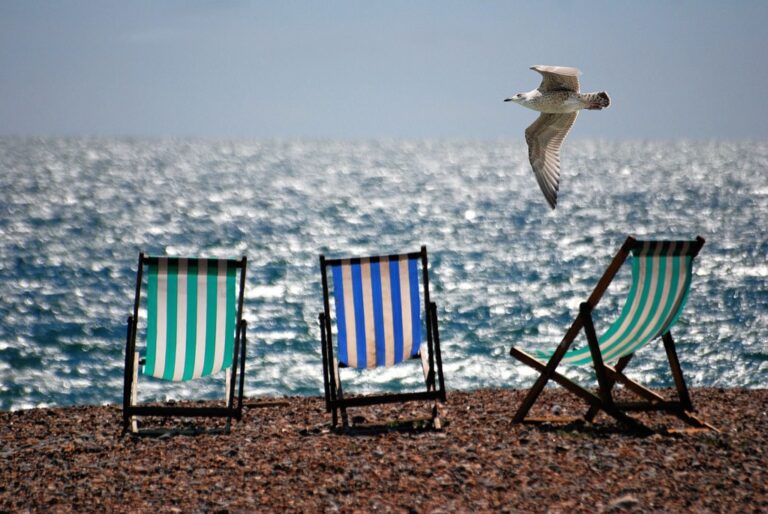
Strategic chair positioning creates natural shade zones without additional equipment. Arrange three to four beach chairs in a semi-circle facing inward to block sun from multiple angles. Tall-backed chairs work best as windbreaks while creating shadowed spaces between them. This method works particularly well for couples or small groups who want protection while maintaining easy conversation and beach access.
Portable Shade Sails: Modern and Stylish Protection
Shade sails represent the newest evolution in beach sun protection, combining engineering precision with contemporary design. You’ll find these geometric canopies increasingly popular at beaches worldwide, offering superior coverage compared to traditional options.
Triangle and Square Configuration Options
Triangle sails excel in windy conditions due to their aerodynamic three-point anchoring system. You can position them at various angles to block sun throughout the day, with 12-foot models providing shade for 4-5 people effectively.
Square configurations offer maximum coverage area, typically sheltering 6-8 people comfortably. They require four anchor points but create defined shade zones perfect for family gatherings and extended beach sessions.
Adjustable Height and Angle Features
Modern shade sails include telescopic poles with quick-release mechanisms for height adjustments from 6-9 feet. You can modify the sail angle throughout the day by adjusting individual anchor points without complete repositioning.
The adjustable corner grommets allow you to create curved surfaces that shed wind effectively. This feature prevents the billowing effect that makes traditional canopies unstable during afternoon breezes.
Lightweight Materials for Easy Setup
Premium shade sails use ripstop nylon or lightweight polyester weighing just 3-5 pounds total. These materials fold into compact stuff sacks smaller than sleeping bags, making transport effortless for solo beachgoers.
The fabric treatments include UV-resistant coatings and water-repellent finishes that maintain flexibility in saltwater environments. Quality materials resist stretching and tearing even when subjected to constant tension and coastal conditions.
Conclusion
Creating effective beach shade doesn’t have to be complicated or expensive. Whether you choose a classic beach umbrella for solo trips or invest in a large canopy for family gatherings you now have multiple options to beat the heat.
Remember that proper setup and quality materials make all the difference between a relaxing beach day and a frustrating experience. Your shade solution should match your group size budget and typical beach conditions.
Don’t let harsh sun rays cut your beach adventures short. With these six proven methods you’ll stay cool comfortable and protected while enjoying everything the beach has to offer. Pick the option that works best for your needs and start planning your next perfectly shaded beach day.
Frequently Asked Questions
What size beach umbrella should I choose for my family?
For individuals or couples, a 6-foot umbrella provides adequate coverage. Families should opt for 8-10 foot models to ensure everyone stays protected. Consider the umbrella’s footprint when closed and your group size when making your selection.
How do I prevent my beach umbrella from flying away in windy conditions?
Anchor your umbrella securely by digging the pole deep into the sand and using sandbags or sand anchors. Position the umbrella at a slight angle against the wind direction. Consider umbrellas with wind-resistant features like vented canopies.
What’s the difference between a pop-up tent and a beach umbrella?
Pop-up tents offer superior coverage for 4-6 people and set up in under 30 seconds without assembly. They provide better wind resistance and ventilation through mesh windows. Beach umbrellas are more portable but offer less coverage and stability.
How large should a beach canopy be for group gatherings?
Beach canopies typically range from 10×10 to 12×20 feet, comfortably accommodating 8-15 people. Choose larger sizes for family reunions or group outings. Consider canopies with expandable sidewalls and adjustable height settings for maximum versatility.
What materials provide the best UV protection for beach shade?
Look for fabrics with UPF 50+ ratings that block 98% of harmful UV rays. Commercial-grade materials like 600-denier polyester or ripstop nylon offer superior durability. Avoid materials without UV protection ratings, as they may provide inadequate sun protection.
Can I create effective shade without buying expensive equipment?
Yes! Use large beach towels with poles for makeshift shelters, configure tarps in various arrangements, or strategically position beach chairs to create natural shade zones. These DIY solutions can provide 4-6 feet of coverage at minimal cost.
What are the advantages of portable shade sails?
Shade sails offer superior coverage with modern, geometric designs that withstand wind better than traditional options. They feature adjustable height and angles, lightweight materials, and UV-resistant coatings. Triangle sails excel in windy conditions while square configurations maximize coverage.
How do I find natural shade at the beach?
Position yourself near dunes and rock formations that provide natural windbreaks and afternoon shade. Look for coastal trees like palms and sea grapes that create natural canopies. Utilize beach terrain by setting up in slight depressions or behind natural barriers.