6 Best Finishes for Natural Swimming Pools That Eco-Experts Trust
Discover 6 stunning natural swimming pool finishes that blend eco-friendly design with luxury. From stone & pebble to living surfaces, find your perfect sustainable aquatic oasis.
Why it matters: Natural swimming pools blend luxury with eco-consciousness but choosing the right finish determines both aesthetics and long-term performance.
The big picture: You’ll face six proven finish options that balance durability environmental harmony and visual appeal — from traditional plaster to cutting-edge mineral coatings.
What’s next: Each finish offers distinct advantages for different budgets maintenance preferences and design goals.
Disclosure: As an Amazon Associate, this site earns from qualifying purchases. Thank you!
Natural Stone Finishes for Authentic Pool Beauty
Natural stone finishes bring timeless elegance to swimming pools while harmonizing perfectly with eco-friendly design principles. These materials create stunning visual depth and texture that synthetic alternatives simply can’t match.
Limestone Creates Elegant Mediterranean Appeal
Limestone delivers soft, neutral tones that evoke classic European poolscapes. You’ll find it naturally cool underfoot and slip-resistant when properly finished. The stone’s porous nature allows for excellent water filtration while maintaining its beautiful cream and beige coloration for decades.
Sandstone Offers Warm Desert-Inspired Aesthetics
Sandstone brings rich earth tones ranging from golden honey to deep terracotta. You’ll appreciate its natural anti-slip surface and heat-resistant properties during summer months. This finish complements xeriscaping beautifully and requires minimal maintenance while providing excellent durability against freeze-thaw cycles.
Slate Provides Contemporary Dark Sophistication
Slate creates dramatic pools with its deep grays and blacks that make water appear crystal clear. You’ll notice how it retains heat efficiently while offering superior grip even when wet. The stone’s natural cleavage patterns add visual interest and complement modern architectural styles perfectly.
Pebble and Aggregate Finishes for Textural Interest
Natural swimming pools reach their full aesthetic potential when you combine visual beauty with functional texture. Pebble and aggregate finishes deliver this perfect marriage of form and function.
River Rock Creates Smooth Natural Surfaces
Enhance your indoor or outdoor space with these hand-picked, 3"-4" natural river rocks. Their smooth, mixed-color appearance is perfect for gardens, fish tanks, and decorative accents.

River rock finishes transform your pool into a mountain stream environment with their naturally tumbled surfaces. You’ll appreciate how these smooth stones provide comfortable footing while maintaining excellent water circulation around each pebble. The varied sizes create organic patterns that complement natural landscaping and reduce algae buildup through improved water movement.
Exposed Aggregate Adds Visual Depth and Grip
Exposed aggregate finishes reveal beautiful stone particles within the concrete surface for enhanced safety and visual appeal. You get superior traction on wet surfaces while enjoying the sparkle of quartz granite or recycled glass mixed throughout. This finish option delivers long-lasting durability with minimal maintenance requirements for busy pool owners.
Glass Pebbles Enhance Light Reflection
Glass pebble finishes capture and reflect sunlight to create stunning underwater light displays throughout your swimming area. You’ll notice how these recycled glass elements shimmer in various colors while providing smooth comfortable surfaces for swimmers. The non-porous glass surface resists staining and algae growth better than traditional materials.
Clay and Adobe Finishes for Earthy Pool Design
Clay and adobe finishes transform your natural swimming pool into an authentic desert oasis that seamlessly blends with southwestern landscapes. These earth-based materials create stunning visual harmony while providing exceptional thermal properties and eco-friendly durability.
Traditional Adobe Creates Southwestern Charm
Adobe finishes deliver authentic desert elegance with their warm, matte texture and natural earth tones. You’ll appreciate how adobe naturally regulates water temperature through thermal mass properties, keeping your pool cooler during scorching summer days. This traditional finish develops a beautiful patina over time, enhancing the organic character of your natural swimming environment.
Terra Cotta Tiles Add Rustic Mediterranean Style
Add vibrant, handcrafted Talavera charm to your home with this set of nine 4¼" x 4¼" Mexican ceramic tiles. Each tile features unique color variations, adding an authentic touch to any project.
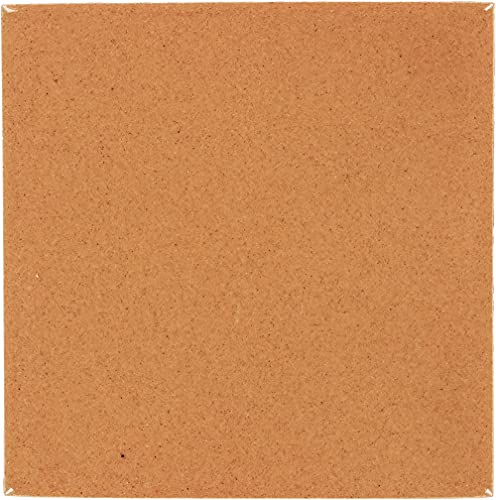
Terra cotta tiles bring Mediterranean warmth to your pool with their rich, burnt orange hues and handcrafted imperfections. You’ll love how these fired clay tiles provide excellent grip for wet surfaces while maintaining their vibrant color for decades. Their porous nature allows for natural water filtration, supporting your pool’s biological balance while creating stunning underwater light patterns.
Natural Clay Plaster Offers Seamless Integration
Natural clay plaster creates smooth, continuous surfaces that flow effortlessly from pool edge to surrounding hardscape. You’ll find this finish incredibly versatile, as it can be tinted with natural pigments to match your landscape’s existing earth tones perfectly. The self-healing properties of clay plaster allow minor cracks to seal naturally, reducing long-term maintenance while preserving your pool’s pristine appearance.
Recycled Material Finishes for Eco-Friendly Pools
Recycled material finishes represent the pinnacle of sustainable pool design, transforming waste into stunning aquatic surfaces. These innovative options deliver exceptional performance while reducing your environmental footprint significantly.
Recycled Glass Tiles Reduce Environmental Impact
You’ll find recycled glass tiles offer brilliant color variations and exceptional durability for natural swimming pools. These tiles incorporate post-consumer glass waste, diverting materials from landfills while creating shimmer effects that rival traditional ceramic options. The non-porous surface resists algae growth and maintains its vibrant appearance for decades with minimal maintenance requirements.
Reclaimed Brick Adds Historical Character
Reclaimed brick finishes bring centuries-old charm to your natural swimming pool while preserving architectural heritage. You can source weathered bricks from demolished buildings, barns, or historical structures to create unique patterns and textures. The porous nature provides excellent grip underwater while the aged patina develops beautiful moss growth that enhances your pool’s natural ecosystem.
Crushed Oyster Shell Creates Coastal Ambiance
Crushed oyster shell finishes transform your pool into a pristine coastal lagoon while supporting marine conservation efforts. You’ll appreciate how these shells naturally buffer pH levels and provide calcium supplementation for aquatic plants. The white and cream tones reflect sunlight beautifully while the textured surface offers superior traction for swimmers of all ages.
Living Finishes That Integrate With Nature
Living finishes transform your natural swimming pool into a thriving ecosystem that evolves with time. These innovative surfaces work with nature’s processes to create truly organic aquatic environments.
Moss and Algae Coatings Promote Natural Growth
Controlled moss and algae coatings create authentic pond-like environments that support aquatic life. These surfaces develop natural patinas over time, establishing biofilms that filter water while providing habitat for beneficial microorganisms. You’ll notice improved water clarity as these living systems mature and balance your pool’s ecosystem naturally.
Planted Pool Edges Blur Indoor-Outdoor Boundaries
Planted pool edges integrate seamlessly with your landscape through shallow planting zones and bog gardens. These living borders use native aquatic plants like cattails and water lilies to create gradual transitions from water to land. Your pool becomes part of the natural environment rather than a separate feature disrupting the landscape flow.
Bio-Film Surfaces Support Beneficial Bacteria
Bio-film surfaces encourage healthy bacterial colonies that naturally process organic waste and maintain water quality. These textured finishes provide ideal attachment points for nitrifying bacteria that convert harmful ammonia into harmless compounds. You’ll experience cleaner water with reduced chemical dependency as these beneficial microorganisms establish and maintain biological filtration systems.
Specialty Natural Pool Finish Considerations
Each natural pool finish brings unique requirements that’ll determine your pool’s long-term success. Understanding these considerations upfront saves you costly mistakes down the road.
pH Balance Requirements for Each Material
Different finishes dramatically affect your pool’s pH stability and water chemistry needs. Stone finishes like limestone naturally buffer pH levels, keeping water balanced with minimal intervention, while exposed aggregate surfaces require more frequent monitoring since they don’t provide chemical buffering.
Clay and adobe finishes excel at maintaining neutral pH through their mineral content, reducing your chemical costs significantly. Glass pebble finishes remain chemically inert, giving you complete control over water balance without interference from the surface material.
Maintenance Needs and Long-Term Durability
Natural stone finishes demand seasonal sealing but reward you with decades of beauty when properly maintained. River rock and pebble surfaces need occasional pressure washing to prevent algae buildup in crevices, though they’re virtually indestructible once installed.
Living finishes require the most hands-on care, including plant trimming and bio-film management, but they reduce chemical maintenance significantly. Recycled materials like glass tiles offer the lowest maintenance needs while lasting 25+ years without replacement.
Cost Comparison and Installation Complexity
Budget-conscious pool owners find clay plaster and exposed aggregate finishes most affordable, typically costing 30-40% less than premium stone options. Glass pebble and reclaimed brick installations require specialized contractors, driving up labor costs but delivering superior longevity.
Stone finishes like slate and limestone command premium prices but justify the investment through durability and resale value. Living finishes involve ongoing plant costs but offset expenses through reduced chemical needs over time.
Conclusion
Choosing the perfect finish for your natural swimming pool transforms your backyard into a sustainable oasis that reflects your personal style. Whether you’re drawn to the timeless elegance of limestone or the eco-friendly appeal of recycled materials each option offers unique advantages that enhance both beauty and functionality.
Your decision should align with your maintenance preferences budget constraints and aesthetic vision. Stone finishes provide long-term durability while living surfaces create dynamic ecosystems that evolve with nature.
Remember that the right finish isn’t just about appearance – it’s an investment in your pool’s longevity water quality and environmental impact. Take time to evaluate your specific needs and consult with professionals to ensure your chosen finish delivers the natural swimming experience you’ve envisioned.
Frequently Asked Questions
What are the most popular finish options for natural swimming pools?
The six most popular finishes include natural stone (limestone, sandstone, slate), pebble and aggregate surfaces, clay and adobe finishes, recycled materials, living finishes with moss and plants, and glass pebble options. Each offers unique benefits for durability, aesthetics, and environmental compatibility.
Which natural stone finish is best for hot climates?
Limestone is ideal for hot climates due to its naturally cool surface temperature and slip-resistant texture. It provides excellent heat dissipation, making it comfortable for bare feet even in direct sunlight, while offering superior water filtration properties.
How do pebble finishes improve water circulation in natural pools?
River rock and exposed aggregate finishes create textured surfaces that naturally enhance water movement and circulation. The varied surface helps break up water flow patterns, improving filtration efficiency and preventing stagnant areas that could harbor bacteria.
Are recycled material finishes as durable as traditional options?
Yes, recycled glass tiles and reclaimed materials often exceed traditional finishes in durability. Recycled glass is non-porous, stain-resistant, and algae-resistant, while reclaimed brick offers historical character with excellent underwater grip and longevity.
What maintenance do living finishes require for natural pools?
Living finishes with controlled moss, algae, and planted edges require regular monitoring of plant health, seasonal pruning, and nutrient management. While more hands-on than traditional finishes, they create self-sustaining ecosystems that naturally filter water and reduce chemical dependency.
How do different finishes affect pH balance in natural swimming pools?
Stone finishes like limestone naturally buffer pH levels, maintaining stability with minimal intervention. Clay and adobe finishes excel at neutral pH maintenance, while glass pebble surfaces allow complete water balance control. Aggregate finishes may require more frequent pH monitoring.
Which pool finishes offer the best value for budget-conscious homeowners?
Clay plaster and exposed aggregate finishes provide excellent value, offering durability and low maintenance at budget-friendly prices. While premium stone options cost more upfront, they justify the investment through decades of beauty and increased property resale value.
Can natural pool finishes support aquatic plant life?
Yes, many natural finishes actively support aquatic ecosystems. Bio-film surfaces encourage beneficial bacteria, planted edges create habitats for aquatic plants, and materials like crushed oyster shells provide essential calcium and minerals that promote healthy plant growth.