
7 Water Sports Alternatives for Beach Enthusiasts That Pros Swear By
Discover 7 thrilling water sports that transform ordinary beach trips into adrenaline-pumping adventures. From SUP to wakeboarding, find your perfect aquatic rush!
Why it matters: Traditional beach activities like swimming and sunbathing are great but they’re missing the adrenaline rush that makes your vacation truly unforgettable.
The big picture: Water sports transform your typical beach day into an adventure-packed experience that builds memories while giving you an incredible workout.
What’s next: We’ve compiled seven exciting water sports that’ll take your beach game to the next level — from beginner-friendly options to heart-pounding activities for thrill-seekers.
Disclosure: As an Amazon Associate, this site earns from qualifying purchases. Thank you!
Stand-Up Paddleboarding: The Perfect Balance of Fun and Fitness
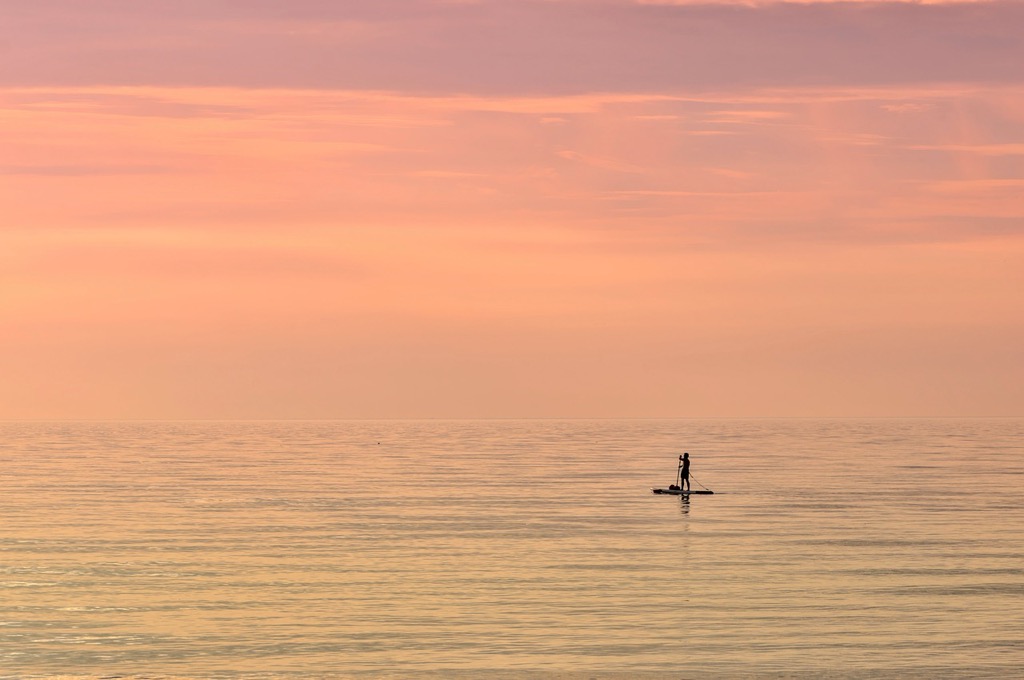
Stand-up paddleboarding (SUP) delivers everything you’re looking for in a water sport without the intimidation factor. It’s the gateway activity that transforms cautious beach-goers into confident water enthusiasts.
Easy Learning Curve for All Skill Levels
Most beginners find their balance within 15-20 minutes on calm water. Start in knee-deep water where you can easily stand up if you fall. The wide, stable boards designed for beginners make learning forgiving and confidence-building from your first attempt.
Full-Body Workout Benefits
Paddling engages your core, shoulders, and legs simultaneously while improving balance and coordination. You’ll burn 300-400 calories per hour at a leisurely pace, making it more effective than casual swimming. The constant micro-adjustments for balance activate stabilizing muscles you didn’t know you had.
Equipment and Getting Started Tips
Rent equipment first to determine your preferred board size and paddle length before purchasing. Look for boards 10-11 feet long and 32-34 inches wide for maximum stability. Always wear a leash and start in protected waters like bays or lakes rather than open ocean swells.
Kayaking: Explore Hidden Waterways and Coastal Adventures
Kayaking opens up a whole new dimension of water exploration that swimming and beach lounging simply can’t match. You’ll discover secluded coves, navigate through mangrove tunnels, and access pristine areas where powerboats can’t venture.
Types of Kayaking for Different Preferences
Recreational kayaking suits beginners perfectly with stable, wide hulls designed for calm waters and short trips. Sea kayaking challenges intermediate paddlers with longer, narrower boats built for coastal adventures and rougher conditions.
Fishing kayaks combine angling with paddling, featuring rod holders and storage compartments for your gear. Whitewater kayaking delivers pure adrenaline through rapids and rocky channels for experienced thrill-seekers.
Safety Equipment and Basic Techniques
Personal flotation devices remain mandatory regardless of your swimming ability – coastal currents and fatigue create unexpected dangers. Paddle leashes prevent losing your primary propulsion when capsizing in choppy water.
Basic paddle technique involves rotating your torso rather than just using arm strength to generate power efficiently. Wet exits from sit-inside kayaks require practice in controlled conditions before venturing into open water.
Best Locations for Beginner Kayakers
Protected bays and harbors provide ideal starting conditions with minimal waves and predictable weather patterns. Calm rivers and lakes offer scenic paddling without tidal concerns or saltwater corrosion of equipment.
Mangrove channels in Florida and California deliver wildlife viewing opportunities while maintaining sheltered water conditions. Guided tours through established outfitters ensure safety while introducing you to prime local paddling spots.
Windsurfing: Harness the Power of Wind and Waves
Windsurfing combines the best elements of surfing and sailing into one exhilarating water sport that’ll challenge your balance, strength, and wind-reading skills. You’ll experience an unmatched sense of freedom as you glide across the water powered by nothing but natural wind energy.
Understanding Wind Conditions and Equipment
Consistent 10-15 knot winds create ideal learning conditions for beginners, while experienced windsurfers thrive in 20+ knot conditions. You’ll need a beginner board (160-180 liters volume), a smaller sail (4.5-6.5 square meters), and a wetsuit appropriate for water temperature. Modern equipment features lightweight materials and user-friendly rigging systems that make setup straightforward.
Learning the Basics of Sail Control
Mastering the uphaul technique gets you started by pulling the sail out of the water using the rope attached to the mast. You’ll learn to find the neutral position where the sail catches no wind, then gradually sheet in to build power. Practice steering by tilting the sail forward to turn away from the wind or backward to turn into it.
Advanced Techniques for Experienced Athletes
Planing transforms windsurfing from gentle cruising to high-speed excitement when you achieve enough speed to lift the board onto the water’s surface. You’ll progress to jibing (turning downwind), tacking (turning upwind), and eventually jumping waves in stronger conditions. Harness use becomes essential for handling larger sails and maintaining control during aggressive maneuvers.
Kitesurfing: Aerial Thrills Meet Water Sports Excellence
Kitesurfing takes the wind-powered excitement of windsurfing to new heights—literally. You’ll harness powerful kite forces to launch yourself skyward while maintaining board control on the water’s surface.
Essential Gear and Safety Considerations
Kite selection determines your session’s success and safety. Beginners need trainer kites (2-4 meters) for land practice before progressing to larger water kites (9-12 meters). Your harness distributes kite forces across your torso, preventing arm fatigue and potential injury.
Safety equipment includes a quick-release system, helmet, and impact vest. Wind meters help you choose appropriate kite sizes—never underestimate changing conditions.
Professional Lessons vs Self-Teaching
Professional instruction isn’t optional for kitesurfing—it’s essential for survival. Certified instructors teach critical safety protocols, wind window theory, and emergency procedures that prevent serious accidents. Most students need 6-12 hours of lessons to achieve independent riding.
Self-teaching kitesurfing creates dangerous situations for you and others nearby. The sport’s power and complexity demand structured learning from experienced professionals who understand equipment limitations and environmental hazards.
Popular Kitesurfing Destinations Worldwide
Consistent wind patterns and favorable conditions define world-class kitesurfing locations. Tarifa, Spain offers reliable thermal winds and progressive skill development areas. The Outer Banks, North Carolina provides consistent side-shore winds and excellent wave conditions for advanced riders.
Cabarete, Dominican Republic delivers year-round trade winds and warm water. Hood River, Oregon combines strong winds with stunning scenery, though cold water requires wetsuits for comfortable sessions.
Jet Skiing: High-Speed Water Adventures for Adrenaline Seekers
Jet skiing delivers the ultimate rush for beach-goers craving speed and maneuverability on open water. You’ll experience the thrill of skimming across waves at speeds up to 70 mph while maintaining complete control of your watercraft.
Rental Options and Licensing Requirements
Most coastal rental shops offer hourly rates between $80-150, with multi-hour discounts available. You’ll need a valid driver’s license in most states, though some require a boating safety certificate for riders under 18. Popular rental locations include Mission Bay in San Diego and the Florida Keys for their calm waters and scenic routes.
Safety Guidelines and Best Practices
Always wear a Coast Guard-approved life jacket and attach the engine cutoff lanyard to your wrist before starting. Maintain at least 150 feet from swimmers, docks, and other watercraft to avoid accidents. Check weather conditions beforehand since choppy waters above 3-foot swells make jet skiing dangerous for inexperienced riders.
Touring vs Freestyle Jet Skiing Styles
Touring focuses on exploring coastlines and covering distance at moderate speeds of 25-35 mph for sightseeing adventures. Freestyle emphasizes tricks, jumps, and high-speed maneuvers in designated areas with calmer conditions. Choose touring if you’re new to jet skiing or prefer scenic exploration over adrenaline-pumping stunts.
Water Skiing: Classic Water Sport with Modern Twists
Water skiing stands as the grandfather of towed water sports, delivering pure speed thrills that’ve hooked generations of beach enthusiasts. You’ll discover that today’s water skiing scene offers far more variety than the traditional two-ski setup your parents might remember.
Different Types of Water Skiing Disciplines
Traditional water skiing on two skis provides the most stable platform for beginners learning rope dynamics and boat wake navigation. Slalom skiing on a single ski demands advanced balance and technique, allowing experienced skiers to carve aggressive turns through competition courses. Barefoot skiing eliminates skis entirely, requiring speeds of 35+ mph and exceptional core strength to glide across the water’s surface on your feet alone.
Boat Requirements and Towing Techniques
You’ll need a boat with at least 200 horsepower for consistent pull, though 300+ horsepower handles multiple skiers and barefoot skiing effectively. The tow rope should measure 75 feet for recreational skiing, with shorter lengths of 15-22 feet used in slalom competition for tighter turns. Your boat driver must maintain steady speeds between 25-35 mph while creating smooth acceleration patterns that prevent jarring rope tension changes.
Progression from Beginner to Advanced Skills
Start with deep water starts using two skis, focusing on keeping your knees bent and letting the boat pull you up gradually rather than fighting the rope. Progress to dock starts and single-ski drops once you’ve mastered basic turning and can confidently cross the wake on both sides. Advanced skiers develop wake jumping techniques, learning to time their approach and use the boat’s wake as a natural ramp for aerial maneuvers.
Wakeboarding: Combine Snowboarding Skills with Water Sports Fun
Wakeboarding bridges the gap between winter mountain slopes and summer water adventures. You’ll find that board control, edge transitions, and weight distribution translate beautifully from snowboarding to this dynamic water sport.
Choosing the Right Board and Bindings
Board length directly impacts your learning curve and riding style. Beginners need longer boards (140-146cm) for stability, while advanced riders prefer shorter boards (134-142cm) for quicker turns. Your bindings should fit snugly without cutting circulation – closed-toe bindings offer better control, while open-toe bindings accommodate multiple foot sizes.
Cable Parks vs Boat Wakeboarding
Cable parks provide consistent pull and eliminate boat costs, making them perfect for skill development. You’ll pay $30-50 for all-day riding versus $200+ for boat fuel and rental. Boat wakeboarding offers natural wake variety and family-friendly sessions, but cable parks deliver non-stop action with obstacles like rails and kickers for progression.
Tricks and Techniques for Skill Development
Master your edge control before attempting aerial maneuvers – it’s the foundation of every trick. Start with surface 180s and wake-to-wake jumps, keeping your knees bent and handle close to your hip. Progress to grabs like indy or melon once you’re comfortable in the air, then advance to spins and inverts as your confidence builds.
Conclusion
Your next beach vacation doesn’t have to be limited to the same old routine of swimming and sunbathing. These seven water sports offer you the perfect opportunity to transform your beach experience from ordinary to extraordinary.
Whether you’re drawn to the peaceful rhythm of stand-up paddleboarding or crave the high-speed thrills of jet skiing these activities cater to every adventure level. You’ll discover that each sport brings its own unique blend of physical challenge and pure excitement.
The best part? You don’t need to be an expert to get started. Most beach destinations offer equipment rentals and professional instruction making it easy for you to dive into something new. Your beach memories will be far more memorable when they include the rush of catching your first wave on a wakeboard or mastering your balance on a paddleboard.
Frequently Asked Questions
What is the easiest water sport for beginners?
Stand-up paddleboarding (SUP) is considered the most beginner-friendly water sport. Most people can find their balance within 15-20 minutes on the wide, stable boards. It provides a great full-body workout while being less intimidating than other water sports, making it perfect for cautious beach-goers looking to gain confidence on the water.
How many calories can I burn doing water sports?
Water sports are excellent calorie-burning activities. Stand-up paddleboarding burns 300-400 calories per hour while providing a full-body workout. Other water sports like kayaking, windsurfing, and wakeboarding also offer significant calorie burn while engaging multiple muscle groups, making them both fun and fitness-focused activities.
Do I need professional lessons for kitesurfing?
Yes, professional lessons are absolutely essential for kitesurfing. Self-teaching can lead to dangerous situations due to the powerful forces involved with kite control. Professional instructors provide proper safety training, teach essential techniques like using quick-release systems, and ensure you learn in controlled conditions with appropriate safety equipment.
What’s the difference between touring and freestyle jet skiing?
Touring jet skiing focuses on scenic exploration at moderate speeds, making it ideal for beginners or those who prefer sightseeing. Freestyle jet skiing emphasizes high-speed maneuvers, tricks, and adrenaline-pumping activities. Touring offers a more relaxed experience, while freestyle caters to thrill-seekers wanting maximum excitement on the water.
What wind conditions are best for windsurfing beginners?
Beginners should start windsurfing in winds of 10-15 knots, which provide enough power to move while remaining manageable for learning. More experienced windsurfers can handle 20+ knot winds. Starting with smaller sails and beginner boards in calm, protected waters helps new windsurfers master sail control and steering techniques safely.
Is wakeboarding similar to snowboarding?
Yes, wakeboarding shares many similarities with snowboarding, making it easier for snowboarders to transition. Skills like board control, weight distribution, and edge control translate well between the sports. However, wakeboarding has its unique challenges with water dynamics and boat wake patterns that require specific techniques and practice.
What safety equipment is essential for water sports?
Essential safety equipment includes personal flotation devices (life jackets) for all activities, helmets for high-impact sports like kitesurfing, and paddle leashes for SUP and kayaking. Quick-release systems are crucial for kitesurfing, and maintaining safe distances from other watercraft and swimmers is important for jet skiing and other motorized activities.

