7 Creative Activities for Low Lake Water Days That Locals Keep Secret
Discover 7 fun ways to enjoy lakes during low water periods! From treasure hunting & beach games to photography & eco-stewardship – turn drought into adventure.
When drought conditions or seasonal changes leave your favorite lake with dangerously low water levels, you don’t have to abandon your outdoor adventure plans entirely. These challenging conditions actually open up unique opportunities to explore areas typically underwater and discover creative ways to enjoy the lakeside environment. Smart outdoor enthusiasts know that adapting to nature’s changes often leads to the most memorable experiences.
Disclosure: As an Amazon Associate, this site earns from qualifying purchases. Thank you!
Explore Hidden Shoreline Treasures and Fossil Hunting
Low water levels reveal a fascinating underwater world that’s normally hidden beneath the surface. You’ll discover shoreline areas that haven’t been accessible for months or even years.
Search for Exposed Artifacts and Natural Specimens
Walk systematically along the newly exposed lakebed, scanning for unusual shapes and colors. You’ll find weathered glass, vintage fishing lures, interesting rocks, and sometimes even fossils from ancient lake formations. Bring a small mesh bag to collect your discoveries while keeping your hands free for exploration.
Catch more fish with this 137-piece tackle box. It includes a variety of realistic lures, durable hooks, and essential accessories, all organized in a compact, portable case.


Document Your Discoveries With Photography
Photograph each find in its original location before moving it, capturing the surrounding context. Take close-up shots showing details and texture, then wider shots showing the discovery site. You’ll create a visual record of your treasure hunting adventure and help identify mysterious objects later.
Create a Personal Collection Display
Sort your discoveries by material type – glass, metal, stone, or organic specimens. Clean each piece gently with fresh water and arrange them in shadow boxes or clear containers. Label each item with the date and specific location where you found it to create a meaningful collection.
Showcase your treasured memories in this elegant 11x14 black shadow box. The durable frame features shatter-resistant glass and can be easily mounted on the wall or displayed on a tabletop.

Build Epic Sand Castles and Beach Sculptures
Low water reveals prime sandy beaches perfect for architectural masterpieces. You’ll find the exposed lake bottom offers surprisingly workable sand that’s often better than what you’d get at typical beach depths.
Design Multi-Level Castle Complexes
Create towering fortress designs using the wet sand near the water’s edge for your foundation walls. Build terraced levels with connecting bridges and moats that channel the remaining lake water. Pack sand firmly in buckets for uniform tower construction, then carve windows and doorways with precision tools like spoons or small shovels.
This durable 31-inch shovel is perfect for gardening, camping, and car emergencies. Its curved D-handle provides a comfortable grip, while the heavy-duty metal construction ensures lasting use.

Sculpt Animals and Abstract Art Forms
Transform malleable lakeside sand into dolphins, turtles, and other aquatic creatures using spray bottles to maintain moisture. Start with basic geometric shapes for abstract sculptures, then add intricate details with your fingers and small tools. Focus on large-scale designs since you’ve got plenty of exposed space to work with during low water conditions.
These durable HDPE spray bottles offer reliable performance for various uses. The adjustable nozzle easily switches between a fine mist and a solid stream, while the leak-proof design prevents clogs and spills.

Host Family Building Competitions
Organize timed challenges where teams compete to build the most creative structures within designated beach zones. Set specific categories like “tallest tower,” “most detailed design,” or “best use of natural materials” to keep everyone engaged. Award simple prizes using found lake treasures or small items from your camping gear to make the competition memorable.
Organize Exciting Beach Games and Sports
• WHAT IS SLAMMO: Slammo is an action-packed 2-on-2 volleyball style game where teams have 3 hits to return or spike the ball to the circular net; Fun for the whole family at the beach, BBQs, camping, and in the backyard • COMPLETE SET: Includes 1 Slammo roundnet target, 1 large 12 cm training ball to learn the game, 2 smaller 9 cm competition balls, travel carrying case and game rules • EASY TO LEARN FOR KIDS & ADULTS: Slammo is the must-have outdoor lawn and beach game for the summer that will engage players of all ages; Retail packaged, makes a great gift • WHY CHOOSE SLAMMO: Premium construction at a great value without the inflated price tag; Features high tension netting for optimized bounce, track hook technology for 100% net coverage, and all-surface legs to play anywhere; Designed in the US • EASY ASSEMBLY: Imagine the action-packed play style of volleyball but without the hassle of setting up; Quickly jump straight into the game where everyone will be spiking like a pro in no time

Your exposed lakebed creates the perfect arena for beach sports that normally require specialized courts or equipment. The firm, packed sand provides excellent footing and bounce characteristics you won’t find on typical beach sand.
Set Up Volleyball and Frisbee Tournaments
Enjoy comfortable play with the Wilson AVP Soft Play Volleyball. Its sponge-backed cover provides a soft touch, while durable construction and a butyl rubber bladder ensure lasting performance.

Establish tournament brackets with friends and family using the newly revealed sandy areas as natural courts. Create multiple playing zones by marking boundaries with driftwood or stones you’ve collected during your treasure hunts. Host round-robin competitions where teams rotate between volleyball matches and ultimate frisbee games, keeping everyone engaged throughout the day.
Create Obstacle Courses in the Sand
Design challenging courses using natural features like exposed rocks, fallen logs, and varying sand depths as obstacles. Incorporate crawling sections under low-hanging branches, jumping challenges over driftwood barriers, and balance beams created from stable logs. Time each participant and create leaderboards to add competitive excitement to your lakeside adventure.
Plan Treasure Hunts and Scavenger Games
Develop themed hunts that combine the artifacts you’ve been discovering with active gameplay elements. Create clue cards leading participants to specific locations where they’ll find both natural specimens and hidden prizes you’ve strategically placed. Establish point systems for different discoveries – vintage fishing lures might score higher than common shells, encouraging thorough exploration of your expanded shoreline territory.
Capture Stunning Photography of the Transformed Landscape
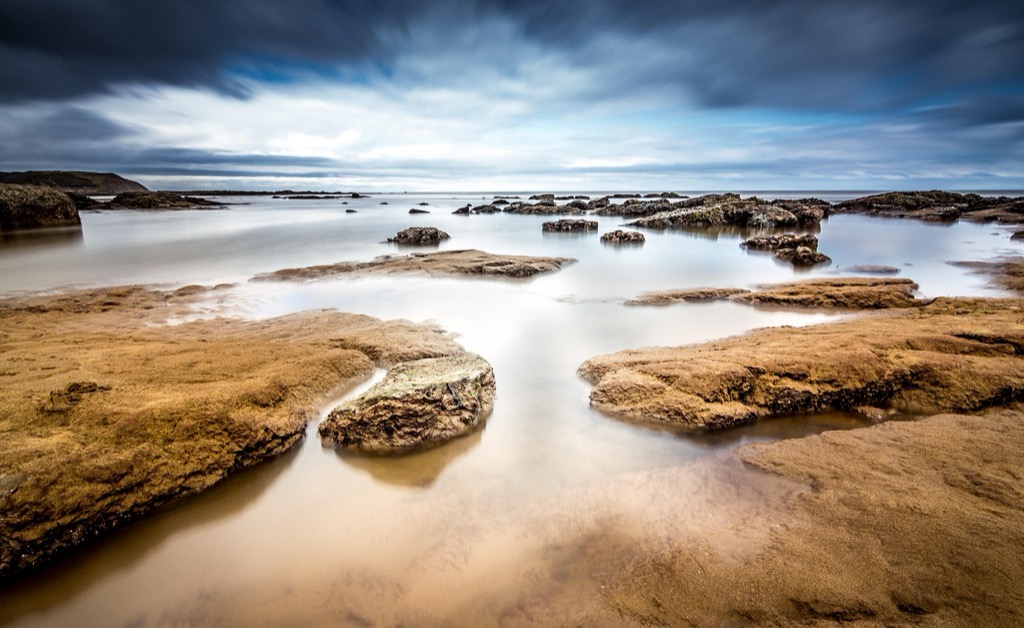
Low water levels create a photographer’s playground with newly exposed landscapes that won’t return for months or years. You’ll discover dramatic compositions and unique perspectives that only emerge when nature reshapes the familiar shoreline.
Photograph Unique Rock Formations and Textures
Focus on weathered stone patterns that reveal decades of water erosion and mineral deposits. You’ll find striking contrast between smooth, water-polished surfaces and rough, newly exposed rock faces that create compelling textures for macro photography.
Document Wildlife in Their Altered Habitat
Capture birds and animals adapting to their changed environment as they navigate exposed mudflats and seek new water sources. You’ll witness unique behaviors like herons hunting in shallow pools and deer accessing previously unreachable areas for dramatic wildlife shots.
Create Before and After Comparison Shots
Set up identical compositions from the same vantage points during different water levels to showcase nature’s transformation. You’ll create powerful visual stories by photographing familiar landmarks like boat docks, piers, and swimming areas in their dramatically altered states.
Start a Beach Cleanup and Environmental Project
Low water conditions create the perfect opportunity to give back to your favorite lake while discovering areas that need attention. You’ll find decades of accumulated debris exposed on the newly accessible shoreline, making cleanup efforts both impactful and rewarding.
Organize Community Volunteer Groups
Contact local environmental organizations and lake associations to coordinate cleanup efforts. Create social media groups or use neighborhood apps to recruit volunteers for weekend cleanup sessions.
Schedule regular meetups during low water periods when debris visibility peaks. Provide safety briefings about handling unknown objects and staying hydrated during outdoor work sessions.
Collect and Sort Recyclable Materials
Separate metals, plastics, and glass into designated containers as you work along the exposed shoreline. Focus on fishing line, bottles, and aluminum cans that pose the greatest wildlife threats.
Document your findings with photos and weight measurements to track environmental impact. Many recycling centers offer cash incentives for bulk aluminum and steel materials you’ll discover.
Plant Native Vegetation in Exposed Areas
Research indigenous plant species that thrive in fluctuating water conditions and help prevent erosion. Contact your local extension office for seed recommendations and planting guidance.
Focus on shoreline stabilization by planting native grasses and shrubs in areas where soil erosion appears severe. Time your planting efforts for early spring when water levels typically remain low longest.
Create Natural Art With Found Materials
Low water levels reveal an artist’s treasure trove of natural materials that’ve been waiting underwater for their moment to shine. Transform your lakeside exploration into an outdoor studio where nature provides all the supplies you need.
Build Rock Cairns and Stone Balancing Sculptures
Stack exposed stones into towering cairns that mark your lakeside adventures. You’ll find perfectly weathered rocks in sizes ranging from pebbles to boulders along the newly revealed shoreline. Balance flat stones horizontally or create spiraling towers that twist skyward. Challenge yourself with increasingly difficult arrangementsâsmooth river rocks require more skill than rough limestone. Document your creations before nature reclaims them.
Design Driftwood and Shell Installations
Arrange weathered wood pieces into flowing sculptures that complement the natural landscape. Low water exposes bleached driftwood branches perfect for weaving together geometric patterns or organic forms. Collect mussel shells and smooth glass fragments to accent your wooden frameworks. Create temporary galleries along the shoreline where each piece tells the story of the lake’s changing moods.
Craft Temporary Land Art Pieces
Design large-scale artwork using sand patterns and natural debris for maximum visual impact. Rake intricate spirals and geometric designs into the exposed lakebed sediment. Use contrasting materials like dark stones on light sand or arrange colorful leaves in flowing patterns. Your temporary masterpieces will evolve with wind and weather, creating ever-changing displays that celebrate nature’s constant transformation.
Plan Educational Nature Walks and Exploration
Low water levels create the perfect classroom for hands-on learning about lake ecosystems and geology. You’ll discover educational opportunities that transform a simple walk into an immersive natural science experience.
Study Exposed Geological Formations
Examine rock layers and sediment patterns that normally stay hidden underwater. You’ll spot limestone formations, clay deposits, and ancient lake bed materials that reveal thousands of years of geological history.
Look for fossil imprints in exposed mudstone and identify different mineral compositions in the rocks. These formations tell stories about past climate conditions and geological events.
Identify New Plant and Animal Species
Discover specialized plants that colonize newly exposed areas as pioneer species. You’ll find unique wetland plants, drought-resistant grasses, and shoreline vegetation adapting to changing water levels.
Watch for birds and small mammals exploring the expanded habitat. Many species you’ve never seen before will venture into these newly accessible areas for feeding and nesting.
Learn About Lake Ecosystem Changes
Observe how aquatic life adapts to shrinking water boundaries and concentrated populations. You’ll witness fish behavior changes, algae growth patterns, and how water quality shifts affect the entire food chain.
Document water temperature variations in shallow areas and note how sunlight penetration changes plant growth. These observations help you understand ecosystem resilience and adaptation strategies.
Conclusion
Low water days don’t have to mean cancelled lake plans. Instead they offer you unique opportunities to experience your favorite waterfront destination in an entirely new way. You’ll discover hidden treasures create lasting memories and develop a deeper appreciation for nature’s ever-changing landscape.
These creative activities transform what might seem like a disappointment into an adventure-filled day. Whether you’re hunting for artifacts building sand sculptures or capturing stunning photographs you’re making the most of nature’s temporary gift.
Remember to respect the environment while exploring and always prioritize safety during your lakeside adventures. Your willingness to adapt and embrace change will reward you with experiences that traditional high-water visits simply can’t provide.
Frequently Asked Questions
What can I do when lake water levels are low?
Low water levels reveal new opportunities for exploration and adventure. You can hunt for fossils and artifacts on exposed lake beds, build sand castles on newly revealed beaches, organize beach games like volleyball or frisbee, take unique photographs of transformed landscapes, and create natural art with found materials like stones and driftwood.
Is it safe to explore exposed lake beds?
Yes, exploring exposed lake beds can be safe when done responsibly. Watch for unstable surfaces, wear appropriate footwear, stay aware of changing water conditions, and avoid areas with steep drop-offs. Always inform someone of your plans and consider exploring with others for added safety.
What artifacts might I find on exposed lake beds?
Exposed lake beds often reveal fascinating treasures including weathered glass, vintage fishing lures, old coins, pottery fragments, and natural specimens like unique rocks and fossils. You might also discover items lost by previous visitors or historical artifacts that tell stories about the area’s past.
How can low water levels benefit photography?
Low water levels create unique photographic opportunities by exposing normally submerged rock formations, revealing interesting textures and patterns, and showing wildlife adapting to their changed habitat. You can capture before-and-after comparison shots of familiar landmarks and document the lake’s dramatic transformation.
What beach activities work best on exposed lake beds?
Newly exposed sandy areas are perfect for building elaborate sand castles with moats and bridges, creating beach sculptures, organizing volleyball or frisbee tournaments, setting up obstacle courses using natural features, and hosting treasure hunts or scavenger games that combine exploration with active gameplay.
How can I help the environment during low water periods?
You can organize beach cleanups to collect debris and recyclables, coordinate with local environmental groups for volunteer projects, plant native vegetation in exposed areas to prevent erosion, and document environmental changes to contribute to scientific understanding of ecosystem adaptation and resilience.
What educational opportunities do low water levels provide?
Low water levels create natural outdoor classrooms where you can study exposed geological formations, examine rock layers and fossil imprints, observe new plant and animal species colonizing the area, and learn how aquatic life adapts to changing water boundaries and ecosystem conditions.