7 Alternative Beach Games for Active Families That Build Bonds
Discover 7 exciting beach games beyond volleyball! From Spikeball to beach soccer, these family-friendly activities turn any sandy spot into an active playground for all ages.
Why it matters: Traditional beach volleyball and frisbee are getting old and your active family craves something new to spice up those sandy summer days.
The big picture: Beyond the usual suspects of beach activities lies a world of creative games that’ll keep everyone from toddlers to grandparents engaged and moving.
What’s next: These seven alternative beach games transform any stretch of sand into your family’s personal playground while building memories that’ll last long after you’ve shaken the sand from your shoes.
Disclosure: As an Amazon Associate, this site earns from qualifying purchases. Thank you!
Spikeball: The High-Energy Net Game That Gets Everyone Moving
Enjoy fast-paced fun with the Spikeball game set! This set includes a durable net, three balls, and a convenient carrying bag for easy setup and play anywhere.


Spikeball transforms any flat beach area into an action-packed arena where players dive, spike, and scramble around a trampoline-like net. This fast-paced game combines elements of volleyball and four square into something that’ll get your entire family moving.
Equipment Needed and Setup Instructions
You’ll need a Spikeball set containing a circular net with legs and two yellow balls. Setup takes under two minutes – simply unfold the legs and stretch the net tight.
Position the net on firm sand away from umbrellas and beach chairs. The compact design fits easily in beach bags and car trunks.
Basic Rules and Gameplay Mechanics
Teams of two face off around the net with no boundaries or sides. Players get three touches to spike the ball down onto the net toward opponents.
Once you serve, teammates can move anywhere around the 360-degree playing area. Games play to 21 points and you must win by two.
Why It’s Perfect for Active Families
Spikeball accommodates different skill levels naturally – beginners can focus on basic volleys while experienced players add athletic dives and trick shots. The circular setup means everyone stays engaged without traditional court positioning.
Games typically last 15-20 minutes, perfect for beach attention spans. Kids develop hand-eye coordination while parents get a genuine workout from constant movement.
Beach Volleyball Variations: Beyond the Traditional Game
Enjoy comfortable play with the Wilson AVP Soft Play Volleyball. Its sponge-backed cover provides a soft touch, while durable construction and a butyl rubber bladder ensure lasting performance.

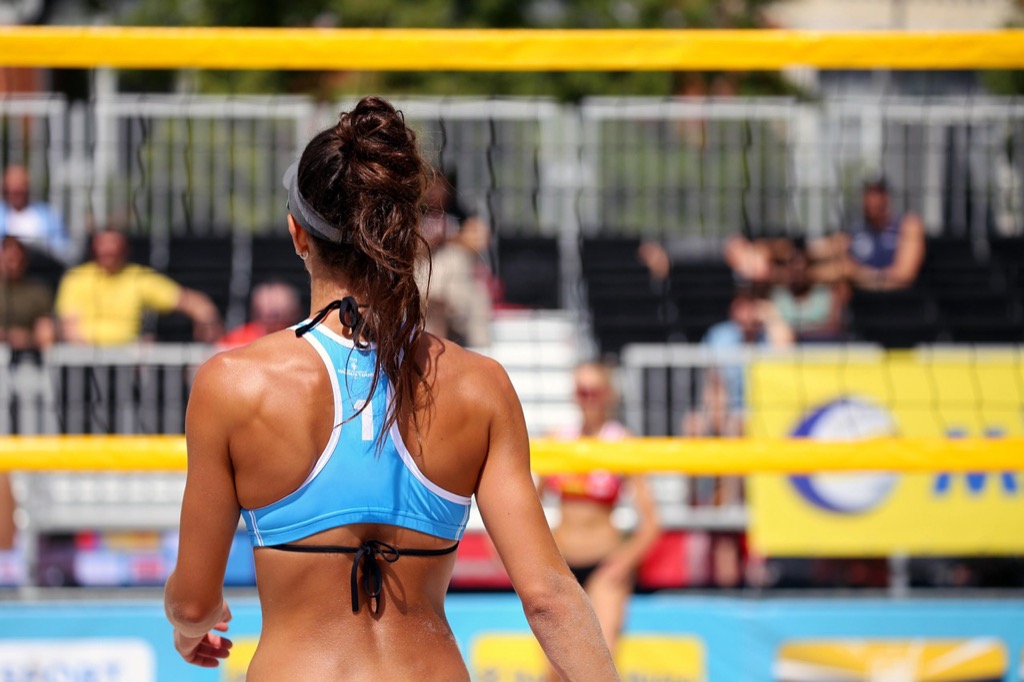
While traditional beach volleyball works great for evenly matched players, smart variations can keep your entire family engaged regardless of age or skill level.
King of the Court Tournament Style
Set up multiple mini-courts using towels or drawn lines to create a tournament bracket system. Winners advance to the “king” court while others rotate through challenger positions.
This format keeps everyone active since players constantly rotate between courts. You’ll find even beginners stay motivated because they’re not stuck on the sidelines watching advanced players dominate.
Water Volleyball for Added Challenge
Enjoy hours of comfortable play with this 3-pack of soft-touch, official-size volleyballs. Includes a ball pump and durable design for both pool and lawn games.

Move your net into shallow water where players can still touch bottom but must work against wave resistance. The added difficulty of moving through water levels the playing field significantly.
Water volleyball transforms the game into a full-body workout while reducing injury risk from diving on sand. Plus, the cooling effect keeps everyone comfortable during hot afternoon sessions.
Modified Rules for Mixed Age Groups
Implement handicap rules like allowing younger players two bounces or requiring adults to use their non-dominant hand. Create scoring advantages where kids get double points for successful plays.
These modifications ensure grandparents and toddlers can compete meaningfully with teenagers and active adults. You’ll discover that strategy becomes more important than pure athletic ability when everyone plays under different constraints.
Frisbee Ultimate: Fast-Paced Team Competition on Sand
Ultimate frisbee on sand creates an entirely different dynamic than traditional beach volleyball or spikeball. The soft surface challenges your balance and positioning while the ocean breeze adds an unpredictable element to every throw.
Basic Ultimate Frisbee Rules Adapted for Beach Play
Experience ultimate throwing performance with the Discraft UltraStar. This 175-gram disc offers superior grip and balanced flight for sport and recreation.

Beach ultimate uses smaller teams of 4-5 players per side instead of the standard seven. You’ll score by catching the disc in the opposing team’s end zone, which you can mark with towels or beach toys. The ten-second stall count becomes fifteen seconds due to sand’s challenging footing, and you’re allowed one “travel” step after catching to maintain balance.
Team Formation and Positioning Strategies
Position your fastest runners as handlers near the thrower, while slower family members guard the end zones. You’ll want to create a cup formation with three defenders covering short passes and two covering deep throws. Rotate positions every few points so everyone experiences different roles, keeping kids engaged and preventing fatigue in the demanding sand conditions.
Benefits for Cardiovascular Fitness and Coordination
Ultimate frisbee delivers intense interval training as you sprint, cut, and jump repeatedly throughout each point. The sand surface forces your stabilizing muscles to work harder, improving balance and ankle strength. You’ll burn 400-600 calories per hour while developing hand-eye coordination through constant catching and throwing under pressure from defenders.
Beach Soccer: World’s Most Popular Sport Meets Sandy Shores
Beach soccer brings the world’s favorite sport to your family’s sandy playground with modifications that make every touch more exciting. The soft sand creates a completely different playing experience that levels the field between players of all ages.
Setting Up Goals and Boundaries
You’ll need portable goals or improvised markers like towels or beach bags to define your playing area. Create a field roughly 30×20 yards for full games, or scale down to 20×15 yards for younger players. Mark boundaries with beach towels, flip-flops, or natural landmarks like driftwood to keep the ball in play.
Modified Rules for Beach Conditions
Beach soccer works best with smaller teams of 3-4 players per side to account for the energy-draining sand surface. Allow unlimited substitutions since players tire quickly, and consider shorter 10-minute halves instead of traditional periods. Remove the offside rule entirely to keep the game flowing and reduce complex referee decisions.
Skills Development and Family Bonding Opportunities
Playing soccer on sand dramatically improves balance, core strength, and ball control as players adapt to the unstable surface. Kids develop better first touches and creativity since the ball bounces unpredictably off sand. Parents can focus on passing and positioning while children work on basic skills, creating natural teaching moments throughout the game.
Capture the Flag: Strategic Adventure Across Beach Terrain
Transform your beach day into an epic strategic battle with capture the flag. This classic game takes on new dimensions when played across sand dunes and shoreline terrain.
Creating Boundaries and Establishing Base Camps
Use natural landmarks like driftwood logs or rock formations to mark your territory boundaries. Set up base camps behind sand dunes or near palm trees for natural protection. Create clear visual markers using colorful beach towels or inflatable toys so teams can easily identify their zones even from a distance.
Team Strategy and Communication Skills
Develop hand signals and whistle codes since ocean waves can drown out shouted instructions. Assign specific roles like defenders who guard the flag and scouts who map enemy territory. Plan multiple attack routes using the beach’s natural cover points like volleyball nets or lifeguard stations.
Incorporating Natural Beach Elements
Turn tide pools into strategic obstacles and use shifting sand to create temporary fortifications. Hide flags behind beach umbrellas or partially bury them in sand mounds for added challenge. Incorporate the water’s edge as a neutral zone where players must move slowly, adding tactical complexity to flag captures.
Beach Relay Races: Multi-Station Challenges for All Ages
Beach relay races transform ordinary sand into dynamic challenge courses that keep every family member engaged. You’ll create memorable competition while building teamwork skills across generations.
Designing Age-Appropriate Station Activities
Balance challenges across age groups by mixing physical and creative tasks at each station. Set up sand castle building for younger kids while teens tackle beach sprints or crab walks. Include puzzle-solving stations using seashells or beach treasures that grandparents can master alongside toddlers. Rotate teams through stations every 3-4 minutes to maintain energy and prevent fatigue.
Equipment and Props for Maximum Fun
Pack lightweight props that won’t weigh down your beach bag but maximize entertainment value. Bring colorful bandanas for three-legged races, plastic spoons for water carrying challenges, and small buckets for sand collection tasks. Include beach balls for overhead carries and jump ropes for skipping stations. Most items double as regular beach toys when the relay ends.
Scoring Systems and Prize Ideas
Award points for participation rather than pure speed to keep younger players motivated. Give bonus points for teamwork moments like helping fallen teammates or creative problem-solving. Create fun certificates using waterproof markers and cardboard, or award small beach treasures like unique shells collected during setup. Consider team prizes that everyone shares, like a special snack or extra beach time privileges.
Paddleball Tournament: Classic Beach Game with Competitive Twist
Paddleball brings the excitement of tennis to the beach with lightweight paddles and a bouncy rubber ball. You’ll discover this classic game becomes instantly more engaging when you organize it as a tournament format for your family gathering.
Equipment Selection and Court Setup
Choose solid wood paddles over plastic ones for better ball control and durability in windy beach conditions. Mark your court boundaries using towels or beach bags positioned 20 feet apart lengthwise and 10 feet for width. Set up multiple mini-courts side by side to accommodate tournament play and keep everyone active simultaneously.
Tournament Bracket Organization
Create single-elimination brackets with 8-16 players depending on your family size and available court space. Pair players of similar skill levels in opening rounds to ensure competitive matches throughout the tournament. Post bracket sheets on a beach umbrella or cooler so everyone can track progress and cheer for upcoming matches.
Skill-Building Progressions for Beginners
Start newcomers with cooperative rallies focusing on consistent paddle contact before introducing competitive scoring. Practice the basic serve by dropping the ball and hitting it underhand to your opponent’s side of the court. Graduate to keeping score using traditional tennis rules once players can maintain 10-consecutive hit rallies successfully.
Conclusion
Your next beach trip doesn’t have to revolve around the same old activities. These seven alternative games offer fresh ways to keep your family active engaged and entertained on the sand. From the high-energy action of Spikeball to strategic Capture the Flag battles each game brings its own unique benefits and excitement.
The beauty of these alternatives lies in their adaptability. You can modify rules adjust team sizes and create tournaments that work for your family’s specific needs and ages. Whether you’re looking to build stronger family bonds improve fitness levels or simply break away from routine these games deliver memorable experiences.
Pack your creativity along with your beach gear and watch as ordinary sand transforms into your family’s new favorite playground. Your beach days will never feel the same again.
Frequently Asked Questions
What is Spikeball and how do you play it on the beach?
Spikeball is an action-packed net game combining volleyball and four square elements. Players form teams of two and hit a ball onto a trampoline-like net, with opponents having three touches to return it. The game has no boundaries, allowing players to move freely around the net. Setup takes under two minutes, and games last 15-20 minutes, making it perfect for beach play.
How can you modify beach volleyball for different age groups?
Modify beach volleyball by allowing younger players extra bounces or giving them scoring advantages. Try “King of the Court” tournament style with rotating mini-courts, or play water volleyball in shallow water for added challenge. Use smaller teams and adjust rules to ensure everyone can participate meaningfully regardless of skill level.
What makes Ultimate Frisbee different when played on sand?
Playing Ultimate Frisbee on sand creates unique challenges with the soft surface and ocean breeze affecting gameplay. Use smaller teams of 4-5 players and modify the stall count for beach conditions. The sand enhances balance training, provides a full-body workout, and burns more calories while improving coordination and cardiovascular fitness.
How do you set up beach soccer for family play?
Set up beach soccer using portable goals or improvised markers to define the playing area. Use smaller teams of 3-4 players to accommodate the energy-draining sand surface. Implement unlimited substitutions and shorter game halves to keep everyone engaged. The sand surface naturally improves balance, core strength, and ball control skills.
What equipment do you need for beach Capture the Flag?
Beach Capture the Flag requires minimal equipment – just flags or bandanas for each team and boundary markers. Use natural landmarks like rocks or driftwood to create boundaries and establish base camps. Incorporate existing beach elements like tide pools and sand mounds to add complexity and strategic challenges to the game.
How do you organize beach relay races for all ages?
Design age-appropriate stations mixing physical challenges like beach sprints for teens, creative tasks like sandcastle building for kids, and puzzle-solving for grandparents. Use lightweight props like bandanas and beach balls. Create scoring systems that reward participation and teamwork rather than just speed, ensuring everyone feels included and valued.
What’s the best way to set up a beach paddleball tournament?
Use solid wood paddles for better control and mark court boundaries with towels or beach bags. Create single-elimination brackets to organize competitive matches. Start beginners with skill-building progressions like simple back-and-forth volleys before advancing to tournament play. This format works well for family gatherings and beach parties.