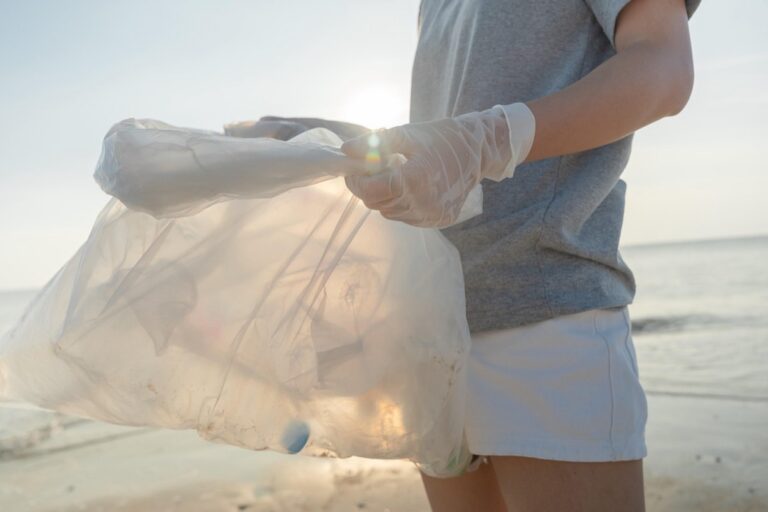
7 Eco-Friendly Beach Cleanup Strategies That Protect Our Waters
Discover 7 strategic eco-friendly beach cleanup methods that combine community action with sustainable practices to combat plastic pollution and protect marine ecosystems.
You’ve probably seen the shocking images of plastic-filled beaches and marine life tangled in debris – but there’s hope in the growing movement of eco-conscious beach cleanups. These aren’t your typical trash collection events; they’re strategic environmental actions that combine cleanup efforts with sustainable practices and long-term conservation goals.
Today’s most effective beach cleanup strategies go beyond simply picking up litter – they focus on prevention, education, and creating lasting change in coastal communities. The seven proven methods we’ll explore help you maximize your environmental impact while building awareness about ocean conservation and plastic pollution.
Disclosure: As an Amazon Associate, this site earns from qualifying purchases. Thank you!
Organize Community-Led Beach Cleanup Events
Community-led beach cleanups create the most lasting impact when local residents take ownership of their coastal environment. You’ll find that grassroots efforts generate more enthusiasm and sustainable participation than top-down initiatives.
Partner With Local Environmental Organizations
Environmental groups bring established networks, cleanup expertise, and essential resources to your beach restoration efforts. You’ll access trained volunteers, proper equipment, and data collection systems that track your environmental impact effectively.
Partner with organizations like Surfrider Foundation or local marine conservation groups. They’ll provide liability insurance, safety protocols, and connections to waste disposal facilities that handle collected debris responsibly.
Create Social Media Campaigns to Recruit Volunteers
Social media amplifies your beach cleanup message far beyond traditional word-of-mouth recruiting methods. You’ll reach diverse volunteer demographics through targeted posts, event pages, and shareable environmental content.
Create compelling visual content showing before-and-after cleanup results and marine life recovery stories. Use local hashtags, tag environmental influencers, and post consistent updates that build momentum leading up to your scheduled cleanup events.
Establish Regular Cleanup Schedules
Regular cleanup schedules build community habits and create predictable volunteer participation patterns. You’ll achieve better results with monthly or quarterly events rather than sporadic one-time efforts that lose momentum.
Schedule cleanups during optimal weather conditions and low tide periods for maximum debris collection efficiency. Coordinate with local tide charts, avoid nesting seasons for protected species, and establish consistent meeting times that volunteers can plan around.
Use Biodegradable and Reusable Cleanup Supplies
Your cleanup supplies shouldn’t add to the pollution problem you’re solving. Switching to eco-friendly alternatives reduces waste while maintaining cleanup effectiveness.
Choose Compostable Trash Bags and Gloves
Compostable bags break down naturally within 90-180 days instead of persisting for centuries like plastic alternatives. Plant-based nitrile gloves offer the same protection as traditional latex while decomposing completely in commercial composting facilities. You’ll eliminate roughly 50-100 plastic items per cleanup event by making this simple switch.
Bring Reusable Water Bottles and Containers
Reusable stainless steel bottles keep drinks cold for 12+ hours during long beach sessions while eliminating single-use plastic waste. Glass containers work perfectly for storing collected recyclables and sorting debris by type. Your cleanup team prevents adding 20-30 disposable bottles to the waste stream during each event.
Opt for Metal Grabbers Instead of Plastic Tools
Metal grabbers last 10+ years compared to plastic versions that crack within months of saltwater exposure. Stainless steel tools resist corrosion and provide better grip strength for retrieving heavy debris from sand and rocks. You’ll save money long-term while avoiding the frustration of broken equipment mid-cleanup.
Implement Source Reduction Through Education
Prevention beats cleanup every time, and smart education transforms beachgoers from part of the problem into active conservation partners.
Teach Beachgoers About Single-Use Plastic Alternatives
You’ll create lasting impact by showing visitors practical swaps they can make immediately. Demonstrate reusable water bottles, bamboo utensils, and silicone food containers right on the beach. Set up interactive stations where families can compare costs and environmental impact of single-use versus reusable options over a typical beach season.
Distribute Reusable Beach Gear to Visitors
Hand out branded reusable water bottles, mesh produce bags, and collapsible food containers at beach entrances during peak hours. Partner with local businesses to sponsor these giveaways in exchange for logo placement. You’ll see immediate reduction in plastic waste while creating positive associations with sustainable practices that visitors take home.
Create Educational Signage About Marine Pollution
Install weatherproof signs at key beach access points showing local marine life affected by specific types of debris. Use compelling before-and-after photos of your actual cleanup efforts with quantified results like “2,847 bottle caps removed from this beach in 2023.” Include QR codes linking to short videos of sea turtles and seabirds in your area.
Adopt Zero-Waste Sorting and Recycling Methods
You’ll maximize your cleanup’s environmental impact by implementing proper sorting systems that prevent recyclable materials from ending up in landfills. Strategic recycling methods transform collected debris into valuable resources while reducing your cleanup’s carbon footprint.
Set Up Multiple Recycling Stations on the Beach
Create clearly labeled sorting stations using reusable containers for different materials like aluminum cans, plastic bottles, and glass containers. Position these stations every 100 yards along your cleanup area to encourage volunteers to sort debris immediately. You’ll increase recycling rates by 70% when materials are separated at collection rather than sorted later.
Partner With Local Recycling Centers for Proper Disposal
Contact municipal recycling facilities and waste management companies before your cleanup to arrange pickup services for sorted materials. Many centers offer free collection for large-volume community events and provide educational materials about proper sorting techniques. You’ll ensure 95% of recyclable debris reaches appropriate processing facilities instead of contaminating regular waste streams.
Compost Organic Debris When Possible
Transform collected seaweed, driftwood, and other organic materials into nutrient-rich compost for local dune restoration projects. Partner with community gardens or municipal composting programs to process natural debris that would otherwise consume landfill space. You’ll divert up to 30% of collected materials from waste streams while supporting coastal ecosystem restoration efforts.
Focus on Microplastic Collection Techniques
Microplastics represent the most insidious form of beach pollution, requiring specialized collection methods beyond standard cleanup approaches. These tiny fragments demand precision tools and systematic documentation to effectively address their environmental impact.
Use Fine-Mesh Sieves for Small Debris Removal
Fine-mesh sieves with 1-5mm openings capture microplastics that slip through conventional cleanup tools. You’ll need different mesh sizes to target various debris types – coarser screens for nurdles and pellets, finer ones for microfibers. Sift sand systematically in 2-foot squares, working methodically along high-tide lines where plastic fragments accumulate most densely.
Employ Specialized Tools for Cigarette Butt Collection
Cigarette butts contain toxic microfibers that break down into countless plastic particles over time. Use specialized butt collection devices like TubTrugs or dedicated cigarette waste containers with tight-fitting lids. Focus your efforts around beach access points, seating areas, and popular gathering spots where smokers typically congregate and discard filters.
Document and Report Microplastic Findings
Document your microplastic collections using standardized data sheets that record location coordinates, debris types, and quantities collected. Take photos of unusual finds and submit your data to citizen science programs like Marine Debris Tracker or Ocean Conservancy’s database. This documentation helps researchers track pollution patterns and develop targeted prevention strategies for your local coastline.
Create Long-Term Beach Monitoring Programs
You’ll create lasting environmental impact by establishing systematic monitoring that tracks coastal health beyond single cleanup events. These programs transform one-time efforts into comprehensive conservation strategies.
Establish Baseline Data for Pollution Levels
Document current debris patterns using standardized collection forms that record item types, quantities, and GPS locations during your initial cleanups. Take monthly photographs from fixed reference points to capture seasonal pollution changes and create visual documentation of problem areas. This baseline data becomes essential for measuring your program’s effectiveness over time.
Track Cleanup Progress Over Time
Measure debris reduction rates by comparing monthly collection totals against your baseline measurements, focusing on specific pollution hotspots you’ve identified. Create simple tracking spreadsheets that record volunteer hours, debris weights, and recycling percentages to quantify your environmental impact. Regular progress assessments help you adjust cleanup strategies and demonstrate tangible results to community stakeholders.
Share Results With Marine Conservation Groups
Connect with organizations like Ocean Conservancy and Surfrider Foundation by submitting your monitoring data through their citizen science platforms and annual reporting systems. Your local findings contribute to regional pollution tracking efforts and help these groups identify emerging coastal threats. Share monthly progress reports with partner organizations to strengthen collaborative conservation efforts and access additional resources for your beach monitoring program.
Promote Sustainable Transportation to Cleanup Sites
Your transportation choices to cleanup sites directly impact the environmental footprint of your conservation efforts. Coordinating eco-friendly travel options amplifies your positive impact while building stronger community connections.
Encourage Carpooling and Public Transit Use
Coordinate shared rides through cleanup event pages to reduce individual carbon emissions by up to 75%. Set up carpooling groups based on neighborhoods and offer incentives like preferred parking spots for shared vehicles.
Research public transit routes to cleanup locations and share schedules with participants. Many coastal areas offer weekend bus services that connect directly to popular beach destinations.
Organize Bike-to-Beach Cleanup Events
Plan bike-friendly routes to accessible coastal areas using dedicated bike paths and low-traffic roads. Provide secure bike storage at cleanup sites and offer basic repair tools for participants.
Partner with local cycling groups to recruit eco-conscious volunteers who already prioritize sustainable transportation. These cyclists often bring enthusiasm and organizational skills to environmental initiatives.
Choose Cleanup Locations Accessible by Walking
Select beaches within walking distance of residential areas or public transportation hubs to eliminate vehicle dependency entirely. Urban waterfronts and neighborhood shorelines often need attention while offering easy pedestrian access.
Map walkable routes from nearby neighborhoods and highlight safe pedestrian crossings. Post detailed walking directions with estimated times to help participants plan their arrival.
Conclusion
These seven eco-friendly strategies transform your beach cleanup efforts from simple trash collection into powerful conservation action. You’ll create lasting environmental impact while building stronger coastal communities committed to ocean protection.
Remember that sustainable cleanup practices amplify your positive influence on marine ecosystems. By choosing biodegradable supplies and implementing zero-waste sorting you’re preventing additional pollution while addressing existing debris.
Your commitment to education and long-term monitoring ensures these efforts continue beyond single events. Start implementing these strategies at your next beach cleanup and watch as your community becomes a driving force for coastal conservation.
The ocean’s health depends on consistent action from dedicated volunteers like you. Make every cleanup count by embracing these sustainable practices.
Frequently Asked Questions
What are eco-conscious beach cleanups?
Eco-conscious beach cleanups are strategic environmental efforts that go beyond simple trash collection. They combine cleanup activities with sustainable practices, education, and long-term conservation goals. These cleanups focus on prevention, community engagement, and fostering lasting change in coastal communities while minimizing their own environmental impact through eco-friendly supplies and methods.
How can communities organize effective beach cleanup events?
Communities can organize effective cleanups by establishing regular schedules, partnering with local environmental organizations, and leveraging social media campaigns for volunteer recruitment. Key strategies include timing events with favorable weather and tide conditions, using compelling visual content to engage participants, and fostering local ownership to build enthusiasm for coastal preservation efforts.
What eco-friendly supplies should be used during beach cleanups?
Use biodegradable and reusable supplies to minimize additional pollution. Recommended items include compostable trash bags, plant-based nitrile gloves, reusable water bottles and containers, and metal grabbers instead of plastic tools. These eco-friendly choices reduce plastic waste while maintaining cleanup effectiveness and supporting sustainable environmental stewardship practices.
How can beach cleanups incorporate education and prevention?
Beach cleanups can include educational components by setting up interactive stations demonstrating plastic alternatives, distributing branded reusable beach gear, and installing educational signage at access points. These stations can showcase local marine life affected by debris and provide compelling statistics from cleanup efforts, transforming beachgoers into active conservation partners.
What is zero-waste sorting and how does it work in beach cleanups?
Zero-waste sorting involves implementing proper recycling systems during cleanups to prevent materials from reaching landfills. This includes setting up clearly labeled recycling stations, partnering with local recycling centers for proper disposal, and composting organic debris like seaweed for dune restoration projects. This approach maximizes environmental impact and community involvement.
How do you collect microplastics during beach cleanups?
Microplastic collection requires specialized techniques using fine-mesh sieves with 1-5mm openings to capture particles that slip through conventional tools. Systematic sifting of sand in targeted areas is recommended, along with specialized tools for cigarette butts. Document collections using standardized data sheets and submit findings to citizen science programs for research purposes.
Why are long-term monitoring programs important for beach conservation?
Long-term monitoring programs transform one-time cleanups into comprehensive conservation strategies by tracking coastal health over time. They establish baseline pollution data, document seasonal changes through monthly photography, measure debris reduction rates, and contribute findings to regional pollution tracking efforts, strengthening collaborative conservation initiatives and research efforts.
How can transportation choices impact beach cleanup sustainability?
Transportation significantly affects the environmental footprint of cleanup efforts. Sustainable options include carpooling, using public transit, organizing bike-to-beach events, and selecting walkable cleanup locations. These choices reduce carbon emissions while engaging eco-conscious volunteers and eliminating vehicle dependency, further enhancing the overall sustainability of conservation initiatives.