6 Ways to Improve Visibility in Murky Lake Conditions That Pros Use
Discover 6 proven techniques to enhance underwater visibility in murky lakes. From advanced lighting setups to timing strategies, transform challenging diving conditions into safe, enjoyable adventures.
Murky lake water can turn your underwater adventure into a frustrating guessing game. Whether you’re diving for the first time or you’re a seasoned explorer dealing with poor water conditions, limited visibility presents serious safety risks and ruins the experience you’re looking for.
The good news: you don’t have to accept poor visibility as an unavoidable part of lake diving. Smart preparation and the right techniques can dramatically improve what you see underwater, even in challenging conditions that would normally send other divers to the surface.
Disclosure: As an Amazon Associate, this site earns from qualifying purchases. Thank you!
Upgrade Your Mask and Lens Setup for Crystal Clear Vision
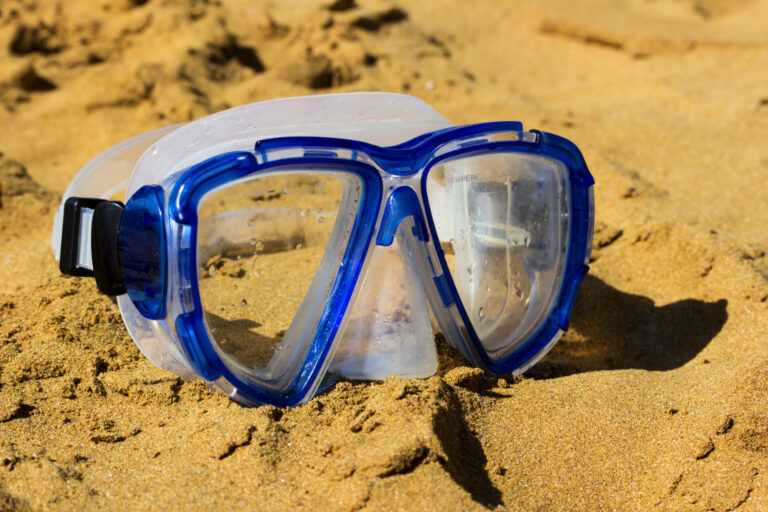
Your mask choice makes the biggest difference between seeing clearly and struggling with constant fogging in murky water. The right lens setup transforms challenging conditions into workable ones.
Choose Anti-Fog Coated Masks
Anti-fog coated masks eliminate the constant clearing cycle that breaks your concentration underwater. Factory-applied coatings last 2-3 years with proper care, while aftermarket sprays need reapplication every 5-10 dives. I’ve tested both extensively—the factory coatings win for reliability in murky conditions where you can’t afford visual interruptions.
Invest in High-Quality Tempered Glass Lenses
High-quality tempered glass lenses deliver 15-20% better light transmission than standard glass, crucial in low-visibility water. Premium lenses resist scratching and maintain clarity longer, while cheaper options develop micro-scratches that scatter light. The clarity difference becomes obvious when you’re already working with limited visibility—every photon counts.
Consider Prescription Mask Inserts
Prescription mask inserts give you razor-sharp vision without the bulk of contact lenses under your mask. Custom inserts cost $150-300 but eliminate the risk of losing contacts in murky water. I’ve seen too many divers struggle with blurry vision because they skipped this upgrade—clear vision underwater starts with clear vision at the surface.
Master Proper Lighting Techniques for Murky Waters
Lighting makes the difference between a frustrating dive and a successful exploration in murky conditions. Your approach to illumination determines whether particles scatter light back into your eyes or whether you cut through the haze effectively.
Use Powerful LED Dive Lights
Choose LED lights with at least 3,000 lumens for murky lake diving. High-output LEDs penetrate suspended particles better than lower-powered alternatives while maintaining longer battery life. Wide-beam LED lights illuminate larger areas without creating harsh shadows that reduce visibility further.
Position Lights at Strategic Angles
Hold your primary light away from your mask at a 45-degree angle to minimize backscatter. This positioning prevents particles from reflecting light directly back into your vision. Mount secondary lights on your gear at different angles to create multiple light sources that eliminate dead zones.
Carry Backup Lighting Systems
Pack at least two backup lights with different beam patterns for redundancy. Primary light failure in murky conditions creates dangerous situations where you can’t locate your exit route. Choose backup lights with red filters that preserve night vision while maintaining adequate illumination for navigation.
Adjust Your Swimming and Diving Approach
Your movement technique becomes critical when visibility drops below 10 feet in murky conditions. Smart swimmers adapt their approach to work with limited visibility rather than fighting against it.
Move Slowly to Avoid Stirring Sediment
Slow movements preserve what little visibility you have in murky lake water. Quick motions kick up sediment from the lake bottom, creating clouds that reduce visibility from 5 feet to mere inches within seconds. Controlled, deliberate movements keep particles settled and maintain clearer water around you.
Stay Close to the Bottom or Surface
Position yourself strategically near the lake bottom or surface for optimal visibility conditions. Bottom swimming lets you use the lake floor as a reference point while avoiding mid-water particle clouds. Surface swimming provides natural light penetration and easier navigation, though you’ll miss deeper exploration opportunities.
Use Gentle Fin Kicks
Gentle fin techniques prevent sediment disturbance that destroys visibility in murky conditions. Flutter kicks near the bottom create massive sediment clouds, while modified frog kicks and helicopter turns keep your fins away from disturbed particles. Practice these techniques in clear water first to build muscle memory for murky situations.
Enhance Your Equipment with Visibility Aids
Specialized visibility equipment transforms challenging underwater conditions into manageable diving situations. The right gear combinations work together to create multiple layers of visual enhancement.
Attach Underwater Cameras with Flash
Underwater cameras with powerful flash units illuminate your immediate surroundings while documenting your dive. The flash cuts through murky water better than continuous lighting and helps you spot interesting objects or potential hazards. Mount your camera with a lanyard system so you can quickly access it for navigation reference points.
Use Reflective Markers and Flags
Reflective dive flags and markers create visible reference points that help you maintain orientation in low-visibility conditions. Place reflective tape on your gear and use brightly colored surface markers to mark your entry and exit points. These visual anchors prevent disorientation and help your dive buddy track your position throughout the dive.
Consider Underwater Metal Detectors with Visual Displays
Metal detectors with LCD screens provide dual functionality by helping you locate lost objects while offering a bright visual reference. The display screen acts as an additional light source and gives you something to focus on during navigation. Choose models with backlit displays and audio alerts that work through your wetsuit for maximum effectiveness.
Time Your Lake Activities for Optimal Conditions
Weather patterns directly impact underwater visibility in lakes. Strategic timing can transform challenging murky conditions into manageable diving environments.
Plan Dives During Calm Weather
Calm surface conditions preserve underwater clarity by preventing wave action from stirring bottom sediment. You’ll find visibility improves dramatically during high-pressure systems when winds drop below 5 mph. Check marine forecasts 48 hours ahead and target stable weather windows lasting at least 6-8 hours for optimal results.
Avoid Windy Days That Stir Up Sediment
Wind speeds above 10 mph create underwater turbulence that suspends particles throughout the water column. Surface waves crash against shorelines and shallow areas, creating sediment clouds that reduce visibility to mere inches. You’re better off postponing dives when sustained winds exceed 8 mph or gusts reach 15 mph.
Choose Early Morning Hours for Best Visibility
Dawn offers the clearest water conditions before daily winds develop and recreational boat traffic begins. You’ll typically find the best visibility between 6-9 AM when overnight settling has cleared suspended particles. Morning thermal layers also provide more stable water conditions compared to afternoon temperature mixing.
Prepare with Pre-Dive Planning and Safety Measures
Pre-dive planning transforms risky murky water dives into manageable underwater adventures. Your safety depends on thorough preparation before you enter challenging lake conditions.
Research Lake Conditions and Depth Charts
Study local weather reports and water temperature data 24-48 hours before your planned dive. Check recent rainfall amounts since heavy precipitation can reduce visibility for several days afterward.
Download detailed bathymetric charts to identify underwater features like drop-offs, submerged structures, and hazardous areas. Contact local dive shops or park rangers for current visibility reports and any temporary restrictions affecting your target diving location.
Establish Clear Communication Signals
Develop hand signals with your dive buddy that work effectively in limited visibility conditions. Practice exaggerated signals using larger arm movements and brighter colored gloves to ensure clear communication underwater.
Carry underwater signaling devices like tank bangers or underwater whistles as backup communication methods. Test your buddy’s understanding of emergency signals like “problem,” “out of air,” and “surface immediately” before entering murky water.
Create Emergency Action Plans for Low Visibility
Map out multiple exit routes from your diving location before entering the water. Identify the nearest decompression chamber and emergency medical facilities within your diving area.
Establish surface intervals and maximum dive times that account for reduced visibility conditions. Plan contingency procedures for separated buddies including predetermined meeting points and surface search patterns for immediate reunification.
Conclusion
Murky lake conditions don’t have to end your diving adventures. By implementing these six strategies you’ll transform challenging underwater environments into exciting exploration opportunities.
Your success depends on combining the right equipment upgrades with smart diving techniques. Quality masks proper lighting and specialized gear work together to cut through poor visibility conditions.
Remember that timing and preparation are just as crucial as your equipment choices. Plan your dives during optimal weather windows and always prioritize safety through thorough pre-dive planning.
With these tools and techniques in your arsenal you’ll confidently tackle murky waters that would intimidate other divers. Start implementing these visibility improvements on your next lake dive and experience the difference they make.
Frequently Asked Questions
What equipment upgrades can improve visibility in murky lake water?
Upgrade to anti-fog coated masks with high-quality tempered glass lenses for better light transmission. Consider prescription mask inserts if you need corrective lenses. Use powerful LED dive lights with at least 3,000 lumens to penetrate suspended particles. Position lights at strategic angles to minimize backscatter and carry backup lighting systems with different beam patterns.
How should I adjust my diving technique for low visibility conditions?
Move slowly to avoid stirring up sediment that reduces visibility. Position yourself close to the bottom or surface for better reference points and natural light access. Use gentle fin kicks like modified frog kicks and helicopter turns to prevent disturbing sediment and maintain clearer water around you.
When is the best time to dive for optimal visibility in lakes?
Plan dives during calm weather with high-pressure systems and winds below 5 mph. Early morning hours (6-9 AM) offer the clearest water before daily winds and boat traffic develop. Avoid windy days with speeds above 10 mph, as they create underwater turbulence that significantly reduces visibility.
What specialized equipment can help with murky water diving?
Use underwater cameras with powerful flash units that cut through murky water better than continuous lighting. Deploy reflective dive flags and markers to create visible reference points for orientation. Consider underwater metal detectors with LCD screens that provide bright visual references while helping locate lost objects.
What safety preparations are essential for murky water diving?
Research lake conditions and depth charts, checking weather reports and recent rainfall amounts. Establish clear communication signals with dive buddies and carry underwater signaling devices. Create emergency action plans including mapped exit routes and identify nearby medical facilities before entering the water.
How can I prevent my mask from fogging in murky conditions?
Choose masks with anti-fog coating to eliminate fogging distractions. Properly prepare your mask before diving by cleaning the lens thoroughly. Consider investing in high-quality tempered glass lenses that resist fogging better than standard materials and provide superior light transmission in challenging conditions.