7 Effective Algae Removal Methods for Pools That Pool Pros Use
Beat pool algae with 7 proven methods: brushing, shock treatment, algaecides, proper filtration, balanced chemistry, UV/ozone systems, and natural solutions for crystal-clear water.
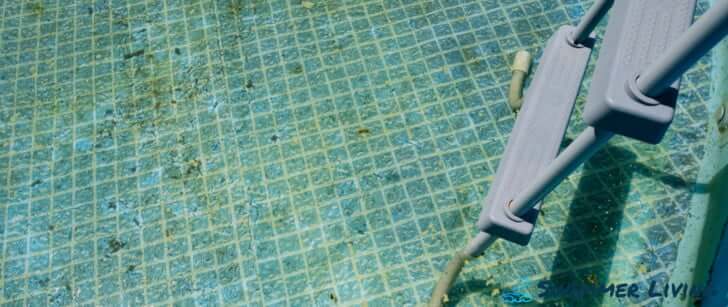
Green slime coating your pool walls signals an algae invasion that’ll turn your backyard oasis into a swamp-like nightmare if left unchecked. You’re not alone in this battle – millions of pool owners face algae blooms every season when warm temperatures and poor water chemistry create the perfect breeding ground for these unwanted microorganisms. The good news: you can eliminate algae and restore crystal-clear water using proven methods that target different algae types effectively.
Disclosure: As an Amazon Associate, this site earns from qualifying purchases. Thank you!
Manual Brushing and Scrubbing Techniques
Physical removal remains your first line of defense against stubborn algae colonies. You’ll need to get hands-on with proper brushing techniques to break algae’s grip on pool surfaces.
Selecting the Right Pool Brush for Your Surface Type
Clean your pool quickly and easily with this durable brush. The wide head and strong bristles tackle large areas, while the lightweight aluminum frame and curved edges make scrubbing effortless and safe for all pool types.

Concrete and gunite pools demand stiff steel brushes that can scrape away algae embedded in rough surfaces. Vinyl and fiberglass pools require soft nylon brushes to prevent damage while still providing effective cleaning action. Always match your brush material to your pool’s surface—using steel on vinyl creates expensive repairs.
Proper Brushing Patterns for Maximum Algae Removal
Start from the shallow end and work systematically toward the deep end using overlapping strokes. Brush in long sweeping motions rather than short scrubs to cover maximum surface area efficiently. Focus extra attention on corners, steps, and behind ladders where algae typically establish their strongest footholds.
When to Combine Brushing with Chemical Treatments
Brush immediately after adding algaecide while chemicals are at peak concentration for maximum effectiveness. You’ll break algae’s protective barriers through mechanical action while chemicals penetrate deeper into remaining colonies. Always brush before vacuuming to suspend dead algae particles that your filtration system can then capture and remove.
Shock Treatment with Chlorine
Quickly restore crystal-clear pool water with HTH Shock Advanced. This fast-dissolving, multi-functional formula kills bacteria and algae while reducing chlorine odor and irritation, and it's compatible with all pool types.

Shock treatment delivers a concentrated chlorine dose that oxidizes algae and breaks down their cellular structure. This method works particularly well after you’ve disrupted algae colonies through brushing.
Calculating the Correct Chlorine Shock Dosage
Standard algae requires 1 pound of shock per 10,000 gallons of water. Heavy algae infestations need double or triple this amount to achieve effective oxidation. Always test your pool’s current chlorine levels before calculating the exact shock dosage needed.
Triple Shock Method for Stubborn Algae
Apply three times the normal shock dosage for persistent green or black algae. Add the shock in evening hours to prevent UV degradation and allow maximum contact time overnight. Run your filtration system continuously for 24-48 hours after triple shocking.
Safety Precautions During Shock Treatment
Never swim until chlorine levels drop below 3 ppm and pH returns to normal range. Wear protective gloves and eyewear when handling shock chemicals to prevent skin and eye irritation. Add shock to water, never water to shock, to avoid dangerous chemical reactions.
Algaecide Application and Selection
Keep your pool crystal clear with Clorox Pool&Spa Algaecide. This non-foaming formula quickly eliminates existing algae and prevents future growth in all pool types, including saltwater.
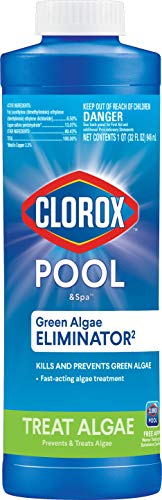
Algaecides serve as your targeted weapon against algae colonies that resist standard chlorine shock treatments. They work differently than sanitizers by disrupting algae’s cellular functions and preventing regrowth.
Copper-Based vs. Quaternary Ammonium Algaecides
Copper-based algaecides kill algae faster and work effectively on stubborn black algae, but they can stain pool surfaces and turn blonde hair green. Quaternary ammonium algaecides take longer to work but won’t stain your pool or discolor hair, making them safer for regular maintenance use.
Proper Application Timing and Techniques
Apply algaecide in the evening when the sun won’t break down the chemicals before they can work. Add algaecide after brushing and shocking to ensure maximum penetration into weakened algae colonies. Always dilute the algaecide in a bucket of pool water before adding it to prevent concentrated spots.
Preventing Algaecide Resistance
Rotate between different algaecide types every few treatments to prevent algae from adapting to a single chemical. Don’t rely solely on algaecides—combine them with proper brushing and chlorine levels for complete effectiveness. Maintain consistent water chemistry to prevent algae from establishing resistant colonies in the first place.
Pool Vacuum and Filtration System Optimization
This handheld pool vacuum delivers powerful suction (up to 18.5 gallons/min) for quick debris removal. It includes a telescopic pole and two brush heads for versatile cleaning of pools, spas, and hard-to-reach areas.

Your pool’s vacuum and filtration system becomes your most powerful ally once algae dies off from chemical treatments. Optimizing these systems ensures complete algae removal and prevents future outbreaks.
Dead Algae Removal Through Vacuuming
Vacuum dead algae directly to waste to prevent filter clogging. Set your multiport valve to “waste” position to bypass the filter entirely. Dead algae particles will cloud your water and overwhelm your filtration system if you vacuum to filter mode. Focus on pool corners and steps where dead algae settles heaviest.
Filter Cleaning and Replacement Schedules
Clean your filter immediately after algae treatment to restore proper water flow. Rinse cartridge filters with a garden hose or soak in filter cleaner solution for 24 hours. Replace cartridge filters every 2-4 weeks during algae season. DE filters need fresh diatomaceous earth after backwashing, while sand filters require cleaning every 7-10 days during active algae removal.
Backwashing Techniques for Sand Filters
Keep your pool water clean and clear with the Intex SX1500 Sand Filter Pump. Featuring a 1500 GPH flow rate and Hydroaeration Technology for improved filtration, this pump also offers a convenient 24-hour timer for automatic operation.
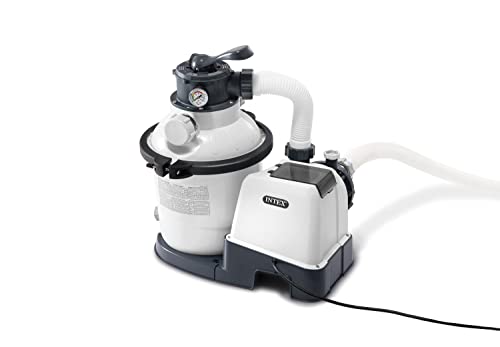
Backwash sand filters when pressure gauge reads 8-10 psi above normal operating pressure. Run the backwash cycle for 2-3 minutes until water runs clear in the sight glass. Follow with a 30-second rinse cycle to settle the sand bed. During heavy algae removal, you’ll need to backwash daily to maintain proper filtration efficiency.
pH Balance and Water Chemistry Adjustment
Water chemistry forms the foundation of effective algae control. When your pool’s chemical balance shifts out of range, you’re essentially rolling out the welcome mat for algae colonies.
Ideal pH Levels for Algae Prevention
Maintain your pool’s pH between 7.2 and 7.6 for optimal algae resistance. Higher pH levels above 7.8 reduce chlorine effectiveness by up to 80%, creating perfect conditions for algae growth. Lower pH below 7.0 damages pool surfaces and equipment while providing minimal algae protection benefits.
Alkalinity and Calcium Hardness Considerations
Keep total alkalinity between 80-120 ppm to stabilize pH fluctuations that encourage algae blooms. Calcium hardness should range from 150-300 ppm in most pools. Low calcium levels cause aggressive water that etches surfaces, while high levels create scaling that provides textured surfaces where algae can anchor and multiply.
Regular Testing and Chemical Balancing
Test your pool water 2-3 times weekly during swimming season using reliable test strips or digital meters. Adjust chemicals gradually in small increments rather than large corrections. Balance alkalinity first, then pH, followed by sanitizer levels to create an environment where algae simply can’t establish colonies.
UV Light and Ozone Treatment Systems
Modern UV and ozone systems provide continuous algae prevention by targeting spores at the cellular level. These advanced sanitization methods work alongside traditional chemicals to create multiple barriers against algae formation.
How UV Systems Eliminate Algae Spores
UV systems destroy algae DNA through high-intensity ultraviolet radiation as water circulates through the treatment chamber. This process prevents algae reproduction by damaging cellular structures at the molecular level. The continuous sterilization occurs without adding chemicals to your pool water, making it effective against chlorine-resistant algae strains.
Ozone Generator Benefits for Pool Sanitization
Ozone generators produce powerful oxidizing molecules that break down algae cell walls and eliminate organic contaminants. You’ll reduce chlorine demand by up to 50% while maintaining crystal-clear water that’s gentler on skin and eyes. The ozone treatment also destroys bacteria and viruses that traditional sanitizers might miss.
Installation and Maintenance Requirements
Professional installation ensures proper sizing and integration with your existing filtration system for optimal performance. You’ll need to replace UV bulbs annually and clean quartz sleeves monthly to maintain effectiveness. Ozone generators require periodic cleaning of corona discharge plates and replacement of check valves to prevent backflow damage.
Natural and Eco-Friendly Algae Removal Methods
You can fight algae effectively without relying solely on harsh chemicals. These natural approaches work alongside your existing maintenance routine to create a more balanced pool environment.
Baking Soda as a pH Adjuster and Algae Fighter
Baking soda raises your pool’s pH and alkalinity levels, creating conditions where algae can’t thrive. Add 1.5 pounds per 10,000 gallons to boost alkalinity by 10 ppm, then brush walls thoroughly. The higher alkalinity helps your chlorine work more efficiently while naturally inhibiting algae growth.
Enzyme-Based Pool Cleaners
Enzyme cleaners break down organic waste that feeds algae colonies without adding harsh chemicals to your water. Pour 4-6 ounces per 10,000 gallons weekly around your pool’s perimeter for continuous action. These natural proteins digest oils, lotions, and debris that create perfect breeding grounds for algae.
Preventive Measures Using Natural Circulation
Proper water circulation eliminates dead zones where algae love to establish colonies. Run your pump 8-12 hours daily and position return jets to create a circular flow pattern. Install additional circulation fans or fountains to keep surface water moving, preventing stagnant areas where green algae typically takes hold.
Conclusion
You now have a complete arsenal of effective algae removal methods to keep your pool crystal clear year-round. From manual brushing and chemical shock treatments to advanced UV systems and natural alternatives you’ll find the right approach for your specific situation.
The key to long-term success lies in combining multiple methods rather than relying on just one technique. Start with proper water chemistry maintenance as your foundation then add targeted treatments when algae appears.
Remember that prevention beats treatment every time. Regular testing consistent chemical balance and proper circulation will save you hours of scrubbing and expensive chemical treatments down the road.
With these seven proven methods in your maintenance toolkit you’re equipped to tackle any algae problem and enjoy swimming in clean healthy water all season long.
Frequently Asked Questions
What causes algae growth in swimming pools?
Algae growth occurs primarily due to poor water chemistry, warm weather conditions, and inadequate pool maintenance. When pH levels are imbalanced, chlorine becomes less effective, creating an environment where algae can thrive. Stagnant water areas and insufficient circulation also contribute to algae formation.
How do I choose the right brush for algae removal?
Select brushes based on your pool surface type. Use stiff steel brushes for concrete and gunite pools to effectively scrub tough algae. For vinyl and fiberglass pools, use soft nylon brushes to prevent surface damage while still removing algae colonies.
What is the proper chlorine shock dosage for algae treatment?
Use 1 pound of shock per 10,000 gallons for standard algae infestations. Double or triple this amount for heavy algae problems. For persistent green or black algae, apply a triple shock treatment in the evening to maximize overnight contact time.
When should I use copper-based versus quaternary ammonium algaecides?
Copper-based algaecides work quickly against stubborn algae but may stain surfaces and discolor hair. Quaternary ammonium algaecides are safer for regular use and gentler on pool surfaces but take longer to eliminate algae. Choose based on urgency and pool material sensitivity.
How often should I test my pool water chemistry?
Test pool water 2-3 times per week to maintain proper chemical balance. Monitor pH levels (7.2-7.6), total alkalinity (80-120 ppm), and calcium hardness (150-300 ppm). Regular testing prevents conditions that favor algae growth and ensures effective chlorine performance.
What are the benefits of UV and ozone treatment systems?
UV systems destroy algae DNA through ultraviolet radiation without adding chemicals, while ozone generators produce oxidizing molecules that break down algae cell walls. Both systems reduce chlorine demand by up to 50% and provide continuous algae prevention with professional installation.
Can I use natural methods to prevent algae growth?
Yes, natural methods can complement regular maintenance. Use baking soda to adjust pH and alkalinity levels, enzyme-based cleaners to break down organic waste, and ensure proper water circulation with pumps and fountains to eliminate stagnant areas where algae thrive.
Why is proper filtration important after algae treatment?
After chemical treatments kill algae, effective filtration removes dead algae debris from the water. Vacuum directly to waste to prevent filter clogging, and clean filters immediately after treatment to restore proper water flow and prevent algae regrowth.