
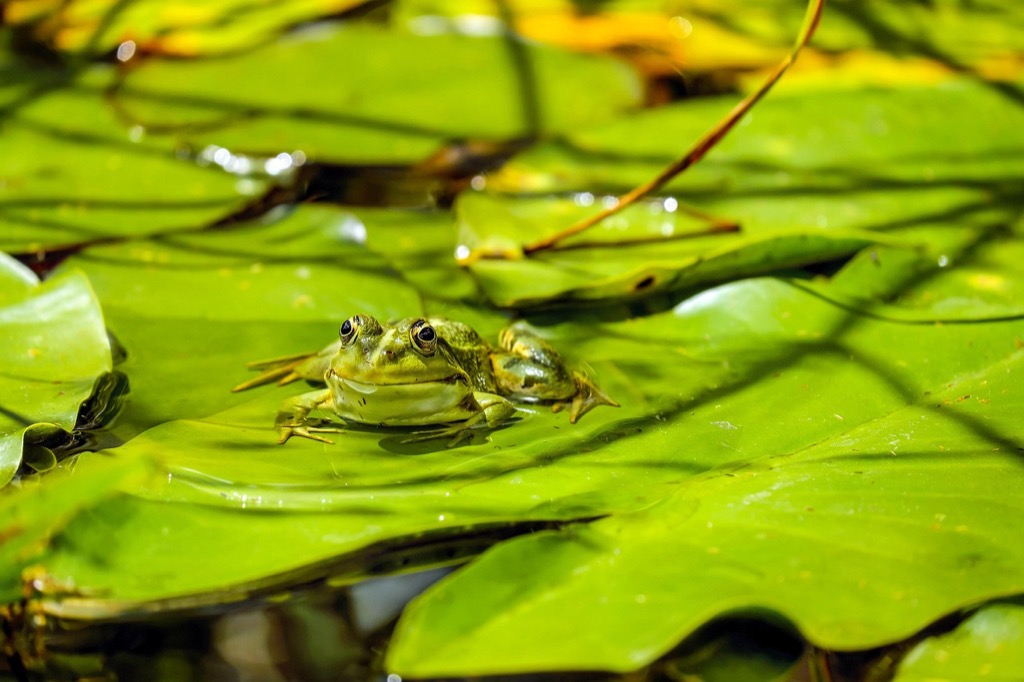
7 Key Plants for Natural Pool Filtration That Protect Our Waters
Discover 7 aquatic plants that naturally filter your pool water without chemicals. Create an eco-friendly, self-sustaining swimming environment with water hyacinth, lilies & more.
Why it matters: Natural pool filtration using aquatic plants offers an eco-friendly alternative to traditional chemical treatments while creating a stunning backyard oasis that supports local wildlife.
The bottom line: Strategic plant selection transforms your pool into a self-sustaining ecosystem that naturally removes toxins, excess nutrients, and harmful bacteria without expensive equipment or harsh chemicals.
What’s next: Seven specific plant varieties can revolutionize your pool’s water quality while dramatically reducing maintenance costs and environmental impact.
Disclosure: As an Amazon Associate, this site earns from qualifying purchases. Thank you!
Understanding Natural Pool Filtration Systems
Natural pool filtration harnesses the power of aquatic plants to create a chemical-free water cleaning system. These systems work by establishing a balanced ecosystem where plants actively remove pollutants while beneficial bacteria break down organic waste.
How Aquatic Plants Clean Water Naturally
Aquatic plants absorb excess nutrients like nitrogen and phosphorus that fuel algae growth. Their root systems create oxygen-rich zones where beneficial bacteria thrive and break down harmful compounds. Plants also filter out suspended particles through their leaves and stems, naturally clarifying your pool water without chemicals.
Benefits of Plant-Based Pool Filtration
Plant-based filtration eliminates the need for harsh chemicals like chlorine and reduces your pool’s environmental impact. You’ll save money on chemical treatments while enjoying softer water that’s gentler on skin and eyes. These systems also require less maintenance once established and create a beautiful natural aesthetic.
Water Hyacinth: The Floating Filtration Powerhouse
Water hyacinth stands out as one of nature’s most efficient water purifiers, capable of removing up to 90% of nitrogen and phosphorus from pool water. This fast-growing floating plant creates a living filter that works around the clock to maintain crystal-clear water.
Nutrient Absorption Capabilities
Water hyacinth absorbs massive amounts of nitrogen, phosphorus, and heavy metals through its extensive root system. A single plant can process up to 1.5 pounds of nutrients per square meter annually, making it incredibly effective at preventing algae blooms. The plant’s rapid growth rate means it’ll continuously remove excess nutrients that would otherwise cloud your water.
Placement and Maintenance Tips
Position water hyacinth in shallow areas or dedicated plant zones where it won’t interfere with swimming activities. You’ll need to trim back 30-40% of the plant mass every 4-6 weeks during growing season to prevent overcrowding. Remove dead leaves promptly and divide mature plants when they cover more than one-third of your designated filtration area.
Water Lilies: Beautiful Surface Coverage and Filtration
Water lilies deliver exceptional surface coverage while providing powerful natural filtration capabilities for your pool. These elegant aquatic plants create stunning visual appeal while working behind the scenes to maintain crystal-clear water through their sophisticated biological processes.
Oxygen Production and Algae Control
Water lilies pump out impressive amounts of oxygen during daylight hours through their large floating pads. This oxygen boost creates an inhospitable environment for harmful bacteria while supporting beneficial microorganisms that break down waste.
Their broad leaves also shade up to 70% of your pool’s surface area. This natural canopy blocks sunlight from penetrating deep into the water, effectively starving algae of the light energy they need to multiply and create green water problems.
Choosing the Right Variety for Your Pool
Hardy water lilies like ‘Marliac White’ and ‘Chromatella’ thrive in cooler climates and require minimal winter maintenance. These varieties produce 4-6 inch blooms and spread 3-4 feet across the surface, making them perfect for medium to large pools.
Tropical varieties such as ‘Blue Beauty’ and ‘Pink Capensis’ offer more vibrant colors and longer blooming seasons. However, you’ll need to overwinter these plants indoors in zones below 9, which requires additional planning and storage space.
Cattails: Marginal Plants for Edge Filtration
Cattails stand out as powerhouse natural filters that work exceptionally well along pool edges and shallow zones. You’ll find these tall, distinctive plants creating effective biological barriers between your swimming area and deeper filtration zones.
Root System Filtration Benefits
Cattails develop extensive underground rhizome networks that excel at nutrient absorption and sediment stabilization. Their fibrous root systems trap suspended particles while absorbing excess nitrogen and phosphorus that would otherwise fuel algae growth. The dense root mats also create oxygen-rich zones where beneficial bacteria thrive, breaking down organic waste materials naturally.
Establishing Cattail Colonies
Plant cattails in containers or designated shallow areas where water depth ranges from 2-6 inches for optimal growth. Space individual plants 18-24 inches apart to allow proper colony development without overcrowding your filtration zone. You’ll need to trim back aggressive growth annually and divide established colonies every 3-4 years to maintain balanced coverage.
Water Lettuce: Fast-Growing Nutrient Absorbers
Water lettuce creates one of nature’s most efficient pool filtration systems, doubling its population every 10-14 days during peak growing season. These floating powerhouses absorb excess nutrients faster than most aquatic plants, making them ideal for rapid water quality improvement.
Rapid Reproduction and Coverage
Water lettuce spreads through runner connections, creating new plants that quickly establish independent root systems. Each plant produces 3-5 offspring monthly during warm weather, allowing you to achieve 50-70% surface coverage within 6-8 weeks. This aggressive growth rate makes water lettuce perfect for new pool ecosystems that need immediate nutrient absorption.
Managing Growth and Spread
You’ll need to harvest 30-40% of your water lettuce every 2-3 weeks to prevent complete surface coverage. Remove excess plants by cutting runner connections and composting the harvested material for garden use. Strategic placement in deeper areas slows reproduction rates, while shallow zones promote faster multiplication for maximum filtration benefits.
Hornwort: Submerged Oxygenating Champion
Hornwort operates as your pool’s underwater powerhouse, working 24/7 to maintain crystal-clear water without requiring soil or anchoring. This completely submerged plant delivers exceptional oxygenation while absorbing dissolved nutrients that fuel algae growth.
Underwater Filtration Mechanics
Hornwort produces oxygen continuously through photosynthesis, creating an environment where beneficial bacteria thrive while harmful microorganisms struggle to survive. Its feathery leaves trap microscopic debris and absorb excess nitrogen, phosphorus, and carbon dioxide directly from the water column. The plant’s dense branching structure provides surface area for beneficial bacterial colonies that break down organic waste.
Installation and Care Requirements
Simply release hornwort bundles into deeper pool areas where they’ll float freely or settle naturally without planting. These hardy plants require no substrate and thrive in water temperatures between 59-86°F with moderate to bright light. Trim overgrown sections monthly during peak season and remove any yellowing portions to maintain optimal filtration performance.
Pickerel Rush: Tall Emergent Filtration Plants
Pickerel rush stands as your pool’s natural skyscraper, reaching 2-4 feet above water level while delivering impressive filtration through its extensive underground root network. You’ll find this hardy perennial creates dramatic vertical structure that transforms shallow pool edges into living filtration towers.
Vertical Filtration Zones
Pickerel rush creates three distinct filtration levels that maximize water purification efficiency. Above-water stems process airborne nutrients, while submerged roots absorb excess nitrogen and phosphorus from deeper water columns. The plant’s crown zone filters surface contaminants, creating a comprehensive vertical cleaning system that processes water from bottom to top throughout your pool’s edge areas.
Seasonal Growth Patterns
You’ll see pickerel rush emerge in early spring, reaching peak filtration capacity by mid-summer when water temperatures consistently stay above 65°F. The plant doubles its filtering surface area between May and July, then maintains steady nutrient absorption through fall. Winter dormancy reduces above-water growth to 6-8 inches, but underground rhizomes continue processing nutrients even in cold weather conditions.
Arrowhead Plants: Versatile Shallow Water Filters
Arrowhead plants adapt seamlessly to various pool zones, making them ideal for natural filtration systems. Their distinctive arrow-shaped leaves create striking visual appeal while delivering consistent water purification.
Adaptability to Different Water Depths
Arrowhead plants thrive in water depths ranging from 2-12 inches, accommodating shallow margins and deeper shelf areas. You’ll find they adjust their growth patterns based on water levels, producing floating leaves in deeper sections and emergent foliage in shallower zones. This flexibility allows strategic placement throughout your pool’s filtration system.
Aesthetic and Functional Benefits
These plants combine beautiful white flower spikes with efficient nutrient absorption through their extensive root networks. You’ll appreciate how their broad leaves provide natural surface coverage while their underwater roots trap sediments and absorb excess phosphorus. Their seasonal dormancy cycle ensures year-round filtration benefits without overwhelming maintenance requirements.
Conclusion
Creating your natural pool filtration system with these seven key plants transforms your swimming experience into something truly sustainable. You’ll enjoy crystal-clear water without the harsh chemicals that irritate your skin and eyes.
The combination of water hyacinth hornwort cattails and the other plants we’ve covered creates a powerful biological filter that works around the clock. Your pool becomes a thriving ecosystem that maintains itself with minimal intervention from you.
Start with just a few varieties and gradually expand your plant collection as you see the remarkable results. You’ll discover that nature provides the most effective and beautiful solution for pool water purification.
Frequently Asked Questions
What is natural pool filtration with aquatic plants?
Natural pool filtration uses aquatic plants to create a self-sustaining ecosystem that removes toxins, excess nutrients, and harmful bacteria from pool water. This eco-friendly system eliminates the need for harsh chemicals like chlorine by harnessing beneficial bacteria and plants to break down organic waste and filter pollutants naturally.
How effective are aquatic plants at purifying pool water?
Aquatic plants are highly effective at water purification. For example, water hyacinth can remove up to 90% of nitrogen and phosphorus from pool water. These plants absorb excess nutrients, produce oxygen, and work with beneficial bacteria to maintain clear, balanced water quality without chemical treatments.
Which aquatic plants work best for natural pool filtration?
The most effective plants include water hyacinth (removes 90% of nitrogen/phosphorus), water lilies (provide oxygen and algae control), cattails (excellent nutrient absorption), water lettuce (rapid water quality improvement), hornwort (submerged oxygenation), pickerel rush (extensive root filtration), and arrowhead plants (versatile zone adaptation).
What are the cost benefits of using natural pool filtration?
Natural pool filtration significantly reduces ongoing expenses by eliminating the need for expensive chemical treatments like chlorine and reducing maintenance requirements. Once established, the plant-based system is largely self-sustaining, requiring only periodic plant trimming and basic care rather than continuous chemical purchases.
How do I maintain a natural pool filtration system?
Maintenance involves regular plant trimming to prevent overcrowding, seasonal care for dormant plants, and monitoring plant growth patterns. Water hyacinth needs trimming, water lilies require deadheading, and fast-growing plants like water lettuce need growth management. The system becomes largely self-maintaining once established.
Is natural pool water safe for swimming?
Yes, naturally filtered pool water is often gentler and safer than chemically treated water. It’s less harsh on skin and eyes since it doesn’t contain chlorine or other chemical irritants. The balanced ecosystem created by aquatic plants maintains water quality through biological processes rather than chemical disinfection.
Where should I place different aquatic plants in my pool?
Plant placement depends on the species: water hyacinth thrives in shallow areas, water lilies need deeper zones (2-6 feet), cattails work best along pool edges, hornwort can be submerged anywhere, and arrowhead plants adapt to various depths (2-12 inches). Proper placement ensures optimal filtration and plant health.
How long does it take to establish a natural pool filtration system?
A natural pool filtration system typically takes several weeks to months to fully establish, depending on plant selection and pool conditions. Fast-growing plants like water lettuce show rapid results, while others like water lilies and cattails need time to develop robust root systems for maximum filtration effectiveness.

