7 Ideas for Lakefront Recreational Equipment Storage That Maximize Performance
Discover 7 smart lakefront storage solutions for recreational gear! From weatherproof sheds to floating dock compartments, protect and organize your equipment efficiently.
Your lakefront property offers endless recreational opportunities, but managing kayaks, paddleboards, fishing gear, and water toys can quickly turn your scenic retreat into a cluttered mess. Smart storage solutions protect your expensive equipment from harsh weather conditions while keeping everything organized and easily accessible for spontaneous lake adventures.
Enjoy versatile water activities with the Roc Paddle Board. Its stable, wide design and durable construction provide excellent balance, while included accessories like a paddle and carry bag ensure a complete, portable experience.

The right storage system transforms your waterfront space from chaotic to functional, extending the life of your recreational gear and maximizing your property’s potential. Whether you’re dealing with limited space or abundant acreage, strategic storage planning ensures you’ll spend more time enjoying the water and less time hunting for misplaced equipment.
Disclosure: As an Amazon Associate, this site earns from qualifying purchases. Thank you!
Build a Weatherproof Lakeside Storage Shed
A dedicated lakeside shed transforms your waterfront storage game from scattered chaos to organized efficiency. You’ll protect your valuable equipment while creating a centralized hub for all your water recreation gear.
Choose Pressure-Treated Materials for Longevity
Pressure-treated lumber stands up to lakeside moisture like nothing else. Cedar and pressure-treated pine resist rot and insect damage for decades, even in humid environments.
You’ll spend more upfront but save thousands in replacement costs over time.
Install Proper Ventilation to Prevent Moisture Damage
Ventilation prevents the humid air that destroys equipment and creates mold growth. Install ridge vents at the peak and soffit vents near the foundation for continuous airflow.
Cross-ventilation keeps your gear dry and extends the life of stored items significantly.
Add Easy-Access Double Doors for Large Equipment
Double doors accommodate kayaks, canoes, and large fishing equipment without awkward maneuvering. Standard 6-foot openings work for most recreational gear.
Swing-out doors beat sliding doors for lakeside use since they won’t jam from moisture expansion.
Install Floating Dock Storage Compartments
Enjoy a stable platform on the water with this durable, inflatable dock. Made with military-grade PVC and a non-slip surface, it inflates quickly and includes D-rings for secure anchoring.

Floating dock storage compartments eliminate the need for separate storage buildings while keeping your equipment within arm’s reach of the water. These integrated systems maximize your dock’s functionality without compromising its aesthetic appeal.
Integrate Built-In Storage Boxes Under Dock Decking
Built-in storage boxes beneath your dock decking create hidden compartments that don’t interfere with foot traffic. You’ll access these waterproof containers through hinged deck panels that blend seamlessly with your dock’s surface. Install multiple compartments to separate different types of gear and prevent damage from items shifting during storage.
Use Marine-Grade Materials for Water Resistance
Marine-grade aluminum and stainless steel hardware ensure your storage compartments withstand constant water exposure without corroding. Choose sealed latches and gaskets specifically designed for marine environments to prevent water infiltration. These materials cost more upfront but eliminate the need for frequent replacements that cheaper alternatives require.
Design Compartments for Specific Equipment Sizes
Custom-sized compartments prevent wasted space and keep your gear organized for quick access. Design narrow slots for fishing rods, wide shallow areas for life jackets, and deeper sections for boat motors or pumps. Adjustable dividers let you reconfigure storage as your equipment collection changes over time.
Create an Elevated Storage Platform System
Elevated platforms solve multiple lakefront storage challenges by lifting your gear above seasonal water variations and ground moisture. You’ll protect equipment from flood damage while creating a versatile storage foundation that adapts to your property’s unique terrain.
Build Above Flood Line for Year-Round Protection
Position your platform at least 2-3 feet above the highest recorded water level in your area. Spring snowmelt and heavy rains can push lake levels 18-24 inches higher than summer norms, so check local flood history before setting your foundation height. Concrete piers or pressure-treated posts create stable support that won’t shift during freeze-thaw cycles.
Install Drainage Systems to Handle Runoff
Build a slight slope into your platform deck to direct water away from stored equipment. Install gutters along the platform edges to channel runoff into designated drainage areas rather than letting water pool beneath your gear. French drains around the platform perimeter prevent water from accumulating during heavy storms and keep the area dry year-round.
Add Stairs or Ramps for Easy Equipment Access
Install wide stairs with deep treads for carrying bulky items like coolers and fishing tackle boxes safely. Ramps work better for wheeled equipment such as boat trailers or gear carts, but require a 1:12 slope ratio to prevent items from rolling backward. Add non-slip strips to both stairs and ramps since lakefront surfaces get slippery from morning dew and water spray.
Utilize Covered Boat Slip Storage Solutions
Covered boat slips offer the ultimate combination of protection and accessibility for your lakefront recreational equipment. You’ll transform your slip into a multi-functional storage hub that keeps gear dry while maintaining quick water access.
Maximize Vertical Space with Wall-Mounted Racks
This heavy-duty industrial pipe rack provides durable and stylish garment storage. Its wall-mounted design saves space and keeps clothes organized, while the included hooks offer extra storage for accessories.

Install heavy-duty wall brackets along slip walls to store kayaks, paddleboards, and fishing rods vertically. Marine-grade aluminum racks withstand constant moisture exposure while supporting up to 100 pounds per bracket. Position racks 18 inches apart to accommodate various equipment widths without overcrowding your slip space.
Install Overhead Storage for Seasonal Items
Mount ceiling storage nets or bins above your boat slip to hold life jackets, water toys, and seasonal gear. Pulley systems make overhead storage accessible without ladders, letting you raise and lower bins with minimal effort. Keep frequently used items at eye level and store seasonal equipment higher up.
Create Designated Zones for Different Equipment Types
Organize your slip with specific zones for water sports gear, fishing equipment, and safety items. Use waterproof storage bins with clear labels to separate tackle boxes from swim gear and emergency supplies. Install hooks and holders at different heights to accommodate everything from boat fenders to water skis efficiently.
Set Up Mobile Storage Carts and Containers
Mobile storage solutions transform your lakefront organization by bringing equipment directly where you need it. You’ll move gear from dock to lawn to boat with minimal lifting and carrying.
Choose Wheeled Options for Easy Transportation
Rolling carts eliminate the back-breaking work of hauling heavy equipment across uneven lakefront terrain. Look for carts with pneumatic tires that handle sand, gravel, and dock boards without getting stuck. Multi-level utility carts with marine-grade powder coating resist rust while providing separate compartments for different gear types.
Select Stackable Containers for Space Efficiency
Organize your space with these durable, stackable storage bins. The clear design lets you easily see contents, while the secure snap-on lid keeps items safe.
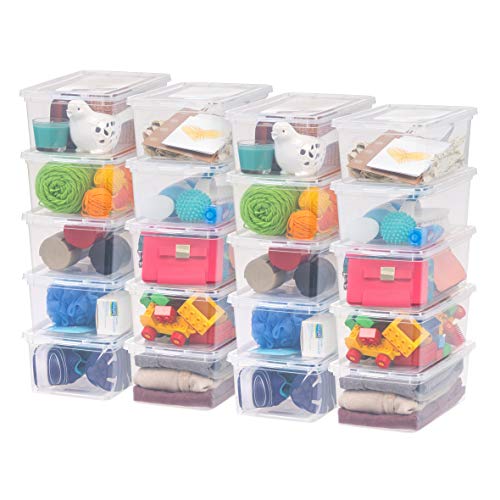
Stackable storage bins maximize your vertical space while maintaining easy access to seasonal equipment. Choose containers with interlocking lids that create stable towers even in windy lakefront conditions. Modular systems let you reconfigure storage as your gear collection changes throughout the seasons.
Use Clear Storage Bins for Quick Equipment Identification
Organize any space with this 6-pack of clear, stackable storage bins. Made from durable, BPA-free plastic, these containers feature built-in handles for easy carrying and a clear design so you can quickly see what's inside.

Transparent containers eliminate the guesswork when you’re rushing to grab gear for an impromptu water session. Clear polycarbonate bins resist UV damage better than standard plastic while giving you instant visibility of contents. Label each bin’s contents on the outside for family members who aren’t familiar with your storage system.
Construct Underground Storage Bunkers
Underground storage bunkers offer the ultimate protection for your most valuable lakefront recreational equipment. They’re completely hidden from view and provide year-round climate-controlled storage that’s immune to flooding and severe weather.
Waterproof with Proper Drainage and Sealing
Install a French drain system around the bunker’s perimeter to redirect groundwater away from your storage area. Use marine-grade waterproof membranes on all interior surfaces and seal joints with polyurethane sealant. Add a sump pump system as backup protection during heavy rain periods.
Install Access Hatches at Ground Level
Choose heavy-duty steel access hatches with locking mechanisms that can support lawn mower weight. Position hatches flush with ground level using adjustable frames that accommodate settling. Install gas-assist struts to make opening effortless even when carrying heavy equipment like outboard motors.
Include Climate Control for Sensitive Equipment
Install a dehumidifier system to maintain 30-50% humidity levels that prevent rust on metal equipment. Add ventilation fans connected to moisture sensors that automatically cycle air when humidity rises. Consider a small heating element for winter months to prevent condensation on electronics and fishing reels.
Design Multi-Level Storage Towers
Multi-level storage towers transform limited lakefront space into organized vertical storage hubs. These towering structures maximize your storage capacity while keeping equipment easily accessible and protected from the elements.
Build Vertical Structures to Save Ground Space
Construct towers using galvanized steel frames that extend 8-12 feet high to accommodate multiple storage levels. Install adjustable shelving brackets every 18 inches to create customizable compartments for different equipment sizes. Anchor the base with concrete footings buried 3 feet deep to ensure stability during strong lakefront winds and prevent tipping when fully loaded with gear.
Add Pulleys and Lifting Systems for Heavy Items
Mount marine-grade pulley systems on the tower’s top crossbeam to easily raise and lower heavy items like coolers and generators. Install 1/4-inch stainless steel cable with 500-pound weight capacity to handle your heaviest equipment safely. Position manual winches at shoulder height for comfortable operation and add safety stops to prevent accidental drops during lifting operations.
Incorporate Weather Protection at Each Level
Install slanted roof sections above each storage level using corrugated metal or polycarbonate panels to shed rain and snow. Add retractable canvas sides that can be rolled down during storms for complete protection while allowing ventilation during fair weather. Include drainage gutters at each level to channel water away from stored equipment and prevent pooling that could damage your gear.
Conclusion
Your lakefront storage challenges don’t have to limit your water activities anymore. These seven storage solutions give you the flexibility to choose what works best for your specific property layout and equipment needs.
Whether you opt for a simple weatherproof shed or invest in an underground bunker system you’ll transform your waterfront experience. The right storage approach keeps your gear protected while ensuring everything stays within easy reach when adventure calls.
Remember that effective lakefront storage isn’t just about organizationâit’s about maximizing your time on the water. With your equipment properly stored and easily accessible you’ll spend less time searching for gear and more time enjoying everything your lakefront property has to offer.
Frequently Asked Questions
What are the best materials for building lakeside storage sheds?
This durable 8x12 metal shed offers ample, organized storage for your tools and outdoor essentials. Its reinforced frame ensures easier assembly and lasting weatherproof protection with a lockable door and sloped roof.

Pressure-treated materials like cedar and pressure-treated pine are ideal for lakeside storage due to their natural resistance to moisture and insect damage. These materials can withstand harsh weather conditions and provide long-lasting durability for your waterfront storage needs.
How can I prevent moisture damage in my lakefront storage?
Install proper ventilation with ridge and soffit vents to ensure continuous airflow throughout your storage space. This prevents moisture buildup, mold growth, and condensation that can damage your recreational equipment stored inside.
What are floating dock storage compartments?
Floating dock storage compartments are built-in storage boxes integrated under dock decking that keep equipment within reach of the water. They feature hinged panels for access and use marine-grade materials like aluminum and stainless steel for water resistance.
How high should I build an elevated storage platform?
Position your elevated storage platform at least 2-3 feet above the highest recorded water level in your area. This protects equipment from seasonal water variations, ground moisture, and potential flood damage while ensuring accessibility.
What makes a good mobile storage solution for lakefront properties?
Rolling carts with pneumatic tires work best for lakefront areas as they easily maneuver over uneven terrain. Look for multi-level utility carts with marine-grade powder coating for rust resistance and stackable bins for maximizing vertical space.
Are underground storage bunkers worth the investment?
Underground storage bunkers provide ultimate protection with year-round climate control and immunity to flooding and severe weather. They’re ideal for valuable equipment, featuring waterproof membranes, drainage systems, and climate control to prevent rust and damage.
How tall should multi-level storage towers be?
Multi-level storage towers typically extend 8-12 feet high, constructed with galvanized steel frames. They feature adjustable shelving brackets and marine-grade pulley systems for easy lifting, maximizing vertical space while maintaining accessibility for all equipment types.
What drainage features should I include in lakefront storage?
Install French drain systems around storage areas to redirect groundwater, add slight slopes to platform decks, and include gutters to channel water away from equipment. These features prevent water pooling and protect your gear from moisture damage.