7 Tips for Overcoming Fears of Kayaking in Open Water That Build Confidence
Conquer open water kayaking fears with these 7 expert tips! Learn essential safety skills, gear selection, mental techniques, and gradual progression strategies for confident paddling adventures.
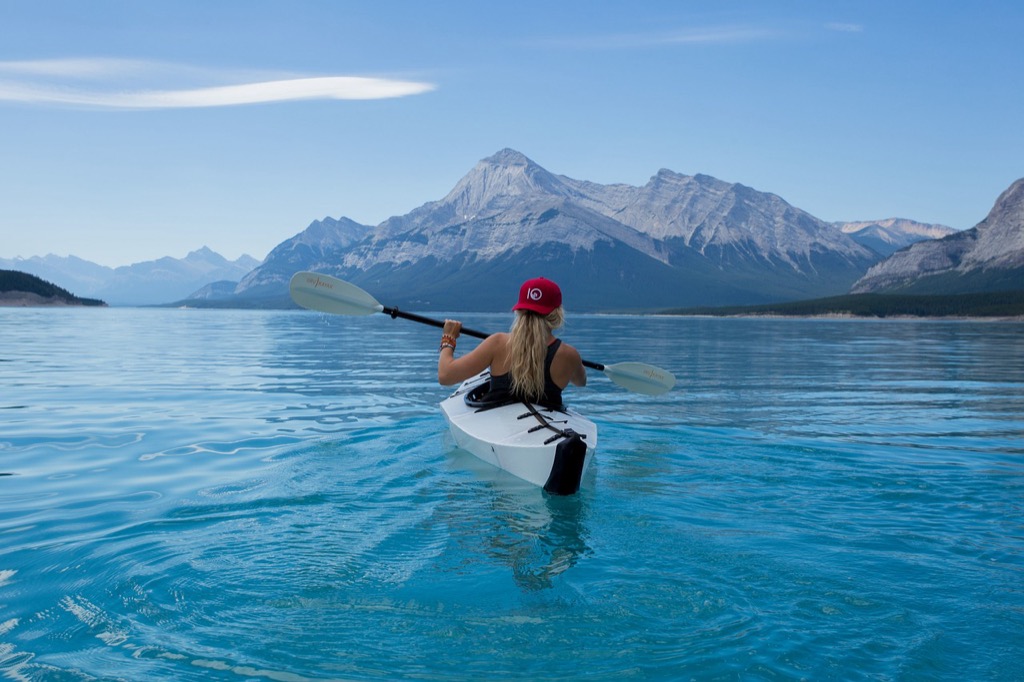
The big picture: Open water kayaking can feel intimidating when you’re staring at endless waves and deep unknown waters beneath your paddle. Many kayakers stick to calm lakes and protected bays because the thought of venturing into expansive open waters triggers anxiety about weather changes, marine life, or simply feeling small against nature’s vastness.
Why it matters: Conquering your open water fears unlocks some of the most rewarding paddling experiences available—from coastal exploration to island hopping adventures that landlocked waters simply can’t offer.
Disclosure: As an Amazon Associate, this site earns from qualifying purchases. Thank you!
Start With Calm, Protected Waters to Build Confidence
Building confidence on open water starts with choosing the right training grounds. You’ll develop essential skills faster when you’re not battling wind, waves, or anxiety about deep water.
Choose Sheltered Bays or Lakes for Initial Practice
Sheltered bays offer ideal conditions for building your open water foundation. Look for locations with minimal boat traffic and natural windbreaks like surrounding hills or dense shoreline vegetation. These protected areas let you focus on technique without fighting constant chop or worrying about unpredictable conditions.
Practice Essential Strokes in Shallow Areas
Shallow water areas give you the psychological safety net you need while mastering forward strokes, sweep turns, and bracing techniques. Practice your wet exit and re-entry procedures where you can stand up if needed. You’ll build muscle memory and confidence knowing you can touch bottom during skill development.
Gradually Increase Distance From Shore
Start your distance progression by paddling just 50 yards from shore, then systematically extend to 100, 200, and 500 yards over multiple sessions. This methodical approach lets you gauge your comfort level and turn back before anxiety peaks. Each successful distance milestone builds the mental foundation you’ll need for true open water adventures.
Master Essential Safety Skills Before Venturing Out
You’ll need rock-solid rescue skills before open water becomes a playground instead of a danger zone. These techniques form your safety net when conditions turn challenging.
Learn Self-Rescue Techniques and Wet Exits
Practice wet exits until they become automatic reflexes. You’ll need to escape your kayak quickly if you capsize in rough conditions. Master the hip snap recovery technique and paddle float self-rescue in controlled environments first. Train these skills repeatedly in shallow water before attempting them in deeper areas where mistakes carry real consequences.
Practice Using Safety Equipment Properly
Know your safety gear inside and out before you need it. Your bilge pump won’t help if you can’t operate it with cold, shaking hands. Practice deploying your paddle float, using your whistle effectively, and accessing your emergency signaling devices. Test your gear regularly and replace batteries in electronic equipment before each season starts.
Understand Weather Patterns and Water Conditions
Read weather forecasts like your safety depends on it – because it does. Learn to recognize wind patterns, wave height predictions, and storm warning signs specific to your paddling area. Understand how wind direction affects wave size and shore conditions. Check marine forecasts rather than general weather reports, and always have an exit strategy when conditions deteriorate unexpectedly.
Invest in Proper Safety Gear and Equipment
Quality safety equipment transforms your open water kayaking from a risky venture into a manageable adventure. The right gear doesn’t just provide protection—it builds the confidence you need to push beyond your comfort zone.
Essential Personal Flotation Devices and Safety Equipment
Your PFD becomes your lifeline in open water conditions. Choose a Coast Guard-approved Type III vest with multiple adjustment points for a snug fit that won’t ride up during swimming motions.
Essential backup equipment includes a bilge pump, paddle float for self-rescue, and a whistle attached to your PFD. Pack a backup paddle secured to your kayak’s deck rigging—losing your primary paddle miles from shore creates immediate danger.
Communication Devices for Emergency Situations
Marine VHF radios provide the most reliable emergency communication in coastal waters. These devices connect directly to Coast Guard rescue services and other boaters who can respond quickly to distress calls.
Personal locator beacons (PLBs) offer satellite-based emergency signaling when you’re beyond VHF range. Waterproof cases for cell phones work as backup communication, though cellular coverage becomes spotty beyond three miles from shore in most coastal areas.
Weather-Appropriate Clothing and Gear
Dress for the water temperature, not the air temperature—hypothermia strikes fast in cold water. Synthetic materials or neoprene wetsuits provide insulation even when wet, while cotton clothing becomes deadly weight.
Layer your clothing system with moisture-wicking base layers and waterproof outer shells. Pack dry bags with extra clothing, especially socks and a warm hat, since your extremities lose heat fastest during unexpected immersion situations.
Build Mental Resilience Through Visualization Techniques
Your mind can be your greatest ally or your worst enemy on open water. Mental preparation techniques help transform anxiety into confidence before you even touch your paddle.
Practice Positive Mental Imagery
Visualize successful open water sessions before heading out. Picture yourself paddling confidently through gentle swells, feeling your kayak’s stability beneath you. Mental rehearsal builds neural pathways that translate into real confidence on the water, reducing anxiety when you encounter familiar scenarios you’ve already conquered in your mind.
Develop Breathing Exercises for Anxiety Management
Control your breathing to control your fear response. Practice the 4-7-8 technique: inhale for 4 counts, hold for 7, exhale for 8. This pattern activates your parasympathetic nervous system, naturally calming your body when open water anxiety peaks and helping you make clearer decisions.
Create Action Plans for Challenging Scenarios
Develop specific responses for common open water challenges. Plan your exact steps if wind picks up: assess conditions, identify nearest landing spots, adjust paddle angle for wind compensation. Having predetermined responses eliminates panic-driven decision making and transforms potential problems into manageable situations you’ve already solved mentally.
Find Experienced Paddling Partners or Join Groups
Paddling with experienced kayakers transforms your open water confidence faster than any solo practice session. Their presence provides both safety and reassurance while you develop the skills needed for challenging conditions.
Benefits of Paddling With Seasoned Kayakers
Experienced paddlers offer real-time guidance during challenging conditions you can’t replicate in calm practice sessions. They’ll spot developing weather patterns and guide you through proper response techniques before situations become dangerous.
Their calm presence reduces anxiety while you’re learning to read waves and wind patterns. You’ll absorb their decision-making process naturally as they navigate route changes and timing decisions that keep everyone safe.
Local Kayaking Clubs and Organized Group Trips
Local kayaking clubs offer structured progression from protected waters to open ocean adventures with safety protocols already established. Most clubs organize beginner-friendly trips that gradually increase difficulty as your confidence builds.
Organized group trips provide experienced trip leaders who handle route planning and emergency preparedness. You’ll benefit from group safety equipment like rescue kayaks and communication systems without the initial investment.
Learning From Others’ Experiences and Techniques
Watching experienced paddlers handle rough conditions teaches you techniques that take years to develop independently. You’ll learn efficient paddle strokes for headwinds and proper body positioning for stability in waves.
Their stories about challenging conditions help you understand what to expect before you encounter similar situations. This mental preparation prevents panic and helps you respond appropriately when conditions deteriorate unexpectedly.
Gradually Progress to More Challenging Conditions
You’ll build lasting confidence in open water by taking deliberate steps toward more challenging conditions rather than jumping into difficult situations too quickly.
Incrementally Increase Distance and Difficulty
Start with quarter-mile offshore ventures before attempting longer crossings or exposed coastlines. You’ll develop open water instincts gradually while staying within your comfort zone.
Add one new challenge at a time – increase distance or add wind or introduce waves, but never all three simultaneously. This methodical approach builds skills without overwhelming your decision-making abilities during critical moments.
Choose Favorable Weather Windows for Advancement
Time your progression attempts during calm morning conditions when winds typically stay under 10 knots and wave heights remain manageable. You’ll have the best chance for success and positive experiences.
Watch weather forecasts three days ahead to identify stable high-pressure systems that bring consistent conditions. Avoid practicing new skills during weather transitions when conditions can change rapidly and catch you off-guard.
Document Progress to Track Confidence Building
Keep a simple paddling log noting distance, conditions, and your comfort level on a 1-10 scale after each session. You’ll see patterns in your progress and identify which conditions still challenge you most.
Take photos from your kayak during milestone paddles to create visual reminders of your achievements. These images become powerful confidence boosters when fear creeps in before your next advancement attempt.
Educate Yourself About Water Safety and Navigation
Knowledge transforms fear into confidence when you understand the forces at work in open water. You’ll paddle with purpose instead of anxiety once you grasp the fundamentals of marine conditions and navigation.
Understanding Tides, Currents, and Marine Weather
Tides create predictable water movement patterns that you can use to your advantage or fight against unknowingly. Check tide charts before launching—paddling with an incoming tide means easier returns to shore, while outgoing tides can sweep you farther offshore than planned.
Marine weather forecasts reveal wind direction, wave height, and timing that directly impact your safety. Small craft advisories aren’t suggestions—they’re warnings that conditions exceed most recreational kayakers’ abilities.
Basic Navigation Skills and Route Planning
Navigation starts with identifying landmarks and understanding your position relative to shore at all times. Use prominent features like headlands, towers, or distinctive buildings as reference points throughout your paddle.
Route planning involves studying charts to identify shallow areas, rocks, and safe landing spots before you launch. Always plan a bail-out route to protected water in case conditions deteriorate unexpectedly during your trip.
Emergency Procedures and Rescue Protocols
Emergency procedures require muscle memory developed through repeated practice in controlled conditions. Practice wet exits, self-rescues, and assisted rescues until you can perform them quickly without thinking through each step.
Communication protocols include carrying waterproof signaling devices and knowing how to use them effectively. Program emergency contacts into your VHF radio and understand Coast Guard communication procedures for your paddling area.
Conclusion
Open water kayaking doesn’t have to remain an intimidating dream. With the right preparation and gradual progression you’ll discover that those vast waters offer some of the most rewarding paddling experiences available.
Remember that confidence builds through consistent practice and proper preparation. Every small step forward – whether it’s mastering a new safety skill or extending your distance from shore – brings you closer to enjoying the freedom of open water adventures.
Your fear is completely normal and overcoming it is a process that takes time. Trust in your preparation stay within your comfort zone as it expands and always prioritize safety over ambition. The ocean will be there when you’re ready for it.
Frequently Asked Questions
What makes open water kayaking so intimidating for beginners?
Open water kayaking feels intimidating due to the vastness and unpredictability of open waters compared to calm lakes and protected bays. The fear of being far from shore, dealing with wind and waves, and the unknown depths can create anxiety. Many kayakers prefer familiar, controlled environments where they feel safer and more confident.
How should I start building confidence for open water kayaking?
Start by practicing in calm, sheltered bays or shallow lakes where you can develop essential skills without distractions. Begin with short paddles close to shore and gradually increase your distance as comfort levels improve. This systematic approach helps build the mental foundation needed for open water adventures while maintaining safety.
What essential safety skills do I need before going into open water?
Master self-rescue techniques like wet exits and hip snap recovery in controlled environments first. Practice using all safety equipment including bilge pumps and emergency signaling devices until you can operate them under pressure. Learn to read marine forecasts and understand weather patterns to make informed decisions about water conditions.
What safety equipment is absolutely necessary for open water kayaking?
Essential gear includes a Coast Guard-approved PFD, bilge pump, paddle float, and whistle. Communication devices like marine VHF radios and personal locator beacons are crucial for emergencies. Dress for water temperature using synthetic materials or neoprene, and pack dry bags with extra clothing to prevent hypothermia.
How can I overcome anxiety about open water kayaking?
Practice positive mental imagery by visualizing successful open water sessions to build confidence. Use breathing exercises like the 4-7-8 technique to manage anxiety during challenging situations. Create action plans for common open water challenges so you can respond calmly and effectively to unexpected conditions.
Should I paddle alone when starting open water kayaking?
No, paddle with experienced kayakers or join local kayaking clubs when starting out. Seasoned partners provide safety, real-time guidance, and help reduce anxiety while learning to read waves and wind patterns. Clubs offer structured progression with organized trips led by experienced leaders who handle route planning and emergency preparedness.
How do I progress safely to more challenging open water conditions?
Start with quarter-mile offshore ventures before attempting longer crossings. Add only one new challenge at a time—distance, wind, or waves—to avoid overwhelming your decision-making abilities. Choose favorable weather windows like calm mornings, and document your progress through a paddling log to track improvements and build confidence.
What should I know about weather and water conditions before paddling?
Learn to read tide charts and marine forecasts to ensure safe conditions. Understand how tides and currents affect your paddling area. Develop basic navigation skills to identify landmarks and plan routes. Always have an exit strategy and know emergency procedures including Coast Guard communication protocols for unexpected situations.