
7 Pros and Cons of Pool Heating Methods That Maximize Performance
Discover 7 pool heating methods with detailed pros and cons. Compare costs, efficiency, and environmental impact of solar, gas, electric, and geothermal systems to find your perfect match.
Why it matters: Pool heating can extend your swimming season by months and boost your property value but choosing the wrong system could drain your wallet and frustrate you for years. Each heating method comes with distinct trade-offs between upfront costs energy efficiency and maintenance requirements that directly impact your long-term satisfaction.
The bottom line: Understanding these seven key advantages and disadvantages helps you make an informed decision that aligns with your budget climate and usage patterns before you commit to a major investment.
Disclosure: As an Amazon Associate, this site earns from qualifying purchases. Thank you!
Solar Pool Heating: Harnessing the Sun’s Energy
Solar heating systems represent the most popular renewable energy choice for pools, using specialized collectors to capture and transfer the sun’s warmth directly to your water.
Pro: Environmentally Friendly and Sustainable Energy Source
Solar pool heating produces zero emissions while operating, making it the greenest heating option available. You’ll eliminate fossil fuel consumption entirely, reducing your carbon footprint by up to 85% compared to gas heaters. The system pays environmental dividends for decades with minimal ecological impact.
Con: Weather-Dependent Performance and Seasonal Limitations
Solar systems struggle during cloudy periods and stop working entirely at night, leaving you without heating when you need it most. You’ll experience inconsistent water temperatures during overcast stretches, and the system becomes practically useless in northern climates during shoulder seasons when heating demand peaks.
Electric Heat Pumps: Efficient Year-Round Pool Warming
Electric heat pumps offer a middle ground between solar heating’s weather dependency and gas heating’s operating costs. They extract heat from ambient air and transfer it to your pool water through a refrigeration cycle.
Pro: High Energy Efficiency and Consistent Performance
You’ll achieve 3-5 times more heat output than the electricity consumed with modern heat pumps. They maintain steady water temperatures regardless of weather conditions, unlike solar systems that struggle during cloudy periods. Most units operate effectively in temperatures as low as 45°F, providing reliable heating throughout extended swimming seasons.
Con: Higher Upfront Installation Costs and Electricity Dependency
You’ll face installation costs ranging from $2,500-$5,000 for most residential pools, significantly higher than gas heaters. Your monthly electricity bills will increase substantially during heavy usage periods, and heating becomes expensive when outdoor temperatures drop below 50°F as efficiency decreases dramatically.
Gas Pool Heaters: Fast and Reliable Temperature Control
Heat 5 gallons of water in minutes with this 1500W immersion heater. It features a stainless steel cover for safety and intelligent temperature control with automatic shut-off at 165°F.
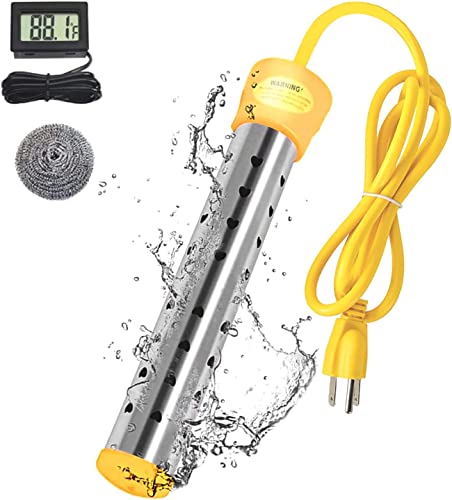
Gas pool heaters burn natural gas or propane to generate heat directly, making them the powerhouse option for quick temperature changes. They’re your go-to choice when you need reliable heating regardless of weather conditions.
Pro: Rapid Heating Capability and Weather Independence
Gas heaters deliver unmatched speed when you need instant results. You’ll raise your pool temperature by 1-2 degrees per hour, even during cold snaps or cloudy periods. Unlike solar systems that depend on sunshine or heat pumps that struggle in freezing temperatures, gas heaters maintain consistent performance year-round.
Con: Higher Operating Costs and Environmental Impact
Gas heating costs can quickly add up to $300-800 monthly during peak usage seasons. You’re burning fossil fuels directly, creating carbon emissions and contributing to your environmental footprint. Natural gas prices fluctuate significantly, making your heating budget unpredictable compared to more stable electric or solar alternatives.
Electric Resistance Heaters: Simple and Straightforward Heating
Electric resistance heaters offer the most basic approach to pool heating, converting electricity directly into heat through coiled elements. These units work like oversized water heaters, making them the simplest heating method to understand and operate.
Pro: Lower Initial Investment and Easy Installation
You’ll spend significantly less upfront with electric resistance heaters, typically costing $1,500 to $3,000 compared to heat pumps‘ $5,000 price tag. Installation requires basic electrical connections without complex refrigeration lines or gas hookups. Most pool professionals can install these units in a single afternoon, and you won’t need specialized permits or extensive modifications to your existing equipment pad.
Con: High Energy Consumption and Expensive Operation
Electric resistance heaters consume massive amounts of electricity, drawing 11-57 kilowatts to heat your pool water. You’ll face monthly operating costs of $400 to $1,200 during peak season, making them the most expensive heating option long-term. These units convert electricity to heat at only 95% efficiency, while heat pumps deliver 300-500% efficiency by moving existing heat rather than creating it from scratch.
Pool Heat Exchangers: Integrated Home Heating Solutions
Heat your pool or spa efficiently with this durable, corrosion-resistant stainless steel heat exchanger. Featuring a 200K BTU/hr capacity and a spiral winding design for consistent temperature, it's ideal for various heating systems.

Pool heat exchangers tap into your home’s existing heating system to warm your pool water. They’re designed to work alongside your boiler or water heater for year-round comfort.
Pro: Dual-Purpose Heating System and Space Efficiency
Heat exchangers maximize your existing heating infrastructure by using your home’s boiler or water heater. You’ll save significant space since there’s no need for a separate pool heating unit taking up yard space. This integration approach reduces equipment redundancy and streamlines your property’s heating systems into one cohesive setup.
Con: Complex Installation Requirements and Limited Flexibility
Installation demands professional expertise to integrate with your home’s heating system safely. You’ll face higher upfront costs due to complex plumbing modifications and potential boiler upgrades. Your pool heating becomes dependent on your home’s heating system, meaning any boiler issues directly impact your pool’s temperature control capabilities.
Wood-Fired Pool Heaters: Traditional and Off-Grid Heating Options
Wood-fired pool heaters offer a rustic approach to pool heating that’s gained popularity among homeowners seeking energy independence and cost-effective heating solutions.
Pro: Low Operating Costs and Independence From Utilities
Wood-fired heaters eliminate monthly utility bills by burning readily available wood fuel instead of electricity or gas. You’ll spend just $200-400 annually on firewood compared to $1,200+ for electric systems. This heating method works completely off-grid, making it perfect for remote properties or areas with unreliable power service.
Con: High Maintenance Requirements and Safety Concerns
Wood heaters demand constant attention and regular maintenance to operate safely and efficiently. You’ll need to monitor fire levels every 2-3 hours, clean ash buildup weekly, and inspect chimney systems monthly. Safety risks include potential fire hazards from sparks, carbon monoxide exposure, and burn injuries from handling hot components during operation.
Geothermal Pool Heating: Underground Energy Utilization
Geothermal pool heating taps into the earth’s constant underground temperatures to create one of the most efficient heating systems available. This method uses ground loop systems buried 6-10 feet deep where temperatures remain stable year-round.
Pro: Extremely Energy Efficient and Long-Term Cost Savings
Geothermal systems deliver 300-500% efficiency rates by extracting heat from underground sources rather than generating it. You’ll see operating costs drop 60-80% compared to gas heaters since the earth provides free energy. These systems maintain consistent performance regardless of air temperature and typically pay for themselves within 5-7 years through reduced utility bills.
Con: Significant Initial Investment and Site-Specific Requirements
Installation costs range from $15,000 to $30,000 depending on your property’s soil conditions and available space. You’ll need adequate yard space for ground loops and suitable soil that isn’t rocky or waterlogged. Many properties can’t accommodate the extensive excavation required, and complex installations may require geological surveys to ensure proper system sizing.
Conclusion
Choosing the right pool heating method ultimately depends on your specific needs budget and local climate conditions. Each system offers distinct advantages whether you prioritize energy efficiency environmental impact or quick heating capabilities.
Consider your long-term goals when making this investment. Solar and geothermal systems require higher upfront costs but deliver substantial savings over time while gas and electric options provide immediate heating power with ongoing operational expenses.
Your decision should balance initial investment costs monthly operating expenses and maintenance requirements. Take time to evaluate your pool usage patterns local weather conditions and available space before committing to any heating system.
The right choice will extend your swimming season increase your property value and provide years of comfortable pool enjoyment tailored to your lifestyle and financial situation.
Frequently Asked Questions
What are the main benefits of installing a pool heating system?
Pool heating systems extend your swimming season significantly, allowing you to enjoy your pool from early spring through late fall. They also increase your property value and provide consistent water temperatures regardless of weather conditions. This investment maximizes your pool usage and creates a more comfortable swimming experience year-round.
How much does it cost to operate different pool heating systems?
Operating costs vary significantly by system type. Gas heaters cost $300-$800 monthly during peak usage, while electric resistance heaters can cost $400-$1,200 monthly. Solar heating has minimal operating costs after installation, and geothermal systems can reduce costs by 60-80% compared to gas heaters.
What is the most energy-efficient pool heating option?
Heat pumps and geothermal systems are the most energy-efficient options. Heat pumps deliver 3-5 times more heat output than electricity consumed, while geothermal systems achieve 300-500% efficiency rates. Solar heating is also highly efficient during sunny conditions, using renewable energy with zero emissions.
How quickly can different heating systems warm up a pool?
Gas heaters are the fastest, raising pool temperatures by 1-2 degrees per hour regardless of weather. Heat pumps and electric resistance heaters warm pools more gradually. Solar systems heat slowly and depend on sunlight availability, while wood-fired and geothermal systems have moderate heating speeds.
What are the upfront installation costs for pool heating systems?
Installation costs vary widely: electric resistance heaters ($1,500-$3,000), heat pumps ($2,500-$5,000), solar systems (moderate initial investment), and geothermal systems ($15,000-$30,000). Gas heaters and heat exchangers require professional installation with varying costs depending on existing infrastructure and complexity.
Which pool heating system works best in cold climates?
Gas heaters and geothermal systems perform best in cold climates. Gas heaters maintain consistent heating regardless of temperature, while geothermal systems use stable underground temperatures. Heat pumps lose efficiency in very cold weather, and solar systems become ineffective during winter months in northern climates.
Are there environmentally friendly pool heating options?
Yes, solar and geothermal systems are the most environmentally friendly options, using renewable energy sources with minimal carbon footprint. Heat pumps are moderately eco-friendly, while gas heaters, electric resistance heaters, and wood-fired systems produce emissions and have higher environmental impact.
What maintenance requirements do different pool heating systems have?
Solar and geothermal systems require minimal maintenance. Heat pumps and gas heaters need regular professional servicing. Electric resistance heaters have low maintenance needs. Wood-fired heaters require the most maintenance, including constant monitoring, cleaning, and fuel management for safe operation.